

Feb . 11, 2026 00:01 Back to list
ppr water pipe price factories Technical Analysis
Introduction
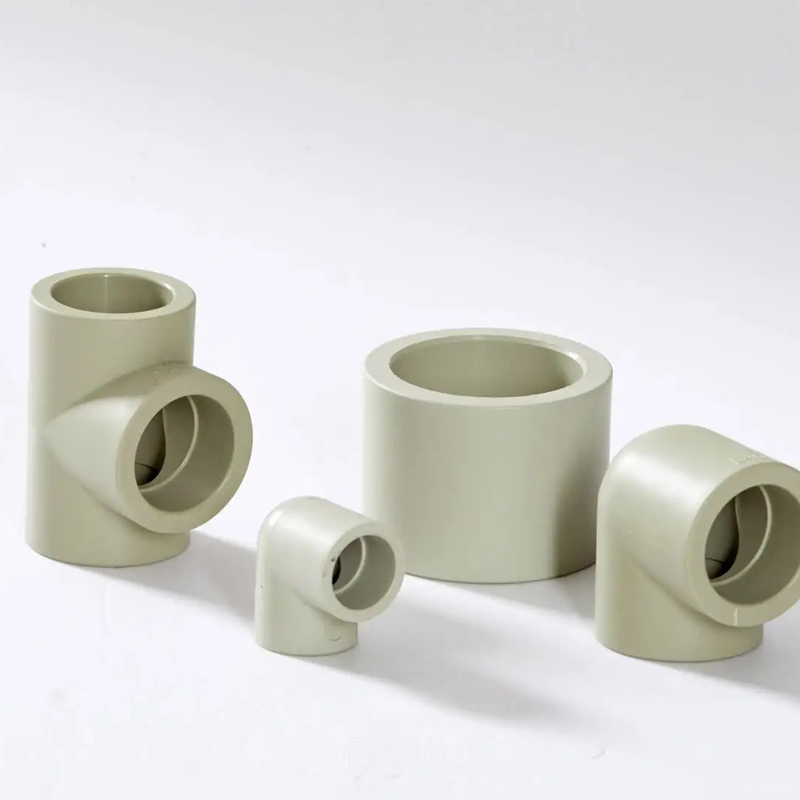
Polypropylene Random Copolymer (PPR) water pipes represent a significant advancement in potable water distribution systems, increasingly favored over traditional materials like galvanized steel and copper. PPR pipes are characterized by their robust chemical resistance, high temperature tolerance, and smooth internal surface, minimizing frictional losses and scale buildup. PPR water pipe price factories, focused on efficient production and material optimization, address the growing global demand for reliable and cost-effective plumbing solutions. This guide provides an in-depth technical analysis of PPR pipes, encompassing material science, manufacturing processes, performance characteristics, potential failure modes, and relevant industry standards. The competitive landscape of PPR pipe manufacturing necessitates a thorough understanding of these aspects to ensure product quality, longevity, and compliance.
Material Science & Manufacturing
PPR pipes are manufactured from polypropylene random copolymer, a thermoplastic polymer derived from propylene monomer. The ‘random’ designation indicates that the comonomer (typically ethylene) is randomly distributed along the polymer chain, disrupting the crystallinity and improving impact resistance. Raw material selection is critical, focusing on polypropylene grades with a melt flow index (MFI) suitable for extrusion. Higher MFI values generally facilitate easier processing but can compromise pipe strength. Manufacturing begins with the compounding of polypropylene with stabilizers (antioxidants, UV stabilizers) and pigments. Extrusion is the dominant manufacturing process, utilizing single-screw or twin-screw extruders. Key parameters include barrel temperature profiles (typically 180-240°C), screw speed, and die pressure. Precise control of these parameters ensures uniform pipe diameter and wall thickness. Fusion welding – specifically, socket fusion and electrofusion – are the primary joining methods. Socket fusion relies on heating both the pipe and fitting to create a homogeneous weld, while electrofusion employs an electrical current to melt and fuse the materials. Quality control involves rigorous testing of hydrostatic pressure, impact resistance, and dimensional accuracy according to international standards. The cooling process is vital, utilizing calibrated cooling baths to prevent warping and ensure dimensional stability.
Performance & Engineering
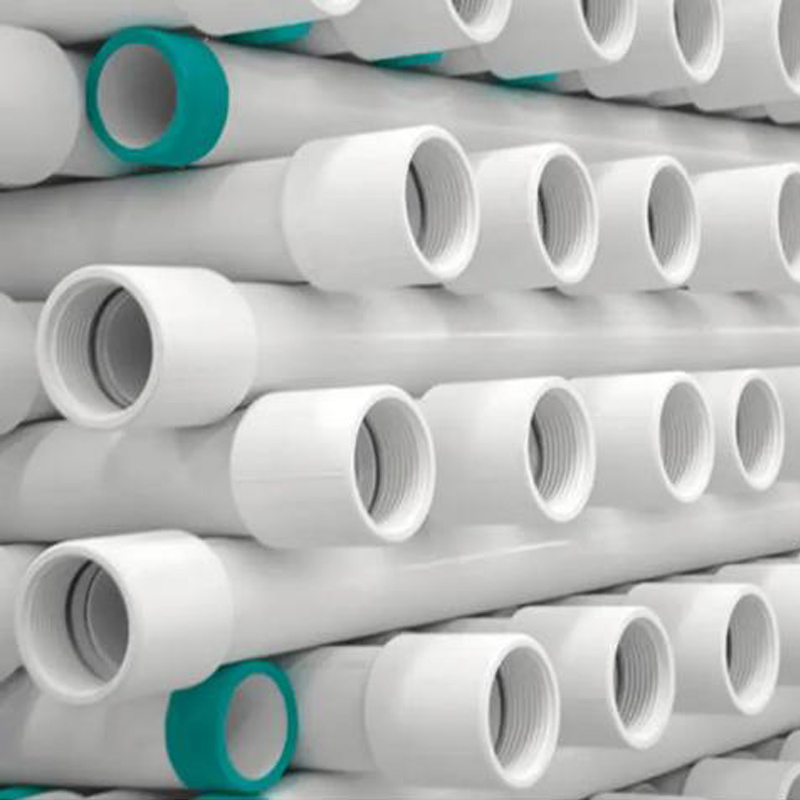
The performance of PPR water pipes is governed by several critical engineering principles. Hydrostatic strength, determined through long-term hydrostatic pressure testing (typically 1000 hours at elevated temperatures and pressures), is paramount. PPR exhibits excellent creep resistance, meaning minimal deformation under sustained pressure. Tensile strength, typically between 20-30 MPa, dictates the pipe's ability to withstand external loads and handling stresses. Impact resistance, assessed using Charpy or Izod impact tests, is crucial to prevent brittle fracture during installation and operation. Thermal expansion is a significant consideration; PPR has a relatively high coefficient of thermal expansion (approximately 0.15 mm/m°C), necessitating the inclusion of expansion loops or flexible connectors in long pipe runs to accommodate temperature fluctuations. Chemical resistance is excellent, withstanding a wide range of common waterborne chemicals, however prolonged exposure to strong oxidizing agents should be avoided. The smooth internal surface of PPR pipes reduces friction losses, resulting in lower pumping costs and improved flow rates. Compliance with potable water regulations (e.g., NSF/ANSI 61) is essential to ensure the absence of harmful leachates. Force analysis during installation considers bending moments and stresses induced by pipe supports. Finite element analysis (FEA) is frequently used to optimize pipe design and predict stress distribution under various loading conditions.
Technical Specifications
| Parameter | Unit | Typical Value (PN20) | Test Standard |
|---|---|---|---|
| Nominal Diameter | mm | 20-160 | ISO 15876 |
| Pressure Rating | bar | 2.0 MPa (PN20) | ISO 15876 |
| Hydrostatic Pressure Test | bar | 4.0 MPa (for 2 hours) | ISO 15876 |
| Impact Resistance (Charpy) | kJ/m2 | ≥ 4.0 | ISO 14801 |
| Tensile Strength | MPa | 25-35 | ISO 527 |
| Elongation at Break | % | >200 | ISO 527 |
Failure Mode & Maintenance
Common failure modes in PPR water pipe systems include slow crack growth (SCG), caused by sustained tensile stress and exposure to aggressive chemicals; thermal expansion-induced stresses leading to joint failure; and mechanical damage during installation or excavation. SCG typically manifests as fine cracks originating at stress concentrators, such as pipe fittings or areas of surface imperfection. Oxidation, particularly at elevated temperatures, can degrade the polymer matrix, reducing its mechanical properties. UV exposure can also contribute to material degradation, causing discoloration and embrittlement. Delamination can occur in substandard materials due to inadequate mixing of additives during compounding. Maintenance involves periodic visual inspections for leaks, cracks, or deformation. Proper support and anchoring of pipes are essential to prevent excessive stress. Water quality monitoring is crucial to identify and mitigate potentially corrosive water conditions. If SCG is suspected, the affected section of pipe should be replaced immediately. Avoid using abrasive cleaning agents or solvents, as these can damage the polymer surface. Electrofusion welding should be performed by certified technicians to ensure proper weld integrity. Regular pressure testing can identify potential leaks before they become major problems.
Industry FAQ
Q: What is the long-term impact of chlorine exposure on PPR pipe performance?
A: While PPR exhibits good chlorine resistance, prolonged exposure to high concentrations of chlorine can lead to gradual degradation of the polymer matrix, potentially reducing its lifespan. Stabilizers incorporated during manufacturing mitigate this effect, but it's crucial to adhere to recommended chlorine levels and consider alternative piping materials in applications with exceptionally high chlorine concentrations.
Q: How does temperature affect the pressure rating of PPR pipes?
A: Higher temperatures reduce the hydrostatic strength of PPR pipes. Pressure ratings are typically specified at 20°C. Derating factors must be applied when operating at elevated temperatures, as outlined in ISO 15876. Exceeding the rated temperature and pressure simultaneously can lead to premature failure.
Q: What are the key differences between socket fusion and electrofusion welding?
A: Socket fusion is a simpler, faster welding method suitable for smaller diameter pipes. It relies solely on thermal energy. Electrofusion, employing an electrical current, provides more precise control over the welding process and is recommended for larger diameter pipes and critical applications where weld integrity is paramount.
Q: What is the recommended maximum operating temperature for PPR pipes used in hot water systems?
A: The maximum recommended operating temperature for PPR pipes in hot water systems is typically 70°C. Exceeding this temperature can lead to softening of the material and a reduction in pressure-bearing capacity. Specialized PPR formulations designed for higher temperature applications are available, but their limitations must be carefully considered.
Q: How can I minimize the risk of slow crack growth in PPR pipe installations?
A: Minimizing stress concentrations is crucial. Avoid sharp bends, use proper pipe supports, and ensure fittings are correctly installed. Maintain appropriate water chemistry and avoid exposure to aggressive chemicals. Select high-quality PPR pipe and fittings from reputable manufacturers.
Conclusion
PPR water pipes offer a compelling combination of performance, cost-effectiveness, and ease of installation, making them a preferred choice in numerous potable water distribution systems. The inherent material properties of polypropylene random copolymer, coupled with advancements in manufacturing techniques like extrusion and fusion welding, contribute to the durability and reliability of these systems. However, a comprehensive understanding of potential failure modes, such as slow crack growth and thermal expansion stresses, is crucial for ensuring long-term performance.
Moving forward, continued innovation in PPR formulations – exploring additives to enhance UV resistance, chlorine resistance, and high-temperature performance – will further expand the application scope of these pipes. Adherence to stringent quality control measures and rigorous testing protocols, aligned with international standards, is essential to maintain the integrity and longevity of PPR water pipe systems. The future of PPR technology hinges on balancing cost optimization with uncompromising performance and sustainability.
-
DN25 HDPE Compression Fitting-HORON INTERNATIONAL|Reliable Irrigation Solutions
NewsFeb.11,2026
-
china hdpe pipe to pvc pipe connection Performance Engineering
News2026-05-29
-
china 12 inch pvc pipe Performance Analysis
News2026-05-29
-
china pvc to hdpe pipe connection Performance Analysis
News2026-05-29
-
china types of pipes pvc Performance Analysis
News2026-05-29
-
china 2 hdpe coupling Material Science
News2026-05-29
-
china 48 hdpe pipe for sale Performance Analysis
News2026-05-28
-
china perforated land drainage pipe Performance Analysis
News2026-05-28
-
china clear pvc hose Performance Analysis
News2026-05-28
-
china kitchen sink hot cold water lines Performance Analysis
News2026-05-28
-
china 110 mm pvc pipe Performance Analysis
News2026-05-28
-
china upvc column pipes for submersible pumps price list Performance Analysis
News2026-05-27
-
china ppr pipe for water supply Performance Analysis
News2026-05-27
-
china 20mm ppr pipe price Performance Analysis
News2026-05-27
-
china hdpe pipe 24 inch Performance Analysis
News2026-05-27
-
china hdpe to steel coupling Performance Analysis
News2026-05-27