

Feb . 11, 2026 00:01 Back to list
ppr plumbing service Material Science and Manufacturing
Introduction
Polypropylene Random (PPR) plumbing systems represent a significant advancement in residential and commercial water distribution infrastructure. Positioned within the broader spectrum of thermoplastic piping, PPR offers a corrosion-resistant, lightweight, and thermally stable alternative to traditional metallic piping materials like copper and galvanized steel. This guide details the material science, manufacturing processes, performance characteristics, failure modes, and maintenance protocols associated with PPR plumbing service. The core performance advantage of PPR lies in its ability to maintain water quality by resisting leaching and scaling, combined with its ease of installation through heat fusion welding, minimizing joint failures common in mechanical fitting systems. The increasing adoption of PPR is driven by cost-effectiveness, reduced labor requirements during installation, and compliance with stringent potable water regulations.
Material Science & Manufacturing
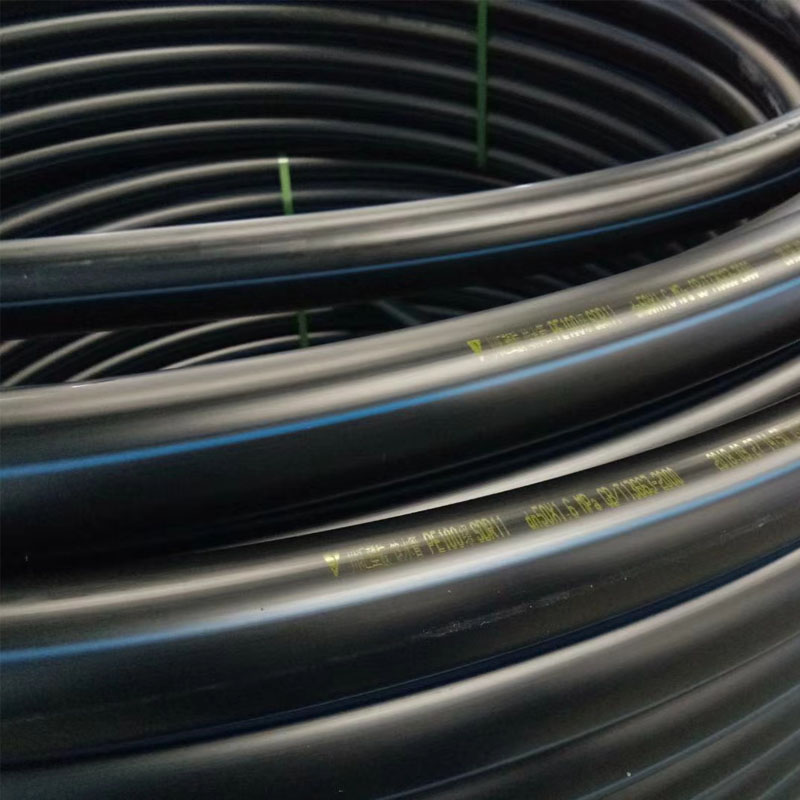
PPR pipe is predominantly composed of polypropylene random copolymer. This copolymerization introduces ethylen-propylene rubber (EPR) within the polypropylene matrix, disrupting the crystallinity and enhancing impact resistance, particularly at lower temperatures. The raw material's density typically ranges from 0.905 to 0.92 g/cm³, providing a lighter weight compared to metal alternatives. Manufacturing begins with the polymerization of propylene monomer. The critical process parameters include reactor temperature (70-90°C), pressure (30-50 MPa), and catalyst selection (typically Ziegler-Natta catalysts). Post-polymerization, the material undergoes extrusion. Extrusion parameters like die temperature (180-220°C), screw speed (30-60 rpm), and haul-off speed are meticulously controlled to ensure consistent wall thickness and diameter. Pipe dimensions adhere to standards such as DIN 8077 and EN ISO 15876. Fitting manufacturing employs injection molding, demanding precise mold temperature control (20-40°C) and injection pressure (50-100 MPa) to produce robust, leak-proof connections. Quality control at each stage includes melt flow index testing, hydrostatic pressure testing, and visual inspection for defects.
Performance & Engineering
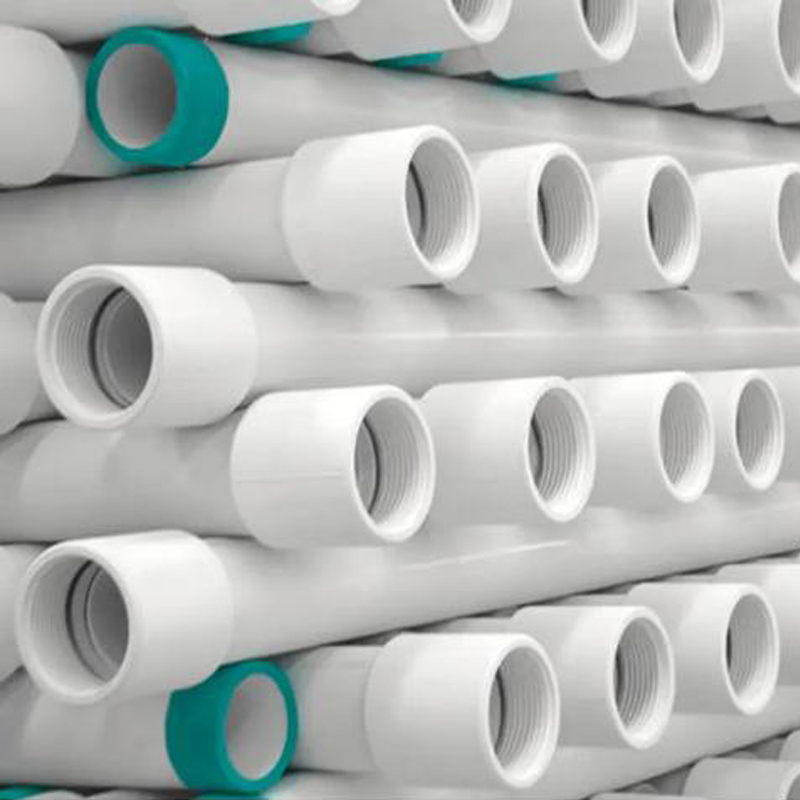
The performance of PPR piping is fundamentally governed by its mechanical strength and thermal properties. Hydrostatic pressure resistance is a key consideration; PPR pipes are typically rated for pressures up to 25 bar at 20°C, diminishing slightly with increasing temperature. Force analysis during installation and operation requires consideration of thermal expansion and contraction. PPR exhibits a linear coefficient of thermal expansion of approximately 0.15 mm/m·K. Therefore, expansion loops and appropriate anchoring are crucial to prevent stress on joints. Environmental resistance is excellent; PPR is unaffected by most common soil chemicals and exhibits high resistance to corrosion from potable water. However, prolonged exposure to UV radiation can lead to degradation, necessitating UV-stabilized formulations for outdoor applications. Compliance requirements include adherence to NSF/ANSI 61 for potable water safety, ensuring that no harmful substances leach into the water supply. The heat fusion welding process, utilizing specialized tools, creates a homogeneous joint that is stronger than the pipe material itself, eliminating the potential for galvanic corrosion associated with dissimilar metal connections. Proper weld parameters—temperature (170-190°C), pressure (0.2-0.4 MPa), and cooling time (2-5 minutes)—are critical for optimal joint integrity.
Technical Specifications
| Parameter | Unit | Typical Value | Test Standard |
|---|---|---|---|
| Density | g/cm³ | 0.905 - 0.92 | ISO 1183 |
| Hydrostatic Pressure (20°C) | bar | 25 | DIN 8077 |
| Tensile Strength | MPa | 25 - 35 | ISO 527 |
| Elongation at Break | % | 200 - 400 | ISO 527 |
| Coefficient of Linear Thermal Expansion | mm/m·K | 0.15 | ASTM E228 |
| Water Absorption (24h) | % | ≤0.1 | ISO 62 |
Failure Mode & Maintenance
Several failure modes can affect PPR plumbing systems. Fatigue cracking can occur due to cyclical pressure fluctuations and thermal stress, particularly at joints. Delamination, though less common, can arise from improper welding parameters or material defects. Oxidation, primarily caused by prolonged exposure to high temperatures and UV radiation, leads to embrittlement and reduced mechanical strength. Chemical attack, though rare with potable water, can occur if the system is exposed to aggressive solvents or industrial chemicals. Maintenance primarily focuses on preventing these failures. Regular visual inspections for leaks or cracks are crucial. Maintaining proper water pressure within the system's rating prevents excessive stress. For outdoor installations, UV protection measures such as painting or shielding are recommended. If a leak develops, the affected section should be cut out and replaced with a new section using proper heat fusion welding techniques. Avoid using abrasive cleaning agents, as they can scratch the pipe surface and create stress concentrations. Periodic flushing of the system helps remove sediment buildup that can contribute to corrosion or blockage. Avoid mechanical fasteners or supports that exert undue stress on the pipes.
Industry FAQ
Q: What is the primary advantage of PPR over copper piping in terms of long-term corrosion resistance?
A: PPR is inherently resistant to corrosion, unlike copper, which can be susceptible to pitting corrosion due to the presence of chlorides and other ions in the water supply. This eliminates the risk of leaching of copper ions into the potable water and the potential for pipe failure over time.
Q: How does the heat fusion welding process contribute to the reliability of PPR plumbing systems?
A: Heat fusion welding creates a homogenous joint where the pipe and fitting material are melted and fused together, resulting in a bond that is structurally stronger than the pipe itself. This eliminates the potential for leaks associated with mechanical fittings and dissimilar metal corrosion.
Q: What are the limitations of PPR piping in high-temperature applications, such as near water heaters?
A: While PPR can withstand moderately elevated temperatures, prolonged exposure to temperatures exceeding 60°C can lead to softening and reduced pressure resistance. Careful consideration should be given to pipe selection and insulation when installing PPR near water heaters.
Q: What impact does UV exposure have on PPR piping, and how can it be mitigated?
A: UV radiation can cause degradation and embrittlement of PPR, particularly over extended periods. Using UV-stabilized PPR formulations and providing physical shielding or painting exposed sections can mitigate this effect.
Q: What are the key parameters to control during heat fusion welding to ensure a leak-proof joint?
A: Key parameters include maintaining the correct welding temperature (170-190°C), applying adequate pressure during the fusion process (0.2-0.4 MPa), and allowing sufficient cooling time (2-5 minutes) before applying any stress to the joint. Proper tool calibration is also essential.
Conclusion
PPR plumbing systems offer a compelling combination of corrosion resistance, ease of installation, and cost-effectiveness, making them a viable alternative to traditional metallic piping. Their performance characteristics, governed by robust material science and precisely controlled manufacturing processes, ensure long-term reliability when implemented correctly. However, understanding potential failure modes and adhering to proper installation and maintenance practices is critical to maximizing the service life and maintaining the integrity of the system.
Future advancements in PPR technology may focus on enhancing UV resistance through improved stabilizer formulations and developing smart PPR systems incorporating sensors for leak detection and pressure monitoring. The continued evolution of welding techniques and standardization efforts will further solidify PPR’s position as a leading solution for potable water distribution and other fluid handling applications.
-
DN25 HDPE Compression Fitting-HORON INTERNATIONAL|Reliable Irrigation Solutions
NewsFeb.11,2026
-
china water lines under kitchen sink Performance Analysis
News2026-05-26
-
china hdpe conduit coupling Performance Analysis
News2026-05-26
-
china pvc irrigation pipe Performance Analysis
News2026-05-26
-
china all types of pvc pipes Performance Analysis
News2026-05-26
-
china hdpe reducing coupler Performance Analysis
News2026-05-26
-
china type of ppr pipe Manufacturing Analysis
News2026-05-25
-
china plumbing ppr pipe Performance Analysis
News2026-05-25
-
china 20mm ppr pipe Material Science
News2026-05-25
-
china pvc sprinkler pipe Performance and Engineering
News2026-05-25
-
china dn500 hdpe double wall corrugated pipe for sewage drain Performance Analysis
News2026-05-25
-
china use of pvc pipe Performance Analysis
News2026-05-24
-
china 50mm pvc pipe price Performance Analysis
News2026-05-24
-
china ppr pipe 50mm price Performance Analysis
News2026-05-24
-
china hdpe coupler price Performance Analysis
News2026-05-24
-
china white pvc pipe Performance Analysis
News2026-05-24