

Feb . 11, 2026 00:01 Back to list
ppr plumbing factory Performance Analysis
Introduction
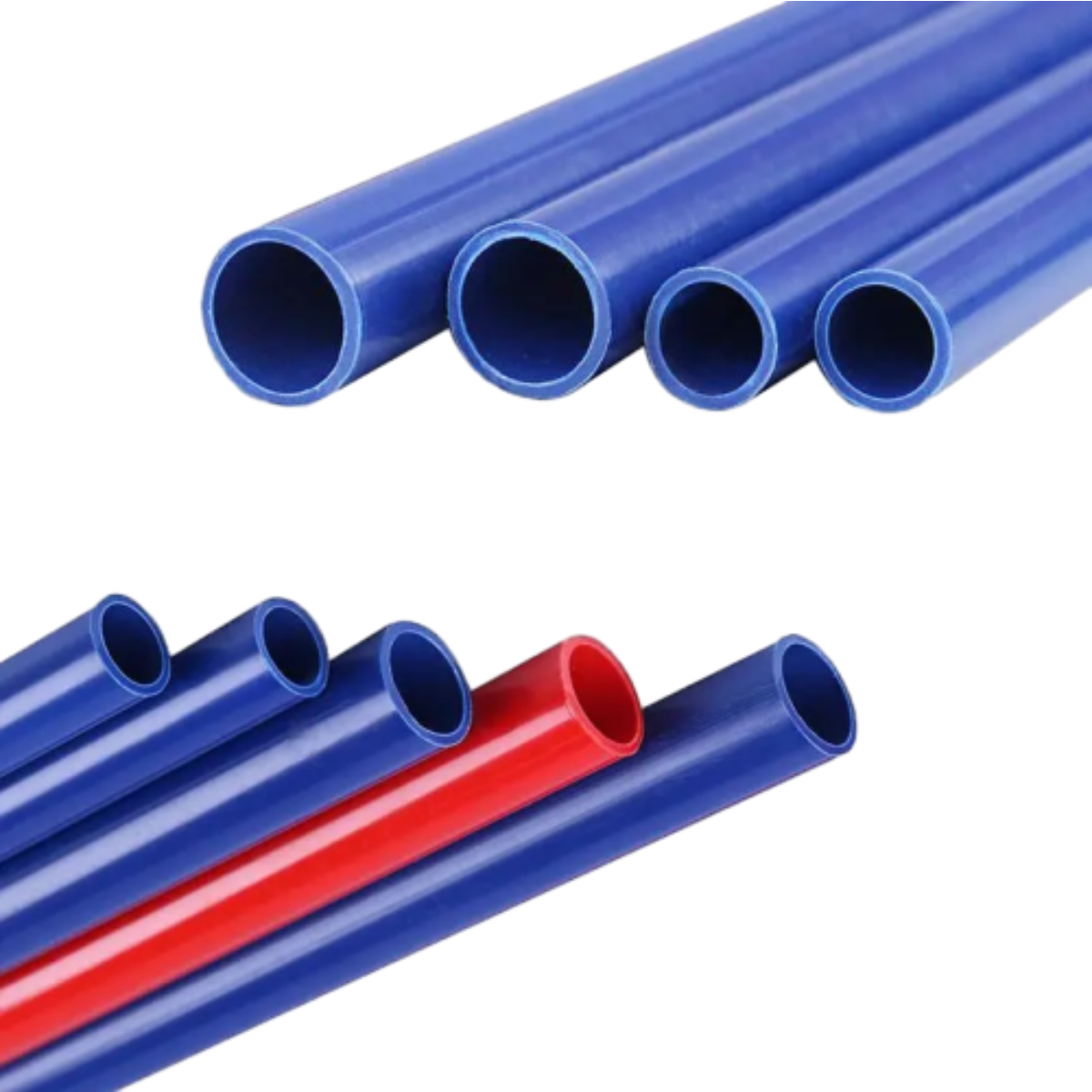
Polypropylene Random (PPR) plumbing systems represent a significant advancement in fluid conveyance technology, particularly within building infrastructure and industrial applications. PPR pipes and fittings are constructed from polypropylene random copolymer, a thermoplastic polymer distinguished by its exceptional resistance to corrosion, high temperature tolerance, and relatively low cost. PPR systems have largely supplanted traditional metallic piping in many regions due to inherent advantages in installation ease, longevity, and hygienic performance. Their position in the industry chain is as a direct replacement for copper, PVC, and galvanized steel piping, catering to both potable water and non-potable water systems, including heating and cooling distribution. Core performance characteristics center around maintaining fluid integrity, resisting chemical degradation, and ensuring long-term reliability under varying pressure and temperature conditions. A primary pain point in the industry revolves around ensuring consistent material quality, particularly regarding the ratio of polypropylene random copolymer to other components, as this directly impacts weld strength and long-term durability. Another critical area is proper installation technique – inadequate fusion welding is a leading cause of system failures.
Material Science & Manufacturing
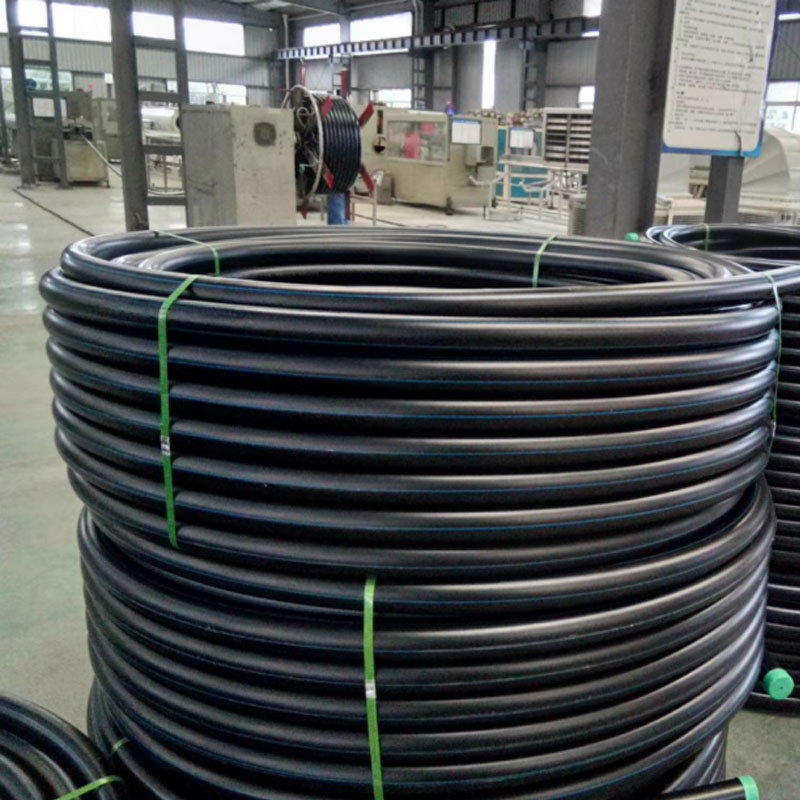
The foundational material for PPR plumbing systems is polypropylene random copolymer. Polypropylene itself is a thermoplastic polymer produced via the polymerization of propylene monomer. The "random" designation indicates that the comonomer, typically ethylene, is randomly distributed along the polymer chain, disrupting the polymer’s crystallinity. This disruption enhances impact resistance and flexibility compared to homopolymer polypropylene. Raw material properties include a density ranging from 0.905 to 0.92 g/cm³, a glass transition temperature around 0°C, and a melting point typically between 130-171°C, dependent on the specific grade and comonomer content. Manufacturing begins with the polymerization process, followed by extrusion into pipes and injection molding for fittings. Key process parameters include maintaining precise temperature control during extrusion to prevent thermal degradation, ensuring consistent wall thickness through calibrated dies, and controlling injection molding parameters (temperature, pressure, cooling rate) to minimize internal stresses and warping. Hydrostatic testing is crucial to verify the structural integrity of pipes before shipment. Weldability is enhanced through the addition of stabilizers and antioxidants to the polypropylene compound, which prevent oxidation during the high-temperature fusion welding process. Chemical compatibility is excellent with most common waterborne substances, but prolonged exposure to strong oxidizing agents should be avoided. The industry’s current focus on sustainability also drives the development of PPR formulations incorporating recycled polypropylene content, addressing environmental concerns.
Performance & Engineering
PPR plumbing systems are engineered to withstand a range of operating pressures and temperatures. Force analysis considerations include hoop stress in the pipe walls due to internal fluid pressure, longitudinal stress from thermal expansion/contraction, and external loads from soil or structural support. Maximum operating pressure generally ranges from PN10 (1.0 MPa) to PN25 (2.5 MPa), depending on the pipe’s schedule and diameter. Temperature resistance is typically rated up to 95°C for hot water applications, although short-term exposure to higher temperatures is permissible. Environmental resistance is a key performance characteristic. PPR exhibits excellent resistance to UV degradation when formulated with appropriate UV stabilizers, however, prolonged direct sunlight exposure without protection should be avoided. Chemical resistance is broad, encompassing most common water treatments and household chemicals, but compatibility should be verified for specific industrial applications involving aggressive chemical agents. Compliance requirements vary regionally but generally adhere to standards such as DIN 8077 and EN ISO 15876. Functional implementation relies heavily on the fusion welding process (socket fusion, butt fusion, electrofusion). Proper weld parameters – temperature, pressure, and dwell time – are critical to achieve a homogeneous joint with strength equivalent to the parent material. Finite element analysis (FEA) is frequently employed during system design to optimize pipe sizing, support spacing, and joint configurations to ensure structural integrity and minimize stress concentrations.
Technical Specifications
| Parameter | PN10 (SDR 6) | PN16 (SDR 5) | PN20 (SDR 4) | Material Standard |
|---|---|---|---|---|
| Nominal Pressure (MPa) | 1.0 | 1.6 | 2.0 | ISO 15876 |
| Temperature Resistance (°C) | Up to 95 | Up to 95 | Up to 95 | DIN 8077 |
| Density (g/cm³) | 0.905 - 0.92 | 0.905 - 0.92 | 0.905 - 0.92 | ASTM D1505 |
| Oxygen Permeability (cm³/m²·day·bar) | < 0.05 | < 0.05 | < 0.05 | DIN 8077 |
| Linear Expansion Coefficient (10⁻⁶/°C) | 0.15 | 0.15 | 0.15 | ISO 11359-2 |
| Hydrostatic Pressure Test (MPa) | 1.5 | 2.4 | 3.0 | EN ISO 15876 |
Failure Mode & Maintenance
Several failure modes can affect PPR plumbing systems. Fatigue cracking, particularly at weld joints, is common due to cyclic pressure and temperature fluctuations. This is exacerbated by improper welding techniques. Delamination can occur within the pipe wall if the polypropylene compound is improperly mixed or contaminated. Chemical attack from aggressive substances (e.g., strong acids or solvents) can lead to material degradation and embrittlement. Oxidation, particularly at elevated temperatures in the presence of oxygen, can reduce the pipe’s long-term strength and flexibility. UV degradation, if the system is exposed to prolonged sunlight without protection, results in surface cracking and loss of mechanical properties. Maintenance primarily involves periodic visual inspections for leaks, cracks, or signs of degradation. Weld joints should be closely examined for any evidence of separation or deformation. Preventative measures include ensuring proper water chemistry to minimize corrosion, providing UV protection for exposed piping, and implementing a regular flushing program to remove sediment buildup. If a leak is detected, the affected section of pipe should be cut out and replaced with a new section, properly fusion-welded into place. It is crucial to use only manufacturer-approved welding equipment and follow recommended welding procedures. In cases of widespread corrosion or degradation, a complete system replacement may be necessary. Proper system design, incorporating expansion loops to accommodate thermal expansion and contraction, can significantly reduce stress on the piping and extend its service life.
Industry FAQ
Q: What is the impact of water hammer on PPR systems, and how can it be mitigated?
A: Water hammer, the pressure surge resulting from rapid valve closure, can induce significant stress on PPR pipes and joints, potentially leading to cracking or failure. Mitigation strategies include installing water hammer arrestors near quick-closing valves, optimizing pipe sizing to reduce flow velocity, and implementing slow-closing valves where feasible. Proper pipe support is also crucial to prevent excessive vibration.
Q: How does the quality of the welding equipment affect the integrity of PPR joints?
A: The quality of welding equipment is paramount. Precision temperature control and consistent heating element performance are essential for achieving proper fusion. Inferior equipment often results in incomplete fusion, weak joints prone to failure. Using only certified welding equipment, regularly calibrated, and operated by trained personnel is crucial.
Q: What is the long-term effect of chlorine on PPR pipes?
A: PPR exhibits good resistance to chlorine at typical concentrations found in potable water systems. However, prolonged exposure to high chlorine levels, particularly in conjunction with elevated temperatures, can lead to gradual degradation of the polymer, reducing its impact strength. Periodic water quality monitoring and chlorine level control are recommended.
Q: Can PPR pipes be used for compressed air lines?
A: While PPR can withstand moderate pressure, it is not generally recommended for compressed air lines due to its permeability to air and potential for permeation losses. The material also lacks the necessary impact resistance to withstand potential impact from tools or debris. Dedicated compressed air piping materials, such as aluminum or copper, are preferred.
Q: What is the best practice for supporting long runs of PPR pipe?
A: Long runs of PPR pipe should be supported at intervals to prevent sagging and minimize stress on joints. Support spacing depends on pipe diameter and fluid temperature, but typically ranges from 2-3 meters. Supports should be designed to distribute the load evenly and avoid creating stress concentrations. Expansion loops should be incorporated to accommodate thermal expansion and contraction.
Conclusion
PPR plumbing systems offer a compelling alternative to traditional piping materials, delivering a balance of performance, durability, and cost-effectiveness. Their inherent resistance to corrosion, ease of installation, and hygienic properties make them well-suited for a wide range of applications. However, achieving optimal performance and longevity relies heavily on meticulous material selection, precise manufacturing control, and adherence to recommended installation practices. Addressing the industry’s core pain points – ensuring consistent material quality and promoting proper welding techniques – remains crucial for realizing the full potential of PPR technology.
The future of PPR plumbing likely involves continued advancements in material formulations, incorporating higher percentages of recycled content and enhanced UV stabilizers. Integration with smart building technologies, such as leak detection systems and remote monitoring capabilities, will further enhance the reliability and efficiency of PPR systems. Ongoing research and development focused on improving the long-term performance and sustainability of PPR materials will solidify its position as a leading solution in fluid conveyance infrastructure.
-
DN25 HDPE Compression Fitting-HORON INTERNATIONAL|Reliable Irrigation Solutions
NewsFeb.11,2026
-
china water lines under kitchen sink Performance Analysis
News2026-05-26
-
china hdpe conduit coupling Performance Analysis
News2026-05-26
-
china pvc irrigation pipe Performance Analysis
News2026-05-26
-
china all types of pvc pipes Performance Analysis
News2026-05-26
-
china hdpe reducing coupler Performance Analysis
News2026-05-26
-
china type of ppr pipe Manufacturing Analysis
News2026-05-25
-
china plumbing ppr pipe Performance Analysis
News2026-05-25
-
china 20mm ppr pipe Material Science
News2026-05-25
-
china pvc sprinkler pipe Performance and Engineering
News2026-05-25
-
china dn500 hdpe double wall corrugated pipe for sewage drain Performance Analysis
News2026-05-25
-
china use of pvc pipe Performance Analysis
News2026-05-24
-
china 50mm pvc pipe price Performance Analysis
News2026-05-24
-
china ppr pipe 50mm price Performance Analysis
News2026-05-24
-
china hdpe coupler price Performance Analysis
News2026-05-24
-
china white pvc pipe Performance Analysis
News2026-05-24