

Feb . 11, 2026 00:01 Back to list
ppr pipe 32mm service Performance Analysis
Introduction
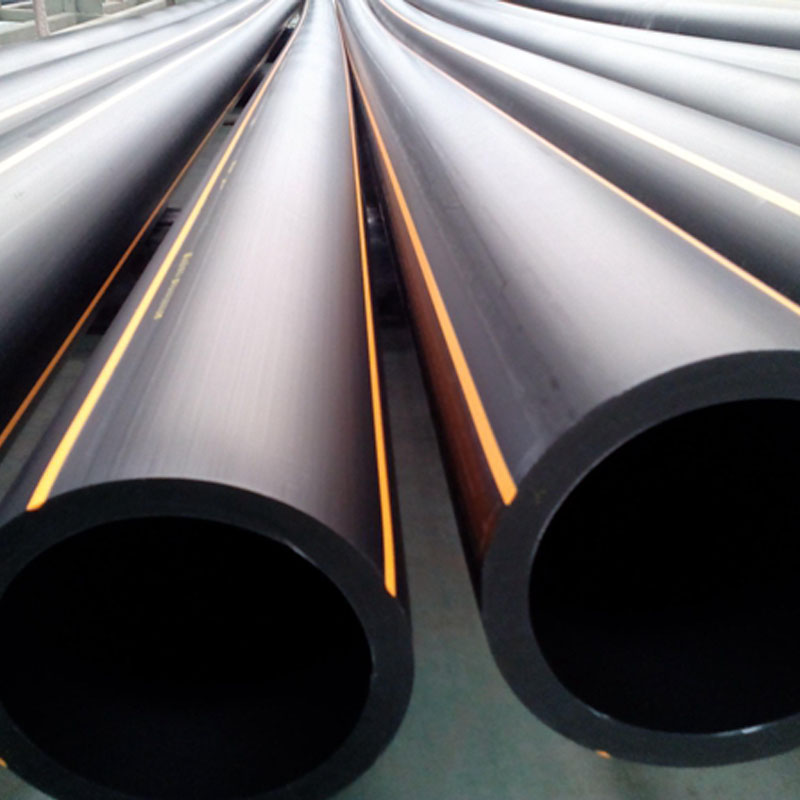
Polypropylene Random (PPR) pipe, specifically the 32mm service variant, represents a significant advancement in fluid conveyance systems. Positioned within the building services and infrastructure industry chain, PPR pipes serve as a crucial component for hot and cold water distribution, and increasingly, for industrial applications requiring corrosion resistance and thermal stability. This guide provides a comprehensive technical overview of 32mm PPR pipe, encompassing material science, manufacturing processes, performance characteristics, potential failure modes, and relevant industry standards. Core performance characteristics center around its pressure-bearing capacity, temperature resistance (up to 95°C intermittently), chemical inertness, and hygienic properties. A key industry pain point relates to ensuring long-term weld integrity and preventing issues stemming from improper installation techniques, leading to potential leaks and system failures. Another concern is maintaining consistent material quality to meet increasingly stringent regulatory requirements for potable water systems.
Material Science & Manufacturing
PPR pipe derives its properties from polypropylene random copolymer. The raw material is a thermoplastic polymer produced by the polymerization of propylene monomers. The 'random' designation signifies the random distribution of comonomers, primarily ethylene, within the polymer chain. This randomization disrupts the polymer’s crystallinity, resulting in enhanced impact resistance and flexibility compared to homopolymer polypropylene. Raw material quality, specifically molecular weight distribution and comonomer content, directly impacts the pipe’s performance.
Manufacturing of 32mm PPR pipe typically involves extrusion. Polypropylene granules are fed into an extruder, melted, and forced through a die that forms the pipe’s shape. Critical parameters include barrel temperature control (ranging from 190°C to 240°C depending on the specific PP grade), screw speed (optimizing shear rate for homogeneous melting), and die temperature (ensuring smooth and consistent extrusion). Subsequent cooling, sizing, and cutting operations complete the process. Socket fusion fittings are integral to PPR systems. These fittings, also made of PPR, are designed to create leak-proof joints when heated and fused with the pipe. The heating process involves a precisely controlled temperature (typically around 260°C) and pressure applied for a specific duration, facilitating the molecular diffusion of the pipe and fitting materials. Quality control throughout the manufacturing process, including hydrostatic pressure testing and impact resistance testing, is essential to ensure adherence to standards.
Performance & Engineering
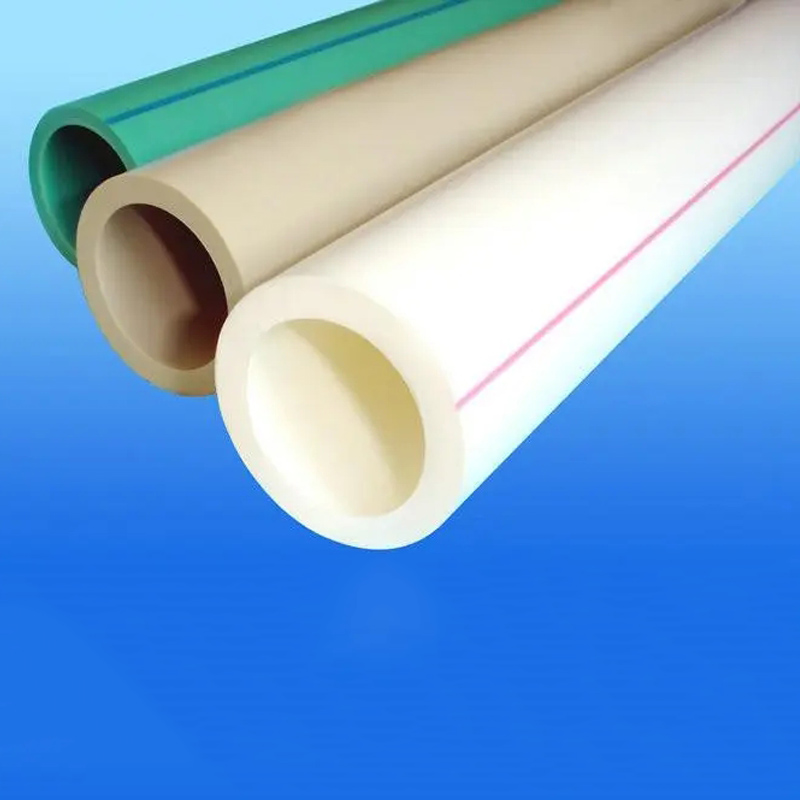
The performance of 32mm PPR pipe is dictated by its ability to withstand internal pressure, external loads, and thermal stresses. Force analysis centers on hoop stress, calculated using the Barlow formula: σ = (P D) / (2 t), where σ is hoop stress, P is internal pressure, D is pipe diameter, and t is wall thickness. The design pressure rating (PN) of PPR pipe, typically PN16 or PN20, corresponds to the maximum allowable internal pressure at a specified temperature. Long-term hydrostatic strength (LTHS) is a critical parameter determined through accelerated aging tests, ensuring the pipe maintains its pressure-bearing capacity over its intended service life. PPR exhibits relatively low thermal expansion, but expansion loops or appropriate support arrangements are necessary in long runs to accommodate thermal movements and prevent stress concentration. Environmental resistance is excellent; PPR is unaffected by most common chemicals found in potable water and domestic wastewater. However, prolonged exposure to strong oxidizing agents should be avoided. Compliance requirements are stringent, particularly for potable water applications, demanding adherence to regulations regarding material leachability and hygienic properties. The 32mm dimension is selected based on flow rate calculations, ensuring adequate water velocity and minimizing pressure drop for typical residential and commercial plumbing systems.
Technical Specifications
| Parameter | Unit | PN16 (Typical Value) | PN20 (Typical Value) |
|---|---|---|---|
| Outside Diameter | mm | 32.4 | 32.4 |
| Wall Thickness | mm | 2.3 | 2.8 |
| Pressure Rating | bar | 1.6 MPa | 2.0 MPa |
| Burst Pressure | bar | 5.6 | 7.0 |
| Maximum Operating Temperature | °C | 95 (Intermittent) | 95 (Intermittent) |
| Hydrostatic Stress Resistance (LTHS) | hours | 1000+ @ 20°C, 1.6MPa | 1000+ @ 20°C, 2.0MPa |
Failure Mode & Maintenance
Common failure modes in 32mm PPR pipe systems include weld defects (incomplete fusion, oxidation during welding), mechanical damage (impact during installation or backfilling), thermal fatigue (repeated expansion and contraction cycles), and slow crack growth (SCG) due to residual stresses and environmental factors. Weld defects are often visually identifiable as uneven beads or incomplete bonding. Non-destructive testing methods, such as ultrasonic testing, can detect internal weld flaws. Mechanical damage can cause cracks or complete rupture of the pipe. Thermal fatigue manifests as cracking around fittings or in areas of high stress concentration. SCG is a more insidious failure mechanism, initiating at stress raisers and propagating slowly over time, eventually leading to leaks. Preventive maintenance involves regular visual inspections for leaks or signs of damage, proper support and anchoring of the pipe to prevent undue stress, and adherence to recommended welding procedures. If a leak is detected, the affected section of pipe and fitting should be cut out and replaced using proper socket fusion techniques. Avoid using abrasive cleaning agents or solvents that can degrade the PPR material. Periodic hydrostatic testing can verify the integrity of the system, particularly in critical applications.
Industry FAQ
Q: What is the impact of water hammer on PPR pipe systems, and how can it be mitigated?
A: Water hammer, or hydraulic shock, is a significant concern. The sudden stoppage of flow creates a pressure surge that can exceed the pipe’s pressure rating, leading to joint separation or pipe rupture. Mitigation strategies include the installation of water hammer arrestors, slow-closing valves, and air chambers to absorb the shock. Properly sized pipe diameters and avoiding abrupt changes in flow direction also help reduce water hammer effects.
Q: How does the quality of the welding equipment affect the long-term performance of PPR joints?
A: The welding equipment’s temperature control accuracy and heating element consistency are critical. Inconsistent temperatures lead to under-welded or over-welded joints, compromising their strength and durability. Using calibrated, high-quality welding machines and regularly checking their performance is essential. Operator training is also crucial to ensure proper welding techniques are employed.
Q: Can PPR pipe be used for transporting compressed air?
A: Generally, PPR pipe is not recommended for compressed air applications. While it can withstand some pressure, the potential for permeation and the lack of specific certification for compressed air systems make it unsuitable. Compressed air requires materials with lower permeability and higher impact resistance, such as metal or specialized polymers.
Q: What is the effect of UV exposure on PPR pipe, and are there any protective measures?
A: Prolonged exposure to ultraviolet (UV) radiation can cause degradation of the PPR material, leading to embrittlement and reduced impact resistance. For outdoor applications or areas with significant UV exposure, it is recommended to use PPR pipe with UV stabilizers or to protect the pipe with opaque cladding or paint.
Q: How does the chemical composition of the water affect the lifespan of a PPR pipe system?
A: PPR is generally resistant to most chemicals commonly found in potable water. However, water with high levels of chlorine, certain industrial chemicals, or corrosive substances can accelerate degradation over time. Regularly monitoring water quality and considering alternative pipe materials for highly corrosive environments is advisable.
Conclusion
The 32mm PPR pipe represents a reliable and cost-effective solution for various fluid conveyance applications, particularly in potable water and heating systems. Its inherent corrosion resistance, thermal stability, and relatively ease of installation contribute to its widespread adoption. However, ensuring long-term performance requires meticulous attention to detail during manufacturing, installation, and maintenance.
Addressing the potential failure modes – weld defects, mechanical damage, thermal stresses, and SCG – through proper material selection, quality control, and adherence to best practices is paramount. Continued advancements in PPR formulations, including enhanced UV stabilizers and impact modifiers, will further broaden its application scope and enhance its durability in challenging environments.
-
DN25 HDPE Compression Fitting-HORON INTERNATIONAL|Reliable Irrigation Solutions
NewsFeb.11,2026
-
china long pvc pipe Performance Analysis
News2026-05-03
-
china plumbing kitchen sink water lines Performance Analysis
News2026-05-03
-
china hdpe drip irrigation Performance Analysis
News2026-05-03
-
china hot water ppr pipe Performance Analysis
News2026-05-03
-
china ppr plumbing Technical Analysis
News2026-05-03
-
china ppr pipe supplier Manufacturing Analysis
News2026-05-02
-
china 50mm ppr pipe Technical Analysis
News2026-05-02
-
china hdpe drip pipe Performance Analysis
News2026-05-02
-
china hdpe pipe 63mm price Performance Analysis
News2026-05-02
-
china hdpe pipe for potable water Performance Engineering
News2026-05-02
-
china pipe hdpe size Performance Analysis
News2026-05-01
-
china coupler for hdpe pipe Performance Analysis
News2026-05-01
-
china hdpe pipe coupler price Performance Analysis
News2026-05-01
-
china 1 ppr pipe Performance Analysis
News2026-05-01
-
china wet pipes under sink Performance Analysis
News2026-05-01