

Feb . 11, 2026 00:01 Back to list
ppr pipe 32mm manufacturer Performance Analysis
Introduction
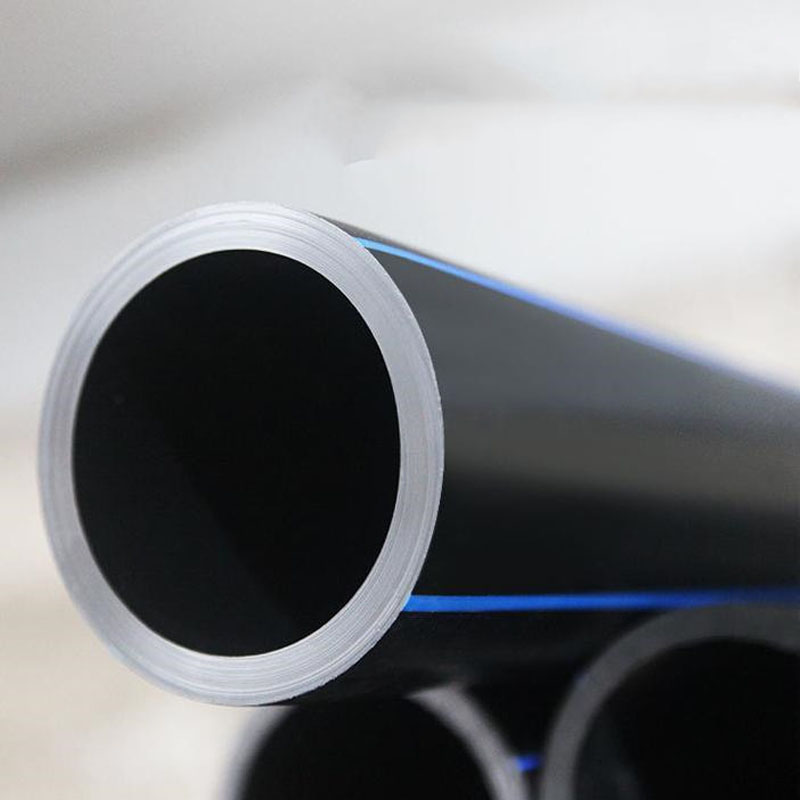
Polypropylene Random Copolymer (PPR) pipe, specifically the 32mm variant, represents a significant advancement in fluid conveyance systems for potable water, heating, and industrial applications. Its position within the industrial chain is as a critical component in building infrastructure, plumbing networks, and process piping. PPR’s core performance characteristics center around its high chemical resistance, thermal stability, and long-term durability. Unlike traditional metal piping, PPR is inherently corrosion-resistant, mitigating the risk of water contamination and ensuring extended service life. This guide provides a comprehensive technical overview of 32mm PPR pipe, covering its material science, manufacturing processes, performance parameters, potential failure modes, and relevant industry standards. A key pain point in the industry revolves around ensuring consistent material quality and adherence to rigorous pressure and temperature ratings, particularly in demanding industrial environments. Furthermore, understanding long-term creep resistance and the effects of prolonged exposure to aggressive chemicals are paramount for reliable system design.
Material Science & Manufacturing
PPR pipe is produced from polypropylene random copolymer, a thermoplastic polymer created through the polymerization of propylene with ethylene. This random copolymerization imparts enhanced flexibility and impact resistance compared to homopolymer polypropylene. The raw material’s key physical properties include a density of approximately 0.905 g/cm³, a glass transition temperature (Tg) of around -10°C, and a melting point typically between 130°C and 170°C depending on the specific formulation. Chemical compatibility is excellent with many common fluids, including water, dilute acids, and alkalis; however, it’s susceptible to degradation by strong oxidizing agents and some organic solvents.
Manufacturing of 32mm PPR pipe typically involves extrusion. Polypropylene granules are fed into an extruder, melted, and forced through a die to create a seamless pipe. Critical parameters during extrusion include maintaining precise temperature control (die temperature typically 190-220°C) to ensure consistent wall thickness and prevent degradation. Cooling is achieved through water baths, and the pipe is then cut to length. Socket fusion, electrofusion, and mechanical fittings are commonly used for joining PPR pipes. Socket fusion involves heating both the pipe and fitting before joining, creating a homogenous weld. Electrofusion utilizes an electrical current to melt and fuse the pipe and fitting. Quality control during manufacturing encompasses dimensional accuracy (diameter, wall thickness), hydrostatic pressure testing, and impact resistance testing. Deviation from optimal extrusion temperatures can lead to variations in crystallinity, affecting long-term mechanical properties. Maintaining a consistent melt flow index (MFI) of the polypropylene is also critical for predictable processing and final product performance.
Performance & Engineering
The performance of 32mm PPR pipe is governed by several engineering considerations. Hydrostatic strength, the ability to withstand internal pressure without rupture, is a primary concern. This is determined by the pipe’s dimensions (diameter and wall thickness) and the material’s yield strength. Force analysis considers both short-term burst pressure and long-term hydrostatic stress. Creep resistance, the tendency of the material to deform over time under sustained stress, is particularly important for hot water applications. The Schifflers equation is often employed to predict creep behavior. Environmental resistance, specifically UV degradation, necessitates the use of UV stabilizers in the polypropylene formulation for outdoor applications. Furthermore, temperature cycling can induce thermal stresses, leading to fatigue cracking.
Compliance requirements dictate that PPR pipe must meet relevant standards for potable water safety (ensuring no leaching of harmful substances), pressure ratings (PN10, PN16, PN20 commonly used designations), and fire resistance (classified according to EN 13501-1). The design of piping systems must account for thermal expansion and contraction, utilizing expansion joints or flexible connections to prevent stress build-up. Chemical resistance charts should be consulted to verify compatibility with the intended fluid being conveyed. The long-term performance is affected by the chlorine content in the water supply and exposure to certain cleaning agents. A key industry pain point is ensuring that installation practices adhere to manufacturer recommendations to maintain the integrity of the fused joints.
Technical Specifications
| Parameter | Unit | PN10 (Typical) | PN16 (Typical) |
|---|---|---|---|
| Nominal Diameter | mm | 32 | 32 |
| Wall Thickness | mm | 2.3 | 3.5 |
| Hydrostatic Pressure (20°C) | Bar | 1.0 MPa | 1.6 MPa |
| Burst Pressure (20°C) | Bar | 3.0 MPa | 4.8 MPa |
| Maximum Operating Temperature | °C | 60 | 70 |
| Melt Flow Index (MFI) | g/10min | 2.0 - 3.5 | 2.0 - 3.5 |
Failure Mode & Maintenance
Common failure modes in 32mm PPR pipe include fatigue cracking at the weld joints, particularly due to improper fusion or excessive stress. This can manifest as slow crack propagation over time. Delamination can occur if the weld is not fully homogenous, creating a weak point susceptible to failure. Chemical degradation, though less common, can occur with prolonged exposure to aggressive chemicals, leading to embrittlement and cracking. Oxidation can also affect the long-term performance, particularly at elevated temperatures. Impact damage, resulting from accidental strikes, can cause localized cracking or rupture. Another significant failure mode is creep rupture, especially in hot water systems where sustained stress over extended periods weakens the material.
Preventative maintenance involves periodic visual inspections of the piping system, focusing on weld joints for signs of cracking or leakage. Hydrostatic testing can be performed to verify the integrity of the system. Water quality monitoring is crucial to prevent corrosion or chemical attack. In the event of a leak, the damaged section of pipe should be cut out and replaced with a new section, using appropriate fusion techniques. Proper support and anchoring of the piping system are essential to minimize stress on the joints. Avoid excessive bending radii during installation. Regular flushing of the system can help remove sediment buildup, which can contribute to erosion and corrosion. When dealing with high-temperature applications, ensure adequate insulation to reduce thermal stress and maintain operating temperatures within the specified limits.
Industry FAQ
Q: What is the long-term creep resistance of 32mm PPR pipe, and how does it compare to metal piping?
A: Creep resistance in PPR pipe is dependent on temperature and sustained stress. While metal piping generally exhibits superior creep resistance at higher temperatures, 32mm PPR pipe with a PN16 or PN20 rating demonstrates acceptable creep performance for typical hot water applications (up to 70°C) over a service life of 50 years, provided the system is properly designed and supported. However, exceeding these temperature limits significantly reduces creep resistance and can lead to premature failure. Creep testing according to ISO 1167 is critical for validating long-term performance.
Q: How does the chemical compatibility of PPR pipe affect its suitability for industrial applications?
A: PPR pipe exhibits excellent resistance to many common industrial chemicals, including dilute acids and alkalis. However, it’s susceptible to degradation by strong oxidizing agents, chlorinated solvents, and certain aromatic hydrocarbons. Before using PPR pipe in an industrial application, a thorough chemical compatibility assessment must be conducted to ensure the material is suitable for the specific fluids being conveyed. Reference charts detailing chemical resistance are available from PPR pipe manufacturers.
Q: What are the critical factors to consider during socket fusion welding to ensure a reliable joint?
A: Maintaining precise temperature and heating times are critical for successful socket fusion. The heating tool must be clean and calibrated. The pipe and fitting should be heated evenly and simultaneously, avoiding overheating or underheating. After heating, the pipe and fitting must be immediately joined with sufficient pressure to ensure a homogenous weld. Proper alignment is also essential. Visual inspection of the weld bead should reveal a consistent, uniform profile without any voids or inconsistencies.
Q: What is the impact of UV exposure on the long-term performance of outdoor PPR piping systems?
A: Prolonged UV exposure can cause degradation of PPR pipe, leading to embrittlement and cracking. To mitigate this, PPR pipe intended for outdoor use should be formulated with UV stabilizers and, ideally, protected from direct sunlight with opaque coverings or coatings. Regular inspection of exposed piping is recommended to identify any signs of UV degradation.
Q: What quality control measures are typically employed during the manufacturing of 32mm PPR pipe to ensure compliance with industry standards?
A: Manufacturers employ several quality control measures, including dimensional accuracy checks (diameter, wall thickness), hydrostatic pressure testing at varying temperatures, impact resistance testing (Charpy or Izod), and melt flow index (MFI) testing to verify material consistency. They also conduct batch testing to confirm compliance with relevant standards like DIN 8077 and EN ISO 15876.
Conclusion
32mm PPR pipe represents a robust and cost-effective solution for a wide range of fluid conveyance applications. Its inherent corrosion resistance, coupled with its ease of installation via fusion welding, makes it a compelling alternative to traditional metal piping systems. However, ensuring long-term performance necessitates careful consideration of material selection, proper installation techniques, and adherence to relevant industry standards. Understanding the potential failure modes and implementing preventative maintenance strategies are crucial for maximizing the service life and reliability of PPR piping systems.
Future development in PPR technology is likely to focus on enhancing UV resistance, improving creep performance at elevated temperatures, and developing more sophisticated welding techniques to ensure consistently high-quality joints. The adoption of advanced monitoring systems, such as embedded sensors, could provide real-time data on pipe stress and temperature, enabling predictive maintenance and preventing catastrophic failures. Continued adherence to rigorous quality control standards and ongoing research into new polymer formulations will be essential for maintaining the integrity and expanding the applications of 32mm PPR pipe.
-
DN25 HDPE Compression Fitting-HORON INTERNATIONAL|Reliable Irrigation Solutions
NewsFeb.11,2026
-
china long pvc pipe Performance Analysis
News2026-05-03
-
china plumbing kitchen sink water lines Performance Analysis
News2026-05-03
-
china hdpe drip irrigation Performance Analysis
News2026-05-03
-
china hot water ppr pipe Performance Analysis
News2026-05-03
-
china ppr plumbing Technical Analysis
News2026-05-03
-
china ppr pipe supplier Manufacturing Analysis
News2026-05-02
-
china 50mm ppr pipe Technical Analysis
News2026-05-02
-
china hdpe drip pipe Performance Analysis
News2026-05-02
-
china hdpe pipe 63mm price Performance Analysis
News2026-05-02
-
china hdpe pipe for potable water Performance Engineering
News2026-05-02
-
china pipe hdpe size Performance Analysis
News2026-05-01
-
china coupler for hdpe pipe Performance Analysis
News2026-05-01
-
china hdpe pipe coupler price Performance Analysis
News2026-05-01
-
china 1 ppr pipe Performance Analysis
News2026-05-01
-
china wet pipes under sink Performance Analysis
News2026-05-01