

Feb . 11, 2026 00:01 Back to list
ppr pipe 32mm factory Performance Analysis
Introduction
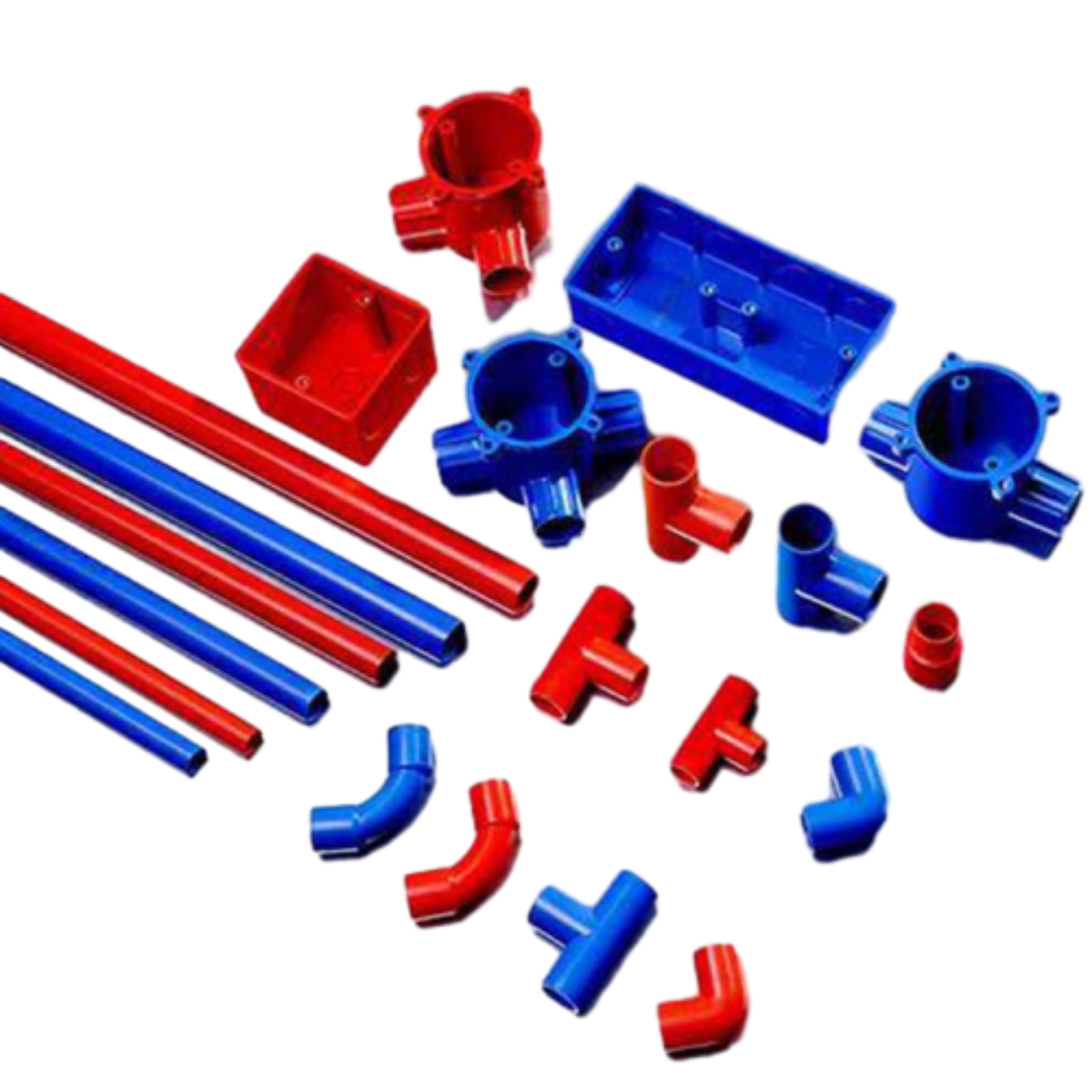
Polypropylene Random (PPR) pipe, specifically the 32mm variant produced by dedicated factories, represents a significant advancement in fluid transport systems across numerous industries. PPR pipe utilizes a thermoplastic material – polypropylene – with a random copolymer structure, imparting enhanced strength, temperature resistance, and chemical inertness compared to standard polypropylene. Within the broader plumbing and industrial piping landscape, PPR pipe 32mm occupies a critical niche for applications demanding reliable, corrosion-free conveyance of potable water, industrial fluids, and heating/cooling systems. Its relatively lightweight nature, coupled with the efficiency of socket fusion joining methods, contributes to reduced installation costs and overall project timelines. This guide provides a comprehensive technical overview of PPR pipe 32mm, encompassing material science, manufacturing processes, performance characteristics, failure modes, and relevant industry standards. The growing demand for PPR pipe stems from increasing restrictions on metallic piping due to corrosion concerns and the need for sustainable, long-lasting infrastructure solutions. Key performance indicators include hydrostatic pressure resistance, temperature creep resistance, and compliance with drinking water regulations.
Material Science & Manufacturing
PPR pipe 32mm is fundamentally derived from polypropylene homopolymer and random copolymer resins. The random copolymerization introduces ethylenic units into the polypropylene chain, disrupting the polymer's crystallinity. This results in improved impact resistance, particularly at lower temperatures, and enhances weldability via socket fusion. Raw material selection is paramount; resin grade must meet stringent quality control benchmarks regarding melt flow index (MFI), density, and molecular weight distribution. The manufacturing process begins with the extrusion of the PPR compound. The compound, consisting of polypropylene resin, stabilizers (typically antioxidants and UV stabilizers to prevent degradation), and potentially colorants, is fed into a single-screw extruder. Critical parameters during extrusion include barrel temperature profile (typically ranging from 190°C to 240°C, varying across zones), screw speed, and die pressure. Precise control of these parameters is essential to achieve dimensional accuracy and uniform material properties. Following extrusion, the pipe is cooled using water tanks, ensuring controlled solidification to minimize internal stresses. Subsequent cutting and beveling operations prepare the pipe for socket fusion joining. Quality control checks at each stage include dimensional measurements, hydrostatic pressure testing (as per ISO 15874-1), and impact resistance testing. The chemical compatibility of PPR with various fluids is a key consideration; while highly resistant to many chemicals, it is susceptible to degradation by strong oxidizing agents and some hydrocarbons.
Performance & Engineering
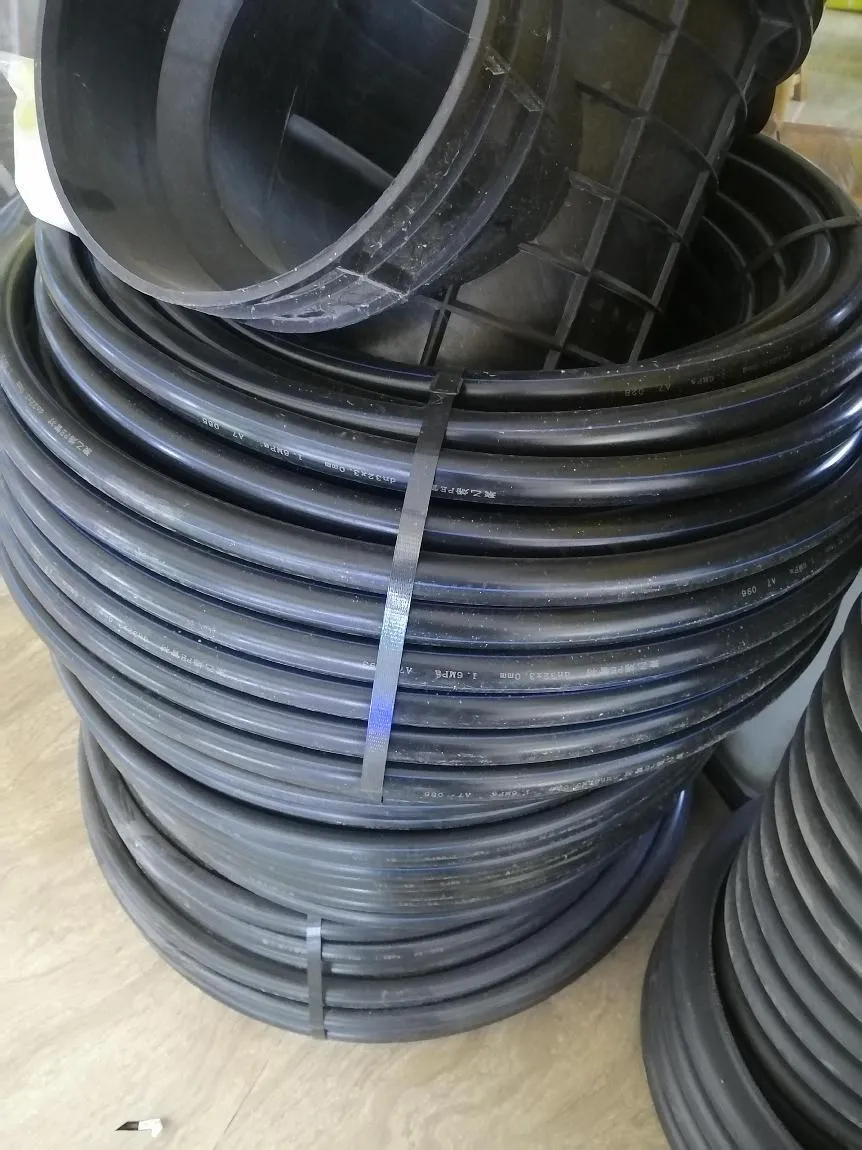
The performance of PPR pipe 32mm is governed by several key engineering principles. Hydrostatic pressure resistance is determined by the pipe's wall thickness and material strength, adhering to the hoop stress equation (σ = PD/2t, where σ is hoop stress, P is internal pressure, D is pipe diameter, and t is wall thickness). Long-term hydrostatic strength is further affected by creep, the tendency of the material to deform under sustained pressure. Temperature significantly impacts creep behavior; higher temperatures accelerate creep rates. PPR exhibits excellent resistance to thermal expansion and contraction, minimizing stress on joints. Force analysis during installation necessitates consideration of bending moments during handling and support spacing to prevent excessive stress concentrations. Environmental resistance is crucial; while PPR is generally unaffected by most soil conditions, prolonged exposure to direct UV radiation can lead to embrittlement. Therefore, UV stabilizers are incorporated into the compound and/or protective measures, such as burying the pipe or using UV-resistant coatings, are implemented. Compliance with drinking water regulations (e.g., NSF/ANSI 61) is essential, ensuring that the pipe does not leach harmful substances into the water supply. The pipe’s resistance to water hammer (pressure surges) is also critical, necessitating the use of appropriate pressure relief valves and expansion joints in the system design.
Technical Specifications
| Parameter | Unit | Specification (Typical) | Test Standard |
|---|---|---|---|
| Nominal Diameter | mm | 32 | ISO 15874-1 |
| Wall Thickness | mm | 2.3 - 4.2 (S2, S3.2, S4.2) | ISO 15874-1 |
| Hydrostatic Pressure (PN) | bar | PN10, PN16, PN20 | ISO 15874-2 |
| Operating Temperature | °C | -40 to +95 | ISO 15874-1 |
| Tensile Strength | MPa | >20 | ISO 527-2 |
| Elongation at Break | % | >300 | ISO 527-2 |
Failure Mode & Maintenance
PPR pipe 32mm, while durable, is susceptible to several failure modes. Fatigue cracking can occur under cyclic pressure loading, particularly at joints, due to stress concentration. This is exacerbated by improper installation techniques, such as insufficient socket fusion welding temperature or inadequate weld penetration. Delamination can occur if the pipe material is contaminated during manufacturing or if improper welding parameters are used, creating a weak bond between layers. Chemical attack, while rare, can occur with exposure to incompatible fluids, leading to material degradation and potential leakage. Oxidation, especially at elevated temperatures and in the presence of oxygen, can reduce the pipe's mechanical properties over time. UV degradation can cause embrittlement and cracking, particularly in exposed sections. Maintenance primarily focuses on preventative measures. Regular visual inspections should be conducted to identify any signs of cracking, discoloration, or deformation. Joints should be inspected for leaks. Proper backfilling and support are crucial to prevent excessive stress on the pipe. In the event of a leak, the affected section should be cut out and replaced with a new section using proper socket fusion welding techniques. Avoid the use of abrasive cleaning agents, as they can damage the pipe surface. Periodic pressure testing can verify the integrity of the system.
Industry FAQ
Q: What is the impact of varying water hardness on the long-term performance of PPR pipes?
A: High water hardness, characterized by elevated calcium and magnesium concentrations, can lead to the formation of scale deposits within the PPR pipe. While PPR itself is resistant to these minerals, scale buildup reduces the effective flow area and increases pressure drop. Over extended periods, substantial scale accumulation can contribute to localized stress and potentially accelerate corrosion of any metallic fittings within the system. Regular flushing and, in severe cases, chemical descaling may be necessary to mitigate this effect.
Q: Can PPR pipe 32mm be used in direct burial applications without external protection?
A: While PPR is inherently resistant to many soil chemicals, direct burial without external protection is generally not recommended, especially in areas with aggressive soil conditions (e.g., high sulfate content, acidic pH). The pipe may be susceptible to mechanical damage from rocks or other debris during backfilling, and prolonged exposure to UV radiation (even through shallow burial) can lead to embrittlement. A protective sleeve or adequate bedding material is advisable.
Q: What are the critical socket fusion welding parameters for ensuring a reliable joint on 32mm PPR pipe?
A: Critical parameters include heating tool temperature (typically 260-280°C), heating time (based on pipe diameter and wall thickness – typically 6-12 seconds for 32mm pipe), fusion pressure (sufficient to create a uniform weld bead), and cooling time (allowing the weld to solidify without disturbance). Precise adherence to the manufacturer’s recommendations for the specific socket fusion equipment is essential. Improper welding parameters result in weak joints prone to failure.
Q: How does PPR pipe compare to CPVC in terms of temperature resistance and chemical compatibility?
A: CPVC (Chlorinated Polyvinyl Chloride) generally exhibits higher temperature resistance than PPR, capable of handling temperatures up to approximately 100°C continuously, compared to PPR’s 95°C. CPVC also offers superior resistance to certain oxidizing agents and chlorinated solvents that can degrade PPR. However, PPR typically has better impact resistance, especially at lower temperatures, and is considered more environmentally friendly due to the absence of chlorine in its composition. The best material choice depends on the specific application requirements.
Q: What is the expected service life of a properly installed PPR pipe 32mm system?
A: A properly installed and maintained PPR pipe 32mm system can realistically be expected to have a service life of 50 years or more. This is contingent upon adherence to recommended operating temperatures and pressures, proper installation techniques (especially socket fusion welding), protection from UV exposure, and avoidance of incompatible fluids. Regular inspections and preventative maintenance will further extend the system's lifespan.
Conclusion
PPR pipe 32mm represents a robust and reliable solution for fluid conveyance in a wide range of applications. Its combination of inherent material properties – corrosion resistance, temperature stability, and weldability – coupled with efficient manufacturing processes, positions it as a compelling alternative to traditional metallic piping systems. A thorough understanding of the material science, engineering principles, and potential failure modes is crucial for ensuring optimal system performance and longevity.
Moving forward, advancements in PPR resin formulations, specifically those incorporating enhanced UV stabilizers and impact modifiers, will further broaden the application scope of this material. Continued emphasis on rigorous quality control during manufacturing, coupled with adherence to industry standards and best practices for installation and maintenance, will solidify PPR pipe’s position as a cornerstone of modern fluid transport infrastructure.
-
DN25 HDPE Compression Fitting-HORON INTERNATIONAL|Reliable Irrigation Solutions
NewsFeb.11,2026
-
china long pvc pipe Performance Analysis
News2026-05-03
-
china plumbing kitchen sink water lines Performance Analysis
News2026-05-03
-
china hdpe drip irrigation Performance Analysis
News2026-05-03
-
china hot water ppr pipe Performance Analysis
News2026-05-03
-
china ppr plumbing Technical Analysis
News2026-05-03
-
china ppr pipe supplier Manufacturing Analysis
News2026-05-02
-
china 50mm ppr pipe Technical Analysis
News2026-05-02
-
china hdpe drip pipe Performance Analysis
News2026-05-02
-
china hdpe pipe 63mm price Performance Analysis
News2026-05-02
-
china hdpe pipe for potable water Performance Engineering
News2026-05-02
-
china pipe hdpe size Performance Analysis
News2026-05-01
-
china coupler for hdpe pipe Performance Analysis
News2026-05-01
-
china hdpe pipe coupler price Performance Analysis
News2026-05-01
-
china 1 ppr pipe Performance Analysis
News2026-05-01
-
china wet pipes under sink Performance Analysis
News2026-05-01