

Feb . 11, 2026 00:01 Back to list
ppr pipe 20mm price service Performance Analysis
Introduction
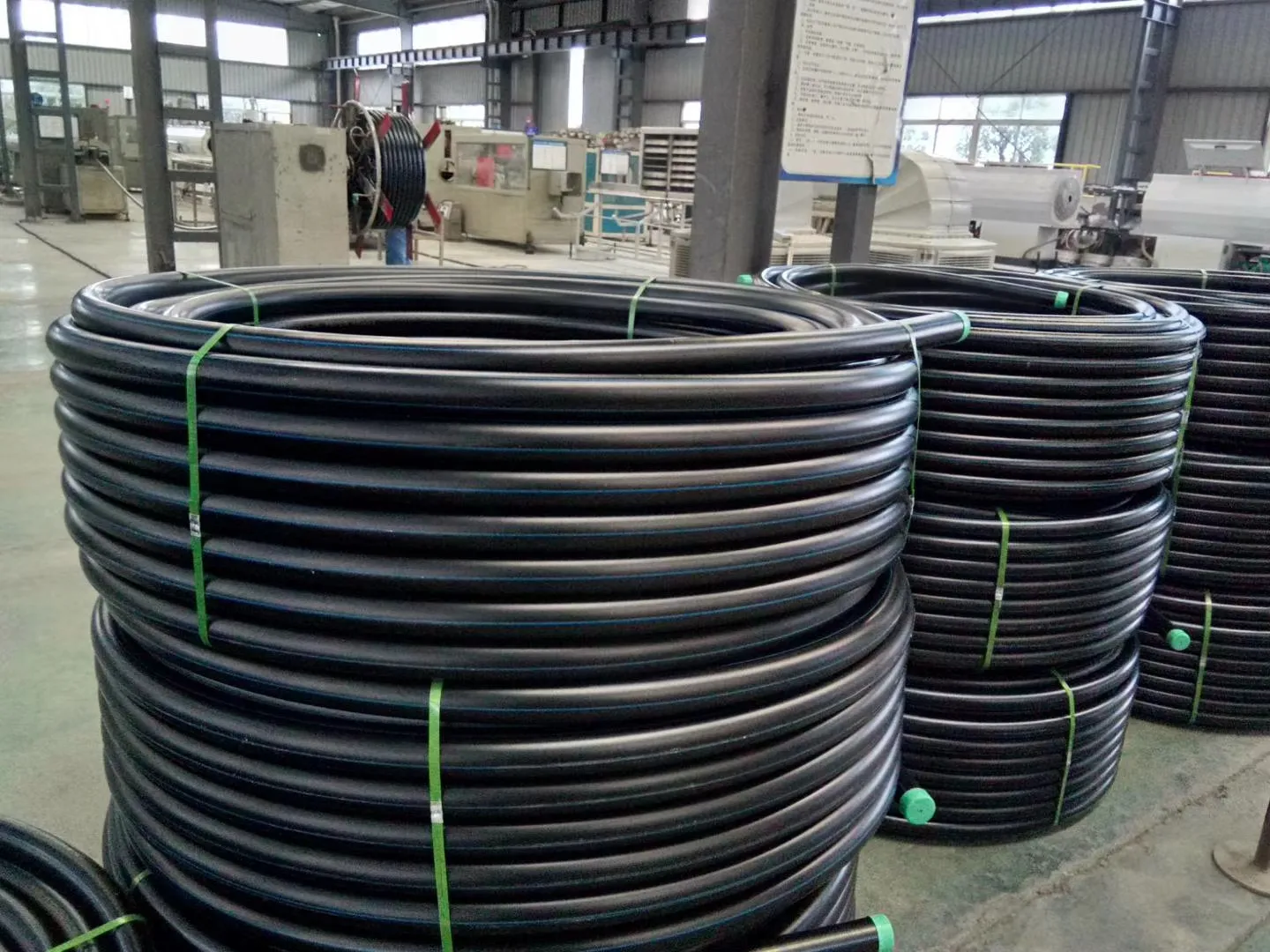
Polypropylene Random (PPR) pipe, specifically the 20mm variant, represents a significant advancement in fluid conveyance systems within building infrastructure, industrial applications, and agricultural irrigation. Its position within the industry chain is as a direct replacement for traditional metallic piping – galvanized steel, cast iron, and copper – offering benefits in terms of cost-effectiveness, corrosion resistance, and ease of installation. The 20mm diameter is a common size used for residential hot and cold water distribution, radiant heating systems, and various non-potable water applications. Core performance characteristics center around its pressure rating (PN), temperature resistance, and long-term hydrostatic strength. A key aspect of “PPR pipe 20mm price service” is not solely the initial cost, but the total lifecycle cost considering installation, maintenance, and longevity. Understanding the material properties, manufacturing processes, and potential failure modes is crucial for optimal system design and performance.
Material Science & Manufacturing
PPR pipe is manufactured from polypropylene random copolymer, a thermoplastic polymer produced via the polymerization of propylene. The "random" designation refers to the random distribution of comonomers, typically ethylene, within the polymer chain. This randomization disrupts the polymer’s crystallinity, resulting in enhanced impact resistance and flexibility compared to homopolymer polypropylene. Raw material properties critical to pipe performance include melt flow index (MFI), which dictates processability; density, influencing mechanical strength; and molecular weight distribution, impacting long-term creep resistance. The manufacturing process typically involves extrusion. Polypropylene granules are fed into an extruder where they are heated, melted, and forced through a die to form the pipe shape. Key parameters controlling extrusion quality include melt temperature (190-230°C), die pressure (dependent on pipe diameter and material), and cooling rate. Proper cooling is essential to prevent deformation and ensure dimensional accuracy. Socket fusion or electrofusion welding are commonly employed joining methods. Socket fusion utilizes a heating tool to melt both the pipe and fitting simultaneously, creating a homogenous weld. Electrofusion utilizes an electrical current to heat a pre-formed welding sleeve within the fitting, again creating a molecular bond. Parameter control during welding – heating time, heating temperature, and cooling time – is critical for weld integrity.
Performance & Engineering
The performance of PPR pipe is governed by several engineering principles. Hydrostatic strength, the ability to withstand internal pressure without failure, is a primary concern. This is determined by the pipe wall thickness, material properties (specifically yield strength and elongation at break), and operating temperature. PPR pipe is typically rated to withstand pressures up to PN20 (2.0 MPa or ~290 psi) at 20°C, and PN16 (1.6 MPa or ~232 psi) at higher temperatures. Creep, the tendency of a material to deform slowly under sustained stress, is a critical consideration for long-term performance. Elevated temperatures accelerate creep. Thermal expansion and contraction are also significant factors. PPR has a relatively high coefficient of thermal expansion (~0.15 mm/m°C), requiring expansion loops or flexible connections to accommodate temperature fluctuations and prevent stress cracking. Chemical resistance is excellent for most common waterborne substances, but prolonged exposure to strong oxidizers or aromatic hydrocarbons should be avoided. Compliance requirements dictate that PPR pipe used for potable water must meet standards regarding leachables and extractables to ensure water quality. This often necessitates the use of stabilized formulations and adherence to regulations such as NSF/ANSI 61 in North America and WRAS in the UK. Force analysis during installation must account for bending radii; exceeding the minimum bending radius can cause kinking and reduce flow capacity.
Technical Specifications
| Parameter | Unit | 20mm PPR Pipe (Typical Value) | Testing Standard |
|---|---|---|---|
| Outer Diameter | mm | 21.5 | ISO 15876 |
| Wall Thickness | mm | 2.3 | ISO 15876 |
| Pressure Rating (PN) | MPa | 2.0 (PN20) | ISO 15876 |
| Maximum Operating Temperature | °C | 95 | DIN 19569 |
| Tensile Strength | MPa | >20 | ISO 527-2 |
| Elongation at Break | % | >300 | ISO 527-2 |
| Water Absorption (24hr) | % | <0.1 | ISO 62 |
Failure Mode & Maintenance
PPR pipe, while durable, is susceptible to several failure modes. Slow Crack Growth (SCG) is a common issue, particularly in systems exposed to sustained stress, residual stresses from installation, and certain chemical environments. SCG initiates at surface flaws and propagates slowly over time, leading to brittle failure. Oxidation, particularly at elevated temperatures, can degrade the polymer matrix, reducing its mechanical properties. UV degradation can also occur in exposed applications, leading to surface chalking and embrittlement. Fatigue cracking can occur due to repeated pressure cycling or mechanical vibration. Improper welding is a significant cause of failure. Insufficient heating, excessive cooling, or contamination during welding can result in weak or porous welds. Delamination can occur if the layers within the pipe wall separate due to poor bonding during manufacturing or thermal stress. Maintenance typically involves visual inspection for leaks, cracks, and deformation. Periodic pressure testing can identify areas of weakness. If a leak is detected, the affected section should be cut out and replaced using appropriate welding techniques. Preventative maintenance includes ensuring proper support for the piping system to minimize stress and avoiding exposure to harsh chemicals or excessive temperatures. Regular flushing of the system can prevent the buildup of sediment that could contribute to corrosion or erosion.
Industry FAQ
Q: What is the long-term impact of chlorine exposure on PPR pipe used in potable water systems?
A: While PPR exhibits good chemical resistance to chlorine at typical concentrations found in potable water, prolonged and excessive chlorine exposure can lead to gradual degradation of the polymer, potentially causing embrittlement and reducing the pipe's lifespan. Stabilizers are often added to the PPR formulation to mitigate this effect, but it is still advisable to maintain chlorine levels within recommended guidelines and to consider alternative materials for applications with exceptionally high chlorine concentrations.
Q: How does the choice of welding method (socket fusion vs. electrofusion) affect the long-term joint reliability?
A: Electrofusion generally provides a stronger and more reliable weld compared to socket fusion, especially for larger diameter pipes. Electrofusion offers more precise control over the welding process and creates a more homogenous weld bead. However, electrofusion requires specialized equipment and is typically more expensive. Socket fusion is suitable for smaller diameters and simpler applications, but requires careful adherence to welding parameters to ensure adequate weld strength.
Q: What are the considerations for mitigating thermal expansion and contraction in long runs of PPR pipe?
A: Long runs of PPR pipe require careful consideration of thermal expansion and contraction. Expansion loops should be incorporated at regular intervals to absorb dimensional changes without inducing stress on the pipe or joints. Alternatively, flexible couplings can be used to accommodate movement. Proper anchoring and support are also crucial to prevent buckling or sagging due to thermal effects.
Q: How does the quality of the PPR material from different manufacturers compare, and what are the key indicators of a high-quality product?
A: The quality of PPR material can vary significantly between manufacturers. Key indicators of a high-quality product include a consistent melt flow index (MFI), a narrow molecular weight distribution, and the presence of adequate UV and thermal stabilizers. Certification to relevant standards (e.g., ISO 15876, DIN 19569) provides assurance of quality and performance. Reputable manufacturers will also provide detailed technical data sheets and support for their products.
Q: What is the impact of water hammer on PPR piping systems, and what measures can be taken to protect against it?
A: Water hammer, the pressure surge caused by the sudden stopping of fluid flow, can significantly stress PPR piping systems, potentially leading to joint failure or pipe rupture. To mitigate water hammer, pressure reducing valves (PRVs) should be installed to limit maximum water pressure. Additionally, slow-closing valves and air chambers can be incorporated to absorb pressure surges. Proper pipe support is also essential to prevent movement and stress during water hammer events.
Conclusion
PPR pipe 20mm represents a reliable and cost-effective solution for a wide range of fluid conveyance applications. Its inherent corrosion resistance, ease of installation, and favorable thermal properties offer significant advantages over traditional metallic piping. However, understanding the material’s limitations – susceptibility to SCG, UV degradation, and the importance of proper welding – is crucial for ensuring long-term performance and preventing premature failure.
The “price service” associated with PPR pipe extends beyond the initial material cost and encompasses the value of lifecycle durability, reduced maintenance requirements, and minimized risk of costly failures. Adherence to established industry standards, proper installation techniques, and consideration of environmental factors are paramount to maximizing the benefits of this versatile piping material. Future developments may focus on enhancing PPR formulations with improved stabilizers and reinforcing agents to further extend its service life and broaden its application range.
-
DN25 HDPE Compression Fitting-HORON INTERNATIONAL|Reliable Irrigation Solutions
NewsFeb.11,2026
-
china 15mm ppr pipe Performance Analysis
News2026-05-16
-
china dual wall corrugated drain pipe Performance Analysis
News2026-05-16
-
china hdpe to pvc transition coupling Performance Analysis
News2026-05-16
-
china dn25 hdpe fittings fast connect couplings for irrigation Performance Analysis
News2026-05-16
-
china 4 double wall corrugated pipe Performance Analysis
News2026-05-16
-
china corrugated pipe double wall Manufacturing Analysis
News2026-05-15
-
china ppr ct pipe Technical Analysis
News2026-05-15
-
china 32mm ppr Performance Analysis
News2026-05-15
-
china 63mm ppr pipe price Performance Analysis
News2026-05-15
-
china 1 ppr pipe price Performance Analysis
News2026-05-15
-
china 32mm ppr pipe price Performance Analysis
News2026-05-14
-
china hdpe pipe for sale Performance Analysis
News2026-05-14
-
china ppr pipe 32mm Performance Analysis
News2026-05-14
-
china pvc pipes Manufacturing and Performance Analysis
News2026-05-14
-
china hdpe n 12 corrugated dual wall pipe Performance Analysis
News2026-05-14