

Feb . 11, 2026 00:01 Back to list
ppr pipe 20mm price manufacturers Performance Analysis
Introduction
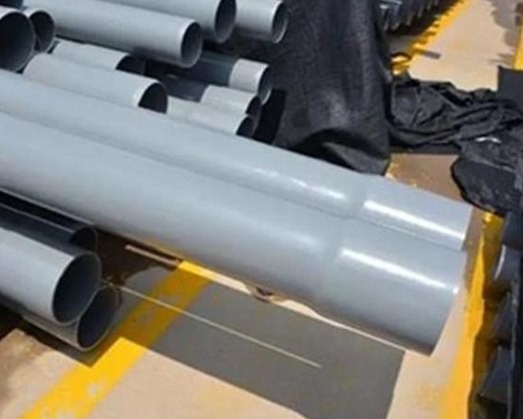
Polypropylene Random (PPR) pipe, specifically the 20mm variant, represents a significant advancement in fluid transport systems across numerous industries. Manufacturers specializing in PPR pipe 20mm price provide a crucial component for potable water distribution, industrial fluid handling, and heating/cooling applications. Its position within the supply chain is as a finished or semi-finished product, directly replacing traditional metallic piping in many contexts. Core performance characteristics center around its chemical resistance, thermal stability, and pressure handling capabilities, offering a cost-effective and durable alternative to materials like copper, galvanized steel, and CPVC. The industry’s current pain points revolve around maintaining consistent material quality amidst fluctuating polypropylene prices, ensuring long-term hydrostatic strength under varying operating conditions, and achieving full compliance with increasingly stringent international standards for potable water safety. Price sensitivity is also a major driver, requiring manufacturers to optimize production processes and material usage without compromising performance.
Material Science & Manufacturing
PPR pipe derives its properties from polypropylene random copolymer. The ‘random’ designation refers to the random distribution of comonomers, typically ethylene, within the polypropylene chain. This randomization disrupts the polymer’s crystallinity, resulting in increased flexibility, impact resistance, and improved weldability compared to homopolymer polypropylene. Raw material selection critically impacts final product performance. Polypropylene resin must meet specific melt flow index (MFI) requirements for optimal extrusion. Additives such as stabilizers (typically phenolic and phosphite-based) are incorporated to protect against UV degradation and thermal oxidation during processing and service. Pigments, usually carbon black or titanium dioxide, provide opacity and UV protection.
Manufacturing primarily involves extrusion. Polypropylene granules are fed into an extruder, where they are melted and homogenized. The molten polymer is then forced through a die, forming the pipe’s shape. Key parameters during extrusion include temperature control (barrel, die, and melt temperature), screw speed, and haul-off speed. Precise temperature control is vital to prevent degradation and ensure consistent wall thickness. The 20mm dimension requires accurate die design and calibration to maintain tight tolerances. Following extrusion, pipes are typically cooled in a water bath, printed with markings (manufacturer, size, standards compliance), and cut to length. Socket fusion and electrofusion welding are the primary joining methods, requiring precise temperature and pressure control during the welding process. Quality control throughout the manufacturing process includes regular testing of MFI, hydrostatic pressure, and impact resistance according to relevant standards.
Performance & Engineering
PPR pipe's performance is governed by several engineering considerations. Hydrostatic strength, the pipe’s ability to withstand internal pressure, is paramount. This is determined by the pipe's wall thickness, material properties, and the short-term and long-term hydrostatic pressure testing per ISO 1167. Force analysis under sustained pressure considers hoop stress and longitudinal stress. Thermal expansion and contraction are also critical, especially in hot water systems. PPR exhibits a coefficient of thermal expansion significantly higher than that of metal pipes, necessitating the use of expansion joints and proper support configurations to prevent stress on joints. Chemical resistance is excellent for many common fluids, but prolonged exposure to strong oxidizing agents or certain solvents can lead to degradation. PPR’s performance is also affected by temperature; its strength decreases with increasing temperature.
Compliance requirements vary by region. For potable water applications, adherence to standards like NSF/ANSI 61 and WRAS is crucial to ensure the pipe does not leach harmful substances into the water. For heating applications, standards like EN 12667-1 define the requirements for pressure-bearing capacity and thermal performance. The selection of appropriate welding techniques (socket fusion vs. electrofusion) depends on the pipe diameter, wall thickness, and application requirements. Electrofusion welding provides a more controlled and reliable joint, particularly for larger diameter pipes and critical applications. Long-term creep resistance is a key performance metric, ensuring the pipe maintains its structural integrity over its intended service life.
Technical Specifications
| Parameter | Unit | Typical Value (20mm PPR) | Test Standard |
|---|---|---|---|
| Outer Diameter | mm | 21.5 | ISO 15876-1 |
| Wall Thickness | mm | 2.0 – 3.2 | ISO 15876-1 |
| Hydrostatic Pressure (Short-Term) | MPa | 12.5 | ISO 1167 |
| Hydrostatic Pressure (Long-Term) | MPa | 6.3 | ISO 1167 |
| Melt Flow Index (MFI) | g/10min | 0.3 - 0.8 | ISO 1133 |
| Tensile Strength | MPa | 25 - 35 | ISO 527-2 |
| Elongation at Break | % | 200 - 400 | ISO 527-2 |
Failure Mode & Maintenance
PPR pipe, while durable, is susceptible to several failure modes. One common issue is slow crack growth (SCG), particularly in applications involving chlorine-treated water. This is often initiated at stress concentrators, such as weld points or areas of mechanical damage. Another failure mode is thermal fatigue, resulting from repeated thermal cycling in hot water systems, leading to cracking at joints. Oxidation can also occur over time, especially at elevated temperatures, causing embrittlement and reducing the pipe’s impact resistance. Delamination, although less common, can occur due to improper welding or contamination during the extrusion process. Improper installation, such as excessive bending radius or inadequate support, can induce stress and lead to premature failure.
Maintenance primarily focuses on preventative measures. Regular visual inspections should be conducted to identify any signs of cracking, discoloration, or leakage. Water quality monitoring is essential to minimize the risk of SCG. Ensure proper support and anchoring to prevent excessive stress. Welding procedures must strictly adhere to manufacturer’s recommendations and relevant standards. If leaks are detected, the affected section of pipe should be replaced using appropriate welding techniques. Avoid using abrasive cleaning agents or tools that could damage the pipe surface. Periodic pressure testing can help identify hidden leaks or weaknesses in the system. In regions with hard water, consider using water softening systems to reduce scale buildup, which can contribute to corrosion and reduce flow capacity.
Industry FAQ
Q: What is the maximum operating temperature for PPR pipe 20mm?
A: The maximum continuous operating temperature for standard PPR pipe is typically 70°C (158°F). However, specialized PPR-HT (High Temperature) pipes can withstand temperatures up to 95°C (203°F) for short durations, as defined by EN 12667-1.
Q: How does chlorine affect PPR pipe's lifespan?
A: Chlorine, even in low concentrations, can contribute to Slow Crack Growth (SCG) in PPR pipes. This is a time-dependent failure mechanism where cracks initiate and propagate under stress. The rate of SCG is influenced by chlorine concentration, stress levels, and temperature. Using stabilized PPR formulations and limiting chlorine exposure can mitigate this risk.
Q: What is the difference between socket fusion and electrofusion welding?
A: Socket fusion is a simpler, more common method for joining PPR pipes, using a heating tool to melt the pipe and fitting surfaces. Electrofusion uses an electrically heated fitting and requires a more sophisticated welding machine, providing greater control and a stronger, more reliable weld, particularly for larger diameters and critical applications.
Q: Can PPR pipe be used for outdoor applications?
A: While PPR pipe can be used outdoors, it is susceptible to UV degradation. Using UV-stabilized PPR formulations or protecting the pipe from direct sunlight with coatings or burial is crucial for long-term performance. Dark colored PPR pipes generally offer better UV resistance than lighter colored ones.
Q: What is the typical service life of a properly installed PPR pipe system?
A: A properly installed and maintained PPR pipe system typically has a service life of 50 years or more, provided it is operated within its specified temperature and pressure limits and exposed to compatible fluids. Regular inspections and adherence to recommended maintenance procedures are essential to maximizing its lifespan.
Conclusion
PPR pipe 20mm represents a robust and cost-effective solution for a wide range of fluid transport applications. Its inherent chemical resistance, thermal stability, and ease of installation contribute to its growing adoption across diverse industries. Understanding the material science principles governing its performance, coupled with adherence to stringent manufacturing and installation practices, is paramount to ensuring long-term reliability and minimizing the risk of premature failure.
Future trends point towards the development of enhanced PPR formulations with improved UV resistance, increased creep resistance, and greater compatibility with aggressive fluids. Further optimization of welding techniques and the implementation of advanced monitoring systems will also play a crucial role in extending the service life and reducing the lifecycle cost of PPR pipe systems. Continued adherence to international standards and a focus on quality control will be essential for maintaining the integrity and reputation of PPR pipe manufacturers.
-
DN25 HDPE Compression Fitting-HORON INTERNATIONAL|Reliable Irrigation Solutions
NewsFeb.11,2026
-
china 15mm ppr pipe Performance Analysis
News2026-05-16
-
china dual wall corrugated drain pipe Performance Analysis
News2026-05-16
-
china hdpe to pvc transition coupling Performance Analysis
News2026-05-16
-
china dn25 hdpe fittings fast connect couplings for irrigation Performance Analysis
News2026-05-16
-
china 4 double wall corrugated pipe Performance Analysis
News2026-05-16
-
china corrugated pipe double wall Manufacturing Analysis
News2026-05-15
-
china ppr ct pipe Technical Analysis
News2026-05-15
-
china 32mm ppr Performance Analysis
News2026-05-15
-
china 63mm ppr pipe price Performance Analysis
News2026-05-15
-
china 1 ppr pipe price Performance Analysis
News2026-05-15
-
china 32mm ppr pipe price Performance Analysis
News2026-05-14
-
china hdpe pipe for sale Performance Analysis
News2026-05-14
-
china ppr pipe 32mm Performance Analysis
News2026-05-14
-
china pvc pipes Manufacturing and Performance Analysis
News2026-05-14
-
china hdpe n 12 corrugated dual wall pipe Performance Analysis
News2026-05-14