

Feb . 11, 2026 00:01 Back to list
ppr pipe 20mm price factory Performance Analysis
Introduction
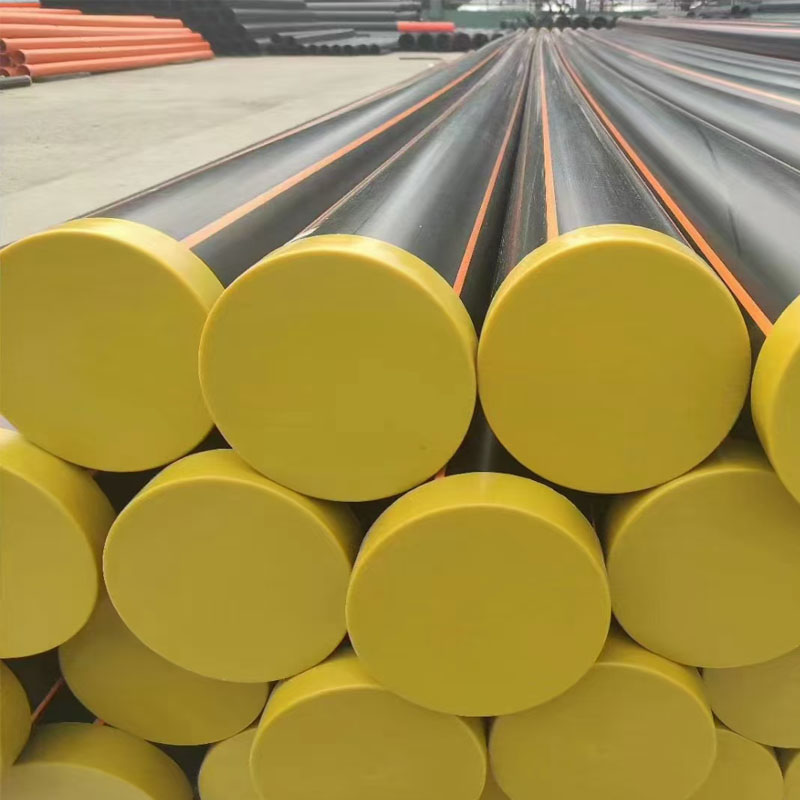
Polypropylene Random (PPR) pipe, specifically the 20mm diameter variant frequently sourced from factories specializing in its production, represents a cornerstone material in modern fluid conveyance systems. PPR piping’s position within the broader building materials supply chain is as a direct replacement for traditional metallic piping (copper, galvanized steel) in non-pressure and low-pressure applications. Primarily utilized for hot and cold potable water distribution, heating systems (underfloor heating, radiator connections), and industrial fluid transport (where chemical compatibility allows), its growing adoption is driven by cost-effectiveness, ease of installation, and corrosion resistance. Core performance characteristics defining 20mm PPR pipe include its hydrostatic pressure resistance, temperature endurance (up to 95°C for short-term exposure, 70°C continuous), and weldability via heat fusion – crucial for creating leak-proof, long-lasting joints. The “price factory” aspect denotes the origin of the product, influencing both cost and quality control mechanisms, emphasizing the importance of supplier vetting for consistent material properties. This guide provides an in-depth technical assessment of 20mm PPR pipe, covering material science, manufacturing, performance, failure modes, and relevant industry standards.
Material Science & Manufacturing
PPR pipe is produced from polypropylene random copolymer, a thermoplastic polymer derived from propylene monomer. The ‘random’ designation signifies the statistical distribution of comonomers (typically ethylene) within the polymer chain. This random copolymerization disrupts the crystallinity of polypropylene, resulting in improved impact resistance and flexibility – critical for pipe applications. The raw material's key physical properties include a density of approximately 0.905 g/cm³, a glass transition temperature (Tg) around -10°C, and a melting point between 130-171°C, depending on the copolymer ratio. Manufacturing involves extrusion, where polypropylene granules are melted and forced through a die to form the pipe shape. Critical parameters during extrusion include temperature control (barrel temperature zones, die temperature), screw speed, and pullulating speed. Precise temperature control is vital to prevent thermal degradation of the polymer. Subsequent to extrusion, pipes are typically marked with identifying information (manufacturer, size, standard compliance, production date) using laser or inkjet printing. Quality control at the factory level involves hydrostatic testing (withstanding a specified internal pressure for a designated duration) and dimensional checks to ensure adherence to standards. Pipe fittings (elbows, tees, couplings) are manufactured using injection molding, utilizing the same PPR material to maintain compatibility for heat fusion welding. The grade of polypropylene used dictates the final product’s performance; homopolymers offer higher stiffness but lower impact resistance, while random copolymers offer a more balanced profile, suitable for pressure pipe applications.
Performance & Engineering
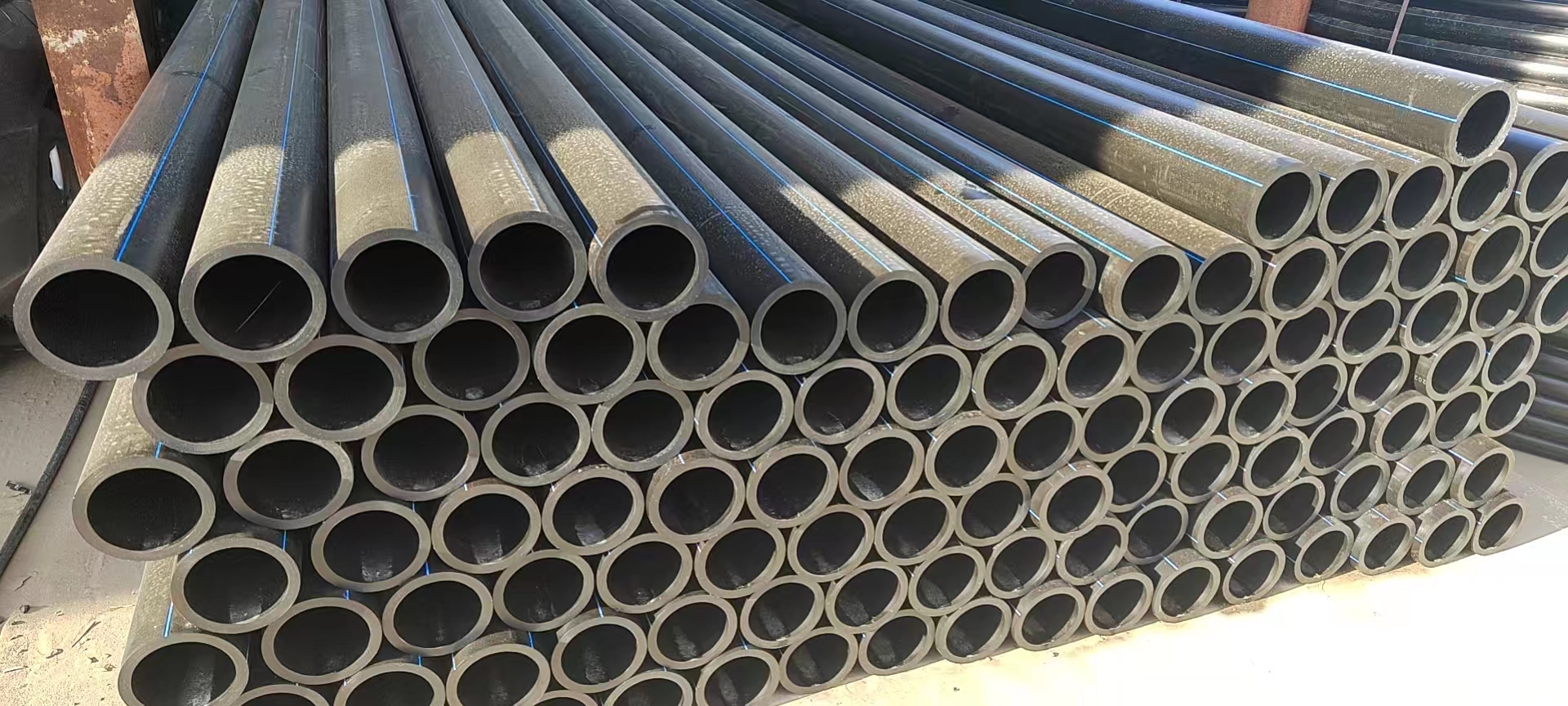
The performance of 20mm PPR pipe is governed by several engineering considerations. Hydrostatic pressure testing, typically performed according to ISO 1167, verifies the pipe’s ability to withstand internal water pressure without failure. The Short-Term Hydrostatic Pressure Test (STHT) and Long-Term Hydrostatic Pressure Test (LTHHT) are standard assessments. Force analysis in pipe systems involves calculations of hoop stress (induced by internal pressure) and axial stress (due to thermal expansion/contraction). PPR exhibits a relatively low modulus of elasticity, meaning it will deform more under stress compared to metals. This requires adequate support and anchoring to prevent excessive bending and potential joint failure. Environmental resistance is a key factor; PPR is generally resistant to many chemicals but can be susceptible to degradation by strong oxidizing agents and chlorinated hydrocarbons. UV exposure can also cause embrittlement, necessitating protection from direct sunlight for outdoor applications. Compliance requirements are dictated by regional building codes and potable water standards, often referencing standards like NSF/ANSI 61 for lead leaching and EN 1610 for general quality. Heat fusion welding, the predominant joining method, relies on precisely controlled heating plate temperatures and welding times to achieve a homogenous weld bead. Insufficient heating results in a weak weld, while overheating can degrade the material. Proper weld procedure qualification and operator training are crucial for ensuring joint integrity.
Technical Specifications
| Parameter | Unit | Typical Value (20mm PPR) | Test Standard |
|---|---|---|---|
| Nominal Diameter | mm | 20 | ISO 15876 |
| Outside Diameter | mm | 26.5 | ISO 15876 |
| Wall Thickness | mm | 2.3 | ISO 15876 |
| Hydrostatic Pressure (STHT) | MPa | 7.5 | ISO 1167 |
| Hydrostatic Pressure (LTHHT) | MPa | 1.0 | ISO 1167 |
| Burst Pressure | MPa | 22.5 | ISO 1167 |
| Maximum Operating Temperature | °C | 70 (Continuous) / 95 (Short-Term) | DIN 19625 |
| Tensile Strength | MPa | 20 | ISO 527-2 |
| Elongation at Break | % | 300 | ISO 527-2 |
| Water Absorption (24hr) | % | 0.05 | ISO 62 |
Failure Mode & Maintenance
PPR pipe, while durable, is susceptible to several failure modes. Fatigue cracking can occur under cyclic pressure fluctuations, particularly at weld joints if inadequate welding procedures were employed. Thermal Expansion/Contraction stresses can lead to joint separation or pipe deformation if insufficient expansion loops or anchors are used. Chemical Degradation from prolonged exposure to incompatible fluids can cause material embrittlement and cracking. UV Degradation manifests as surface chalking and reduced impact resistance, primarily in outdoor applications. Creep – the gradual deformation under constant stress – can occur at elevated temperatures, potentially leading to joint leakage. Slow Crack Growth (SCG), influenced by residual stresses and environmental factors, is a concern in some applications. Maintenance primarily involves visual inspection for cracks, leaks, and signs of degradation. Regular checks of weld joints are critical. In cases of minor leaks, re-welding may be possible, provided the surrounding material is not significantly degraded. For larger cracks or extensive degradation, pipe replacement is necessary. Preventative maintenance includes ensuring proper support and anchoring, avoiding exposure to incompatible chemicals, and protecting from UV radiation. Periodic hydrostatic testing can also provide an indication of system integrity. Proper installation following manufacturer’s guidelines is the most effective preventative measure against premature failure.
Industry FAQ
Q: What is the impact of water hardness on the long-term performance of PPR piping?
A: Water hardness, specifically the concentration of calcium and magnesium ions, can lead to scale buildup within PPR pipes over time. While PPR itself isn’t directly corroded by hard water, the scale reduces the internal diameter, increasing flow resistance and potentially leading to reduced flow rates. More importantly, differential thermal expansion between the pipe and the scale can create stresses at weld joints, potentially initiating slow crack growth. Regular flushing or the use of water softening systems is recommended in areas with extremely hard water.
Q: How does the quality of the heating plate affect the integrity of heat fusion welds?
A: The heating plate's temperature uniformity and surface condition are critical. Non-uniform heating leads to uneven weld bead formation, creating weak spots susceptible to failure. Scratches or corrosion on the heating plate surface can transfer to the pipe, compromising weld integrity. The heating plate material (typically aluminum alloy) must be compatible with the PPR material to avoid contamination. Regular cleaning, calibration, and periodic replacement of the heating plate are essential.
Q: What are the considerations for using PPR pipe in radiant floor heating systems?
A: PPR pipe is well-suited for radiant floor heating due to its flexibility and temperature resistance. However, proper installation is crucial. The pipe must be adequately supported to prevent kinking and ensure even heat distribution. Expansion loops are essential to accommodate thermal expansion and contraction without stressing the joints. The maximum operating temperature for continuous use should not exceed 60°C to avoid long-term creep deformation. Oxygen diffusion into the heating system can cause corrosion of metallic components, so an oxygen barrier should be integrated into the system.
Q: Can PPR pipe be used for compressed air lines?
A: Generally, PPR pipe is not recommended for compressed air lines. While it can withstand moderate pressures, it lacks the impact resistance and long-term durability required for compressed air applications. Compressed air often contains moisture and oil, which can degrade the PPR material over time. Furthermore, the cyclical pressure fluctuations in compressed air systems can contribute to fatigue cracking. Polyurethane or nylon tubing is a more suitable choice for compressed air systems.
Q: What is the expected service life of a properly installed PPR pipe system?
A: A properly installed PPR pipe system, adhering to relevant standards and operating within its specified temperature and pressure limits, can have a service life of 50 years or more. However, this is contingent on several factors: water quality, exposure to chemicals, UV exposure, and the quality of the welding procedures. Regular inspection and preventative maintenance can extend the service life significantly.
Conclusion
20mm PPR pipe represents a viable and cost-effective solution for a wide range of fluid conveyance applications, offering advantages over traditional metallic piping in terms of corrosion resistance and ease of installation. However, its performance is intrinsically linked to material selection, manufacturing quality, and installation practices. Understanding the material’s limitations – particularly its susceptibility to UV degradation, chemical attack, and creep at elevated temperatures – is paramount. Implementing robust quality control measures during manufacturing, adhering to standardized welding procedures, and providing adequate support and protection are critical for maximizing the system's longevity and reliability.
Future developments in PPR technology may focus on incorporating UV stabilizers and advanced copolymer formulations to enhance its environmental resistance and expand its application range. The integration of smart monitoring systems to detect leaks and track pressure fluctuations could also improve system maintenance and prevent catastrophic failures. Ultimately, the continued success of PPR piping relies on a commitment to technical excellence and adherence to industry best practices.
-
DN25 HDPE Compression Fitting-HORON INTERNATIONAL|Reliable Irrigation Solutions
NewsFeb.11,2026
-
china 15mm ppr pipe Performance Analysis
News2026-05-16
-
china dual wall corrugated drain pipe Performance Analysis
News2026-05-16
-
china hdpe to pvc transition coupling Performance Analysis
News2026-05-16
-
china dn25 hdpe fittings fast connect couplings for irrigation Performance Analysis
News2026-05-16
-
china 4 double wall corrugated pipe Performance Analysis
News2026-05-16
-
china corrugated pipe double wall Manufacturing Analysis
News2026-05-15
-
china ppr ct pipe Technical Analysis
News2026-05-15
-
china 32mm ppr Performance Analysis
News2026-05-15
-
china 63mm ppr pipe price Performance Analysis
News2026-05-15
-
china 1 ppr pipe price Performance Analysis
News2026-05-15
-
china 32mm ppr pipe price Performance Analysis
News2026-05-14
-
china hdpe pipe for sale Performance Analysis
News2026-05-14
-
china ppr pipe 32mm Performance Analysis
News2026-05-14
-
china pvc pipes Manufacturing and Performance Analysis
News2026-05-14
-
china hdpe n 12 corrugated dual wall pipe Performance Analysis
News2026-05-14