

Feb . 11, 2026 00:01 Back to list
pipe hdpe size manufacturer Performance Analysis
Introduction
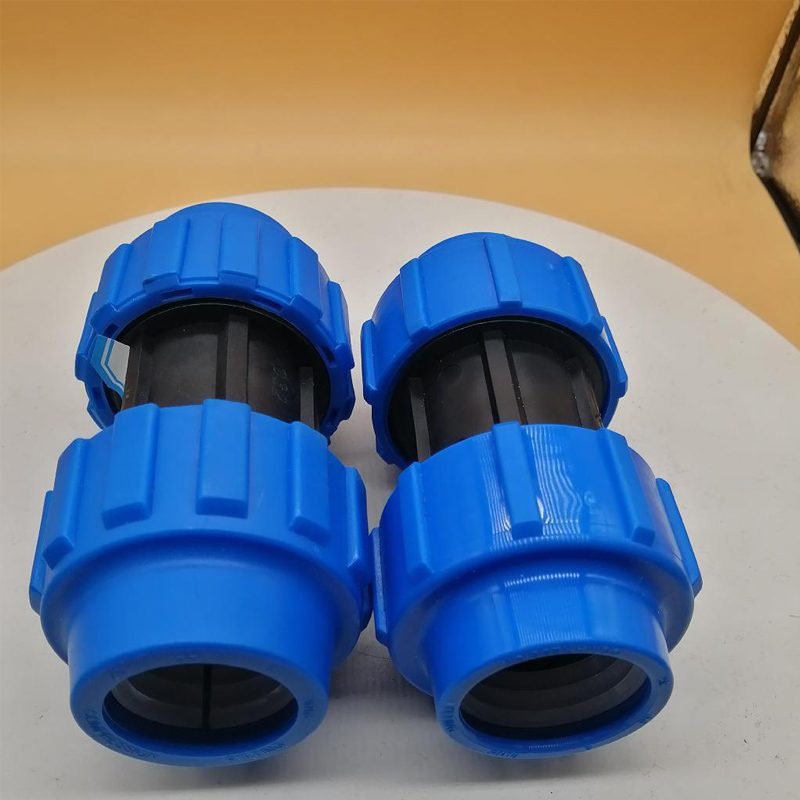
High-Density Polyethylene (HDPE) pipe, categorized by size, represents a critical component in fluid and gas transmission systems across numerous industries. Its position within the infrastructure chain is fundamental, bridging the gap between processing plants, distribution networks, and end-user applications. HDPE pipes are manufactured to precise dimensional specifications, impacting pressure ratings, flow capacities, and overall system performance. Core performance characteristics center around chemical inertness, high tensile strength-to-density ratio, longitudinal strength, and leak-free jointing capabilities – primarily achieved through heat fusion welding. This guide provides an in-depth exploration of HDPE pipe manufacturing, material properties, performance considerations, failure analysis, and relevant industry standards. The primary industry pain points relating to HDPE pipe selection and implementation revolve around long-term durability in demanding environments (UV exposure, soil stress, chemical attack), ensuring consistent weld quality, and adhering to evolving regulatory requirements regarding material traceability and performance verification.
Material Science & Manufacturing
HDPE pipe production begins with polyethylene resin, typically produced via the Ziegler-Natta or metallocene polymerization processes. Ziegler-Natta catalysts yield HDPE with a broader molecular weight distribution, resulting in enhanced processing characteristics but potentially lower creep resistance. Metallocene catalysts produce a more uniform molecular weight distribution, enhancing long-term creep performance and stress crack resistance. Raw material properties crucial for pipe manufacturing include density (typically 0.93 to 0.97 g/cm³), melt flow index (MFI – influencing processability), and molecular weight distribution. Manufacturing processes predominantly involve extrusion. The process entails melting the HDPE resin and forcing it through a die to create a continuous pipe profile. Critical parameters during extrusion include die temperature, extrusion speed, and cooling rates. Cooling must be controlled precisely to prevent warping and ensure dimensional accuracy. Subsequent to extrusion, pipes are typically marked with size, material designation, pressure rating (using PE ratings like PE 40, PE 63, PE 80, PE 100, reflecting minimum required strength), manufacturing date, and manufacturer identification. For larger diameter pipes, co-extrusion may be employed to create a striped outer layer for easier identification during installation. Pipe joining is primarily accomplished through butt fusion, socket fusion, or electrofusion welding. Butt fusion provides the strongest, most reliable joint, but requires skilled operators and precise temperature control. Quality control throughout the manufacturing process involves rigorous dimensional checks, hydrostatic pressure testing, and impact resistance testing, in accordance with ASTM and ISO standards.
Performance & Engineering
The performance of HDPE pipe is heavily influenced by factors such as operating pressure, temperature, and the nature of the conveyed fluid or gas. Stress analysis, incorporating both hoop stress (resulting from internal pressure) and longitudinal stress (due to external loads like soil backfill and traffic), is crucial for determining appropriate pipe wall thickness. The Barlow’s formula (S = PT/2t, where S = stress, P = pressure, T = thickness, t = wall thickness) provides a foundational calculation for pressure containment. Long-term hydrostatic strength (LTHS) is a critical parameter, predicting pipe performance over decades of continuous service. LTHS is influenced by temperature and material grade (PE 40, PE 63, etc.). HDPE exhibits excellent chemical resistance to a broad range of substances, but compatibility must be verified for specific applications, especially with concentrated acids or strong oxidizing agents. Environmental resistance includes UV degradation, which can be mitigated through the addition of carbon black to the HDPE formulation. Soil stress and ground movement necessitate consideration of pipe burial depth and the use of appropriate bedding materials. Compliance requirements vary by region but generally involve adherence to standards set by ASTM, ISO, and local regulatory bodies. Specific applications, such as gas distribution, require compliance with stringent regulations regarding leak detection and material traceability. Furthermore, static electricity accumulation is a potential hazard, particularly in gas transport; conductive HDPE formulations or grounding measures are employed to address this issue. HDPE pipe systems require careful design to accommodate thermal expansion and contraction, typically through the incorporation of expansion loops or flexible joints.
Technical Specifications
| Parameter | PE 40 | PE 63 | PE 80 | PE 100 |
|---|---|---|---|---|
| Minimum Required Strength (MRS) (MPa) | 4.0 | 6.3 | 8.0 | 10.0 |
| Hydrostatic Design Stress (HDS) (psi) | 850 | 1350 | 1600 | 2000 |
| Density (g/cm³) | 0.93 – 0.95 | 0.94 – 0.96 | 0.95 – 0.97 | 0.96 – 0.98 |
| Operating Temperature (°C) | -40 to 60 | -40 to 60 | -40 to 60 | -40 to 60 |
| Long-Term Hydrostatic Strength (LTHS) (psi) | 690 | 1125 | 1340 | 1680 |
| Typical Wall Thickness (inches) | 0.062 – 4.0 | 0.062 – 4.0 | 0.062 – 4.0 | 0.062 – 4.0 |
Failure Mode & Maintenance
HDPE pipe failures can occur due to several mechanisms. Slow Crack Growth (SCG) is a significant concern, particularly in systems exposed to sustained tensile stress and aggressive chemicals. SCG initiates at stress concentrators (scratches, gouges) and propagates slowly over time. Rapid Crack Propagation (RCP) is a catastrophic failure mode, often triggered by a sudden pressure surge or impact. Fatigue cracking can occur in areas subjected to cyclic loading, such as near joints or supports. Oxidation can degrade the HDPE material over long periods, especially at elevated temperatures. UV degradation causes embrittlement and loss of mechanical properties. Joint failures frequently result from inadequate weld parameters (temperature, pressure, dwell time) during heat fusion welding. Maintenance procedures should include regular visual inspections for cracks, deformation, and corrosion. Pressure testing should be conducted periodically to verify system integrity. Proper bedding and backfill procedures are critical to prevent soil stress and external loads. For RCP-prone systems, surge protection devices should be installed. When repairs are necessary, heat fusion welding is the preferred method, ensuring compatibility with the existing pipe material. Damaged sections should be completely removed and replaced with new pipe and properly welded joints. Preventative maintenance includes monitoring water quality to minimize chemical attack and implementing cathodic protection systems in corrosive soil environments.
Industry FAQ
Q: What is the impact of differing pipe schedule numbers (e.g., Schedule 40, Schedule 80) on HDPE pipe performance?
A: Schedule numbers relate to the pipe's wall thickness, directly influencing its pressure-bearing capacity. Higher schedule numbers denote thicker walls and therefore higher pressure ratings. Selecting the appropriate schedule depends on the operating pressure and safety factors required by the application. The schedule number also affects the pipe's stiffness and resistance to buckling under external loads.
Q: How does the soil composition affect the long-term performance of buried HDPE pipe?
A: Soil composition significantly impacts HDPE pipe performance. Corrosive soils can accelerate degradation, particularly if the pipe lacks adequate protection. Rocky soils can cause mechanical damage during installation and backfilling. Poorly compacted soil can lead to uneven support and increased stress on the pipe. Proper bedding materials and backfill compaction are crucial to mitigate these risks.
Q: What are the key quality control checks during heat fusion welding of HDPE pipe?
A: Key quality control checks include verifying proper surface preparation (cleanliness, dryness), confirming correct welding parameters (temperature, pressure, dwell time), visually inspecting the weld bead for defects (incomplete fusion, burn marks), and conducting destructive and non-destructive testing (e.g., tensile testing, ultrasonic testing) on representative welds.
Q: What are the implications of using recycled HDPE in pipe manufacturing?
A: Recycled HDPE can be used in pipe manufacturing, but its properties must be carefully controlled. Recycled material may exhibit reduced strength and creep resistance compared to virgin HDPE. Manufacturers must ensure that recycled material meets all relevant performance requirements and complies with applicable standards. Traceability of the recycled material is essential.
Q: How does water hammer impact HDPE pipe systems and how can it be mitigated?
A: Water hammer, caused by sudden changes in flow velocity, creates pressure surges that can exceed the pipe's pressure rating and lead to catastrophic failure. Mitigation strategies include installing surge relief valves, using slow-closing valves, and implementing proper pump control systems. Air chambers can also be used to absorb pressure spikes.
Conclusion
HDPE pipe, categorized by size and material grade, presents a robust and versatile solution for numerous fluid and gas transmission applications. Its chemical inertness, high strength-to-density ratio, and weldability contribute to its widespread adoption. However, successful implementation necessitates a thorough understanding of material properties, manufacturing processes, and potential failure modes. Long-term performance is heavily influenced by environmental factors, operating conditions, and adherence to industry standards.
Proper design, installation, and maintenance practices are paramount to ensuring the longevity and reliability of HDPE pipe systems. Continued research and development focusing on enhanced material formulations, improved welding techniques, and advanced monitoring systems will further optimize the performance and sustainability of this critical infrastructure component. The ongoing refinement of standards and regulations will also play a vital role in maintaining the integrity of HDPE pipe networks.
-
DN25 HDPE Compression Fitting-HORON INTERNATIONAL|Reliable Irrigation Solutions
NewsFeb.11,2026
-
china ppr water pipe price Performance Analysis
News2026-06-06
-
china ppr composite pipe Performance Analysis
News2026-06-06
-
china ppr pipe 25mm price Performance Analysis
News2026-06-06
-
china ppr pipe use Performance Analysis
News2026-06-06
-
china pvc sewer pipe Technical Performance
News2026-06-06
-
china hdpe coupling joint Performance Analysis
News2026-06-05
-
china ppr pipe connector Manufacturing Analysis
News2026-06-05
-
china ppr pipe 20mm Manufacturing Analysis
News2026-06-05
-
china pvc pipe used for water supply Performance and Engineering
News2026-06-05
-
china orange pvc pipe Performance Engineering
News2026-06-05
-
china 1 2 ppr pipe in mm Performance Analysis
News2026-06-04
-
china hdpe pipe for water supply specifications Performance Analysis
News2026-06-04
-
china ppr hot water pipe insulation Thermal Performance
News2026-06-04
-
china 24 inch diameter pvc pipe Performance Analysis
News2026-06-04
-
china ppr hot water pipe Performance Analysis
News2026-06-04