

Feb . 11, 2026 00:01 Back to list
hdpe sprinkler pipe fittings service Performance Analysis
Introduction
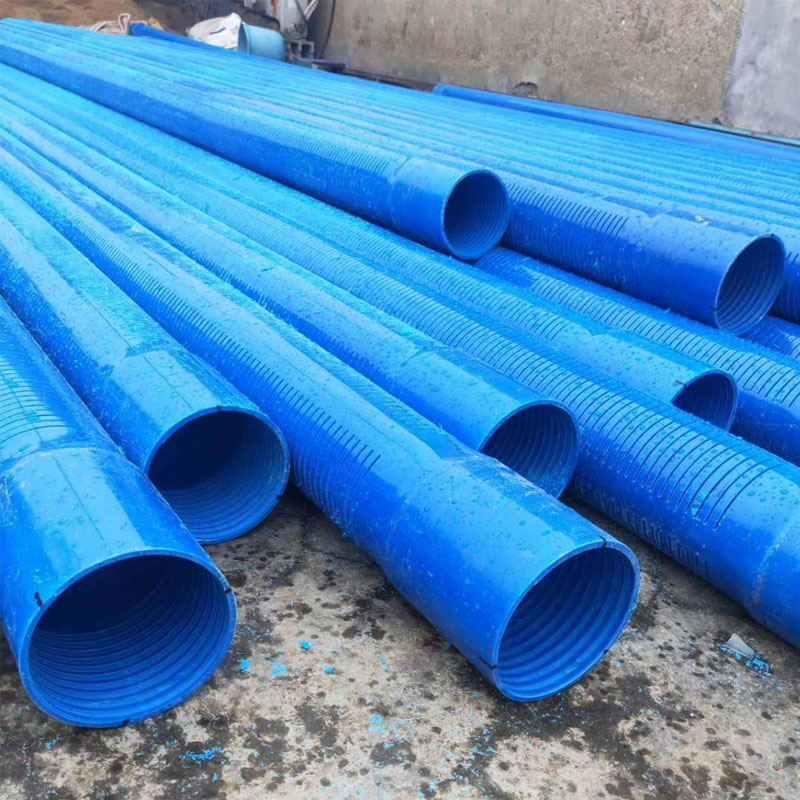
High-Density Polyethylene (HDPE) sprinkler pipe fittings represent a crucial component in modern irrigation systems, particularly within agricultural, commercial landscaping, and fire suppression applications. These fittings facilitate the connection of HDPE pipes, enabling the distribution of water across specified areas. Their technical position within the industry chain is as a downstream product of polyethylene resin manufacturing, undergoing extrusion, molding, and potentially fusion processes to achieve final form and functionality. Core performance characteristics include pressure rating, flow capacity, UV resistance, and long-term durability in subterranean environments. HDPE fittings have largely superseded metallic alternatives due to their corrosion resistance, lighter weight, and cost-effectiveness. A primary industry pain point centers around ensuring consistent quality across varying manufacturers, particularly regarding stress crack resistance and the integrity of fusion welds.
Material Science & Manufacturing
HDPE sprinkler pipe fittings are manufactured from high-density polyethylene resin, typically grades designated as PE3408 or PE4710, conforming to relevant standards (detailed in the conclusion). The raw material exhibits a semi-crystalline structure, contributing to its strength and resistance to chemical degradation. The process typically begins with extrusion, where the polyethylene resin is melted and forced through a die to create the basic pipe and fitting shapes. For fittings requiring complex geometries (elbows, tees, wyes), injection molding is employed. Key parameters during injection molding include melt temperature (typically 200-250°C), mold temperature (30-60°C), and injection pressure (60-150 MPa). Critical to fitting integrity is the control of cooling rates to minimize internal stresses and warping. Fusion welding (butt fusion, socket fusion, electrofusion) is a common method of joining HDPE fittings to pipes, creating a homogenous connection. Butt fusion requires precise temperature control (typically 130-180°C) and alignment to ensure uniform weld penetration. Socket fusion utilizes a heating tool to soften both the fitting socket and the pipe end before insertion. Electrofusion employs an electrical current to melt the fitting and pipe interface. Chemical compatibility is excellent with most agricultural chemicals and fertilizers; however, prolonged exposure to strong oxidizing agents should be avoided. Material density typically ranges from 0.941 to 0.965 g/cm³.

Performance & Engineering
The performance of HDPE sprinkler pipe fittings is governed by several engineering principles. Hydrostatic pressure testing is crucial, with fittings routinely tested to 1.5 times their working pressure for a specified duration. Force analysis reveals that tensile strength is a primary determinant of fitting longevity, particularly under cyclic loading from water hammer effects. HDPE exhibits significant creep resistance, meaning it deforms slowly under sustained load, but this is still a consideration for long-term buried applications. Environmental resistance is a critical factor. UV degradation can embrittle HDPE, necessitating the use of carbon black additives for UV stabilization. Subterranean installations are generally unaffected by UV, but soil chemistry (pH, salinity) can influence long-term performance. Compliance requirements are dictated by regional and national standards relating to potable water safety (e.g., NSF/ANSI 61) and fire suppression systems (e.g., UL listing). The wetted surfaces of the fittings must not leach harmful substances into the water supply. Furthermore, fitting designs must account for thermal expansion and contraction of the HDPE material to prevent stress cracking at joints. Fittings must also demonstrate resistance to ground movement and soil settlement.
Technical Specifications
| Parameter | Unit | Typical Value | Test Standard |
|---|---|---|---|
| Pressure Rating | psi | 100-300 | ASTM D2412 |
| Material Density | g/cm³ | 0.955 | ASTM D1505 |
| Tensile Strength | MPa | 20-30 | ASTM D638 |
| Elongation at Break | % | 300-600 | ASTM D638 |
| Hydrostatic Design Stress (HDS) | psi | 1600 | ASTM D2412 |
| UV Stabilizer Content | % | 2-3 | ASTM D3805 |
Failure Mode & Maintenance
HDPE sprinkler pipe fitting failures commonly arise from several modes. Stress cracking, induced by sustained tensile stress and environmental factors (e.g., aggressive soil chemistry), is a frequent issue. Fatigue cracking can occur due to cyclic pressure fluctuations, particularly in systems with water hammer. Delamination, especially in injection molded fittings, may result from improper cooling during manufacturing or material defects. Oxidation, although slow, can degrade the HDPE material over extended periods, reducing its ductility. Improper fusion welds are a significant failure point; incomplete fusion, excessive weld bead, or contamination can compromise the joint's integrity. Maintenance primarily involves visual inspection for cracks, leaks, and deformation. Regular pressure testing can identify developing weaknesses. For cracked fittings, replacement is generally recommended rather than repair. For fusion-welded joints, non-destructive testing (NDT) methods like ultrasonic testing can assess weld quality. Preventative maintenance includes ensuring proper soil compaction around buried pipes to minimize stress and protecting exposed fittings from UV radiation with coatings or shading.
Industry FAQ
Q: What is the impact of soil pH on the long-term performance of HDPE sprinkler fittings?
A: Highly acidic or alkaline soils can accelerate the degradation of HDPE over extended periods. Extreme pH levels can leach stabilizers and increase the susceptibility to stress cracking. Soil pH should ideally be maintained within a range of 6.0 to 8.0. If the soil pH is outside this range, protective measures such as applying a soil buffer or using a corrosion-resistant coating on the fittings may be necessary.
Q: How does water hammer affect the lifespan of HDPE fittings?
A: Water hammer, caused by the sudden stopping or changing of water flow, creates pressure surges that exert significant stress on fittings. Repeated water hammer events can lead to fatigue cracking and premature failure, especially at weld joints. Implementing surge arrestors and using slow-closing valves can mitigate the effects of water hammer.
Q: What are the key differences between butt fusion and electrofusion welding for HDPE fittings?
A: Butt fusion is generally used for larger diameter pipes and requires precise alignment and temperature control. It's typically faster and more cost-effective for larger projects. Electrofusion is suitable for smaller diameters and complex geometries. It uses an electrical current to melt the joint, providing more precise control but typically being slower and more expensive per joint.
Q: What is the role of carbon black in HDPE fittings?
A: Carbon black is added to HDPE as a UV stabilizer. It absorbs UV radiation, preventing it from degrading the polymer chain and causing embrittlement. The concentration of carbon black typically ranges from 2-3% by weight. Higher concentrations provide greater UV protection but can affect the material's color and processing characteristics.
Q: How do I ensure proper fusion welding technique?
A: Proper fusion welding requires trained personnel, calibrated equipment, and adherence to established procedures. Surface preparation is critical – the pipe and fitting ends must be clean and dry. Correct temperature and pressure settings must be used, and the fusion process must be carefully monitored to ensure complete and uniform weld penetration. Post-weld cooling should be controlled to minimize stress.
Conclusion
HDPE sprinkler pipe fittings represent a robust and reliable solution for irrigation and fluid conveyance systems, offering significant advantages over traditional materials in terms of corrosion resistance, weight, and cost-effectiveness. Understanding the material science, manufacturing processes, and potential failure modes is paramount to ensuring long-term performance and minimizing maintenance requirements. The selection of appropriate fittings and welding techniques, coupled with adherence to industry standards, are crucial for maximizing system reliability.
Future advancements in HDPE fitting technology may focus on the development of enhanced UV stabilization techniques, improved welding processes for complex geometries, and the integration of smart sensors for real-time monitoring of system performance and early detection of potential failures. A continued emphasis on quality control and standardized testing protocols will be essential to maintain the industry's integrity and ensure the long-term sustainability of HDPE sprinkler irrigation systems.
-
DN25 HDPE Compression Fitting-HORON INTERNATIONAL|Reliable Irrigation Solutions
NewsFeb.11,2026
-
discount 40mm pvc pipe Performance Analysis
News2026-06-26
-
discount hdpe to pvc connection Performance Analysis
News2026-06-26
-
discount ppr pipe 1 price Technical Analysis
News2026-06-26
-
discount colored pvc pipe Material Science and Manufacturing
News2026-06-26
-
discount hdpe pipe price list pdf Performance and Engineering
News2026-06-26
-
discount ppr for hot water Performance Analysis
News2026-06-25
-
discount bulk pvc pipe Material Performance
News2026-06-25
-
discount pvc pipes price list Material Science and Manufacturing
News2026-06-25
-
discount 20 ft pvc pipe Performance Analysis
News2026-06-25
-
discount ppr cold water pipe Performance Analysis
News2026-06-25
-
discount 24 inch diameter pvc pipe price Performance Analysis
News2026-06-24
-
discount 4 hdpe drain pipe Performance Analysis
News2026-06-24
-
discount 12 hdpe pipe Performance Analysis
News2026-06-24
-
discount hdpe reducing coupling Performance Analysis
News2026-06-24
-
discount hdpe corrugated sewer pipe Performance Engineering
News2026-06-24