

Feb . 11, 2026 00:01 Back to list
hdpe sprinkler pipe fittings factory Performance Analysis
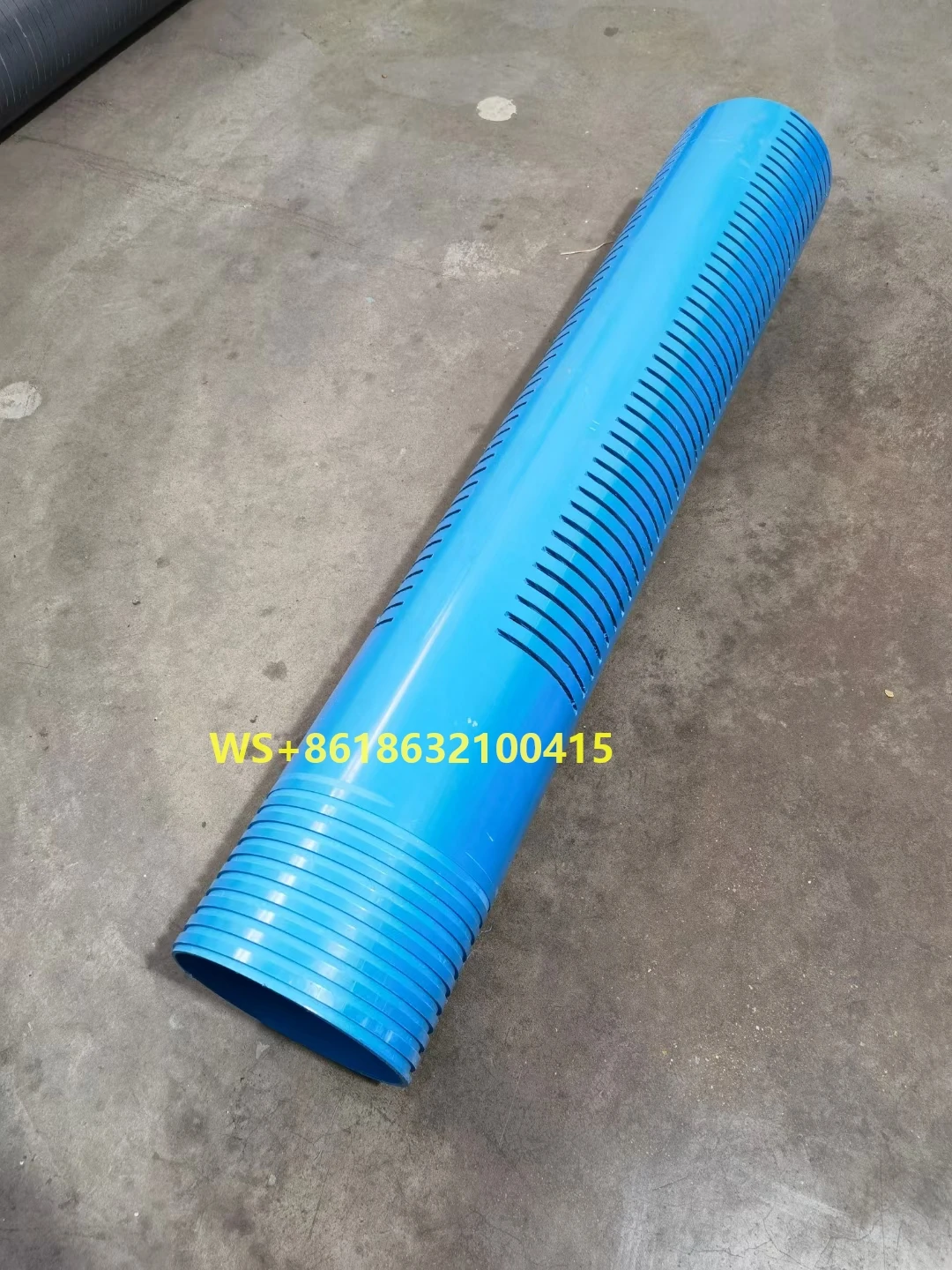
Introduction
High-Density Polyethylene (HDPE) sprinkler pipe fittings represent a critical component within agricultural, residential, and commercial irrigation systems. Positioned downstream from main water supply lines, these fittings facilitate the distribution of water to sprinkler heads, enabling precise and efficient irrigation. Unlike metallic alternatives, HDPE fittings offer inherent corrosion resistance, flexibility, and ease of installation, reducing long-term maintenance costs and system downtime. Core performance characteristics include pressure rating, flow capacity, UV resistance, and compatibility with varying soil conditions. The manufacturing of these fittings requires precise control of resin properties, molding parameters, and quality assurance protocols to ensure reliable performance under dynamic hydraulic stress and environmental exposure. This guide provides a comprehensive technical overview of HDPE sprinkler pipe fittings, encompassing material science, manufacturing processes, performance considerations, failure modes, and relevant industry standards.
Material Science & Manufacturing
HDPE sprinkler pipe fittings are predominantly manufactured from high-density polyethylene resins, specifically those grades designated for pressure pipe applications. These resins typically exhibit a molecular weight range of 200,000 to 500,000 g/mol, contributing to enhanced tensile strength and creep resistance. Density is a key parameter, generally falling between 0.93 to 0.97 g/cm³. Additives, including UV stabilizers (carbon black is common), antioxidants, and sometimes pigments, are incorporated during resin compounding to enhance durability and weatherability. The manufacturing process predominantly employs injection molding. Precise temperature control (melt temperature typically 200-240°C, mold temperature 30-50°C) is crucial to achieve optimal material flow and minimize internal stresses. Cooling rates must be carefully managed to prevent warping or shrinkage. Fittings are typically designed with robust geometries – threads, sockets, elbows, tees – requiring intricate mold designs. Post-molding operations may include deburring, visual inspection, and pressure testing to verify dimensional accuracy and leak-proof performance. Critical parameters monitored during manufacturing include melt flow index (MFI), hydrostatic pressure rating (according to ASTM D2837), and material hardness (Shore D scale). The quality of the HDPE resin and the precision of the injection molding process directly influence the fitting's long-term mechanical integrity and resistance to environmental degradation.

Performance & Engineering
The performance of HDPE sprinkler pipe fittings is fundamentally governed by their ability to withstand internal hydrostatic pressure, external soil loads, and cyclical stress from water hammer. Stress analysis, employing Finite Element Analysis (FEA) software, is routinely used to optimize fitting geometries and ensure structural integrity under various loading conditions. The allowable stress for HDPE is significantly lower than that of metallic materials, necessitating thicker wall sections for comparable pressure ratings. Creep resistance is a critical consideration, particularly in long-term irrigation systems operating at elevated temperatures. Environmental factors, such as UV exposure and soil chemistry, also impact performance. UV degradation can lead to embrittlement, reducing impact strength. Exposure to certain chemicals in the soil (e.g., chlorinated solvents) can cause stress cracking. Fittings must comply with relevant industry standards, such as ASTM D2412 (for polyethylene pipe fittings) and NSF/ANSI 61 (for drinking water system components). Proper installation is paramount; excessive bending radius, improper solvent cementing (where applicable), and inadequate support can compromise performance and lead to premature failure. Engineering design also considers flow characteristics; minimizing flow restrictions within the fitting is essential to maintain optimal system efficiency.
Technical Specifications
| Parameter | Specification (Typical) | Test Standard | Unit |
|---|---|---|---|
| Material | High-Density Polyethylene (HDPE) – PE 100 | ASTM D3350 | - |
| Pressure Rating | 100, 150, 200 psi | ASTM D2837 | psi |
| Operating Temperature | -40 to 60 | ASTM D2837 | °C |
| UV Resistance | Carbon Black ≥ 2.5% | ASTM D3350 | % |
| Tensile Strength | ≥ 12.4 | ASTM D638 | MPa |
| Elongation at Break | ≥ 300 | ASTM D638 | % |
Failure Mode & Maintenance
HDPE sprinkler pipe fittings are susceptible to several failure modes. Stress Cracking arises from the combined effects of tensile stress and exposure to aggressive chemicals. UV Degradation leads to embrittlement and reduced impact resistance, manifesting as cracks or brittleness. Hydrostatic Failure occurs when internal pressure exceeds the fitting's pressure rating, causing rupture. Fatigue Cracking can develop in areas subjected to cyclical pressure fluctuations. Deformation may occur due to excessive external loads or improper installation, compromising the seal. Regular inspection is crucial. Visually examine fittings for cracks, discoloration, or deformation. Pressure testing can identify leaks. Maintenance involves cleaning fittings to remove debris and protecting them from direct sunlight with shading or protective coatings. If cracks are detected, replacement is the recommended course of action. Avoid using abrasive cleaning agents or solvents that can degrade the HDPE material. Proper burial depth (to protect from UV exposure and mechanical damage) and adequate support (to prevent excessive bending stress) are vital preventative measures. Periodic torque checks on threaded connections are recommended to ensure a secure seal.
Industry FAQ
Q: What is the impact of varying water pH on the long-term durability of HDPE sprinkler fittings?
A: While HDPE is generally resistant to a wide pH range, prolonged exposure to highly acidic or alkaline water can accelerate degradation. Extremely low pH (below 6) can promote stress corrosion cracking, while highly alkaline conditions (above 9) can cause surface erosion. Regular water quality testing and, if necessary, pH adjustment are recommended to mitigate these risks.
Q: How does the choice of solvent cement affect the joint integrity of HDPE fittings?
A: Utilizing a solvent cement specifically formulated for HDPE is crucial. Incompatible cements can lead to incomplete fusion, resulting in weak joints prone to leakage. Ensure the cement is applied evenly and in accordance with the manufacturer's instructions, considering factors like temperature and humidity. Proper surface preparation (cleaning and priming) is also essential for optimal bonding.
Q: What is the recommended burial depth for HDPE sprinkler pipes and fittings to maximize their lifespan?
A: A minimum burial depth of 18-24 inches (45-60 cm) is generally recommended to protect pipes and fittings from UV exposure, mechanical damage, and freeze-thaw cycles. In areas with heavy traffic or potential for excavation, a greater burial depth or protective casing may be necessary.
Q: Can HDPE fittings be used with metallic sprinkler heads? If so, are there any compatibility concerns?
A: Yes, HDPE fittings can be connected to metallic sprinkler heads using appropriate transition fittings (e.g., threaded adapters). However, galvanic corrosion can occur if dissimilar metals are in direct contact in the presence of an electrolyte (water). Using dielectric unions or isolating washers can prevent this issue.
Q: What is the significance of the PE 100 designation for HDPE resin used in sprinkler fittings?
A: PE 100 designates a grade of HDPE with a minimum required strength (MRS) of 10 MPa. This indicates superior long-term hydrostatic strength and creep resistance compared to lower grades (e.g., PE 80). Using PE 100 resin ensures the fitting can reliably withstand prolonged exposure to pressure and temperature variations.
Conclusion
HDPE sprinkler pipe fittings provide a robust and cost-effective solution for irrigation systems, offering advantages in corrosion resistance, flexibility, and ease of installation. However, optimal performance hinges on selecting appropriate materials (PE 100 resin), employing precise manufacturing processes (injection molding with stringent parameter control), and ensuring proper installation and maintenance. Understanding potential failure modes – stress cracking, UV degradation, and hydrostatic failure – is crucial for proactive system management.
Future advancements in HDPE formulation, including the incorporation of novel stabilizers and reinforcement materials, will likely further enhance the durability and performance of these fittings. Continued research into non-destructive testing methods will also improve quality control and ensure the long-term reliability of irrigation infrastructure. Adherence to industry standards and best practices remains paramount for maximizing the lifespan and efficiency of HDPE sprinkler systems.
-
DN25 HDPE Compression Fitting-HORON INTERNATIONAL|Reliable Irrigation Solutions
NewsFeb.11,2026
-
discount 40mm pvc pipe Performance Analysis
News2026-06-26
-
discount hdpe to pvc connection Performance Analysis
News2026-06-26
-
discount ppr pipe 1 price Technical Analysis
News2026-06-26
-
discount colored pvc pipe Material Science and Manufacturing
News2026-06-26
-
discount hdpe pipe price list pdf Performance and Engineering
News2026-06-26
-
discount ppr for hot water Performance Analysis
News2026-06-25
-
discount bulk pvc pipe Material Performance
News2026-06-25
-
discount pvc pipes price list Material Science and Manufacturing
News2026-06-25
-
discount 20 ft pvc pipe Performance Analysis
News2026-06-25
-
discount ppr cold water pipe Performance Analysis
News2026-06-25
-
discount 24 inch diameter pvc pipe price Performance Analysis
News2026-06-24
-
discount 4 hdpe drain pipe Performance Analysis
News2026-06-24
-
discount 12 hdpe pipe Performance Analysis
News2026-06-24
-
discount hdpe reducing coupling Performance Analysis
News2026-06-24
-
discount hdpe corrugated sewer pipe Performance Engineering
News2026-06-24