

Feb . 11, 2026 00:01 Back to list
hdpe sprinkler pipe fittings factories Manufacturing Specifications and Performance Analysis
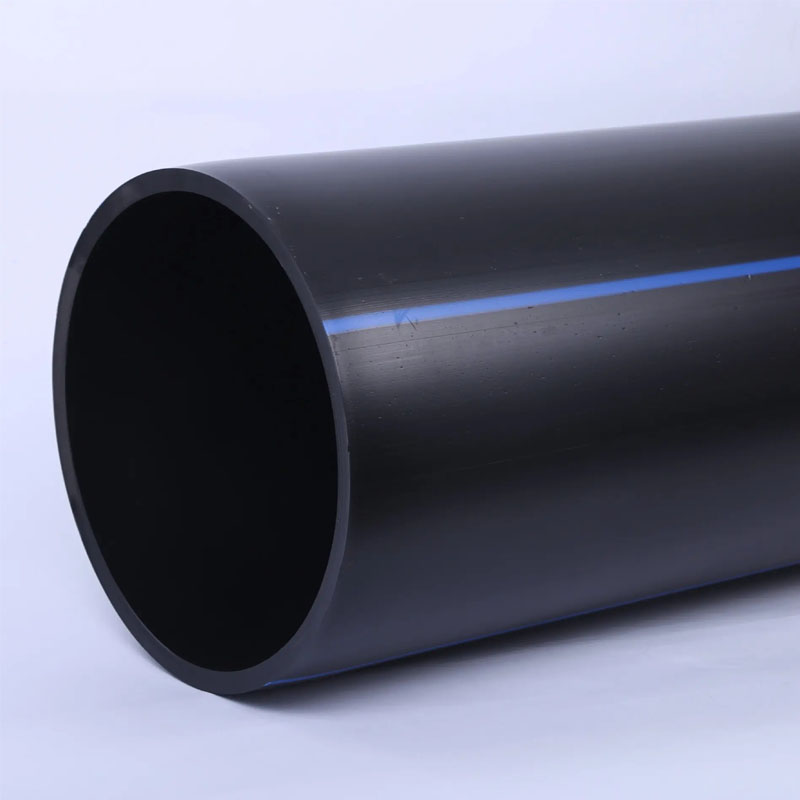
Introduction
High-Density Polyethylene (HDPE) sprinkler pipe fittings are critical components in irrigation systems, providing reliable fluid transfer for agricultural, commercial, and residential applications. These fittings connect HDPE pipes, enabling the distribution of water to sprinklers and other irrigation devices. They occupy a crucial position within the broader agricultural infrastructure supply chain, situated between polymer production and end-user irrigation system installation. Core performance characteristics include pressure resistance, chemical inertness, UV resistance, and long-term durability. A significant industry pain point revolves around ensuring consistent dimensional accuracy and weldability of fittings to prevent leaks and system failures, alongside maintaining adequate burst pressure ratings under varying environmental conditions. The increasing demand for water conservation drives the need for efficient and leak-proof irrigation solutions, making HDPE sprinkler pipe fitting quality paramount.
Material Science & Manufacturing
HDPE sprinkler pipe fittings are typically manufactured from high-density polyethylene resins, specifically grades designed for pressure applications. The raw material’s molecular weight distribution, density (typically 0.941 – 0.965 g/cm³), and melt flow index (MFI) are critical parameters influencing the final product’s mechanical properties. Manufacturing processes commonly employed include injection molding for smaller fittings (elbows, tees, couplings) and butt fusion/electrofusion welding for larger diameter fittings and connecting pipes. Injection molding requires precise control of mold temperature (typically 60-90°C), injection pressure (ranging from 50-150 MPa), and cooling rates to minimize warping and ensure dimensional accuracy. Butt fusion welding involves heating the fitting and pipe ends to a semi-molten state and then joining them under pressure, requiring precise temperature control (around 130-180°C) and timing to achieve a homogenous weld. Electrofusion welding utilizes an integrated heating element within the fitting to create the weld, offering more precise temperature control and enhanced weld integrity. Chemical compatibility is vital; HDPE exhibits excellent resistance to most agricultural chemicals, but prolonged exposure to strong oxidizing agents should be avoided. Degradation can occur if the HDPE is exposed to prolonged UV radiation without stabilization additives (typically carbon black or UV stabilizers), leading to embrittlement and loss of strength.
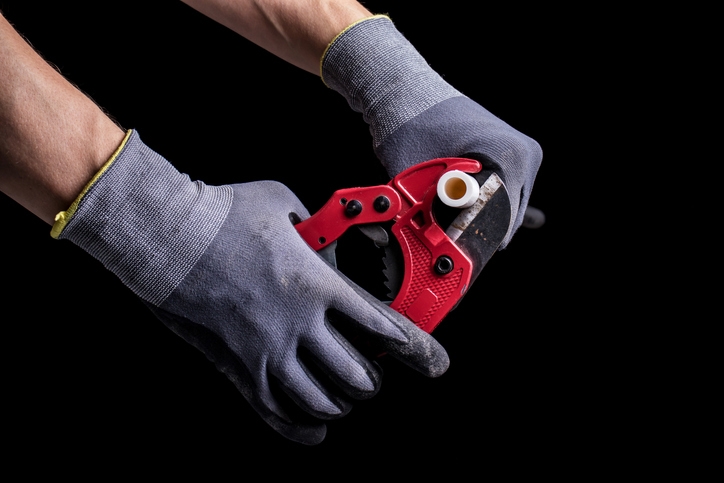
Performance & Engineering
The performance of HDPE sprinkler pipe fittings is largely dictated by their ability to withstand internal pressure and external loads. Force analysis considers hoop stress within the pipe wall due to internal pressure, which is directly related to pipe diameter, wall thickness, and operating pressure. Fittings must be engineered to handle these stresses without failure. Environmental resistance is another key consideration. HDPE exhibits good resistance to temperature fluctuations (operational range typically -40°C to 60°C), but thermal expansion and contraction need to be accounted for in system design to prevent stress cracking at joints. Long-term hydrostatic strength (LTHS) is a crucial metric, representing the maximum sustained pressure the fitting can withstand over a defined period (typically 50 years). Compliance requirements are stringent, dictated by regional standards for potable water and irrigation systems. Fatigue analysis is essential, especially for fittings subjected to repeated pressure cycling. The functional implementation involves ensuring proper sealing at joints to prevent leaks and maintain system efficiency. Finite element analysis (FEA) is often used to optimize fitting designs for stress distribution and minimize potential failure points. Soil loading and burial depth must also be considered if the piping system is underground.
Technical Specifications
| Parameter | Unit | Specification Range | Test Standard |
|---|---|---|---|
| Material | - | HDPE (PE100/PE80) | ASTM D3350 |
| Pressure Rating (PN) | Bar | PN6, PN10, PN16 | ISO 14236 |
| Operating Temperature | °C | -40 to 60 | ASTM D3350 |
| Burst Pressure | Bar | >2.5 x PN | ISO 14236 |
| Dimensional Tolerance (Diameter) | mm | ±0.5% | ISO 4427 |
| UV Resistance | Hours (to 50% tensile strength loss) | >1000 | ASTM D4455 |
Failure Mode & Maintenance
HDPE sprinkler pipe fitting failures commonly occur due to several mechanisms. Stress cracking, particularly environmental stress cracking (ESC), can occur when the fitting is subjected to sustained tensile stress in the presence of certain chemicals or detergents. Fatigue cracking can result from repeated pressure cycling, especially in areas of stress concentration such as weld joints. Oxidation, while HDPE is inherently oxidation-resistant, can occur at elevated temperatures or in the presence of strong oxidizing agents. UV degradation leads to embrittlement and loss of impact resistance, especially in fittings not adequately stabilized. Poor weld quality is a frequent failure point, often stemming from insufficient heating, improper pressure, or contamination during the welding process. Delamination can occur in fittings manufactured with inadequate material mixing or insufficient cooling. Preventative maintenance includes regular visual inspections for cracks, leaks, or signs of degradation. Pressure testing should be conducted periodically to verify system integrity. Proper storage of fittings, protected from direct sunlight and extreme temperatures, is crucial. If cracks are detected, the fitting should be replaced immediately. Weld inspections using non-destructive testing methods (e.g., ultrasonic testing) can identify potential flaws before they lead to failure. Ensure proper backfilling around buried pipes to prevent mechanical damage.
Industry FAQ
Q: What is the impact of differing HDPE resin grades (PE80 vs. PE100) on fitting performance?
A: PE100 offers superior long-term hydrostatic strength (LTHS) compared to PE80. This translates to a longer service life and increased resistance to slow crack growth. While PE80 may be sufficient for lower-pressure applications, PE100 is generally preferred for critical irrigation systems requiring higher reliability and longevity, especially when operating at elevated temperatures.
Q: How critical is proper welding technique when joining HDPE fittings to pipes?
A: Extremely critical. Improper welding is a primary cause of fitting failure. Precise temperature control, adequate welding pressure, and ensuring clean surfaces are essential. Qualified welding operators and adherence to established welding procedures (e.g., DVS 2207) are non-negotiable. Post-weld inspection is also vital to confirm weld integrity.
Q: What are the best practices for preventing environmental stress cracking in HDPE fittings?
A: Avoid contact with incompatible chemicals, particularly strong detergents and solvents. Ensure adequate burial depth to protect fittings from UV exposure. Minimize sustained tensile stress on fittings through proper system design and support. Selecting fittings with higher molecular weight distribution HDPE resins can also enhance ESC resistance.
Q: How does UV radiation affect the lifespan of HDPE sprinkler pipe fittings?
A: Prolonged UV exposure causes degradation of the HDPE polymer, leading to embrittlement, loss of impact strength, and ultimately, failure. Fittings should be formulated with UV stabilizers (typically carbon black) and, if possible, shielded from direct sunlight through burial or protective coatings.
Q: What testing is performed to ensure HDPE sprinkler pipe fittings meet industry standards?
A: Common tests include hydrostatic pressure testing (ISO 14236, ASTM D3350), impact resistance testing (ASTM D2444), tensile strength testing (ASTM D638), and slow crack growth testing (ASTM D1694). Dimensional accuracy is verified per ISO 4427.
Conclusion
HDPE sprinkler pipe fittings represent a robust and reliable solution for irrigation systems, offering excellent chemical resistance, durability, and ease of installation. However, achieving optimal performance and long-term reliability hinges on meticulous attention to material selection, manufacturing processes, and proper installation techniques. Understanding the potential failure modes, such as stress cracking and weld defects, and implementing proactive maintenance strategies are crucial for minimizing downtime and maximizing system lifespan.
The continued demand for efficient irrigation systems will drive further advancements in HDPE fitting technology, focusing on enhanced material properties, improved welding techniques, and smarter monitoring systems. Staying abreast of evolving industry standards (ASTM, ISO) and best practices will be essential for manufacturers and end-users alike to ensure the long-term viability and sustainability of irrigation infrastructure.
-
DN25 HDPE Compression Fitting-HORON INTERNATIONAL|Reliable Irrigation Solutions
NewsFeb.11,2026
-
discount 40mm pvc pipe Performance Analysis
News2026-06-26
-
discount hdpe to pvc connection Performance Analysis
News2026-06-26
-
discount ppr pipe 1 price Technical Analysis
News2026-06-26
-
discount colored pvc pipe Material Science and Manufacturing
News2026-06-26
-
discount hdpe pipe price list pdf Performance and Engineering
News2026-06-26
-
discount ppr for hot water Performance Analysis
News2026-06-25
-
discount bulk pvc pipe Material Performance
News2026-06-25
-
discount pvc pipes price list Material Science and Manufacturing
News2026-06-25
-
discount 20 ft pvc pipe Performance Analysis
News2026-06-25
-
discount ppr cold water pipe Performance Analysis
News2026-06-25
-
discount 24 inch diameter pvc pipe price Performance Analysis
News2026-06-24
-
discount 4 hdpe drain pipe Performance Analysis
News2026-06-24
-
discount 12 hdpe pipe Performance Analysis
News2026-06-24
-
discount hdpe reducing coupling Performance Analysis
News2026-06-24
-
discount hdpe corrugated sewer pipe Performance Engineering
News2026-06-24