

Feb . 11, 2026 00:01 Back to list
hdpe corrugated sewer pipe service Performance Analysis
Introduction
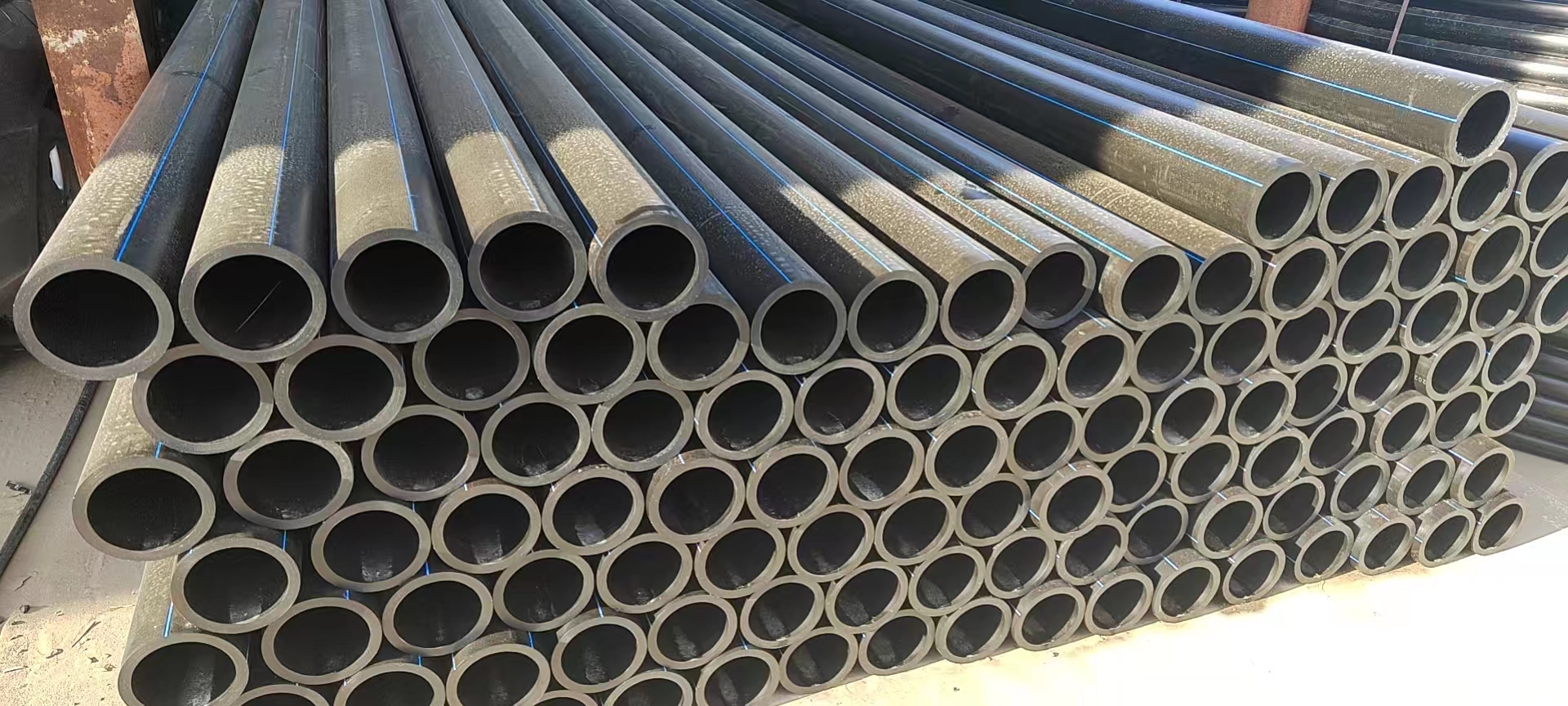
High-Density Polyethylene (HDPE) corrugated sewer pipe is a widely utilized, non-metallic piping system for gravity-fed sanitary and storm sewer applications. Its position within the wastewater infrastructure chain is as the conveyance network connecting individual properties to centralized treatment facilities or discharge points. This system represents a significant advancement over traditional materials like concrete and ductile iron, primarily due to its lightweight nature, corrosion resistance, and ease of installation. Core performance characteristics revolve around hydraulic capacity, structural integrity under load (soil cover, traffic), and long-term durability in aggressive subsurface environments. A critical pain point within the industry is ensuring adequate joint integrity to prevent infiltration and exfiltration, which can lead to environmental contamination and reduced system efficiency. Furthermore, maintaining consistent dimensional tolerances during manufacturing is crucial for proper system functionality and minimizing installation complexities. The economic lifecycle cost, considering installation, maintenance, and longevity, is a key driver for selection by municipalities and engineering firms.
Material Science & Manufacturing
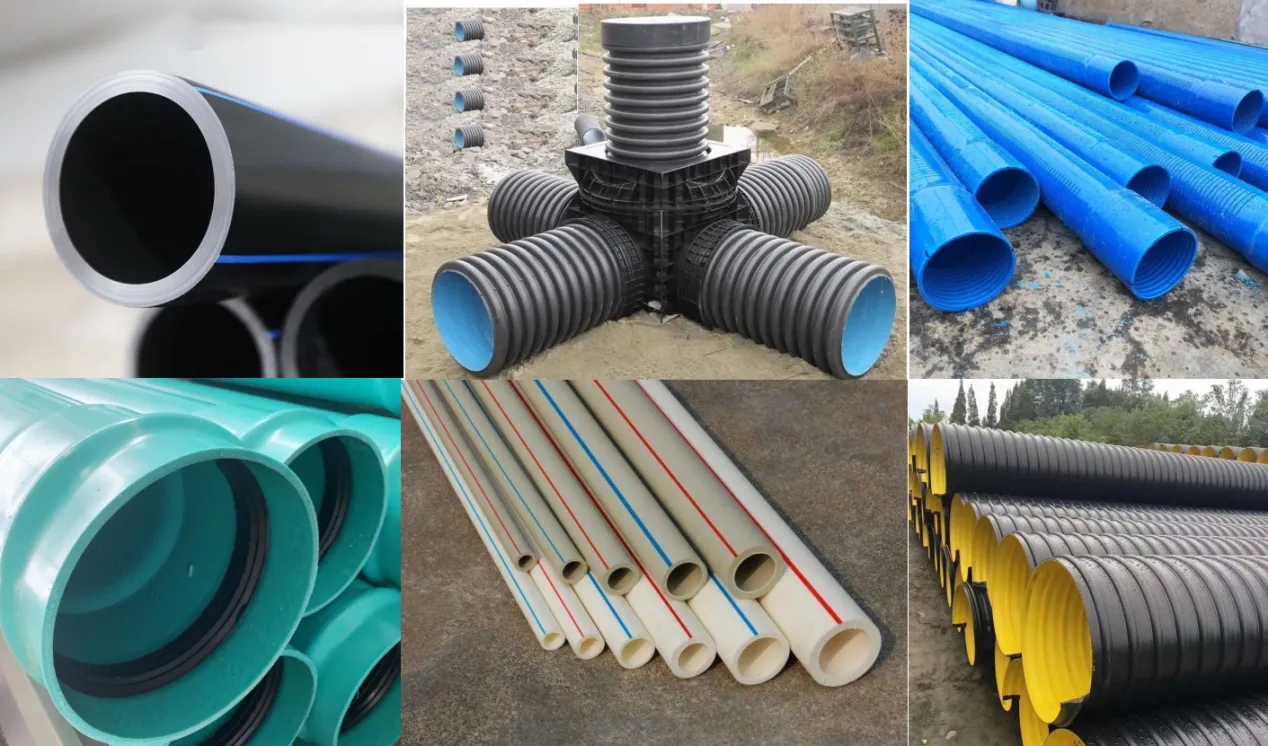
The primary raw material for HDPE corrugated sewer pipe is high-density polyethylene resin, typically conforming to ASTM D3350 or equivalent standards (ISO 4455). HDPE is a thermoplastic polymer characterized by its high tensile strength-to-density ratio and excellent chemical resistance. The resin’s molecular weight distribution and density are key factors influencing the final pipe properties. Manufacturing begins with extrusion, where HDPE resin pellets are melted and formed into a continuous profile. Corrugation is typically formed using specialized rollers during the extrusion process, creating a ribbed outer surface that provides structural rigidity. The corrugation profile (shape and depth) is a critical parameter influencing the pipe’s load-bearing capacity. Subsequent processes involve the attachment of watertight gaskets within the bell ends of the pipe sections, typically made of EPDM rubber or similar elastomers, to ensure leak-proof joints. Quality control during manufacturing focuses on maintaining consistent wall thickness, corrugation dimensions, and gasket placement. Parameter control during extrusion, including melt temperature, die pressure, and cooling rates, is vital to preventing defects like weld lines or dimensional inconsistencies. The resin's melt flow index (MFI) is monitored to ensure proper processability, and batch traceability is maintained for quality assurance. The injection molding process used for manufacturing the spigot ends and bell couplers requires precise temperature control and mold design to ensure dimensional accuracy and proper gasket seating.
Performance & Engineering
The performance of HDPE corrugated sewer pipe is dictated by its ability to withstand both internal hydrostatic pressure and external loads imposed by soil cover and surface traffic. Force analysis involves considering hoop stress induced by internal pressure and bending stress due to external loads. The corrugation profile significantly enhances the pipe’s structural rigidity and resistance to buckling. Environmental resistance is a critical factor, as sewer pipes are exposed to aggressive subsurface environments containing corrosive substances and varying temperatures. HDPE exhibits excellent chemical resistance to most commonly encountered compounds in wastewater, including acids, bases, and solvents. However, long-term exposure to certain hydrocarbons can lead to swelling and degradation. Compliance with industry standards, such as ASTM F894 and ASTM F477, is essential to ensure the pipe meets minimum performance requirements. These standards specify requirements for stiffness, strength, and joint tightness. The Manning’s equation is used to calculate the hydraulic capacity of the pipe, considering its diameter, slope, and roughness coefficient. Proper installation techniques, including adequate bedding and backfill compaction, are crucial for maximizing the pipe’s performance and preventing deformation or failure. The pipe's deflection under load must be within acceptable limits, as excessive deflection can compromise joint integrity and reduce hydraulic capacity.
Technical Specifications
| Diameter (in) | Pipe Stiffness (psi) | Burst Pressure (psi) | Minimum Cover Requirement (ft) |
|---|---|---|---|
| 12 | 42 | 1800 | 3 |
| 15 | 48 | 2200 | 4 |
| 18 | 54 | 2600 | 5 |
| 24 | 60 | 3000 | 6 |
| 30 | 66 | 3400 | 7 |
| 36 | 72 | 3800 | 8 |
Failure Mode & Maintenance
Common failure modes in HDPE corrugated sewer pipe include joint separation due to inadequate compaction or ground movement, cracking due to overstress or impact damage, and slow crack growth (SCG) resulting from sustained tensile stress and exposure to aggressive chemicals. Fatigue cracking can occur under cyclic loading from traffic or soil settlement. Delamination of the pipe wall can occur if the HDPE material is contaminated or improperly processed during manufacturing. Oxidation, while less common, can degrade the material over extended periods of exposure to high temperatures and UV radiation. Regular inspection and maintenance are crucial for preventing premature failure. Visual inspection should focus on identifying signs of joint separation, cracking, or deformation. Smoke testing or dye testing can be used to detect infiltration and exfiltration. Preventative maintenance measures include ensuring proper bedding and backfill compaction during installation, avoiding heavy loads over the pipe, and implementing a regular cleaning schedule to remove debris and sediment. For joint separation, re-compaction of the surrounding soil or joint repair with appropriate sealing compounds may be necessary. Cracked pipes may require section replacement. In cases of SCG, the affected section should be replaced, and the cause of the stress and chemical exposure should be investigated and addressed. Ground movement and soil stabilization techniques might be necessary to prevent further damage.
Industry FAQ
Q: What is the long-term impact of fluctuating groundwater levels on the performance of HDPE corrugated sewer pipe?
A: Fluctuating groundwater levels can induce cyclic loading on the pipe, potentially leading to fatigue cracking and joint separation. Hydrostatic uplift forces can also cause deformation if the pipe is not adequately anchored or if the bedding material is insufficient. Proper bedding and backfill compaction, combined with appropriate pipe stiffness selection for the specific site conditions, are crucial for mitigating these risks. Geotechnical investigation and careful design considerations are essential.
Q: How does the choice of backfill material affect the long-term performance of the pipe?
A: Backfill material plays a critical role in providing support and distributing loads to the pipe. Granular materials with good drainage characteristics are preferred, as they minimize hydrostatic pressure and allow for easier detection of leaks. Materials with sharp edges should be avoided, as they can damage the pipe’s corrugations. Proper compaction is essential to ensure adequate support and prevent differential settlement. Poorly compacted backfill can lead to pipe deformation and joint failure.
Q: What are the typical service life expectations for HDPE corrugated sewer pipe?
A: With proper installation and maintenance, HDPE corrugated sewer pipe can have a service life exceeding 50 years, and potentially up to 100 years. The actual service life depends on factors such as soil conditions, loading conditions, wastewater composition, and the quality of installation. Regular inspection and preventative maintenance can significantly extend the service life.
Q: Are there specific considerations for installing HDPE corrugated sewer pipe in seismic zones?
A: In seismic zones, additional design considerations are necessary to account for ground movement and potential pipe deformation. Flexible joints should be used to accommodate differential settlement, and the pipe should be adequately anchored to prevent displacement. Increased bedding and backfill compaction may also be required to enhance stability. Seismic design should comply with relevant building codes and standards.
Q: What is the impact of root intrusion on HDPE corrugated sewer pipe systems?
A: While HDPE is generally resistant to root intrusion, roots can exploit imperfections in joints or damage to the pipe wall. Maintaining watertight joints and ensuring proper pipe installation are crucial for preventing root intrusion. Periodic inspection and root removal are recommended. Consideration should be given to using root barriers during installation, particularly in areas prone to tree growth.
Conclusion
HDPE corrugated sewer pipe represents a robust and cost-effective solution for wastewater conveyance, offering significant advantages over traditional materials in terms of durability, ease of installation, and long-term performance. Its inherent corrosion resistance and lightweight nature contribute to reduced maintenance costs and extended service life. However, ensuring proper installation techniques, including adequate bedding, backfill compaction, and watertight joint connections, is paramount to realizing these benefits.
Moving forward, continued advancements in HDPE resin technology and manufacturing processes will likely lead to even higher-performance pipe systems. Further research into the long-term effects of various environmental factors on HDPE pipe, combined with the development of more sophisticated inspection and maintenance techniques, will be crucial for optimizing the lifecycle cost and sustainability of wastewater infrastructure. Adherence to relevant industry standards and best practices remains essential for ensuring the reliable and efficient operation of these critical systems.
-
DN25 HDPE Compression Fitting-HORON INTERNATIONAL|Reliable Irrigation Solutions
NewsFeb.11,2026
-
china upvc column pipes for submersible pumps price list Performance Analysis
News2026-05-27
-
china ppr pipe for water supply Performance Analysis
News2026-05-27
-
china 20mm ppr pipe price Performance Analysis
News2026-05-27
-
china hdpe pipe 24 inch Performance Analysis
News2026-05-27
-
china hdpe to steel coupling Performance Analysis
News2026-05-27
-
china water lines under kitchen sink Performance Analysis
News2026-05-26
-
china hdpe conduit coupling Performance Analysis
News2026-05-26
-
china pvc irrigation pipe Performance Analysis
News2026-05-26
-
china all types of pvc pipes Performance Analysis
News2026-05-26
-
china hdpe reducing coupler Performance Analysis
News2026-05-26
-
china type of ppr pipe Manufacturing Analysis
News2026-05-25
-
china plumbing ppr pipe Performance Analysis
News2026-05-25
-
china 20mm ppr pipe Material Science
News2026-05-25
-
china pvc sprinkler pipe Performance and Engineering
News2026-05-25
-
china dn500 hdpe double wall corrugated pipe for sewage drain Performance Analysis
News2026-05-25