

Feb . 11, 2026 00:01 Back to list
dn500 hdpe double wall corrugated pipe for sewage drain products Technical Analysis
Introduction
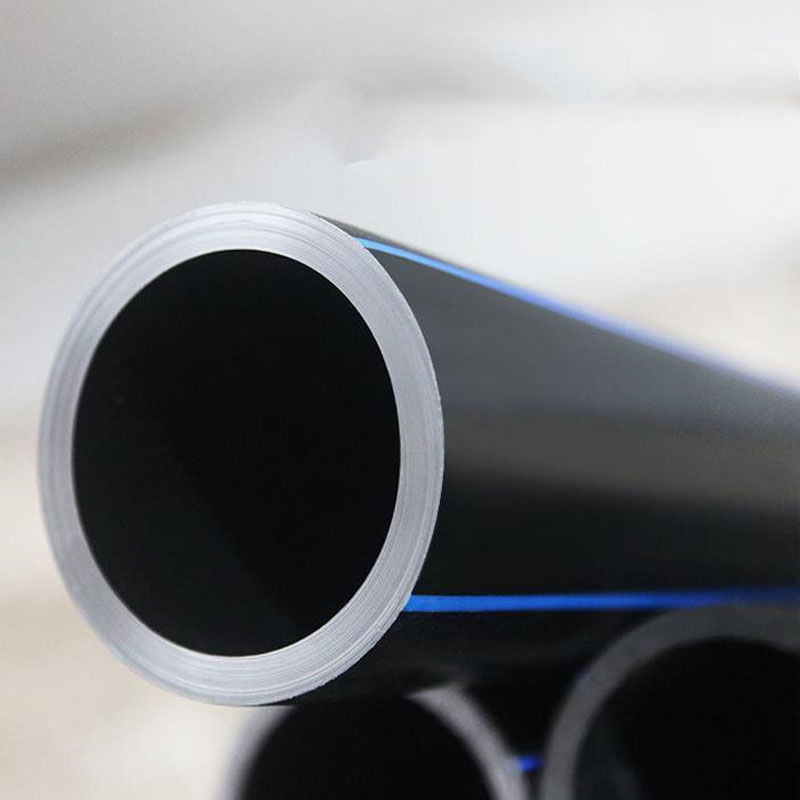
DN500 High-Density Polyethylene (HDPE) double-wall corrugated pipe is a widely utilized conduit system for gravity-fed sewage drainage applications. Its position within the wastewater management infrastructure chain is critical, functioning as the primary transport mechanism for effluent from residential, commercial, and industrial sources to treatment facilities. This pipe system differentiates itself from traditional concrete or PVC piping through its lightweight nature, corrosion resistance, and ease of installation. Core performance characteristics revolve around its structural integrity under load (soil cover, traffic), long-term hydraulic flow capacity, and resistance to chemical attack from common sewage components. This guide provides an in-depth technical analysis of DN500 HDPE double-wall corrugated pipe, covering material science, manufacturing processes, performance engineering, failure modes, and relevant industry standards. The primary industry pain point addressed by this product is the need for durable, cost-effective, and environmentally sustainable drainage solutions that minimize infiltration and exfiltration, prevent root intrusion, and require minimal maintenance over an extended service life.
Material Science & Manufacturing
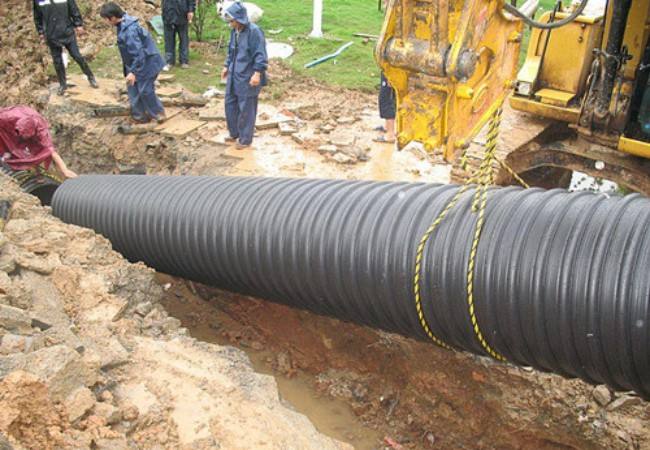
The core material for DN500 HDPE double-wall corrugated pipe is high-density polyethylene (HDPE), specifically grades meeting or exceeding ASTM D3350 standards. HDPE is selected for its high strength-to-density ratio, excellent chemical resistance to a broad spectrum of substances found in sewage, and its inherent flexibility which allows for accommodating ground movement without cracking. The raw material’s molecular weight distribution, melt flow index, and carbon black content (for UV protection) are critical parameters controlled during sourcing. Manufacturing involves a two-stage process. First, the outer corrugated layer is formed via extrusion, using a specialized die to create the characteristic annular ribs. These ribs provide structural rigidity and resistance to external loads. Second, the inner smooth-wall layer is co-extruded over the corrugated layer, ensuring optimal hydraulic flow characteristics and minimizing friction losses. Precise control of extrusion temperature, screw speed, and die pressure is vital to maintaining consistent wall thickness and dimensional accuracy. Post-extrusion, the pipe undergoes cooling, sizing, and cutting to specified lengths. Couplers and fittings are typically manufactured using injection molding, employing HDPE resin compatible with the pipe material to ensure watertight joints. Quality control measures include hydrostatic pressure testing, impact resistance testing, and dimensional inspections at various stages of the manufacturing process.
Performance & Engineering
The performance of DN500 HDPE double-wall corrugated pipe is governed by several key engineering principles. Load bearing capacity, specifically resistance to soil loads and potential traffic loads, is calculated using finite element analysis (FEA) and validated through laboratory testing per ASTM D2412. This involves assessing the pipe’s ability to withstand vertical bending stress without collapsing. Hydraulic performance is characterized by the Manning’s equation, which relates flow velocity to pipe slope, diameter, and roughness coefficient. The smooth inner wall minimizes friction and maximizes flow capacity, crucial for efficient sewage transport. Long-term performance relies on creep resistance – HDPE’s ability to withstand sustained loads over decades without significant deformation. Chemical resistance is evaluated based on exposure to common sewage constituents like hydrogen sulfide, sulfates, and organic acids, ensuring no degradation of the pipe material. Environmental resistance also includes UV stabilization provided by carbon black additives, preventing embrittlement from sunlight exposure. Installation practices, particularly proper bedding and backfill compaction, significantly impact long-term performance. Compliance with local building codes and regulations, including those pertaining to pipe burial depth and joint construction, is mandatory. The pipe’s flexibility allows for accommodating differential settlement, mitigating the risk of joint separation or cracking.
Technical Specifications
| Parameter | Unit | Specification | Testing Standard |
|---|---|---|---|
| Nominal Diameter | mm | 500 | ASTM D2412 |
| Ring Stiffness | kN/m2 | >8.0 | ASTM D2412 |
| Pipe Stiffness | PSI | >200 | ASTM D2412 |
| Tensile Strength at Yield | MPa | >8.0 | ASTM D638 |
| Elongation at Break | % | >300 | ASTM D638 |
| Impact Resistance (Charpy) | kJ/m2 | >20 | ASTM D256 |
| Hydrostatic Design Pressure | kPa | >150 | ASTM D2837 |
Failure Mode & Maintenance
DN500 HDPE double-wall corrugated pipe, while durable, is susceptible to specific failure modes. Fatigue cracking can occur due to repeated stress from heavy loads or ground movement, particularly around bell-and-spigot joints. Ovalization, or distortion of the pipe’s circular cross-section, can result from inadequate bedding or excessive external pressure, leading to reduced flow capacity and potential joint failure. Chemical degradation, although rare with HDPE’s inherent resistance, can occur from prolonged exposure to highly concentrated corrosive substances. Joint separation can occur due to improper installation, inadequate compaction around joints, or differential settlement. Root intrusion is a common issue, with roots exploiting imperfections in joints or cracks in the pipe wall. Maintenance primarily focuses on preventative measures. Regular inspections using CCTV cameras can identify early signs of damage, such as cracks, ovalization, or root intrusion. Joints should be inspected for leakage or separation. Preventative root control programs, including chemical root inhibitors, can minimize the risk of root intrusion. Repair options include point repairs using sleeves or couplings, or complete pipe replacement in cases of extensive damage. Proper backfilling and compaction procedures during installation are paramount to preventing long-term failures. Addressing subsurface water issues can also reduce the likelihood of pipe movement and joint separation.
Industry FAQ
Q: What is the impact of soil corrosivity on the lifespan of DN500 HDPE pipe?
A: Soil corrosivity primarily affects metallic components, such as any steel reinforcing within surrounding structures, but has minimal direct impact on the HDPE pipe itself. However, highly acidic or alkaline soils can accelerate the degradation of surrounding bedding materials, potentially leading to inadequate support and increased stress on the pipe. Geotechnical surveys are recommended to assess soil pH and corrosivity levels prior to installation, and appropriate bedding materials should be selected to mitigate any potential risks.
Q: How does DN500 HDPE pipe perform in areas with high groundwater tables?
A: DN500 HDPE pipe performs well in high groundwater conditions due to its watertight joints and resistance to hydrostatic pressure. However, proper installation is crucial. Adequate bedding and backfill compaction are essential to prevent flotation and ensure the pipe remains stable. Consideration should be given to buoyancy forces, especially during installation. Geotextiles can be used to improve drainage and prevent soil erosion around the pipe.
Q: What are the limitations of DN500 HDPE pipe regarding maximum burial depth?
A: Maximum burial depth is determined by the pipe's ring stiffness and the anticipated external loads (soil cover, traffic). Generally, DN500 HDPE pipe can be buried to depths of up to 6 meters, but this is dependent on a site-specific engineering analysis. The analysis should consider soil properties, groundwater conditions, and expected traffic loads to ensure the pipe can withstand the imposed stresses without failure.
Q: What is the recommended jointing method for DN500 HDPE pipe to ensure long-term watertightness?
A: The most common and reliable jointing method for DN500 HDPE pipe is the bell-and-spigot joint with a rubber gasket. Proper assembly is critical, ensuring the gasket is correctly seated and lubricated. Joints should be aligned correctly and assembled according to the manufacturer’s instructions. For larger diameter pipes, heat fusion welding may also be employed to create a permanent, watertight joint.
Q: How does DN500 HDPE pipe compare to concrete pipe in terms of lifecycle cost?
A: While concrete pipe may have a lower initial material cost, DN500 HDPE pipe typically offers a lower lifecycle cost. HDPE’s lighter weight reduces transportation and installation costs. Its corrosion resistance eliminates the need for costly repairs and replacements associated with concrete pipe deterioration. Furthermore, HDPE’s smooth inner surface reduces energy consumption for pumping, resulting in long-term operational savings.
Conclusion
DN500 HDPE double-wall corrugated pipe represents a significant advancement in sewage drainage technology, offering a robust, durable, and cost-effective solution for wastewater conveyance. Its material properties, coupled with precise manufacturing control, deliver exceptional structural integrity, hydraulic performance, and resistance to environmental degradation. The pipe’s inherent flexibility and lightweight nature simplify installation and reduce project timelines. By understanding the potential failure modes and implementing proper maintenance procedures, the long-term performance and reliability of DN500 HDPE pipe systems can be maximized.
Moving forward, continued innovation in HDPE resin formulations and manufacturing techniques will further enhance the performance characteristics of this vital infrastructure component. Research into advanced jointing methods and improved installation procedures will contribute to increased durability and reduced maintenance requirements. The increasing emphasis on sustainable infrastructure solutions positions DN500 HDPE pipe as a key element in modern wastewater management systems, minimizing environmental impact and ensuring reliable sewage conveyance for decades to come.
-
DN25 HDPE Compression Fitting-HORON INTERNATIONAL|Reliable Irrigation Solutions
NewsFeb.11,2026
-
china corrugated pipe double wall Manufacturing Analysis
News2026-05-15
-
china ppr ct pipe Technical Analysis
News2026-05-15
-
china 32mm ppr Performance Analysis
News2026-05-15
-
china 63mm ppr pipe price Performance Analysis
News2026-05-15
-
china 1 ppr pipe price Performance Analysis
News2026-05-15
-
china 32mm ppr pipe price Performance Analysis
News2026-05-14
-
china hdpe pipe for sale Performance Analysis
News2026-05-14
-
china ppr pipe 32mm Performance Analysis
News2026-05-14
-
china pvc pipes Manufacturing and Performance Analysis
News2026-05-14
-
china hdpe n 12 corrugated dual wall pipe Performance Analysis
News2026-05-14
-
china hdpe corrugated pipe sizes Performance Analysis
News2026-05-13
-
china ppr pipe for hot and cold water Technical Overview
News2026-05-13
-
china 150mm pvc pipe Performance Analysis
News2026-05-13
-
china 60mm pvc pipe Performance Analysis
News2026-05-13
-
china 12 inch diameter pvc pipe Performance Analysis
News2026-05-13