

Feb . 11, 2026 00:01 Back to list
dn500 hdpe double wall corrugated pipe for sewage drain manufacturers Performance Analysis
Introduction
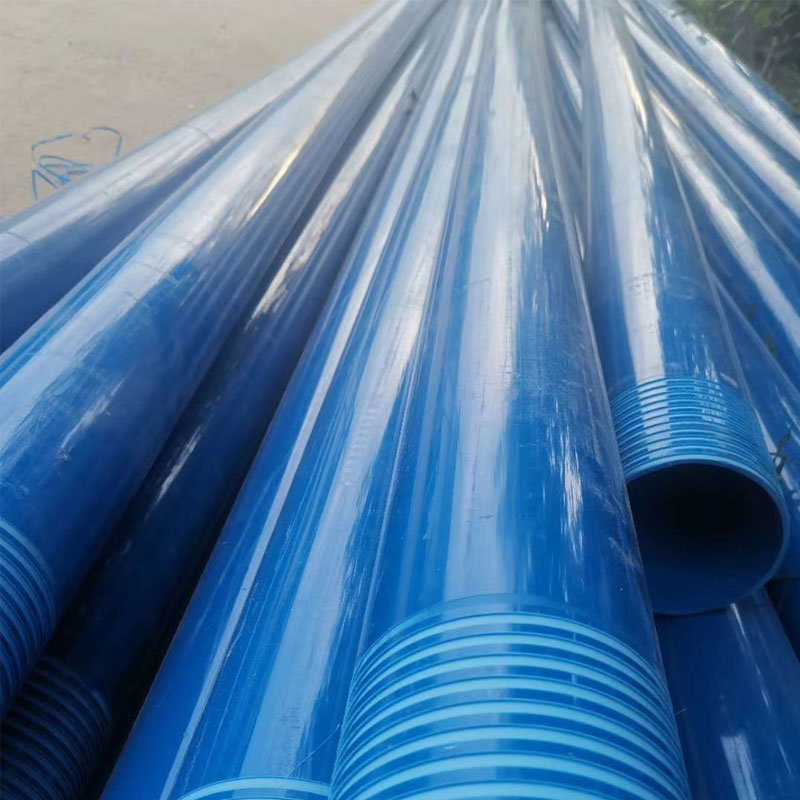
DN500 High-Density Polyethylene (HDPE) double-wall corrugated pipe is a critical component in modern sewage drainage systems. Positioned within the broader infrastructure landscape, these pipes serve as a conduit for wastewater transport, replacing traditional materials like concrete, PVC, and ductile iron in numerous applications. Their inherent properties – lightweight, durability, corrosion resistance, and ease of installation – provide a cost-effective and long-lasting solution for municipal and industrial wastewater management. This technical guide details the material science, manufacturing processes, performance characteristics, potential failure modes, and industry standards surrounding DN500 HDPE double-wall corrugated pipe, specifically targeting manufacturers and specifying engineers. The core performance is characterized by high ring stiffness, hydraulic capacity, and joint integrity, directly impacting the longevity and efficiency of sewage drain infrastructure. A primary pain point addressed by this product is the long-term maintenance and replacement costs associated with traditional piping materials, particularly in corrosive environments.
Material Science & Manufacturing
The foundation of DN500 HDPE double-wall corrugated pipe lies in the properties of high-density polyethylene (HDPE). HDPE is a thermoplastic polymer known for its high strength-to-density ratio, excellent chemical resistance, and flexibility. The raw material typically conforms to PE100 or PE80 standards, dictating minimum requirements for molecular weight and density, directly influencing long-term hydrostatic strength (HRS) and slow crack growth resistance (SCGR). Manufacturing begins with HDPE resin, which undergoes extrusion. The process involves melting the resin and forcing it through a die to create the corrugated outer wall and a smooth inner wall. This is typically accomplished using a double-extrusion process. Key parameters controlled during extrusion include melt temperature, die pressure, cooling rate, and haul-off speed. Consistent wall thickness and corrugation geometry are critical. The corrugated profile is designed to maximize ring stiffness, resisting deformation under load. Jointing is typically achieved via electrofusion welding, butt fusion welding, or mechanical couplings. Electrofusion utilizes electrical resistance to melt and fuse the pipe ends, creating a homogenous joint. Butt fusion involves heating both pipe ends and pressing them together. Quality control includes rigorous testing of HDPE resin properties (density, melt flow index), dimensional accuracy of the pipe, and weld strength of the joints. A critical consideration is the prevention of environmental stress cracking (ESC) during manufacturing and installation; proper annealing processes and avoidance of harsh cleaning agents are paramount.
Performance & Engineering
The performance of DN500 HDPE double-wall corrugated pipe is dictated by several key engineering considerations. Ring stiffness, measured in psi or kPa, is a primary indicator of the pipe's ability to withstand external loads from soil, traffic, and hydrostatic pressure. This is governed by the corrugation profile and wall thickness. Hydraulic capacity, assessed via Manning's equation, is critical for efficient wastewater transport, minimizing sedimentation and maintaining flow velocity. The smooth inner wall minimizes friction losses. Long-term hydrostatic strength (HRS) is a crucial parameter determining the pipe’s resistance to internal pressure over its design life (typically 50+ years). This is influenced by PE material grade, temperature, and stress concentration around fittings. Burial depth and soil conditions directly impact pipe performance. Backfilling procedures must adhere to industry best practices to ensure uniform support and prevent damage during compaction. Deflection testing assesses the pipe’s ability to withstand ground movement and maintain hydraulic capacity. Chemical resistance is a significant advantage of HDPE; it is largely unaffected by typical components found in sewage, including acids, bases, and organic compounds. However, prolonged exposure to specific solvents should be avoided. Compliance with relevant standards (discussed in the footer) ensures the pipe meets minimum performance requirements for structural integrity, leak tightness, and environmental safety.
Technical Specifications
| Parameter | Unit | DN500 HDPE (Typical) | Standard Reference |
|---|---|---|---|
| Nominal Diameter | mm | 500 | EN 13476-1 |
| Ring Stiffness | kN/m² | 8.0 - 12.0 | EN 13476-2 |
| Standard Length | m | 6 | ASTM F2306 |
| Wall Thickness (Outer) | mm | 5.8 – 7.3 | EN 13476-2 |
| Wall Thickness (Inner) | mm | 3.2 – 4.1 | EN 13476-2 |
| Hydrostatic Pressure (HRS) | MPa | ≥ 8.0 | ISO 11679 |
| Slow Crack Growth Resistance (SCGR) | Hours | ≥ 1000 | ISO 13479 |
Failure Mode & Maintenance
Despite its durability, DN500 HDPE double-wall corrugated pipe is susceptible to certain failure modes. Environmental Stress Cracking (ESC) is a primary concern, particularly when exposed to aggressive soil chemicals or improper installation techniques. Fatigue cracking can occur due to repeated loading and unloading, especially in heavily trafficked areas. Joint failures, stemming from improper welding procedures or material defects, can lead to leakage and infiltration. Ovalization, or deformation of the pipe cross-section, can occur due to insufficient backfill support or excessive external loads, reducing hydraulic capacity. Oxidation, while slow, can degrade the HDPE over extended periods, reducing its strength and flexibility. Maintenance typically involves regular inspection for signs of damage, such as cracks, leaks, or deformation. Proper backfilling and compaction are crucial preventative measures. Joints should be inspected for integrity using non-destructive testing methods. In cases of minor cracking, repairs can be made using heat fusion welding or specialized repair couplings. For significant damage, pipe replacement is often necessary. Preventative maintenance programs, including periodic CCTV inspections, can identify potential problems before they escalate. Avoiding the use of strong solvents during cleaning and ensuring proper grounding to prevent stray current corrosion are also important.
Industry FAQ
Q: What are the key advantages of HDPE double-wall corrugated pipe over concrete pipe for sewage applications?
A: HDPE offers significantly lower weight, facilitating easier and faster installation, reducing labor costs. It exhibits superior corrosion resistance, eliminating the need for protective coatings and extending service life. HDPE also provides greater flexibility, allowing for installation in challenging ground conditions and reducing the risk of cracking due to ground movement. Concrete is prone to cracking, infiltration, and corrosion.
Q: How does the ring stiffness of DN500 HDPE pipe affect its suitability for different burial depths?
A: Higher ring stiffness values indicate greater resistance to deformation under load. Deeper burial depths and heavier traffic loads require pipes with higher ring stiffness to prevent collapse and maintain hydraulic capacity. Engineers must consider the anticipated load and select a pipe with appropriate ring stiffness for the specific application.
Q: What welding procedures are recommended for ensuring the integrity of HDPE pipe joints?
A: Electrofusion and butt fusion are the most common welding methods. Strict adherence to manufacturer's recommendations regarding welding parameters (temperature, pressure, dwell time) is crucial. Certified welders should perform the welding process, and all welds should be inspected for visual defects and tested for strength. Proper surface preparation and cleaning are also essential.
Q: What is the expected service life of DN500 HDPE double-wall corrugated pipe in a typical sewage application?
A: With proper installation and maintenance, DN500 HDPE pipe can realistically provide a service life of 50 years or more. The actual service life is influenced by factors such as soil conditions, wastewater composition, and traffic loads. Regular inspections and preventative maintenance can further extend the service life.
Q: How does temperature affect the performance of HDPE pipe, particularly in extreme climates?
A: While HDPE exhibits good performance across a wide temperature range, extreme temperatures can influence its properties. Low temperatures can increase brittleness, while high temperatures can reduce strength and increase creep. Engineers must consider these factors during design and select appropriate pipe materials and installation techniques for the specific climate.
Conclusion
DN500 HDPE double-wall corrugated pipe represents a significant advancement in sewage drainage technology. Its combination of durability, corrosion resistance, ease of installation, and cost-effectiveness makes it a compelling alternative to traditional materials. Understanding the material science, manufacturing processes, and performance characteristics of this product is essential for ensuring its successful implementation and long-term reliability. Proper design, installation, and maintenance are critical to maximizing its service life and minimizing the risk of failure.
Looking forward, continued innovation in HDPE resin formulations and manufacturing techniques will likely lead to even further improvements in pipe performance and sustainability. The development of advanced non-destructive testing methods will enhance quality control and facilitate proactive maintenance. Adoption of standardized installation procedures and training programs will ensure consistent performance across a wider range of applications, reinforcing the position of DN500 HDPE pipe as a cornerstone of modern wastewater infrastructure.
-
DN25 HDPE Compression Fitting-HORON INTERNATIONAL|Reliable Irrigation Solutions
NewsFeb.11,2026
-
china corrugated pipe double wall Manufacturing Analysis
News2026-05-15
-
china ppr ct pipe Technical Analysis
News2026-05-15
-
china 32mm ppr Performance Analysis
News2026-05-15
-
china 63mm ppr pipe price Performance Analysis
News2026-05-15
-
china 1 ppr pipe price Performance Analysis
News2026-05-15
-
china 32mm ppr pipe price Performance Analysis
News2026-05-14
-
china hdpe pipe for sale Performance Analysis
News2026-05-14
-
china ppr pipe 32mm Performance Analysis
News2026-05-14
-
china pvc pipes Manufacturing and Performance Analysis
News2026-05-14
-
china hdpe n 12 corrugated dual wall pipe Performance Analysis
News2026-05-14
-
china hdpe corrugated pipe sizes Performance Analysis
News2026-05-13
-
china ppr pipe for hot and cold water Technical Overview
News2026-05-13
-
china 150mm pvc pipe Performance Analysis
News2026-05-13
-
china 60mm pvc pipe Performance Analysis
News2026-05-13
-
china 12 inch diameter pvc pipe Performance Analysis
News2026-05-13