

Feb . 11, 2026 00:01 Back to list
12 double wall corrugated pipe Performance Analysis
Introduction
12-inch double wall corrugated pipe is a high-performance drainage solution widely utilized in stormwater management, agricultural applications, and various infrastructure projects. Positioned within the civil engineering and subsurface drainage industry chain, it serves as a crucial component for conveying water and other fluids efficiently and safely. Its core performance characteristics revolve around high compressive strength, flexibility for installation in varied terrains, and exceptional resistance to environmental degradation. Unlike traditional single-wall corrugated pipe, the double-wall construction significantly enhances structural integrity, enabling its application in more demanding loading conditions, specifically those involving greater burial depths and heavy vehicular traffic. A primary industry pain point addressed by this product is the need for durable, long-lasting drainage systems that minimize maintenance and prevent potential infrastructure failures related to water accumulation and erosion. The product's performance directly impacts long-term infrastructure reliability and reduces lifecycle costs.
Material Science & Manufacturing
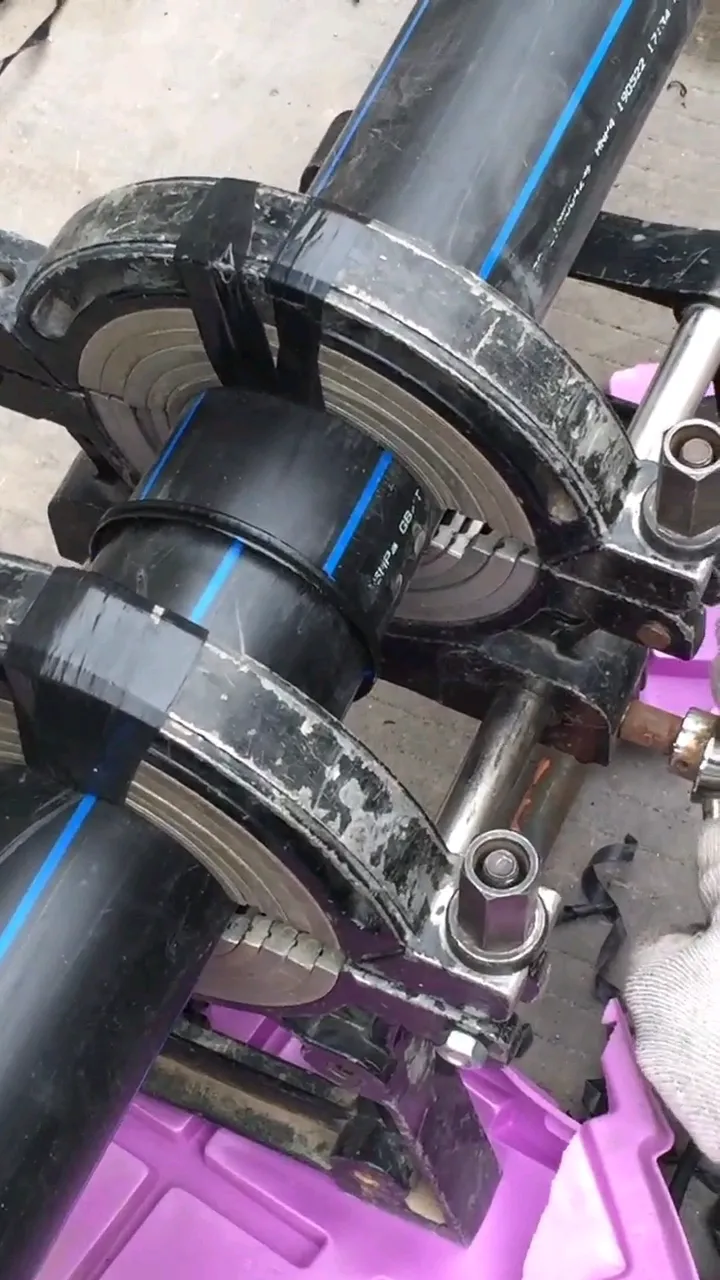
The primary material for 12-inch double wall corrugated pipe is typically high-density polyethylene (HDPE), specifically utilizing resins conforming to ASTM D3350 standards. HDPE is selected for its exceptional chemical resistance, high tensile strength (ranging from 30 to 40 MPa depending on grade), and low-temperature flexibility. The raw material's molecular weight distribution and density are crucial parameters impacting the pipe’s overall performance. The manufacturing process begins with HDPE resin pellet melting and extrusion. A double-layer extrusion process is employed: an inner layer forms the smooth inner wall providing flow characteristics, and an outer corrugated layer which provides structural rigidity. The corrugated profile is created using specialized forming tools, typically employing a helical extrusion process. Critical parameters during extrusion include melt temperature (typically between 180°C and 220°C), extrusion rate, and cooling rate. Precise control of these parameters is essential to ensure consistent wall thickness, corrugated profile dimensions, and overall pipe geometry. Following extrusion, the pipe undergoes quality control checks, including dimensional inspection, hydrostatic pressure testing (ASTM F894), and impact resistance testing. The joining of the HDPE segments commonly involves bell-and-spigot joints with gasketed connections, or through heat fusion welding ensuring a watertight seal. Chemical compatibility is paramount; the HDPE must be resistant to common soil chemicals and potential contaminants in the conveyed fluid.
Performance & Engineering
The performance of 12-inch double wall corrugated pipe is governed by its ability to withstand both external loads and internal pressures. External load resistance is a primary engineering concern, particularly in applications involving burial depths exceeding 10 feet. The corrugated structure, in conjunction with the surrounding soil, distributes the load effectively. Engineering calculations utilize AASHTO M252 and ASTM D2412 standards to determine the allowable burial depth based on soil type, pipe stiffness, and anticipated traffic loads. Pipe stiffness, measured as the deformation under a specific load, is a critical parameter. The pipe’s flexibility allows it to conform to ground movements and prevents cracking due to settlement. Internal pressure resistance is assessed through hydrostatic testing, ensuring the pipe can withstand the expected fluid pressure without failure. Environmental resistance is also crucial. HDPE exhibits excellent resistance to UV degradation, but prolonged exposure can lead to embrittlement. Additives are often incorporated into the HDPE formulation to enhance UV resistance. Chemical resistance testing confirms compatibility with various fluids, including stormwater, sewage, and industrial wastewater. Compliance with local and national regulations, such as those related to stormwater management and environmental protection, is paramount. The product must meet standards regarding permeability and prevent groundwater contamination. Force analysis considers hoop stress, longitudinal stress, and bending moments, ensuring the pipe maintains structural integrity under varying conditions.
Technical Specifications
| Nominal Diameter (in) | Outside Diameter (in) | Wall Thickness (in) | Pipe Stiffness (psi) |
|---|---|---|---|
| 12 | 12.6 | 0.8 | 42 |
| 12 | 12.6 | 1.0 | 58 |
| 12 | 12.6 | 1.2 | 75 |
| 12 | 12.6 | 1.5 | 95 |
| 12 | 12.6 | 2.0 | 120 |
| 12 | 12.6 | 2.5 | 145 |
Failure Mode & Maintenance
Several failure modes can affect 12-inch double wall corrugated pipe. Fatigue cracking can occur due to repeated loading from traffic or ground settlement, particularly at connection points. Delamination of the inner layer can result from improper installation or exposure to aggressive chemicals. Creep, or the slow deformation under sustained load, is a concern at higher temperatures and can lead to pipe distortion. Oxidation and UV degradation can embrittle the HDPE over time, reducing its impact resistance. Joint failures are common, often stemming from improper gasket installation or damage during handling. Biological degradation, although less frequent, can occur in environments with high sulfate concentrations. Maintenance primarily involves regular inspection for visual signs of damage, such as cracks, deformation, or joint leaks. Sediment removal is crucial to prevent blockage and maintain flow capacity. Repair options include localized patching with compatible HDPE materials or replacement of damaged sections. Preventative measures include proper site preparation, ensuring adequate bedding and backfill material, and protecting the pipe from excessive UV exposure. Installation should strictly adhere to manufacturer’s specifications and relevant industry standards. Regular CCTV inspections can proactively identify potential issues before they escalate into significant failures. Careful handling during transportation and installation to avoid physical damage is essential.
Industry FAQ
Q: What is the maximum allowable burial depth for this pipe with a H-20 loading condition and sandy soil?
A: The maximum allowable burial depth varies depending on the specific pipe stiffness and the soil conditions. For a pipe with a stiffness of 75 psi in sandy soil with a H-20 loading condition, the allowable burial depth typically ranges from 8 to 12 feet, but a site-specific engineering analysis following AASHTO M252 guidelines is always recommended to confirm.
Q: How does the double-wall design improve performance compared to single-wall corrugated pipe?
A: The double-wall design significantly enhances structural rigidity and allows for greater burial depths and load-bearing capacity. The smooth inner wall reduces friction losses, improving flow efficiency. The added wall thickness provides enhanced resistance to impact damage and environmental degradation.
Q: What type of connection methods are typically used for joining pipe sections?
A: Bell-and-spigot joints with gasketed connections are commonly used for quick and easy installation. Heat fusion welding is another option, creating a permanent, watertight seal. The choice depends on the specific application and installation requirements.
Q: What is the expected service life of this pipe under normal operating conditions?
A: Under typical conditions, with proper installation and maintenance, the expected service life of 12-inch double wall corrugated pipe exceeds 50 years. Factors such as soil chemistry, UV exposure, and loading conditions can influence the actual lifespan.
Q: Is this pipe suitable for use in highly corrosive environments?
A: HDPE exhibits excellent chemical resistance, but prolonged exposure to certain corrosive substances can potentially degrade the material. It’s crucial to verify compatibility with the specific chemicals present in the application environment. Specialized HDPE formulations with enhanced chemical resistance are available for particularly harsh conditions.
Conclusion
12-inch double wall corrugated pipe represents a robust and reliable solution for a wide range of drainage and subsurface applications. Its superior strength, durability, and chemical resistance, coupled with efficient installation properties, address critical pain points within the civil engineering and stormwater management sectors. The careful selection of HDPE materials, coupled with precise manufacturing controls, ensures consistent performance and long-term reliability.
Future advancements in corrugated pipe technology are likely to focus on incorporating recycled materials, enhancing UV protection, and developing smart pipe systems with integrated sensors for monitoring flow rates and structural integrity. Continued adherence to stringent quality control standards and industry best practices will remain paramount to ensuring the continued success of this essential infrastructure component.
-
DN25 HDPE Compression Fitting-HORON INTERNATIONAL|Reliable Irrigation Solutions
NewsFeb.11,2026
-
discount 40mm pvc pipe Performance Analysis
News2026-06-26
-
discount hdpe to pvc connection Performance Analysis
News2026-06-26
-
discount ppr pipe 1 price Technical Analysis
News2026-06-26
-
discount colored pvc pipe Material Science and Manufacturing
News2026-06-26
-
discount hdpe pipe price list pdf Performance and Engineering
News2026-06-26
-
discount ppr for hot water Performance Analysis
News2026-06-25
-
discount bulk pvc pipe Material Performance
News2026-06-25
-
discount pvc pipes price list Material Science and Manufacturing
News2026-06-25
-
discount 20 ft pvc pipe Performance Analysis
News2026-06-25
-
discount ppr cold water pipe Performance Analysis
News2026-06-25
-
discount 24 inch diameter pvc pipe price Performance Analysis
News2026-06-24
-
discount 4 hdpe drain pipe Performance Analysis
News2026-06-24
-
discount 12 hdpe pipe Performance Analysis
News2026-06-24
-
discount hdpe reducing coupling Performance Analysis
News2026-06-24
-
discount hdpe corrugated sewer pipe Performance Engineering
News2026-06-24