

Feb . 11, 2026 00:01 Back to list
china pvc tube supplier Performance Analysis
Introduction
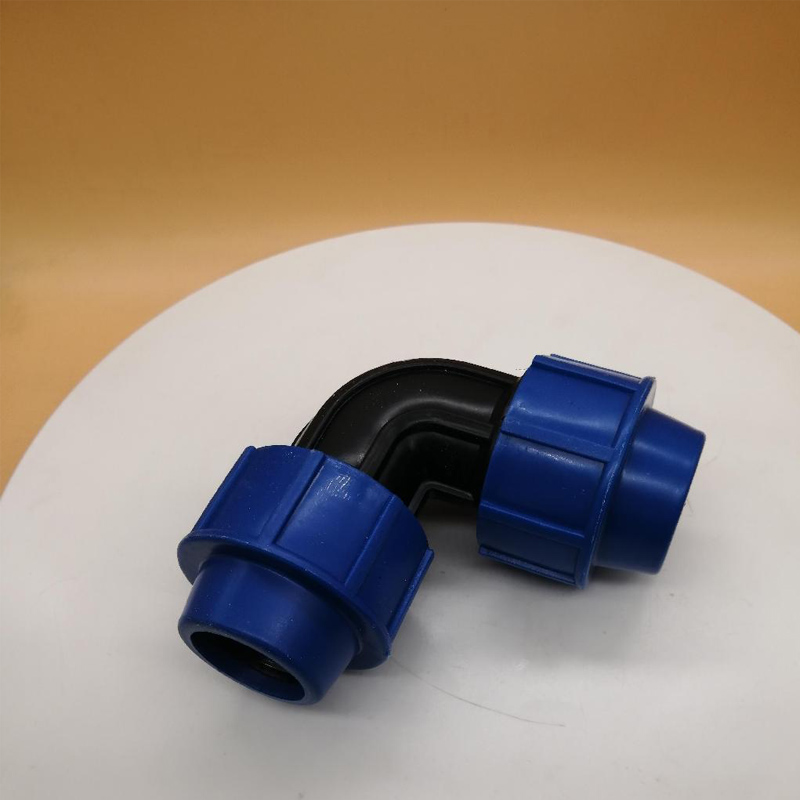
Polyvinyl Chloride (PVC) tubing, sourced from China, represents a significant component in a vast array of industrial applications, spanning construction, irrigation, chemical processing, and fluid conveyance. These tubes are typically produced via extrusion processes, utilizing PVC resin as the primary material, compounded with stabilizers, lubricants, and plasticizers to achieve desired performance characteristics. China has emerged as a leading global supplier due to its robust manufacturing infrastructure, competitive pricing, and increasingly sophisticated quality control measures. This guide provides a comprehensive technical overview of PVC tubing, focusing on material science, manufacturing processes, performance parameters, failure modes, and relevant industry standards, specifically addressing considerations for B2B procurement and engineering applications. The core performance characteristics – tensile strength, pressure resistance, chemical inertness, and UV stability – dictate its suitability across diverse operational environments. A key industry pain point is ensuring consistent quality and adherence to international regulations given the wide range of manufacturers and potential for substandard materials.
Material Science & Manufacturing
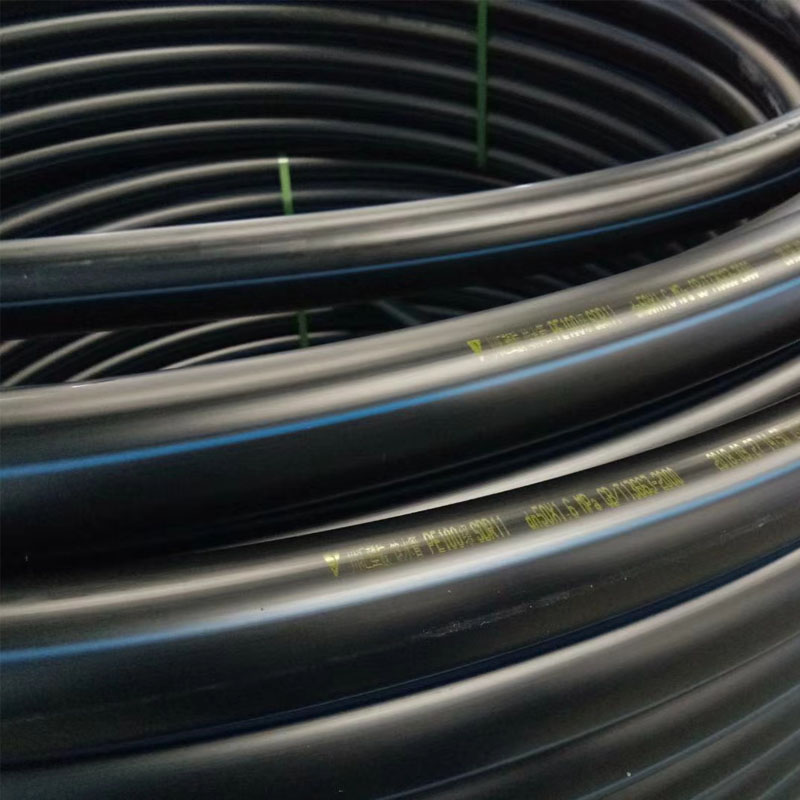
PVC is a thermoplastic polymer synthesized from the polymerization of vinyl chloride monomer (VCM). The inherent properties of PVC, notably its rigidity and poor thermal stability, necessitate the inclusion of additives during processing. Key raw materials include PVC resin (typically suspension PVC – sPVC, for tubing applications), plasticizers (e.g., DOP, DINP) to impart flexibility, stabilizers (e.g., lead-based, calcium-zinc based) to prevent degradation during processing and UV exposure, lubricants (e.g., stearic acid) to facilitate extrusion, and impact modifiers (e.g., CPE) to enhance toughness. The manufacturing process predominantly employs extrusion. PVC resin and additives are thoroughly mixed and fed into a single-screw extruder, where it undergoes heating, melting, and homogenization. The molten PVC is then forced through a die of the desired tube diameter and shape. Critical process parameters include extrusion temperature (typically 180-220°C), screw speed, die design, and cooling rate. Proper temperature control is paramount to prevent PVC degradation (yellowing, hydrogen chloride evolution). Cooling is commonly achieved using water baths. Post-extrusion, tubes are often subjected to sizing and cutting operations. Quality control at this stage includes dimensional checks, hydrostatic pressure testing, and visual inspection for defects such as porosity or surface imperfections. The ratio of PVC to plasticizer directly impacts the tube’s flexibility and, consequently, its pressure rating. Improper mixing of additives can lead to localized weaknesses and premature failure.
Performance & Engineering
The performance of PVC tubing is governed by a complex interplay of mechanical, chemical, and environmental factors. From an engineering perspective, key considerations include tensile strength (ASTM D638), elongation at break, impact strength (ASTM D256), and hydrostatic pressure resistance (ASTM D1595). The stress-strain behavior of PVC is non-linear, exhibiting a yield point before ultimate failure. Environmental resistance is crucial, particularly in applications involving exposure to chemicals, UV radiation, and temperature extremes. PVC exhibits good resistance to many acids and bases, but can be susceptible to degradation by strong oxidizing agents and certain aromatic hydrocarbons. UV degradation leads to discoloration, embrittlement, and loss of mechanical properties. Incorporation of UV stabilizers (e.g., titanium dioxide) is essential for outdoor applications. Temperature affects both the mechanical properties and chemical resistance of PVC. At elevated temperatures, the tube becomes more flexible but its tensile strength decreases. The design of PVC piping systems requires careful consideration of pressure ratings, temperature coefficients, and potential for creep deformation under sustained load. Force analysis should incorporate safety factors to account for surge pressures and dynamic loading. Compliance requirements vary depending on the intended application, often necessitating adherence to standards relating to potable water contact (NSF/ANSI 61) or chemical compatibility.
Technical Specifications
| Parameter | Unit | Typical Value (Schedule 40 PVC) | Typical Value (Schedule 80 PVC) |
|---|---|---|---|
| Outside Diameter | mm | 21.3 | 21.3 |
| Wall Thickness | mm | 2.67 | 3.38 |
| Pressure Rating (at 23°C) | MPa | 2.41 | 3.45 |
| Tensile Strength | MPa | 55 | 55 |
| Elongation at Break | % | 30 | 30 |
| Impact Strength (Izod Notched) | J/m | 50 | 60 |
| Service Temperature Range | °C | -10 to 60 | -10 to 60 |
Failure Mode & Maintenance
PVC tubing is susceptible to several failure modes in practical applications. These include: 1) Cracking: Often stress-related, exacerbated by UV exposure and temperature fluctuations. Stress cracking can occur around fittings or areas of high stress concentration. 2) Embrittlement: Prolonged UV exposure leads to chain scission and loss of flexibility, rendering the tube brittle and prone to fracture. 3) Chemical Degradation: Exposure to incompatible chemicals can cause swelling, softening, or dissolution of the PVC. 4) Fatigue Cracking: Repeated pressure cycles can induce fatigue cracking, particularly in areas of weld joints or fittings. 5) Delamination: Improper processing or contamination can result in delamination, where layers of the tube separate. Maintenance strategies include regular visual inspection for cracks, discoloration, or swelling. Avoiding exposure to incompatible chemicals is critical. UV protection (e.g., painting or protective coatings) can extend service life in outdoor applications. Hydrostatic testing should be performed periodically to verify pressure integrity. For damaged sections, cut out the affected area and replace it with a new piece of tubing, using appropriate solvent cement for joining. Proper storage is crucial; PVC tubes should be stored in a cool, dry place away from direct sunlight. Avoid storing near sources of heat or strong oxidizing agents.
Industry FAQ
Q: What is the impact of different plasticizers on the long-term performance of PVC tubing?
A: The type of plasticizer significantly affects the tube’s flexibility, low-temperature performance, and resistance to migration. Phthalate plasticizers (e.g., DOP) offer good performance but are facing increasing regulatory scrutiny due to health concerns. Alternative plasticizers, such as DINP and DOTP, are gaining popularity due to their improved toxicological profiles, though they may exhibit slightly different migration rates and low-temperature flexibility.
Q: How does the Schedule number (e.g., Schedule 40, Schedule 80) affect the pressure rating of PVC tubing?
A: The Schedule number indicates the wall thickness of the tubing. Higher Schedule numbers correspond to thicker walls, which provide greater resistance to internal pressure. Schedule 80 tubing has a significantly thicker wall than Schedule 40 tubing and, therefore, a higher pressure rating. The specific pressure ratings are dependent on the diameter and temperature, as specified by standards like ASTM D1785.
Q: What are the common causes of cracking in PVC tubing, and how can they be prevented?
A: Cracking can be caused by stress cracking (from external loads or pressure fluctuations), UV degradation, or chemical attack. Prevention strategies include minimizing stress concentrations, using UV stabilizers, selecting chemically compatible materials, and ensuring proper installation and support to prevent mechanical stresses.
Q: What are the implications of using lead-based stabilizers versus calcium-zinc stabilizers in PVC tubing?
A: Lead-based stabilizers offer excellent thermal stability and cost-effectiveness but are subject to environmental regulations due to lead toxicity. Calcium-zinc stabilizers are a more environmentally friendly alternative, but may require higher processing temperatures and exhibit slightly lower thermal stability. The choice depends on regulatory requirements and desired performance characteristics.
Q: What testing standards are relevant for verifying the quality and performance of PVC tubing for potable water applications?
A: Key standards include NSF/ANSI 61 (for health effects), ASTM D1785 (for dimensions and markings), and ASTM D2467 (for static burst pressure). These standards ensure the tubing is safe for contact with drinking water and meets minimum performance requirements.
Conclusion
China-sourced PVC tubing represents a versatile and cost-effective solution for a wide range of industrial applications. However, achieving optimal performance and long-term reliability necessitates a thorough understanding of the material science, manufacturing processes, and potential failure modes. Careful consideration of process parameters during extrusion, appropriate selection of additives, and adherence to relevant industry standards are paramount. By prioritizing quality control and material compatibility, businesses can mitigate risks and maximize the benefits of utilizing PVC tubing in their operations.
The increasing demand for sustainable materials and stricter environmental regulations are driving innovation in PVC formulation and manufacturing. Future developments will likely focus on the development of bio-based plasticizers, improved UV stabilizers, and enhanced recycling technologies. Procurement professionals should remain informed of these advancements to ensure they are selecting the most appropriate and environmentally responsible PVC tubing solutions for their specific needs, always verifying compliance with the latest regulatory requirements.
-
DN25 HDPE Compression Fitting-HORON INTERNATIONAL|Reliable Irrigation Solutions
NewsFeb.11,2026
-
china use of pvc pipe Performance Analysis
News2026-05-24
-
china 50mm pvc pipe price Performance Analysis
News2026-05-24
-
china ppr pipe 50mm price Performance Analysis
News2026-05-24
-
china hdpe coupler price Performance Analysis
News2026-05-24
-
china white pvc pipe Performance Analysis
News2026-05-24
-
china 100mm pvc pipe price Performance Analysis
News2026-05-23
-
china pvc pipe used for Performance Analysis
News2026-05-23
-
china ppr water pipe fittings Performance Analysis
News2026-05-23
-
china hdpe pipe couplings Performance Analysis
News2026-05-23
-
china 50mm ppr pipe price Performance Analysis
News2026-05-23
-
china corrugated hdpe pipe fittings Performance Analysis
News2026-05-22
-
china ppr pipe for hot water Performance Analysis
News2026-05-22
-
china ppr Technical Performance Analysis
News2026-05-22
-
china corrugated dual wall pipe Performance Analysis
News2026-05-22
-
china sink inlet pipe Material Performance Analysis
News2026-05-22