

Feb . 11, 2026 00:01 Back to list
china ppr pipe price Performance Analysis
Introduction
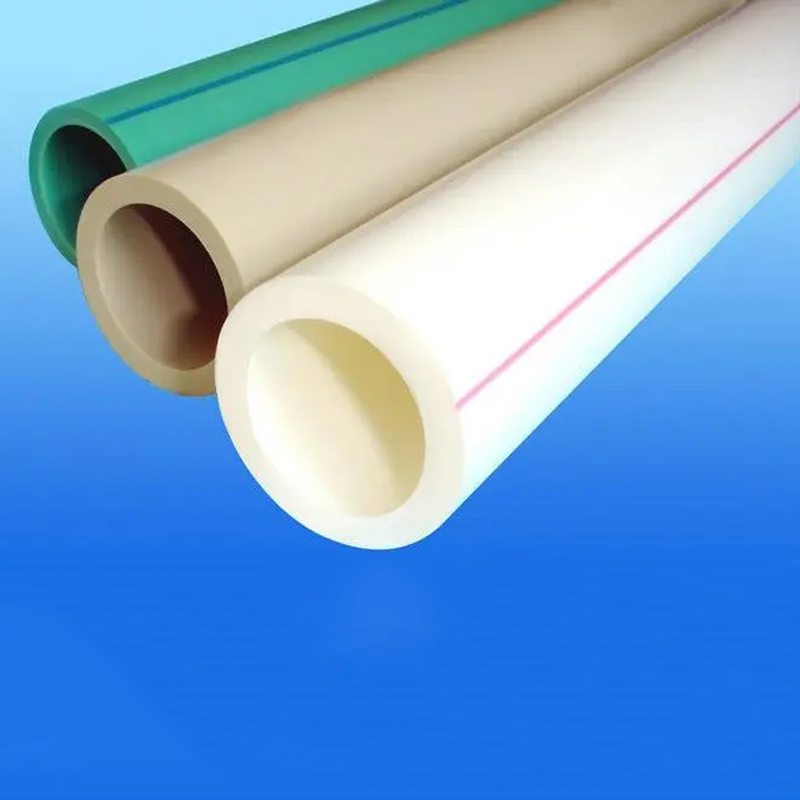
Polypropylene Random (PPR) pipe represents a significant advancement in fluid conveyance systems, particularly within building infrastructure and industrial applications. China has emerged as a leading global manufacturer of PPR pipe, offering competitive pricing and increasingly sophisticated product quality. PPR pipe is characterized by its excellent chemical resistance, high temperature tolerance, and long service life, making it a viable alternative to traditional metallic piping systems. Its homogenous material composition minimizes corrosion and scaling, crucial factors affecting flow rate and system longevity. This guide provides an in-depth technical overview of china ppr pipe price, encompassing material science, manufacturing processes, performance characteristics, potential failure modes, and relevant industry standards. The cost-effectiveness of Chinese-produced PPR pipe often presents a cost benefit, however, understanding the underlying technical specifications is paramount to ensuring proper application and optimal performance. The core performance attributes—pressure rating, temperature resistance, and joint integrity—dictate its suitability for potable water, heating, and cooling systems.
Material Science & Manufacturing
PPR pipe is predominantly composed of polypropylene random copolymer, a thermoplastic polymer produced through the polymerization of propylene monomer. The ‘random’ designation indicates the irregular arrangement of comonomers, contributing to improved impact resistance and flexibility compared to homopolymer polypropylene. Raw material selection is critical, with variations in molecular weight distribution (MWD) and isotacticity directly affecting pipe performance. Higher MWD generally improves melt strength and processability. The manufacturing process typically involves extrusion. Polypropylene granules are fed into an extruder, melted, and forced through a die to create the pipe’s shape. Critical parameters include barrel temperature profile (typically 190-230°C), screw speed, and die pressure. Precise temperature control is essential to prevent degradation of the polymer. Furthermore, the pipe is often produced using a multi-layer extrusion process, incorporating reinforcing layers or different polypropylene formulations to enhance specific properties like UV resistance. Socket fusion and electrofusion are the most common joining techniques. Socket fusion involves heating both the pipe and fitting, then joining them while molten. Electrofusion utilizes an electrical current to heat and fuse the pipe and fitting together, providing a stronger and more reliable joint, especially for larger diameter pipes. Post-extrusion cooling is crucial; rapid cooling can induce internal stresses, while slow cooling can lead to dimensional instability. Quality control involves rigorous testing of melt flow index (MFI), density, and impact strength of the raw material, and dimensional checks on the finished pipe.
Performance & Engineering
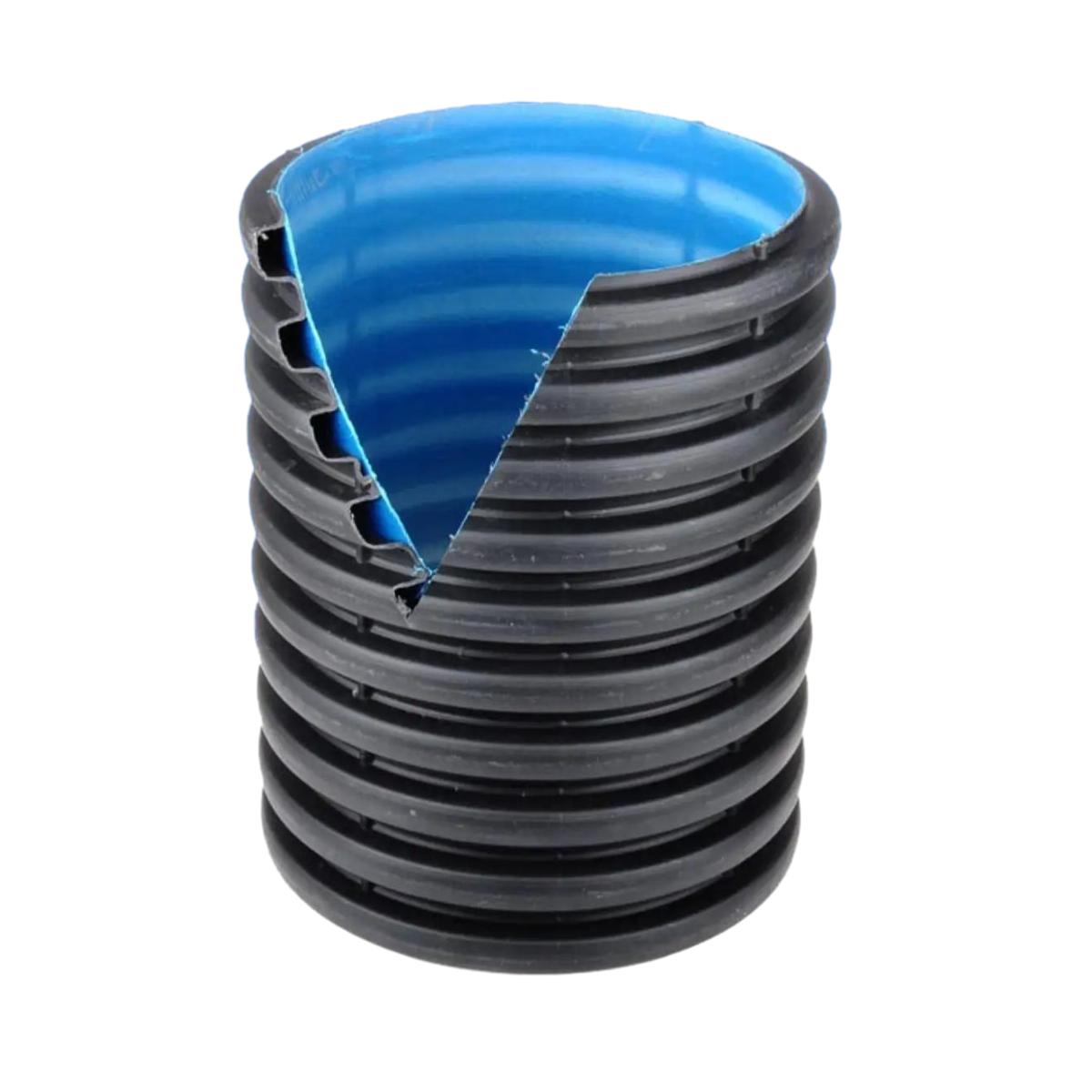
PPR pipe’s performance is primarily dictated by its hydrostatic strength, thermal stability, and chemical inertness. Hydrostatic strength, determined through long-term hydrostatic pressure testing (LTHP), assesses the pipe’s ability to withstand sustained internal pressure. This testing is typically conducted at elevated temperatures to simulate real-world operating conditions. The S4 (standardization) rating, commonly used, designates a minimum hydrostatic pressure capability. Engineering calculations must account for water hammer effects – the sudden pressure surge caused by rapid valve closure – which can significantly stress the pipe. PPR's coefficient of linear thermal expansion (approximately 0.15 mm/m°C) is considerably higher than that of metal pipes, necessitating the incorporation of expansion loops or flexible connectors to accommodate temperature fluctuations and prevent stress cracking. The creep resistance of PPR is also important, particularly for hot water applications. Creep is the tendency of a solid material to slowly deform permanently under sustained stress. Chemical resistance is generally excellent, with PPR being unaffected by most common acids and alkalis. However, prolonged exposure to strong oxidizing agents should be avoided. Compliance requirements vary by region, but generally involve adherence to pressure ratings, material purity (ensuring no harmful leachates contaminate potable water), and UV resistance standards for exposed applications. Finite element analysis (FEA) is frequently employed in pipe design to optimize wall thickness and support spacing for specific operating conditions and loads.
Technical Specifications
| Parameter | Unit | Typical Value (China PPR Pipe) | Test Standard |
|---|---|---|---|
| Nominal Diameter | mm | 20 - 160 | GB/T 8892.1-2008 |
| Pressure Rating (PN) | Bar | PN16, PN20, PN25 | GB/T 8892.1-2008 |
| Temperature Resistance (Max. Continuous) | °C | 70 - 95 | GB/T 8892.1-2008 |
| Hydrostatic Pressure (LTHP) | Bar | > 1.5 x PN @ 70°C | GB/T 8892.2-2008 |
| Melt Flow Index (MFI) | g/10min | 0.3 - 1.0 | GB/T 18454.3-2008 |
| Density | g/cm³ | 0.905 - 0.925 | GB/T 18454.2-2008 |
Failure Mode & Maintenance
Common failure modes in PPR piping systems include stress cracking, particularly at joint locations, and slow crack growth (SCG) caused by sustained tensile stress and exposure to aggressive chemicals. Oxidation can also lead to embrittlement over time, especially at elevated temperatures. Delamination can occur due to improper fusion welding or contamination during the joining process. Fatigue cracking can result from repeated pressure cycles and mechanical vibrations. UV degradation is a concern for pipes exposed to sunlight, leading to surface chalking and reduced mechanical properties. Preventive maintenance should include regular visual inspections for cracks, leaks, and signs of deformation. Periodic pressure testing can identify potential weaknesses in the system. Proper support and anchoring are crucial to minimize stress on the pipes and joints. When performing repairs, it’s vital to use compatible fittings and follow recommended welding procedures. Contamination during welding, such as moisture or dirt, must be strictly avoided. For long-term system integrity, consider installing water softening systems to reduce the concentration of corrosive ions. In situations where the pipe is buried, ensure proper bedding and backfill materials are used to prevent external loads and soil corrosion. Analysis of failed components, utilizing techniques such as fracture surface examination (SEM) and chemical analysis, is crucial for identifying the root cause of the failure and implementing corrective actions.
Industry FAQ
Q: What is the impact of water quality on the lifespan of PPR pipes?
A: Water quality significantly impacts PPR pipe lifespan. Highly acidic or alkaline water can accelerate corrosion and degradation. The presence of chlorine or other oxidizing agents can also contribute to material breakdown. Hard water, with high mineral content, can cause scaling, reducing flow capacity and potentially leading to stress corrosion cracking. Water softening or filtration is recommended to mitigate these effects.
Q: How does temperature cycling affect PPR pipe joints?
A: Temperature cycling induces thermal expansion and contraction, creating stress at pipe joints. If expansion loops or flexible connectors are not properly incorporated into the system design, these stresses can lead to cracking or leakage. Repeated temperature fluctuations exacerbate this issue, particularly at socket fusion joints.
Q: Are there differences in quality between different Chinese PPR pipe manufacturers?
A: Significant quality variations exist among Chinese PPR pipe manufacturers. Factors influencing quality include raw material sourcing, manufacturing process control, and adherence to international standards. Reputable manufacturers will provide detailed technical data sheets, certifications, and evidence of rigorous quality control testing.
Q: What is the long-term creep resistance of PPR pipe under continuous hot water pressure?
A: PPR's creep resistance is adequate for most hot water applications, but it's crucial to select pipes with appropriate pressure ratings and temperature tolerances. Prolonged exposure to high temperatures and pressures can lead to gradual deformation and eventual failure. Careful consideration should be given to the operating temperature and pressure, along with the pipe's S4 rating.
Q: What is the best method for ensuring a watertight seal during socket fusion welding?
A: Achieving a watertight seal requires precise control of heating time, heating temperature, and insertion depth during socket fusion. Using calibrated heating tools is essential. The pipe and fitting surfaces must be clean and dry before welding. Proper alignment and sufficient fusion time are critical. Post-welding cooling should be allowed to occur naturally to minimize stress.
Conclusion
China PPR pipe price offers a compelling value proposition in fluid conveyance systems. Its inherent advantages—corrosion resistance, thermal stability, and ease of installation—make it a suitable choice for a wide range of applications. However, optimizing long-term performance and ensuring system integrity require careful consideration of material selection, manufacturing quality, proper installation techniques, and preventative maintenance. Understanding the limitations, particularly concerning creep, thermal expansion, and potential failure modes, is crucial for engineering a reliable and durable piping system.
The continued development of advanced PPR formulations and manufacturing processes will further enhance its performance characteristics. Emphasis on rigorous quality control and adherence to international standards will be paramount to sustaining its competitiveness in the global market. Future research should focus on improving UV resistance and enhancing the long-term creep resistance of PPR materials, expanding its applicability to more demanding environments. Investing in comprehensive system design and robust installation practices will unlock the full potential of china ppr pipe price and ensure a long service life.
-
DN25 HDPE Compression Fitting-HORON INTERNATIONAL|Reliable Irrigation Solutions
NewsFeb.11,2026
-
china 100mm pvc pipe price Performance Analysis
News2026-05-23
-
china pvc pipe used for Performance Analysis
News2026-05-23
-
china ppr water pipe fittings Performance Analysis
News2026-05-23
-
china hdpe pipe couplings Performance Analysis
News2026-05-23
-
china 50mm ppr pipe price Performance Analysis
News2026-05-23
-
china corrugated hdpe pipe fittings Performance Analysis
News2026-05-22
-
china ppr pipe for hot water Performance Analysis
News2026-05-22
-
china ppr Technical Performance Analysis
News2026-05-22
-
china corrugated dual wall pipe Performance Analysis
News2026-05-22
-
china sink inlet pipe Material Performance Analysis
News2026-05-22
-
china 1 2 inch pvc Performance Analysis
News2026-05-21
-
china hdpe pipe joint coupler Performance Analysis
News2026-05-21
-
china ppr pipes and fittings price list Technical Analysis
News2026-05-21
-
china 9 inch pvc pipe price Performance Analysis
News2026-05-21
-
china 2 inch borewell column pipe price Performance Engineering
News2026-05-21