

Feb . 11, 2026 00:01 Back to list
china ppr pipe 40mm price Performance Analysis
Introduction
Polypropylene Random (PPR) pipe, specifically the 40mm variant manufactured in China, represents a significant component in modern plumbing and fluid conveyance systems. This guide provides an in-depth technical analysis of its material science, manufacturing processes, performance characteristics, potential failure modes, and relevant industry standards. PPR pipes offer advantages over traditional metallic piping in terms of corrosion resistance, weight, and installation ease. They are predominantly utilized in hot and cold water distribution, industrial applications requiring chemical transfer, and increasingly, in underfloor heating systems. The 40mm diameter is a common size for main supply lines and branching networks within building infrastructures. Price fluctuations depend heavily on raw material costs (polypropylene resin), manufacturing scale, and regional demand. Understanding the technical nuances of these pipes is crucial for procurement managers, engineers, and installers to ensure optimal system performance and longevity.
Material Science & Manufacturing
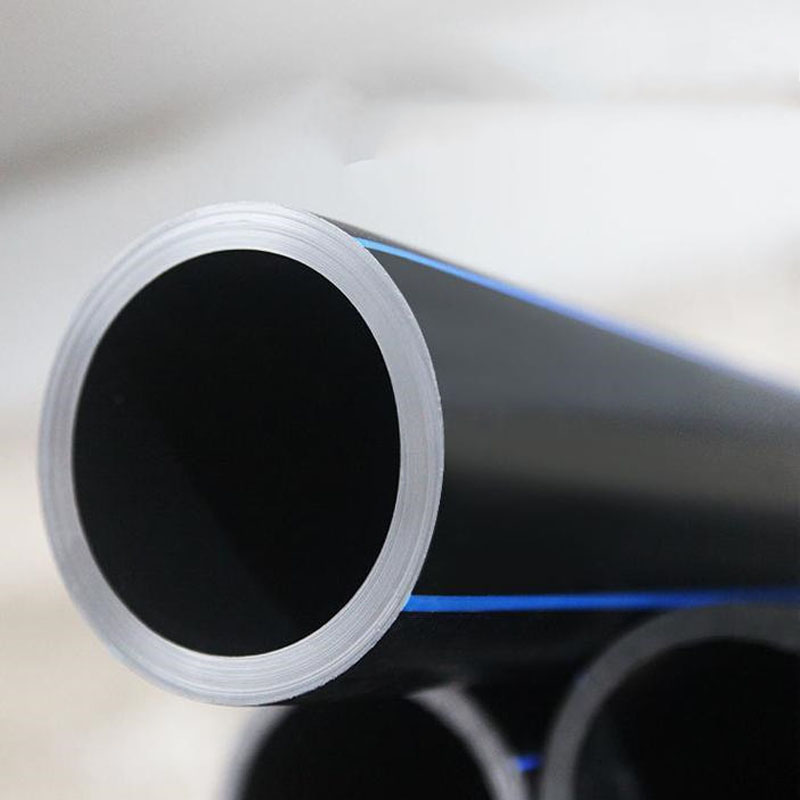
PPR pipe’s core material is polypropylene random copolymer, synthesized through the polymerization of propylene monomer. The 'random' designation indicates a statistical distribution of comonomers (typically ethylene) within the polymer chain, contributing to improved flexibility and impact resistance compared to homopolymer polypropylene. The raw material exhibits a density between 0.905-0.92 g/cm³, a glass transition temperature around -10°C, and a melting point between 130-170°C. Manufacturing begins with the extrusion of polypropylene granules. The process typically involves a single-screw or twin-screw extruder, where the polymer is heated and homogenized. Critical parameters include barrel temperature profiling (typically 190-230°C), screw speed (30-60 rpm), and die temperature (200-240°C). After extrusion, the pipe is cooled through a water bath, calibrated to maintain precise dimensional accuracy (40mm outer diameter, varying wall thicknesses depending on pressure rating - typically SDR 11 or SDR 17), and then cut to length. Quality control at this stage includes dimensional checks, hydrostatic pressure testing (as per GB/T 19472.2), and visual inspection for surface defects. The addition of stabilizers (e.g., antioxidants, UV stabilizers) and pigments is common to enhance long-term durability and prevent degradation from environmental factors.
Performance & Engineering
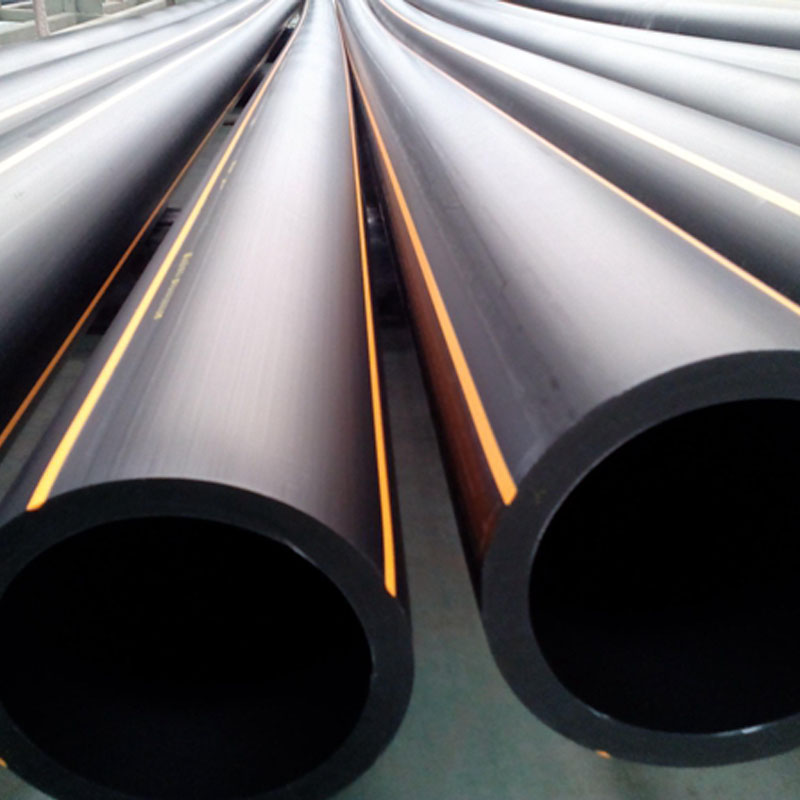
The mechanical performance of PPR pipes is governed by several key factors. Tensile strength, typically ranging from 20-30 MPa, dictates the pipe's resistance to longitudinal stress. The impact strength (Izod notched impact strength), around 8-12 kJ/m², indicates its ability to withstand sudden impacts. However, long-term hydrostatic strength is the most critical parameter for pressure-containing applications. This is heavily influenced by the pipe's wall thickness and the Short-Term Hydrostatic Strength (SHS) and Minimum Hydrostatic Strength (MHS) values. Engineering calculations must account for internal water pressure, external soil loads (in buried applications), and temperature fluctuations. PPR exhibits excellent chemical resistance to a wide range of substances, including acids, alkalis, and salts, making it suitable for various industrial applications. However, it is susceptible to degradation by oxidizing agents and prolonged exposure to UV radiation. Thermal expansion is another critical engineering consideration; PPR has a coefficient of thermal expansion of approximately 0.15 mm/m°C. Therefore, expansion loops or flexible connectors must be incorporated into the system design to accommodate temperature-induced dimensional changes and prevent stress cracking. Compliance with standards like DIN 19569 and EN ISO 15876 is paramount, ensuring consistent quality and performance.
Technical Specifications
| Parameter | SDR 11 (PN20) | SDR 17 (PN16) | Unit |
|---|---|---|---|
| Nominal Diameter | 40 | 40 | mm |
| Outside Diameter | 42.4 | 42.4 | mm |
| Wall Thickness | 4.0 | 2.5 | mm |
| Hydrostatic Pressure (SHS) | 2.0 | 1.6 | MPa |
| Hydrostatic Pressure (MHS) | 1.25 | 1.0 | MPa |
| Maximum Working Temperature | 95 | 95 | °C |
| Density | 0.91 | 0.91 | g/cm³ |
Failure Mode & Maintenance
PPR pipe failures typically fall into several categories. Slow Crack Growth (SCG) is a common issue, particularly in applications involving sustained tensile stress and aggressive chemical environments. This manifests as micro-cracks propagating slowly over time, ultimately leading to leakage. Thermal Stress Cracking occurs due to inadequate accommodation of thermal expansion and contraction, resulting in stress concentrations and cracking at joints or bends. Oxidative Degradation results from prolonged exposure to high temperatures and oxygen, leading to embrittlement and loss of mechanical properties. UV Degradation is prevalent in outdoor applications where UV exposure weakens the polymer matrix. Joint Failure can occur due to improper fusion welding (insufficient heating, uneven pressure) or the use of incompatible fittings. Maintenance primarily involves visual inspection for cracks, leaks, or discoloration. Regular pressure testing can identify slow leaks before they become critical. For minor leaks, patching compounds specifically designed for PPR can be used as a temporary solution. Damaged sections should be replaced entirely using proper fusion welding techniques. Preventing failures involves selecting the appropriate SDR rating for the application, ensuring proper installation practices, protecting against UV exposure (e.g., painting or using UV-resistant coatings), and avoiding prolonged exposure to excessive temperatures or aggressive chemicals.
Industry FAQ
Q: What is the long-term impact of chlorine on PPR pipe performance?
A: While PPR exhibits good chemical resistance, prolonged exposure to high concentrations of chlorine can cause degradation. Chlorine slowly attacks the polymer chains, leading to embrittlement and reduced hydrostatic strength. The rate of degradation depends on chlorine concentration, temperature, and exposure duration. It's recommended to use chlorine levels within acceptable limits and consider alternative piping materials if high chlorine concentrations are unavoidable.
Q: How does the quality of the fusion welding equipment affect the joint integrity of PPR pipes?
A: The quality of the fusion welding equipment is paramount. Consistent and accurate temperature control is crucial for achieving optimal fusion. Poorly maintained or calibrated equipment can result in under-welding (insufficient fusion) or over-welding (polymer degradation). Using certified welding equipment and following the manufacturer's instructions is essential for ensuring leak-proof joints.
Q: What are the advantages of using SDR 11 versus SDR 17 PPR pipes?
A: SDR 11 pipes have thicker walls and higher pressure ratings compared to SDR 17 pipes. This makes them suitable for high-pressure applications or buried installations where they may be subjected to significant external loads. SDR 17 pipes are more cost-effective and are appropriate for lower-pressure applications such as cold water distribution within buildings.
Q: Is PPR pipe suitable for transporting compressed air?
A: Generally, PPR pipe is not recommended for transporting compressed air. The polymer's permeability can lead to air leakage, and the pipe may not withstand the repeated pressure fluctuations associated with compressed air systems. Materials specifically designed for compressed air applications, such as polyethylene or metal piping, are more suitable.
Q: What is the expected service life of a properly installed PPR pipe system?
A: A properly installed and maintained PPR pipe system can have a service life of 50 years or more. However, this is contingent upon adherence to installation best practices, proper material selection (SDR rating), and avoidance of harsh chemical exposure or excessive temperatures. Regular inspections and proactive maintenance can further extend the lifespan of the system.
Conclusion
China-manufactured 40mm PPR pipe represents a cost-effective and reliable solution for a wide range of plumbing and fluid transfer applications. Its advantages in corrosion resistance, ease of installation, and thermal properties make it a compelling alternative to traditional metallic piping systems. However, successful implementation hinges on a thorough understanding of the material's properties, manufacturing processes, and potential failure modes.
Careful consideration of operational parameters, adherence to relevant industry standards, and proactive maintenance are vital for maximizing the lifespan and ensuring the long-term performance of PPR pipe installations. Ongoing research and development continue to refine PPR formulations and welding techniques, further enhancing the durability and reliability of this versatile piping material.
-
DN25 HDPE Compression Fitting-HORON INTERNATIONAL|Reliable Irrigation Solutions
NewsFeb.11,2026
-
china 100mm pvc pipe price Performance Analysis
News2026-05-23
-
china pvc pipe used for Performance Analysis
News2026-05-23
-
china ppr water pipe fittings Performance Analysis
News2026-05-23
-
china hdpe pipe couplings Performance Analysis
News2026-05-23
-
china 50mm ppr pipe price Performance Analysis
News2026-05-23
-
china corrugated hdpe pipe fittings Performance Analysis
News2026-05-22
-
china ppr pipe for hot water Performance Analysis
News2026-05-22
-
china ppr Technical Performance Analysis
News2026-05-22
-
china corrugated dual wall pipe Performance Analysis
News2026-05-22
-
china sink inlet pipe Material Performance Analysis
News2026-05-22
-
china 1 2 inch pvc Performance Analysis
News2026-05-21
-
china hdpe pipe joint coupler Performance Analysis
News2026-05-21
-
china ppr pipes and fittings price list Technical Analysis
News2026-05-21
-
china 9 inch pvc pipe price Performance Analysis
News2026-05-21
-
china 2 inch borewell column pipe price Performance Engineering
News2026-05-21