

Feb . 11, 2026 00:01 Back to list
china ppr pipe 25mm Technical Analysis
Introduction
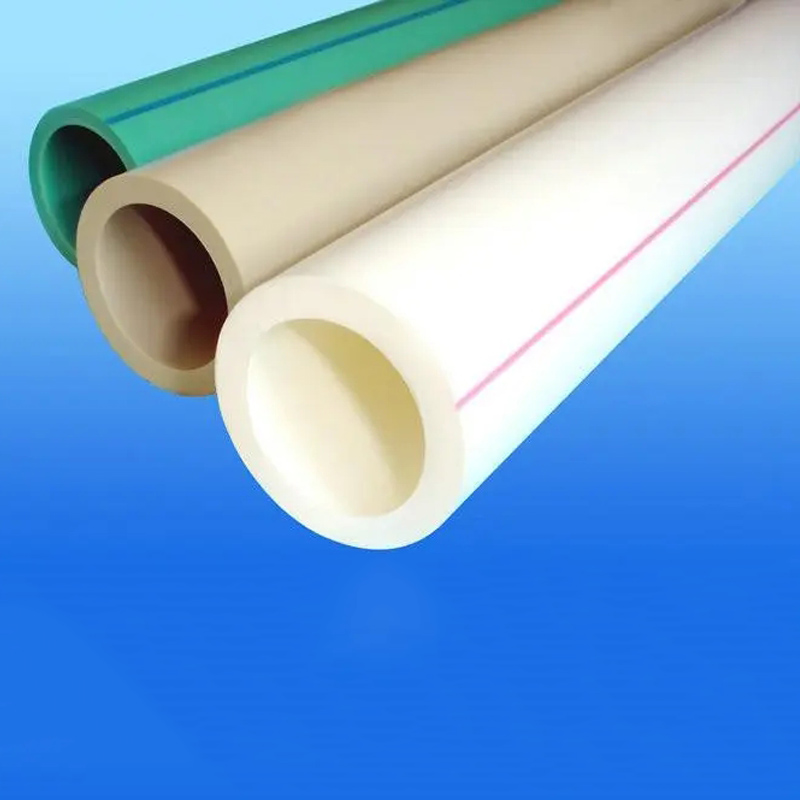
Polypropylene Random (PPR) pipe, specifically the 25mm diameter variant manufactured in China, represents a significant advancement in potable water and industrial fluid conveyance systems. Positioned within the broader polymer piping industry, PPR offers a compelling alternative to traditional materials like copper, PVC, and galvanized steel. Its core performance characteristics—including corrosion resistance, thermal stability, and hygienic properties—have driven its adoption in residential, commercial, and industrial applications. PPR’s increasing prevalence is directly linked to its cost-effectiveness, ease of installation via heat fusion welding, and compliance with evolving building codes prioritizing water quality and long-term durability. This guide provides an in-depth technical analysis of Chinese-manufactured 25mm PPR pipe, covering its material science, manufacturing processes, performance parameters, potential failure modes, and relevant industry standards.
Material Science & Manufacturing
The fundamental material of 25mm PPR pipe is polypropylene random copolymer. This polymer is created through the polymerization of propylene monomers, incorporating a random distribution of comonomers (typically ethylene) to disrupt the polymer’s crystallinity. This random copolymerization is crucial; it reduces the material’s melting point and enhances its impact resistance compared to homopolymer polypropylene. The raw material typically originates from petrochemical feedstocks and undergoes rigorous quality control to ensure consistent molecular weight distribution and purity.
Manufacturing involves several key stages. First, polypropylene granules are melted and extruded through a die to form a pipe. Precise temperature control (typically between 190°C and 260°C, depending on the specific copolymer grade) is essential to avoid degradation and ensure homogeneity. The extrusion process is often followed by a cooling stage, utilizing water baths to solidify the pipe while maintaining dimensional accuracy. Crucially, 25mm PPR pipe is manufactured in varying pressure ratings – PN16, PN20, and PN25 – defined by the pipe wall thickness. PN16, for example, signifies a nominal pressure of 1.6 MPa. Wall thickness control is achieved through precise die calibration and real-time monitoring during extrusion. Heat fusion welding is the primary joining method, demanding consistent pipe circularity and surface cleanliness. Quality control includes hydrostatic pressure testing to verify the pipe's ability to withstand operational pressures, and dimensional checks to ensure adherence to standards like GB/T 19472.2-2003.
Performance & Engineering
The performance of 25mm PPR pipe is governed by several engineering principles. Firstly, its pressure rating is directly related to the hoop stress experienced by the pipe wall under internal fluid pressure. The Barlow’s formula (σ = PD/2t, where σ is hoop stress, P is internal pressure, D is pipe diameter, and t is wall thickness) is central to pressure capacity calculations. Secondly, PPR exhibits a relatively low coefficient of thermal expansion (approximately 0.15 mm/m°C). This necessitates consideration in long pipe runs, requiring expansion loops or flexible connections to accommodate temperature fluctuations and prevent stress cracking. Thirdly, the chemical resistance of PPR is excellent against a broad range of chemicals commonly found in potable water and industrial processes; however, prolonged exposure to strong oxidizing agents can lead to degradation.
Environmental resistance is a key concern. While PPR is inherently resistant to corrosion, prolonged exposure to ultraviolet (UV) radiation can cause embrittlement. Therefore, outdoor installations necessitate UV-stabilized PPR formulations or protective coverings. The material’s performance under cyclic loading (pressure surges and temperature swings) is also crucial. Fatigue analysis is essential to ensure long-term integrity. Compliance requirements mandate adherence to standards concerning water quality (migration of monomers and additives), pressure testing, and fire resistance. For instance, regulations may limit the allowable concentration of residual monomers in the potable water. The long-term hydrostatic strength (LTHS) of the pipe, a critical parameter for design life assessment, is determined through accelerated aging tests per ISO 11671.
Technical Specifications
| Parameter | PN16 (SDR 6) | PN20 (SDR 5) | PN25 (SDR 4) | Standard Reference |
|---|---|---|---|---|
| Nominal Diameter (mm) | 25 | 25 | 25 | GB/T 19472.2-2003 |
| Wall Thickness (mm) | 4.2 | 5.0 | 6.3 | GB/T 19472.2-2003 |
| Outside Diameter (mm) | 32.4 | 32.4 | 32.4 | GB/T 19472.2-2003 |
| Burst Pressure (MPa) | 2.4 | 3.0 | 3.75 | ISO 11671 |
| Hydrostatic Test Pressure (MPa) | 1.6 | 2.0 | 2.5 | GB/T 19472.2-2003 |
| Operating Temperature (°C) | -20 to +95 | -20 to +95 | -20 to +95 | DIN 19569 |
Failure Mode & Maintenance
Several failure modes can affect 25mm PPR pipe in practical applications. Firstly, slow crack growth (SCG) is a common issue, often initiated by stress concentrations at fittings or due to residual stresses from manufacturing. This is exacerbated by prolonged exposure to aggressive chemicals or high temperatures. Secondly, thermal deformation can occur in long, unsupported pipe runs, leading to buckling or joint failure. Thirdly, impact damage, particularly during installation or transportation, can cause cracking. Fourthly, UV degradation, as mentioned previously, leads to embrittlement and reduced impact resistance. Finally, improper heat fusion welding – insufficient heat, incorrect pressure, or inadequate cleaning – results in weak or incomplete joints, which are prone to leakage.
Preventative maintenance involves regular visual inspections for cracks, deformations, or signs of leakage. Periodic pressure testing can identify hidden weaknesses. Protecting the pipe from direct sunlight is essential. When installing, adherence to manufacturer’s instructions for heat fusion welding is paramount – proper cleaning of pipe ends with appropriate solvents, use of calibrated welding tools, and verification of weld integrity are critical. For repairs, heat fusion welding is the preferred method, but mechanical fittings can be used as a temporary solution. In cases of significant degradation or damage, complete pipe replacement is often the most reliable long-term solution. Consider using corrosion inhibitors in industrial applications to mitigate chemical attack. Implementing a preventative maintenance schedule based on operational conditions and fluid properties will significantly extend the lifespan of the PPR piping system.
Industry FAQ
Q: What is the primary difference between homopolymer and random copolymer polypropylene used in PPR pipe?
A: Homopolymer polypropylene exhibits higher tensile strength but is more brittle and has a higher melting point, making it less suitable for hot water applications. Random copolymer polypropylene, through the incorporation of comonomers, possesses improved impact resistance, flexibility, and a lower melting point, making it the preferred material for PPR pipe intended for both cold and hot water distribution systems. The random arrangement of comonomers disrupts the crystallinity, leading to these enhanced properties.
Q: What is the recommended welding temperature range for 25mm PPR pipe, and how does temperature affect weld strength?
A: The recommended welding temperature range is typically between 260°C and 280°C, depending on the specific PPR compound and the welding tool manufacturer's specifications. Insufficient temperature leads to incomplete fusion and a weak joint. Excessive temperature can cause material degradation and discoloration, also weakening the weld. Maintaining the correct temperature and welding pressure is crucial for achieving a homogenous and structurally sound joint.
Q: How does the SDR (Standard Dimension Ratio) influence the pressure rating of PPR pipe?
A: The SDR is the ratio of the pipe's outside diameter to its wall thickness. A lower SDR indicates a thicker wall relative to the diameter, resulting in a higher pressure rating. This is because a thicker wall provides greater resistance to hoop stress under internal pressure. For example, PPR pipe with an SDR of 6 (PN16) has a thicker wall and lower pressure capacity compared to SDR 4 (PN25) pipe of the same nominal diameter.
Q: What are the key considerations for mitigating the effects of thermal expansion in long runs of PPR pipe?
A: Thermal expansion can induce significant stresses in long, unsupported pipe runs. Mitigation strategies include incorporating expansion loops at regular intervals, using flexible connectors, and properly supporting the pipe to minimize bending and stress concentration. The coefficient of thermal expansion for PPR is approximately 0.15 mm/m°C, and calculations should be performed to determine the appropriate expansion allowance based on the operating temperature range.
Q: What is the impact of UV exposure on PPR pipe, and what protective measures should be taken?
A: Prolonged exposure to UV radiation can cause PPR pipe to become brittle and lose its impact resistance, leading to cracking and failure. To mitigate this, use UV-stabilized PPR formulations, particularly for outdoor applications. Alternatively, protect the pipe from direct sunlight by painting it with a UV-resistant coating or burying it underground or within a protective conduit.
Conclusion
Chinese-manufactured 25mm PPR pipe represents a viable and cost-effective solution for a wide range of fluid conveyance applications. Its inherent properties – corrosion resistance, thermal stability, and ease of installation – coupled with adherence to international standards, have driven its widespread adoption. However, successful implementation requires a thorough understanding of the material science, manufacturing nuances, and potential failure modes.
Maintaining long-term performance necessitates proper installation techniques, including meticulous heat fusion welding, adequate support for thermal expansion, and protection from UV degradation. Ongoing inspection and preventative maintenance are essential for identifying and addressing potential issues before they escalate into costly failures. Continued innovation in PPR formulations and manufacturing processes will undoubtedly further enhance the performance and durability of this increasingly important piping material.
-
DN25 HDPE Compression Fitting-HORON INTERNATIONAL|Reliable Irrigation Solutions
NewsFeb.11,2026
-
china 100mm pvc pipe price Performance Analysis
News2026-05-23
-
china pvc pipe used for Performance Analysis
News2026-05-23
-
china ppr water pipe fittings Performance Analysis
News2026-05-23
-
china hdpe pipe couplings Performance Analysis
News2026-05-23
-
china 50mm ppr pipe price Performance Analysis
News2026-05-23
-
china corrugated hdpe pipe fittings Performance Analysis
News2026-05-22
-
china ppr pipe for hot water Performance Analysis
News2026-05-22
-
china ppr Technical Performance Analysis
News2026-05-22
-
china corrugated dual wall pipe Performance Analysis
News2026-05-22
-
china sink inlet pipe Material Performance Analysis
News2026-05-22
-
china 1 2 inch pvc Performance Analysis
News2026-05-21
-
china hdpe pipe joint coupler Performance Analysis
News2026-05-21
-
china ppr pipes and fittings price list Technical Analysis
News2026-05-21
-
china 9 inch pvc pipe price Performance Analysis
News2026-05-21
-
china 2 inch borewell column pipe price Performance Engineering
News2026-05-21