

Feb . 11, 2026 00:01 Back to list
china hdpe duct coupler Performance Analysis
Introduction
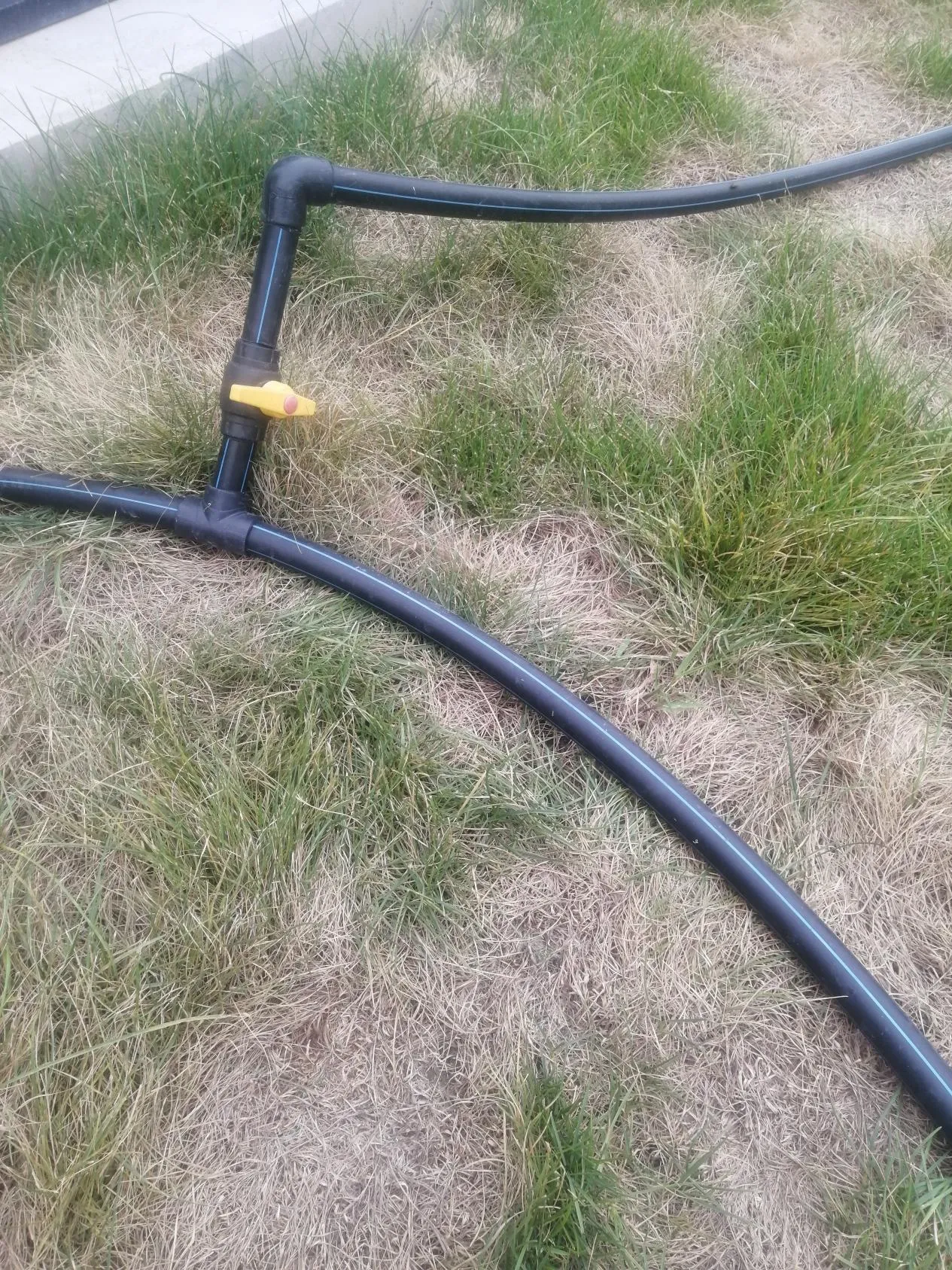
High-Density Polyethylene (HDPE) duct couplers are critical components within the broader telecommunications, power, and utility infrastructure landscape. Specifically, these couplers facilitate the secure and reliable connection of HDPE ducts, which serve as conduits for protecting sensitive cabling and piping. Positioned within the material supply chain as a pre-fabricated joining solution, they replace traditional on-site welding or solvent cementing methods. Core performance characteristics revolve around maintaining pressure integrity, ensuring long-term corrosion resistance, and providing rapid, repeatable installation. The rising demand for efficient and scalable infrastructure deployment, particularly in 5G rollout and fiber optic expansions, has driven increased adoption of HDPE ducting systems and, consequently, their associated couplers. These couplers are often integral to directional drilling projects, minimizing disruption and accelerating project completion. The effectiveness of a coupler is ultimately measured by its ability to prevent ingress of water, soil contaminants, and gases, safeguarding the integrity of the encased infrastructure.
Material Science & Manufacturing
The primary material for HDPE duct couplers is, as the name suggests, High-Density Polyethylene (HDPE). HDPE is a thermoplastic polymer known for its high strength-to-density ratio, excellent chemical resistance, and flexibility. Crucially, the HDPE used in these couplers must meet specific resin grade standards, typically conforming to ASTM D3350, ensuring consistent performance characteristics. The manufacturing process generally involves injection molding. Raw HDPE pellets are melted and injected under high pressure into a precisely engineered mold cavity. Key parameters during injection molding include melt temperature (typically between 200-250°C), mold temperature (30-50°C), injection pressure (70-100 MPa), and cooling time. Precise control of these parameters is vital to prevent warpage, sink marks, and ensure dimensional accuracy. Some couplers incorporate EPDM rubber gaskets for enhanced sealing. The chemical compatibility between the HDPE and EPDM is essential, requiring rigorous testing to avoid degradation or swelling. Post-molding, dimensional checks are performed to confirm adherence to specified tolerances. Material properties impacting performance include tensile strength (typically 20-30 MPa), elongation at break (200-500%), and hardness (Shore D 50-60). The use of UV stabilizers within the HDPE formulation is also common to mitigate degradation from prolonged sunlight exposure.
Performance & Engineering
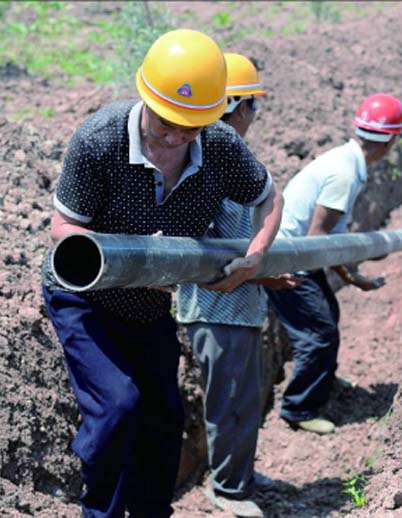
The performance of an HDPE duct coupler is fundamentally governed by its ability to maintain a robust, watertight seal under various environmental and mechanical stresses. Force analysis is critical, focusing on both axial tensile loads (caused by soil movement or duct elongation) and radial compressive loads (from soil backfill). Couplers are engineered to withstand these forces without deformation or separation. Environmental resistance is paramount, with considerations for temperature fluctuations (-40°C to +80°C is typical), soil acidity/alkalinity, and exposure to potential contaminants. Long-term creep resistance is also a vital design consideration, as HDPE can exhibit time-dependent deformation under sustained load. Compliance requirements vary geographically but generally adhere to industry standards for conduit systems. In the telecommunications sector, standards such as TIA-568 are relevant, while power and utility applications may require compliance with NESC or local utility regulations. The design must account for differential settlement, where uneven ground movement can induce stress on the duct and coupler. Proper installation procedures, including adequate backfill compaction, are crucial for optimal performance. Furthermore, the coupler's design must facilitate easy inspection and testing, such as pressure testing, to verify seal integrity before cabling or piping is installed. Fatigue analysis is also important, especially in areas prone to vibration or repeated loading.
Technical Specifications
| Parameter | Specification (Typical) | Testing Standard | Unit |
|---|---|---|---|
| Nominal Duct Size | 50mm, 75mm, 100mm, 125mm, 150mm | ISO 16101-1 | mm |
| Material | HDPE (High-Density Polyethylene) | ASTM D3350 | - |
| Pressure Rating | 10 | ISO 16101-1 | bar |
| Operating Temperature Range | -40 to +80 | ASTM D790 | °C |
| Tensile Strength | 25 | ASTM D638 | MPa |
| Elongation at Break | 300 | ASTM D638 | % |
Failure Mode & Maintenance
Common failure modes for HDPE duct couplers include cracking due to over-tightening during installation, degradation of the EPDM gasket leading to water ingress, and creep deformation under sustained load. Fatigue cracking can occur in areas subjected to repeated stress, especially near weld seams if the coupler incorporates any welded components. Chemical attack from aggressive soil contaminants can also compromise the HDPE material, leading to embrittlement and eventual failure. UV degradation, although mitigated by stabilizers, can still occur over extended exposure periods, causing surface cracking and loss of mechanical properties. A critical failure analysis point is identifying the root cause – was it installation error, material defect, or environmental exposure? Maintenance typically involves periodic visual inspection for signs of cracking, deformation, or gasket degradation. Pressure testing can be employed to verify seal integrity. If minor cracks are detected, repair options may include the use of specialized repair sleeves or replacement of the coupler. Preventive maintenance should emphasize proper installation procedures, ensuring correct torque settings and adequate backfill compaction. Long-term monitoring of soil conditions and implementing protective measures against chemical contamination can also extend the service life of the couplers.
Industry FAQ
Q: What is the impact of soil corrosivity on the long-term performance of HDPE duct couplers?
A: Soil corrosivity, specifically the presence of sulfates, chlorides, and organic acids, can significantly degrade HDPE over time. These chemicals can cause stress cracking and embrittlement. Selecting HDPE formulations with enhanced chemical resistance and implementing protective measures like cathodic protection or barrier coatings can mitigate these effects. Regular soil testing is recommended to monitor corrosivity levels.
Q: How does temperature fluctuation affect the dimensional stability of HDPE duct couplers?
A: HDPE expands and contracts with temperature changes. While the coefficient of thermal expansion is relatively low, significant temperature fluctuations can induce stress on the coupler and surrounding duct. The design must accommodate this thermal movement, potentially incorporating flexible couplings or expansion joints. The specified operating temperature range should be strictly adhered to.
Q: What is the recommended installation torque for HDPE duct coupler tightening?
A: Over-tightening is a common cause of failure. The recommended torque is specified by the coupler manufacturer and depends on the coupler size and design. Using a calibrated torque wrench is essential. Excessive torque can deform the coupler body or damage the gasket, leading to leaks. Under-tightening can also result in insufficient sealing pressure.
Q: What testing methods are used to verify the watertight integrity of an installed HDPE duct coupler?
A: Pressure testing is the most common method. The duct section containing the coupler is sealed at both ends and pressurized with water or air to a specified pressure. A pressure decay test is then performed to detect any leaks. Visual inspection for water ingress is also conducted.
Q: Are there specific requirements for backfill material around HDPE duct couplers?
A: Yes. The backfill material should be free of sharp objects that could damage the coupler. Granular materials like sand or gravel are preferred. Proper compaction of the backfill is crucial to provide uniform support and prevent differential settlement. The backfill should also have adequate drainage characteristics to prevent water accumulation.
Conclusion
HDPE duct couplers represent a vital and evolving component in modern infrastructure deployment. Their performance is intrinsically linked to the careful selection of materials, meticulous manufacturing processes, and adherence to stringent engineering principles. The long-term reliability of these couplers hinges on understanding the potential failure modes and implementing proactive maintenance strategies. Proper installation, consideration of environmental factors, and rigorous quality control are all paramount to ensuring their effective function.
Looking ahead, continued innovation in HDPE resin formulations, gasket technology, and coupler design will further enhance their performance and durability. The increasing demand for high-bandwidth connectivity and resilient infrastructure will drive further adoption of HDPE ducting systems, making robust and reliable couplers an increasingly critical element in the network backbone. Standardization and improved testing protocols are also essential for ensuring consistent quality and performance across the industry.
-
DN25 HDPE Compression Fitting-HORON INTERNATIONAL|Reliable Irrigation Solutions
NewsFeb.11,2026
-
china 100mm pvc pipe price Performance Analysis
News2026-05-23
-
china pvc pipe used for Performance Analysis
News2026-05-23
-
china ppr water pipe fittings Performance Analysis
News2026-05-23
-
china hdpe pipe couplings Performance Analysis
News2026-05-23
-
china 50mm ppr pipe price Performance Analysis
News2026-05-23
-
china corrugated hdpe pipe fittings Performance Analysis
News2026-05-22
-
china ppr pipe for hot water Performance Analysis
News2026-05-22
-
china ppr Technical Performance Analysis
News2026-05-22
-
china corrugated dual wall pipe Performance Analysis
News2026-05-22
-
china sink inlet pipe Material Performance Analysis
News2026-05-22
-
china 1 2 inch pvc Performance Analysis
News2026-05-21
-
china hdpe pipe joint coupler Performance Analysis
News2026-05-21
-
china ppr pipes and fittings price list Technical Analysis
News2026-05-21
-
china 9 inch pvc pipe price Performance Analysis
News2026-05-21
-
china 2 inch borewell column pipe price Performance Engineering
News2026-05-21