

Feb . 11, 2026 00:01 Back to list
underground pvc pipe products Manufacturing Processes
Introduction
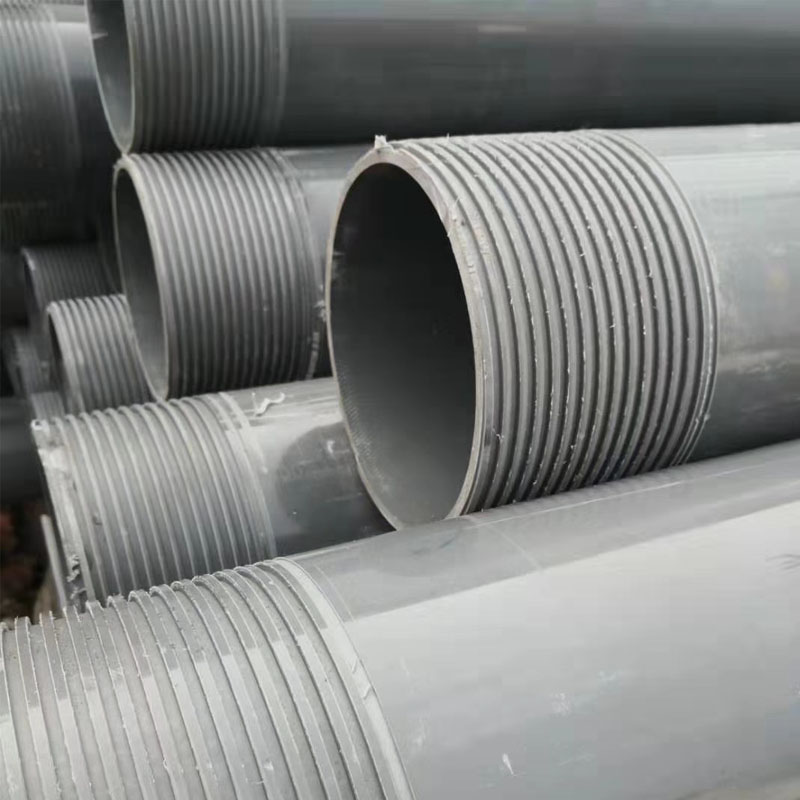
Polyvinyl Chloride (PVC) pipe designated for underground applications represents a critical component in modern infrastructure, encompassing potable water distribution, wastewater management, irrigation systems, and increasingly, conduit for electrical and telecommunications cabling. Its prevalence stems from a combination of cost-effectiveness, durability, ease of installation, and corrosion resistance. This guide provides a comprehensive technical overview of underground PVC pipe, detailing material science, manufacturing processes, performance characteristics, potential failure modes, and relevant industry standards. Unlike metallic alternatives, PVC mitigates concerns surrounding rust and electrolytic corrosion, significantly reducing long-term maintenance costs. The selection of appropriate PVC pipe formulations and installation techniques is paramount to ensure system longevity and prevent premature failure, particularly in challenging soil conditions and demanding operating environments. This document is intended for engineers, procurement managers, and construction professionals involved in the specification, installation, and maintenance of underground PVC piping systems.
Material Science & Manufacturing
Underground PVC pipe is primarily manufactured from PVC resin, a thermoplastic polymer produced through the polymerization of vinyl chloride monomer (VCM). The resulting resin is rarely used in its pure form; rather, it’s compounded with a range of additives to tailor its properties for specific applications. These additives include plasticizers (typically phthalates or alternative non-phthalate esters) to enhance flexibility, impact modifiers (e.g., chlorinated polyethylene – CPE) to improve fracture toughness, heat stabilizers (e.g., organotin compounds, calcium-zinc stabilizers) to prevent thermal degradation during processing and service, lubricants to facilitate extrusion, and UV absorbers to mitigate photodegradation in exposed applications. The PVC compound's formulation directly influences the pipe's mechanical strength, chemical resistance, and long-term performance. Manufacturing typically employs extrusion processes. PVC resin and additives are fed into a hopper and conveyed to an extruder, where they are heated, melted, and homogenized. The molten PVC is then forced through a die to form the desired pipe diameter and wall thickness. Critical parameters during extrusion include melt temperature (typically 180-210°C), screw speed, die pressure, and cooling rates. Following extrusion, pipes are typically calibrated in a water bath to maintain dimensional accuracy and then cut to length. Quality control measures at this stage include dimensional checks, hydrostatic pressure testing, and visual inspection for defects. Pipe jointing methods vary, with solvent cementing being the most common for smaller diameters and mechanical couplings (rubber ring joints, flange fittings) preferred for larger diameters and applications requiring frequent disassembly. The molecular weight distribution of the PVC resin and the thorough mixing of additives are crucial for achieving consistent material properties and preventing phase separation, which can lead to premature failure.
Performance & Engineering
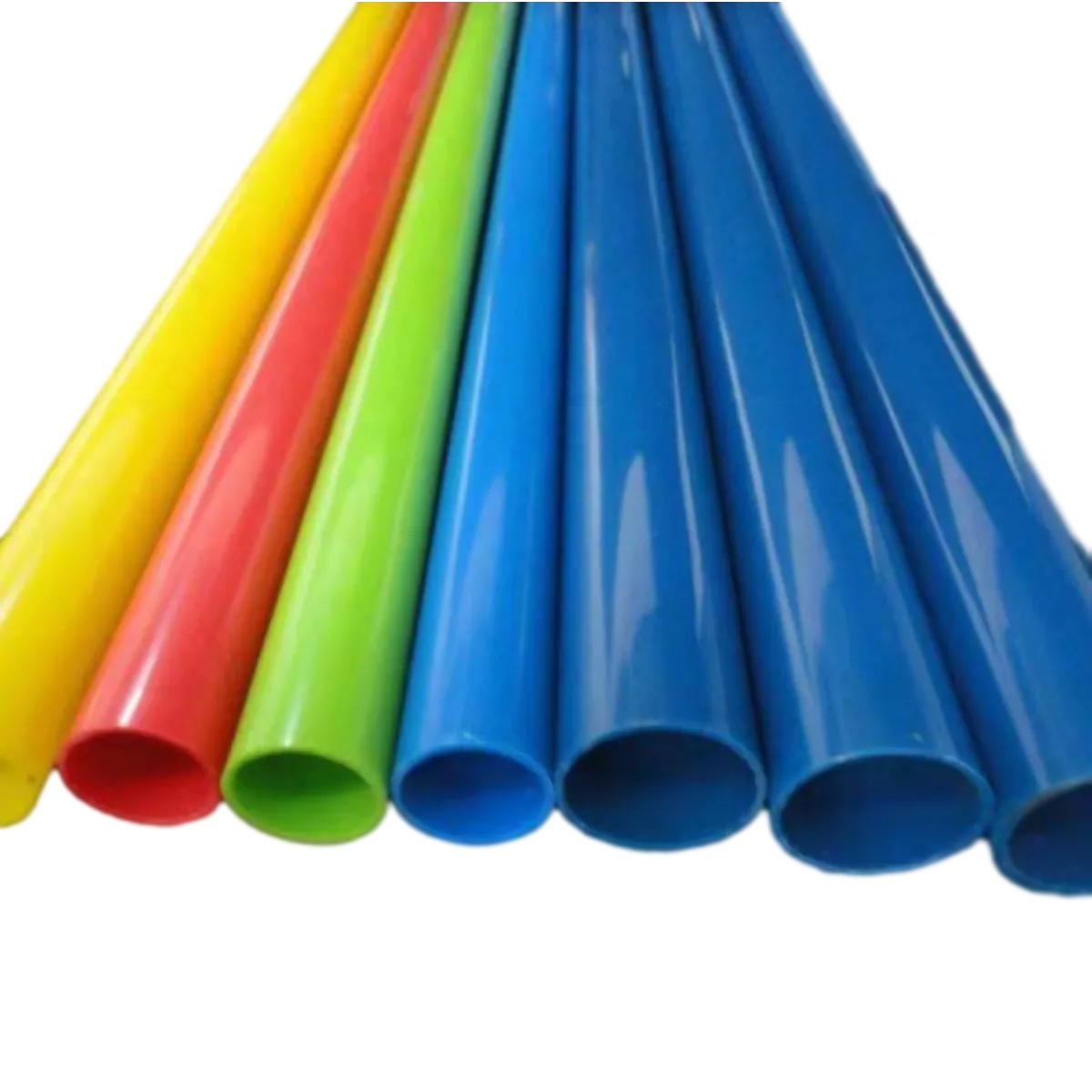
The performance of underground PVC pipe is dictated by its ability to withstand internal hydrostatic pressure, external loads from soil and traffic, and the long-term effects of environmental factors. Hydrostatic design stress (HDS) is a critical parameter, determined by the pipe's dimensions, material properties, and desired safety factor. External loads induce stress on the pipe wall, and adequate burial depth and bedding material are essential to prevent excessive deflection and potential cracking. Soil classification and compaction are paramount considerations. Poorly compacted soil can lead to uneven load distribution and localized stress concentrations. Furthermore, PVC's susceptibility to creep (time-dependent deformation under sustained load) must be considered in long-term design calculations. Finite element analysis (FEA) is frequently employed to model the stress distribution in buried pipes under various loading scenarios. Chemical resistance is a significant advantage of PVC, rendering it suitable for conveying a wide range of fluids. However, prolonged exposure to certain solvents and aggressive chemicals can cause swelling, embrittlement, or leaching of plasticizers. Temperature plays a role in PVC's mechanical properties; higher temperatures generally reduce strength and increase creep. Installation practices, including proper jointing and backfilling procedures, are vital to ensure the system's structural integrity. Differential settlement of the surrounding soil can impose significant stress on the pipe, and appropriate bedding and backfill materials are needed to mitigate this risk. The Manning equation is used to calculate flow rate and head loss within the pipe, considering pipe roughness and hydraulic gradient.
Technical Specifications
| Parameter | Units | Typical Value (Schedule 40 PVC) | Typical Value (Schedule 80 PVC) |
|---|---|---|---|
| Material | - | PVC (Polyvinyl Chloride) | PVC (Polyvinyl Chloride) |
| Outside Diameter | inches | 4" | 4" |
| Wall Thickness | inches | 0.133" | 0.179" |
| Pressure Rating | psi | 400 | 600 |
| Tensile Strength | psi | 6,000 | 7,500 |
| Flexural Modulus | psi | 3,000 | 3,500 |
| Impact Strength (Izod Notched) | ft-lb/in | 1.0 | 1.5 |
Failure Mode & Maintenance
Underground PVC pipe is subject to various failure modes, often influenced by installation quality, soil conditions, and operational stresses. Common failure mechanisms include: 1) Cracking: Can arise from over-pressurization, excessive external loads, or stress corrosion cracking (SCC) induced by aggressive soil environments. 3) Joint Failure: Improper solvent cementing, inadequate gasket compression, or corrosion of mechanical couplings can lead to leaks at joints. 4) Embrittlement: Long-term exposure to UV radiation (in shallowly buried sections) or certain chemicals can cause the PVC to become brittle and susceptible to fracture. 5) Creep Rupture: Sustained hydrostatic pressure and external loads can cause time-dependent deformation and eventual rupture, especially at elevated temperatures. 6) Soil Movement: Settlement, landslides, or frost heave can impose excessive stress on the pipe, leading to cracking or joint separation. Preventative maintenance includes regular inspections for leaks or visible damage, proper backfilling procedures to ensure adequate support, and monitoring of internal pressure. Repair strategies depend on the severity and location of the failure. Small leaks can often be repaired with PVC cement or patching compounds. Significant cracks or joint failures may require pipe replacement. Cathodic protection is generally not applicable to PVC pipe, as it is non-conductive. However, corrosion protection of any metallic components within the system (e.g., mechanical couplings) is essential. Pressure testing after repairs is crucial to verify the integrity of the system. Detailed records of installation, maintenance, and repairs should be maintained to track system performance and identify potential problem areas.
Industry FAQ
Q: What is the impact of soil corrosivity on the long-term performance of underground PVC pipe?
A: Soil corrosivity, particularly the presence of sulfates, chlorides, and organic acids, can accelerate the degradation of PVC pipe. While PVC itself is corrosion-resistant, these substances can contribute to stress corrosion cracking (SCC) and leaching of plasticizers, reducing the pipe's mechanical strength and flexibility over time. Selecting PVC compounds specifically formulated for corrosive soil environments and employing appropriate protective measures (e.g., bedding materials) are crucial mitigation strategies.
Q: How does burial depth affect the allowable external load capacity of PVC pipe?
A: Increasing burial depth significantly enhances the pipe's ability to withstand external loads. Greater soil cover provides more support and distributes loads over a wider area, reducing stress concentrations on the pipe wall. However, deeper burial also increases the hydrostatic pressure, which must be accounted for in the design. Industry standards provide guidelines for minimum burial depths based on pipe diameter, soil type, and anticipated traffic loads.
Q: What are the key considerations when selecting a solvent cement for joining PVC pipe?
A: Choosing the correct solvent cement is critical for creating a watertight and structurally sound joint. The cement must be compatible with the PVC resin and intended for the specific application (e.g., pressure-rated or drain, waste, and vent). Temperature and humidity during application are also important factors, as they affect the cement's viscosity and evaporation rate. Proper application techniques, including surface preparation and adequate dwell time, are essential for achieving a reliable bond.
Q: Can PVC pipe be used in areas prone to seismic activity? What design considerations are necessary?
A: Yes, PVC pipe can be used in seismic areas, but requires specific design considerations. Its inherent flexibility provides some resistance to ground movement. However, joints are the most vulnerable point. Flexible couplings and restrained joints are commonly used to accommodate differential movement and prevent pull-apart failures. Additionally, adequate bedding and backfill compaction are crucial to provide support and minimize stress on the pipe.
Q: What are the advantages of Schedule 80 PVC pipe compared to Schedule 40 for underground applications?
A: Schedule 80 PVC pipe has a thicker wall than Schedule 40, resulting in a higher pressure rating and greater resistance to impact and external loads. While more expensive, Schedule 80 is often preferred for applications involving high pressures, heavy traffic loads, or corrosive soil conditions. It offers a higher margin of safety and extended service life, justifying the increased initial cost in demanding environments.
Conclusion
Underground PVC pipe represents a robust and cost-effective solution for a wide array of infrastructure applications, provided that materials are selected carefully and installation procedures are meticulously followed. Understanding the interplay between material science, manufacturing processes, performance characteristics, and potential failure modes is crucial for ensuring long-term system reliability. Proper design considerations, accounting for soil conditions, hydrostatic pressure, and external loads, are essential for mitigating risks and maximizing service life.
Future advancements in PVC compounding technologies, including the development of enhanced impact modifiers and stabilizers, will further improve the durability and performance of underground PVC piping systems. Continued research into non-destructive testing methods for detecting early signs of degradation will also play a vital role in proactive maintenance and preventing catastrophic failures. Adherence to industry standards and best practices remains paramount for responsible and sustainable infrastructure development.
-
DN25 HDPE Compression Fitting-HORON INTERNATIONAL|Reliable Irrigation Solutions
NewsFeb.11,2026
-
china 100mm pvc pipe price Performance Analysis
News2026-05-23
-
china pvc pipe used for Performance Analysis
News2026-05-23
-
china ppr water pipe fittings Performance Analysis
News2026-05-23
-
china hdpe pipe couplings Performance Analysis
News2026-05-23
-
china 50mm ppr pipe price Performance Analysis
News2026-05-23
-
china corrugated hdpe pipe fittings Performance Analysis
News2026-05-22
-
china ppr pipe for hot water Performance Analysis
News2026-05-22
-
china ppr Technical Performance Analysis
News2026-05-22
-
china corrugated dual wall pipe Performance Analysis
News2026-05-22
-
china sink inlet pipe Material Performance Analysis
News2026-05-22
-
china 1 2 inch pvc Performance Analysis
News2026-05-21
-
china hdpe pipe joint coupler Performance Analysis
News2026-05-21
-
china ppr pipes and fittings price list Technical Analysis
News2026-05-21
-
china 9 inch pvc pipe price Performance Analysis
News2026-05-21
-
china 2 inch borewell column pipe price Performance Engineering
News2026-05-21