

Feb . 11, 2026 00:01 Back to list
ppr pipe use factory Performance Analysis
Introduction
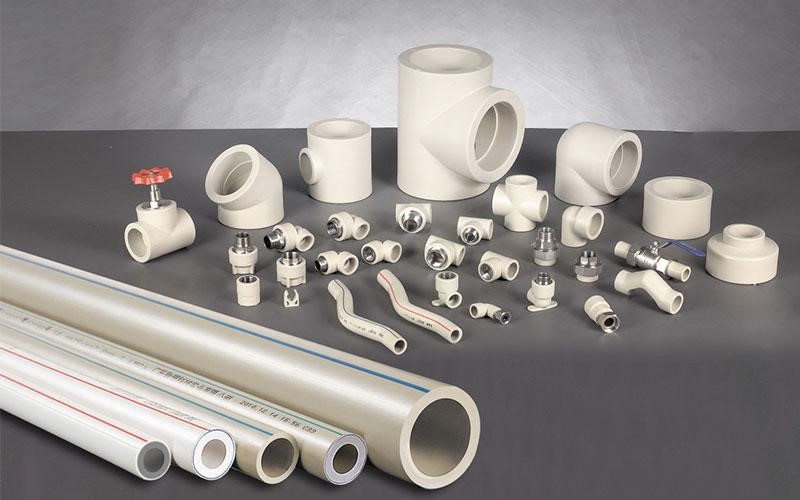
Polypropylene Random Copolymer (PPR) pipe systems represent a significant advancement in fluid conveyance technology, particularly within industrial and potable water applications. This technical guide details the properties, manufacturing, performance, failure modes, and maintenance of PPR pipe systems as utilized in factory settings. PPR pipes are increasingly favored over traditional metallic piping due to their corrosion resistance, low thermal conductivity, and ease of installation. They occupy a critical position in factory infrastructure, serving in chilled water distribution, process fluid transfer, and compressed air lines. Core performance attributes include pressure sustainability, chemical inertness, and resistance to scaling. Understanding these characteristics is paramount for optimizing operational efficiency and minimizing lifecycle costs within a manufacturing environment.
Material Science & Manufacturing
PPR pipe is manufactured from polypropylene random copolymer, a thermoplastic polymer created through the polymerization of propylene monomers. The ‘random’ designation indicates the statistical arrangement of comonomers – typically ethylene – within the polymer chain, disrupting the crystallinity of standard polypropylene. This disruption imparts enhanced flexibility and impact resistance. Raw material selection is critical; the quality of polypropylene granules directly affects the pipe's final properties. Key properties include a density ranging from 0.905 to 0.92 g/cm³, a tensile strength of 25-35 MPa, and a flexural modulus of 800-1200 MPa.
Manufacturing typically involves extrusion molding. Polypropylene granules are fed into an extruder, melted, and forced through a die to form the pipe shape. Critical parameters during extrusion include temperature control (melt temperature typically between 200-240°C), screw speed, and die design. Precise temperature control is crucial to prevent polymer degradation and ensure homogeneous material distribution. The cooling process—often using water baths—must be carefully managed to minimize internal stresses and dimensional inaccuracies. Post-extrusion, pipes undergo hydrostatic testing to verify pressure integrity and dimensional compliance. Socket fusion, butt fusion, and electrofusion are common joining techniques. These processes rely on heating the pipe and fitting materials to create a homogenous weld. The quality of the weld is heavily influenced by temperature, pressure, and time parameters. Improper fusion can lead to structural weakness and leakage.
Performance & Engineering
PPR pipe performance is heavily influenced by its ability to withstand internal pressure, external loads, and environmental stressors. Force analysis reveals that hoop stress—the circumferential stress caused by internal pressure—is the primary design consideration. Wall thickness is directly proportional to the pipe’s ability to withstand this stress. Chemical resistance is another vital performance characteristic. PPR exhibits excellent resistance to a broad range of chemicals, including acids, bases, and salts, making it suitable for various industrial applications. However, it is susceptible to degradation from prolonged exposure to strong oxidizing agents and certain organic solvents.
Environmental resistance encompasses temperature effects and UV exposure. PPR’s operating temperature range typically extends from -20°C to +95°C, with short-term exposure to higher temperatures possible. However, sustained exposure to elevated temperatures can lead to creep deformation and reduced pressure capacity. UV radiation can cause embrittlement and discoloration; therefore, UV-stabilized grades of PPR are recommended for outdoor applications. Compliance with international standards, such as DIN 8077 and ASTM D3261, is critical to ensure product safety and reliability. These standards specify requirements for material properties, dimensional tolerances, and testing procedures. Hydrostatic testing, burst pressure testing, and creep rupture testing are common methods used to verify performance compliance.
Technical Specifications
| Parameter | Unit | Typical Value | Test Standard |
|---|---|---|---|
| Density | g/cm³ | 0.905-0.92 | ISO 1183 |
| Tensile Strength | MPa | 25-35 | ISO 527 |
| Flexural Modulus | MPa | 800-1200 | ISO 178 |
| Hydrostatic Pressure (20°C, 100 hours) | MPa | 1.25 | DIN 8077 |
| Operating Temperature | °C | -20 to +95 | Manufacturer Specification |
| Chemical Resistance | - | Excellent to most acids and bases | ASTM F412 |
Failure Mode & Maintenance
PPR pipe systems are generally reliable, but several failure modes can occur in factory settings. Fatigue cracking, initiated by repeated pressure fluctuations or mechanical stress, is a common issue, especially at joints. Delamination can occur within the pipe wall due to inadequate fusion during joining or material defects. Degradation from prolonged exposure to high temperatures or aggressive chemicals can reduce the pipe’s mechanical properties. Oxidation, induced by UV radiation or exposure to oxidizing agents, can cause embrittlement and cracking.
Preventive maintenance is crucial to extend the service life of PPR pipe systems. Regular visual inspections should be conducted to identify signs of cracking, discoloration, or deformation. Hydrostatic testing should be performed periodically to verify pressure integrity. Joints should be inspected for leaks or signs of separation. If damage is detected, the affected section of pipe should be replaced immediately. Proper storage of PPR pipes and fittings is essential to prevent contamination and degradation. They should be stored in a cool, dry, and well-ventilated area away from direct sunlight and corrosive substances. Avoid mechanical damage during handling and installation. Utilize appropriate tools and techniques for cutting, joining, and supporting the pipes. Periodic flushing of the system can prevent the buildup of scale and debris, maintaining flow efficiency and preventing corrosion.
Industry FAQ
Q: What is the impact of water hammer on PPR pipe systems?
A: Water hammer, the pressure surge resulting from sudden valve closure, can induce significant stress on PPR pipes and joints. Repeated water hammer events can lead to fatigue cracking and premature failure. Mitigation strategies include the use of pressure relief valves, air chambers, and slow-closing valves.
Q: Can PPR pipes be used for compressed air lines?
A: While PPR pipes can handle compressed air, it's crucial to select the appropriate pressure rating and ensure proper installation. PPR's temperature limitations may restrict its use in certain compressed air applications where high temperatures are generated. Reinforced PPR pipe is often recommended for higher pressure compressed air systems.
Q: What is the expected lifespan of a PPR pipe system in a factory environment?
A: The expected lifespan of a PPR pipe system typically ranges from 20 to 50 years, depending on operating conditions, water quality, and maintenance practices. Regular inspections and preventive maintenance can significantly extend the lifespan.
Q: What are the limitations of PPR pipes regarding chemical compatibility?
A: PPR exhibits excellent resistance to many chemicals, but it is susceptible to degradation from prolonged exposure to strong oxidizing agents, aromatic hydrocarbons, and chlorinated solvents. Consult a chemical compatibility chart before using PPR pipes in applications involving aggressive chemicals.
Q: How do I ensure a proper fusion weld when joining PPR pipes?
A: Proper fusion welding requires precise temperature control, adequate pressure, and sufficient heating time. Use calibrated fusion tools and follow the manufacturer’s recommended parameters. Ensure the surfaces to be joined are clean and free of contaminants. Avoid excessive movement during the cooling process.
Conclusion
PPR pipe systems offer a compelling solution for fluid conveyance in factory environments, providing a balance of corrosion resistance, ease of installation, and cost-effectiveness. A thorough understanding of the material science, manufacturing processes, and performance characteristics is essential for successful implementation. Addressing potential failure modes through proactive maintenance and proper material selection is critical for maximizing system longevity and minimizing operational disruptions.
The continued development of PPR materials, particularly the incorporation of enhanced UV stabilizers and increased temperature resistance, will further broaden their applicability across diverse industrial sectors. Future research should focus on developing non-destructive testing methods for evaluating weld integrity and assessing long-term material degradation, ensuring the sustained reliability of PPR pipe systems.
-
DN25 HDPE Compression Fitting-HORON INTERNATIONAL|Reliable Irrigation Solutions
NewsFeb.11,2026
-
china use of pvc pipe Performance Analysis
News2026-05-24
-
china 50mm pvc pipe price Performance Analysis
News2026-05-24
-
china ppr pipe 50mm price Performance Analysis
News2026-05-24
-
china hdpe coupler price Performance Analysis
News2026-05-24
-
china white pvc pipe Performance Analysis
News2026-05-24
-
china 100mm pvc pipe price Performance Analysis
News2026-05-23
-
china pvc pipe used for Performance Analysis
News2026-05-23
-
china ppr water pipe fittings Performance Analysis
News2026-05-23
-
china hdpe pipe couplings Performance Analysis
News2026-05-23
-
china 50mm ppr pipe price Performance Analysis
News2026-05-23
-
china corrugated hdpe pipe fittings Performance Analysis
News2026-05-22
-
china ppr pipe for hot water Performance Analysis
News2026-05-22
-
china ppr Technical Performance Analysis
News2026-05-22
-
china corrugated dual wall pipe Performance Analysis
News2026-05-22
-
china sink inlet pipe Material Performance Analysis
News2026-05-22