

Feb . 11, 2026 00:01 Back to list
ppr pipe use factories Performance Analysis
Introduction
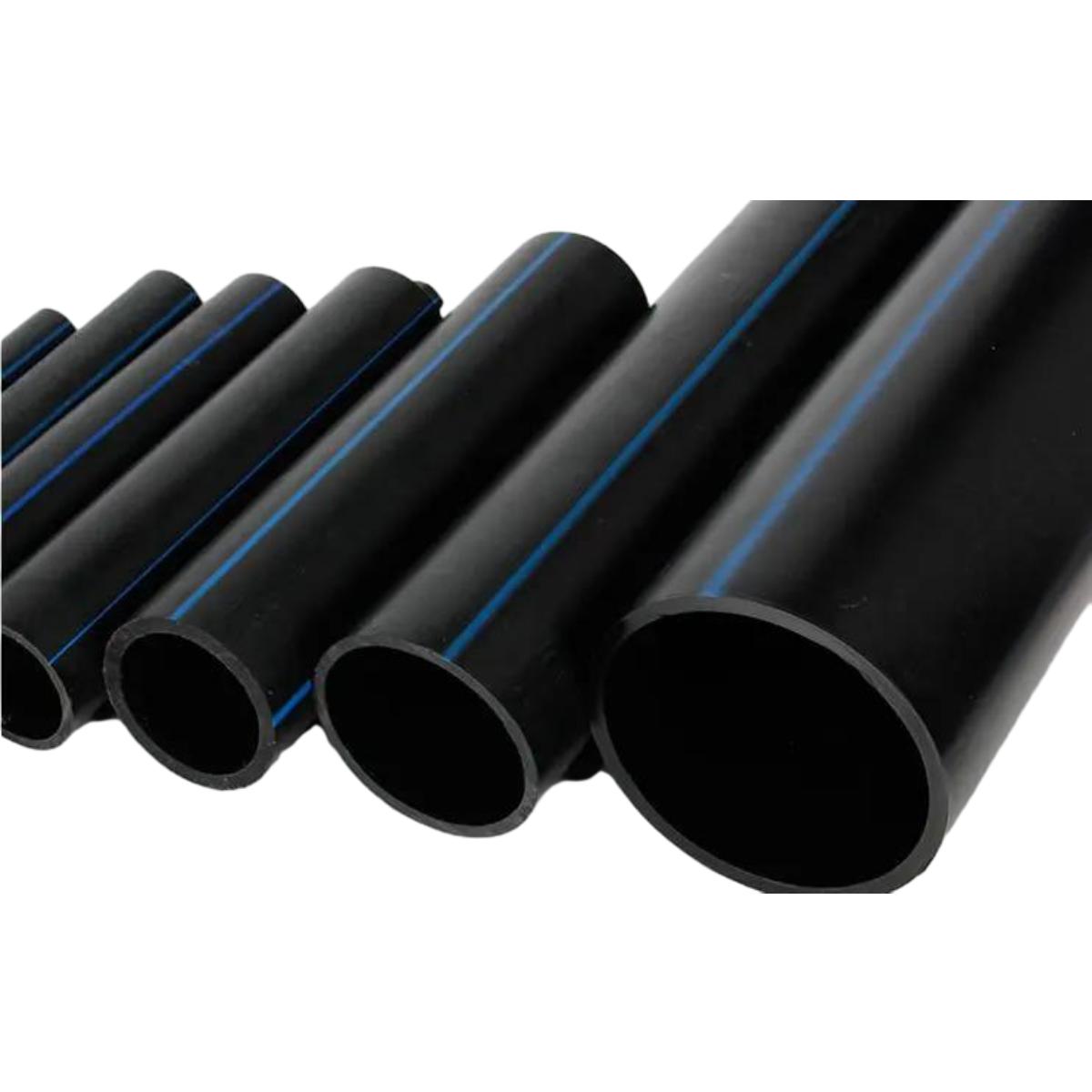
Polypropylene Random (PPR) piping systems represent a significant advancement in fluid conveyance technology, particularly within industrial facilities. PPR pipes, constructed from polypropylene homopolymers and copolymers, have become a staple in applications requiring corrosion resistance, thermal stability, and hygienic fluid transport. Their position in the industrial chain lies between raw polymer production and on-site installation within factories involved in chemical processing, food and beverage production, pharmaceutical manufacturing, and HVAC systems. Core performance characteristics include a high flow capacity due to smooth inner surfaces, resistance to a broad range of chemicals, and a relatively lightweight nature facilitating ease of installation. However, understanding the limitations related to temperature, pressure, and UV exposure is crucial for ensuring long-term operational reliability. This guide provides a detailed technical overview of PPR pipe systems for factory applications, covering material science, manufacturing processes, performance analysis, failure modes, and relevant industry standards.
Material Science & Manufacturing
PPR pipes are predominantly manufactured from polypropylene (PP) resins, specifically random copolymers of propylene with ethylene. The “random” designation signifies the statistical distribution of ethylene monomers within the polymer chain, resulting in a material with improved impact strength and flexibility compared to homopolymers. The raw material's key physical properties include a density of approximately 0.90-0.92 g/cm³, a glass transition temperature around -10°C, and a melting point typically between 130-171°C, dependent on the specific copolymer ratio. Manufacturing begins with the extrusion of PP granules, utilizing a plastic extrusion process. This involves melting the PP resin, forcing it through a die to form a continuous pipe profile, and subsequently cooling and solidifying the material. Critical parameters during extrusion include maintaining consistent melt temperature (typically 190-240°C), controlling screw speed to ensure adequate mixing, and precise die calibration to achieve the desired pipe dimensions and wall thickness. Hydrostatic testing is a vital quality control step, subjecting the pipes to internal pressure to verify their structural integrity and leak-proofness. Fusion welding techniques – including hot plate welding, socket fusion, and butt fusion – are commonly employed to join PPR pipes on-site. The choice of welding method depends on pipe diameter and application requirements, with each technique requiring precise temperature and pressure control to achieve a robust, homogenous weld joint. Chemical compatibility is paramount; while PPR offers excellent resistance to many acids and bases, prolonged exposure to strong oxidizing agents should be avoided.
Performance & Engineering
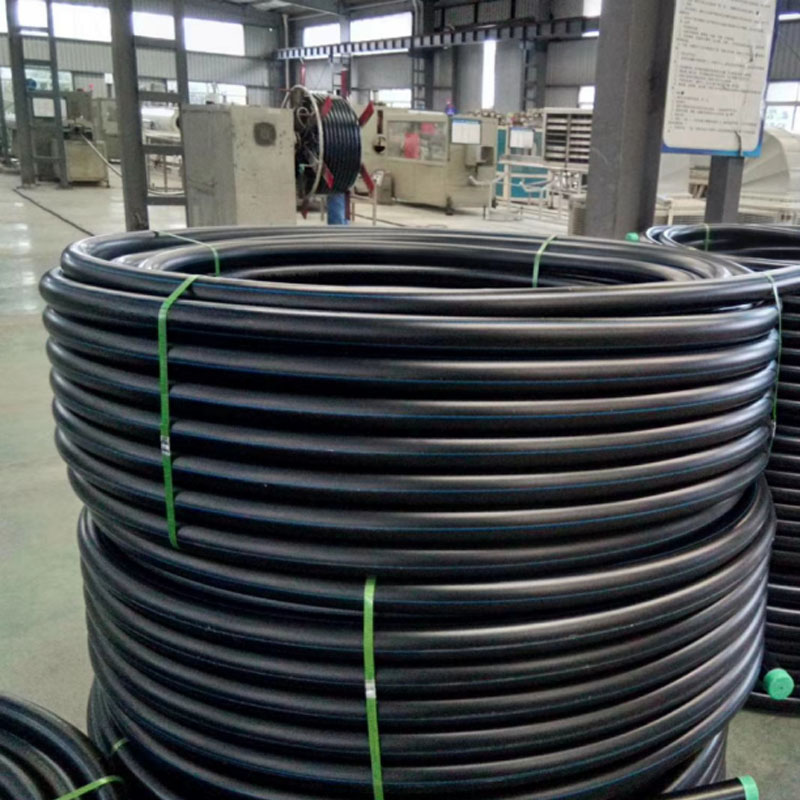
The performance of PPR piping systems is fundamentally governed by principles of fluid mechanics and material stress-strain behavior. Force analysis under operational conditions must consider both internal pressure from the conveyed fluid and external loads, including pipe weight and thermal expansion/contraction. The hoop stress in the pipe wall, calculated using the Barlow’s formula (σ = PD/2t, where σ is hoop stress, P is internal pressure, D is pipe diameter, and t is wall thickness), dictates the pipe’s ability to withstand pressure. Environmental resistance is a critical consideration. While PPR exhibits good UV resistance, prolonged direct exposure can lead to embrittlement and degradation. Consequently, pipes used in outdoor or exposed applications should be UV-stabilized or protected with coatings. Thermal expansion, with a coefficient of approximately 0.15 mm/m°C, necessitates the incorporation of expansion joints in long pipe runs to prevent stress buildup. Compliance requirements vary by region and application. In potable water systems, PPR pipes must meet standards ensuring the absence of harmful leaching and maintaining water purity. For industrial applications, chemical resistance certifications and adherence to relevant process safety standards are essential. Functional implementation details include proper pipe support spacing to prevent sagging and ensuring adequate ventilation around hot pipes to mitigate thermal stress. The use of appropriate fittings—elbows, tees, reducers—must be compatible with the pipe material and installed according to manufacturer specifications to maintain system integrity. Furthermore, dielectric unions are necessary when connecting PPR piping to metallic systems to prevent galvanic corrosion.
Technical Specifications
| Parameter | PN16 (SDR 11.6) | PN20 (SDR 10) | PN25 (SDR 7.4) | Material |
|---|---|---|---|---|
| Nominal Pressure (Bar) | 16 | 20 | 25 | Polypropylene Random Copolymer |
| Operating Temperature (°C) | -20 to +70 | -20 to +70 | -20 to +70 | Type 3 (preferred for hot water) |
| Short-Term Hydrostatic Pressure Test (Bar) | 24 | 30 | 37.5 | As per ISO 15874-2 |
| Long-Term Hydrostatic Pressure Test (Bar) | 10 | 12.5 | 15 | 100% of PN for 1000 hours |
| Oxygen Permeability (cm³/m²·day·bar) | <0.1 | <0.1 | <0.1 | Crucial for oxygen-sensitive systems |
| Chemical Resistance | Excellent to most acids & bases | Excellent to most acids & bases | Excellent to most acids & bases | Avoid strong oxidizing agents |
Failure Mode & Maintenance
PPR pipe systems, while durable, are susceptible to specific failure modes. Fatigue cracking, particularly at welded joints, can occur due to cyclic pressure fluctuations or thermal stress. This is often initiated by imperfections in the weld or localized stress concentrations. Delamination, the separation of layers within the pipe wall, can arise from improper extrusion or material degradation. Chemical attack by incompatible fluids can lead to swelling, softening, and eventual failure. Oxidation, although less common in PPR compared to other polymers, can occur at elevated temperatures in the presence of oxygen. Long-term creep, the gradual deformation under sustained stress, is a concern in high-temperature applications. Regular inspection of pipe supports, welds, and exposed sections is crucial for preventative maintenance. Visual inspection should focus on identifying cracks, discoloration, or signs of deformation. Hydrostatic testing can periodically assess the system’s overall integrity. Proper flushing to remove debris and scale buildup helps maintain flow capacity and prevent erosion. In the event of a leak, the damaged section should be cut out and replaced with a new section using appropriate fusion welding techniques. A thorough analysis of the failure cause is critical to prevent recurrence. Furthermore, adherence to recommended operating pressures and temperatures, as specified by the manufacturer and relevant standards, is paramount to maximizing system lifespan.
Industry FAQ
Q: What is the impact of water hardness on the longevity of PPR pipes in a cooling water system?
A: High water hardness can lead to scale formation within PPR pipes, reducing flow capacity and potentially creating localized stress points. Scale acts as a thermal insulator, reducing heat transfer efficiency in cooling systems. Regular water softening or the implementation of filtration systems is recommended to mitigate this issue. Scale buildup can also exacerbate corrosion in metallic components connected to the PPR system.
Q: How does the coefficient of thermal expansion of PPR compare to that of steel, and what are the implications for long pipe runs?
A: PPR has a significantly higher coefficient of thermal expansion (approximately 0.15 mm/m°C) than steel (approximately 12 x 10⁻⁶ /°C). This means PPR pipes will expand and contract more with temperature changes. In long pipe runs, this expansion and contraction can induce substantial stresses if not accommodated. Expansion loops, expansion joints, and careful pipe support design are essential to prevent buckling or joint failure.
Q: What specific welding parameters (temperature, pressure, holding time) are critical for achieving a reliable socket fusion joint in PN20 PPR pipe?
A: For PN20 PPR pipe, the typical welding parameters for socket fusion are: heating plate temperature of 260-270°C, welding pressure of 0.2-0.3 MPa, and a holding time of 6-8 seconds for the pipe and fitting. These parameters must be precisely controlled, using a calibrated welding tool, and verified based on the manufacturer’s recommendations. Insufficient heating can lead to incomplete fusion, while excessive heating can cause material degradation.
Q: What is the permissible velocity of a corrosive liquid (e.g., diluted hydrochloric acid) within a PN16 PPR pipe system?
A: While PPR exhibits good resistance to many acids, including diluted hydrochloric acid, the permissible velocity must be carefully considered. High velocities can accelerate corrosion due to erosion and impact. A velocity of less than 2 m/s is generally recommended for corrosive liquids in PN16 PPR pipes, with lower velocities preferred for highly corrosive solutions. Regular inspection for signs of corrosion is vital.
Q: Are there any specific additives used in PPR formulations to enhance resistance to chlorine-based disinfectants commonly used in water treatment?
A: Some PPR formulations incorporate chlorine stabilizers, such as hindered amine light stabilizers (HALS), to improve resistance to chlorine-based disinfectants. These additives help to prevent the degradation of the polymer chain caused by chlorine exposure. However, prolonged exposure to high concentrations of chlorine can still lead to material embrittlement. Regular monitoring of chlorine levels and consideration of alternative disinfection methods may be necessary.
Conclusion
PPR pipe systems offer a compelling combination of corrosion resistance, thermal stability, and ease of installation, making them well-suited for a wide range of industrial applications. However, successful implementation requires a thorough understanding of the material's properties, manufacturing processes, and potential failure modes. Careful attention to welding parameters, thermal expansion control, and chemical compatibility is essential to ensuring long-term system reliability.
Adherence to relevant industry standards and regular preventative maintenance are critical components of a robust PPR piping system management strategy. Continuous monitoring of system performance, coupled with proactive inspection and timely repairs, will maximize operational lifespan and minimize the risk of costly downtime. Future advancements in PPR formulations may focus on enhancing UV resistance, improving creep resistance at elevated temperatures, and developing more sustainable manufacturing processes.
-
DN25 HDPE Compression Fitting-HORON INTERNATIONAL|Reliable Irrigation Solutions
NewsFeb.11,2026
-
china 100mm pvc pipe price Performance Analysis
News2026-05-23
-
china pvc pipe used for Performance Analysis
News2026-05-23
-
china ppr water pipe fittings Performance Analysis
News2026-05-23
-
china hdpe pipe couplings Performance Analysis
News2026-05-23
-
china 50mm ppr pipe price Performance Analysis
News2026-05-23
-
china corrugated hdpe pipe fittings Performance Analysis
News2026-05-22
-
china ppr pipe for hot water Performance Analysis
News2026-05-22
-
china ppr Technical Performance Analysis
News2026-05-22
-
china corrugated dual wall pipe Performance Analysis
News2026-05-22
-
china sink inlet pipe Material Performance Analysis
News2026-05-22
-
china 1 2 inch pvc Performance Analysis
News2026-05-21
-
china hdpe pipe joint coupler Performance Analysis
News2026-05-21
-
china ppr pipes and fittings price list Technical Analysis
News2026-05-21
-
china 9 inch pvc pipe price Performance Analysis
News2026-05-21
-
china 2 inch borewell column pipe price Performance Engineering
News2026-05-21