

Feb . 11, 2026 00:01 Back to list
PPR Factory Material Performance Analysis
Introduction
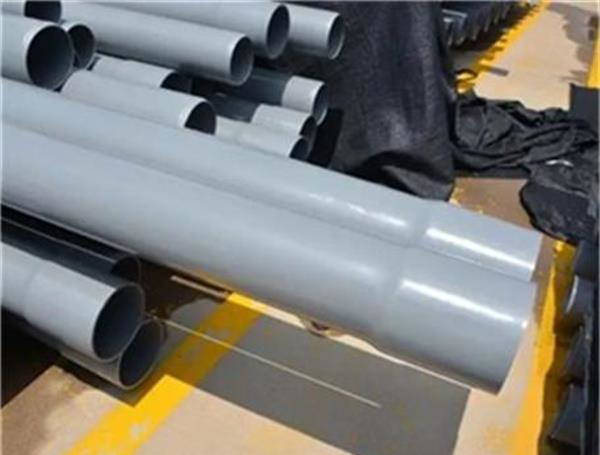
Polypropylene Random Copolymer (PPR) piping systems represent a significant advancement in fluid conveyance technology, particularly within building infrastructure and industrial applications. PPR, as a thermoplastic polymer, offers a compelling alternative to traditional metallic piping due to its inherent corrosion resistance, lightweight nature, and ease of installation. A ‘PPR factory’ encompasses the entire manufacturing process, from raw material sourcing and compounding to extrusion, forming, and quality control of PPR pipes, fittings, and associated components. This guide provides a comprehensive technical overview of PPR systems, focusing on material science, manufacturing processes, performance characteristics, failure modes, and relevant industry standards. The core performance benefits include thermal stability, chemical inertness to a broad range of fluids, and a smooth inner surface minimizing friction loss. The key pain point in the industry revolves around ensuring consistent material quality, particularly the ratio of propylene to ethylene, and maintaining long-term hydrostatic strength at elevated temperatures. Accurate weld integrity and adherence to installation guidelines are also critical for system longevity.
Material Science & Manufacturing
PPR is synthesized through the copolymerization of propylene and ethylene. The random arrangement of ethylene monomers within the polypropylene chain disrupts the polymer's crystallinity, resulting in increased flexibility, impact resistance, and weldability. Raw material selection is paramount, with propylene typically sourced from petrochemical cracking processes. Ethylene can originate from similar sources or from ethane cracking. The ratio of propylene to ethylene is a critical parameter, typically ranging from 95:5 to 97:3, dictating the final properties of the PPR compound. Manufacturing begins with compounding, where polypropylene and ethylene are blended with stabilizers (typically antioxidants and UV absorbers to prevent degradation), and sometimes colorants. This mixture is then fed into an extruder, where it is melted and homogenized. Extrusion techniques vary; monofilament extrusion is used for pipe production, while injection molding is employed for fittings. Key parameters during extrusion include melt temperature (typically 190-240°C), die pressure, and cooling rate. Precise control of these parameters is crucial to achieve consistent wall thickness and dimensional accuracy. Post-extrusion processes include cutting to length, testing for hydrostatic strength and dimensional compliance, and quality control inspection. For fittings, injection molding requires meticulous control of mold temperature, injection pressure, and cooling time to minimize warpage and ensure proper dimensional tolerances. The molecular weight distribution of the PPR resin influences its processability and mechanical properties, with a broader distribution generally improving impact resistance but potentially reducing tensile strength.
Performance & Engineering
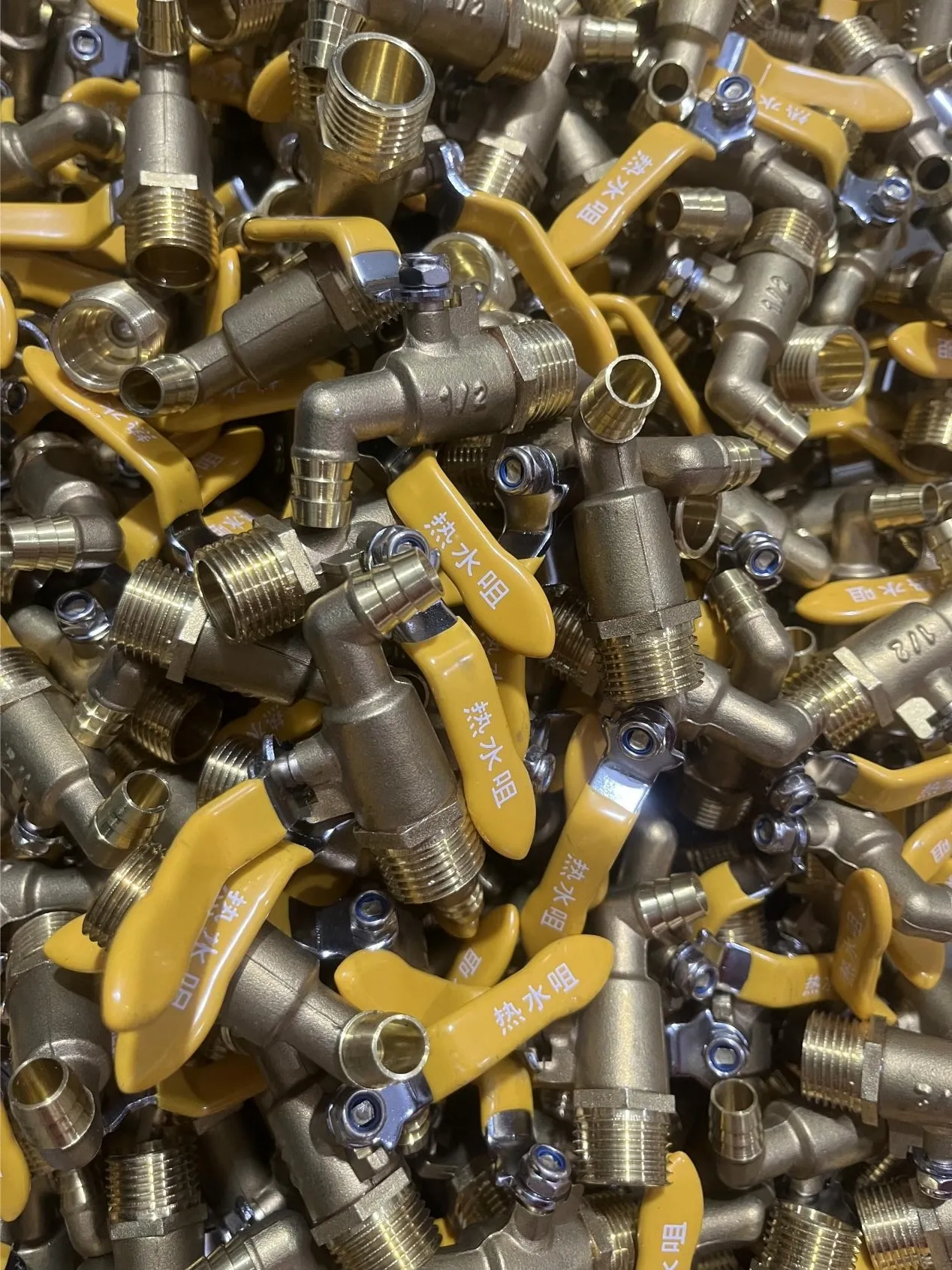
PPR systems are engineered to withstand internal pressure and external loads, taking into account factors like fluid temperature, flow rate, and support spacing. Hydrostatic stress analysis is fundamental, calculating hoop stress and longitudinal stress within the pipe walls. The long-term hydrostatic strength (LTHS) is a critical performance parameter, typically determined through accelerated aging tests according to ISO 11671. This test subjects PPR samples to elevated temperatures and pressures to simulate decades of service life. PPR exhibits a relatively high coefficient of thermal expansion (approximately 0.15 mm/m°C), necessitating the inclusion of expansion loops or bends in piping layouts to accommodate thermal movement and prevent stress concentrations. The chemical resistance of PPR is excellent against many common fluids, including potable water, dilute acids, and alkalis. However, prolonged exposure to strong oxidizing agents or certain organic solvents can lead to degradation. Jointing techniques are critical to system integrity. Fusion welding, utilizing specialized heating tools, creates a homogenous weld between pipe and fitting, offering strength comparable to the base material. Socket fusion welding and saddle fusion are also common methods. Proper weld parameters (temperature, pressure, and duration) are crucial to prevent under-welding or over-welding, both of which can compromise joint strength. Compliance with regional plumbing codes and pressure vessel directives (e.g., PED in Europe) is mandatory, ensuring the safety and reliability of PPR installations. Consideration must be given to creep rupture, particularly in hot water applications, where sustained stress over extended periods can lead to failure.
Technical Specifications
| Parameter | Unit | Typical Value (PPR Type 1) | Typical Value (PPR Type 2) |
|---|---|---|---|
| Density | g/cm³ | 0.905 | 0.905 |
| Hydrostatic Pressure (20°C, 100 hrs) | MPa | 12.5 | 16 |
| Hydrostatic Pressure (60°C, 100 hrs) | MPa | 7.5 | 10 |
| Tensile Strength | MPa | 28 | 32 |
| Elongation at Break | % | 300 | 400 |
| Vicat Softening Temperature | °C | 135 | 140 |
Failure Mode & Maintenance
PPR systems, while durable, are susceptible to several failure modes. Slow Crack Growth (SCG) is a common issue, particularly in environments containing chlorine or other aggressive chemicals. SCG initiates at stress concentrations (e.g., around fittings) and propagates slowly through the polymer matrix. Oxidation, induced by prolonged exposure to high temperatures and oxygen, can embrittle the material, reducing its impact resistance. UV degradation, if not mitigated by UV stabilizers, can lead to discoloration and surface cracking. Weld failures can occur due to insufficient fusion, excessive cooling, or contamination during the welding process. These failures typically manifest as cracks at the weld joint. Mechanical damage, such as impact from falling objects or excessive bending during installation, can cause localized stress and eventual fracture. Maintenance of PPR systems involves periodic visual inspections for leaks, cracks, or discoloration. Regularly checking weld integrity is crucial, especially in critical applications. Flushing the system periodically to remove sediment and scale can prevent blockages and reduce corrosion potential. Avoid exposing PPR pipes to excessive mechanical stress or extreme temperatures. For repairs, always use compatible PPR fittings and welding techniques. If SCG is suspected, consider replacing the affected section of pipe and addressing the underlying chemical exposure. Preventive maintenance focused on water quality management can greatly extend the lifespan of a PPR system.
Industry FAQ
Q: What is the significance of the SDR (Standard Dimension Ratio) in PPR piping?
A: SDR is a dimensionless ratio of the pipe’s outside diameter to its wall thickness (D/t). A lower SDR indicates a thicker wall and thus a higher pressure rating. Selecting the appropriate SDR is critical for ensuring the system can withstand the expected operating pressure and temperature. Higher temperatures necessitate lower SDR values for equivalent pressure ratings.
Q: How does the water quality affect the long-term performance of PPR pipes?
A: Water quality is a significant factor. High chlorine concentrations can accelerate SCG. Aggressive water chemistry (low pH or high mineral content) can contribute to corrosion of metallic components in the system (e.g., valves and fittings) and potentially exacerbate PPR degradation. Water softening or filtration may be necessary in some cases.
Q: What are the best practices for welding PPR pipes to ensure a reliable joint?
A: Proper surface preparation (cleaning and deburring) is essential. Use the correct heating tool and temperature setting for the pipe size and material type. Maintain consistent pressure and dwell time during the welding process. Allow the weld to cool completely before pressurizing the system. Visual inspection for a uniform weld bead is crucial. Regular calibration of the welding equipment is also recommended.
Q: Can PPR pipes be used for both hot and cold water distribution?
A: Yes, PPR pipes are suitable for both hot and cold water distribution, but different PPR types are optimized for different temperature ranges. PPR Type 1 is generally used for cold water, while PPR Type 2 or PPR Type 3 (with enhanced temperature resistance) are used for hot water. It’s crucial to verify the temperature and pressure ratings of the selected PPR type against the system requirements.
Q: What is the impact of UV exposure on PPR pipes installed outdoors?
A: Prolonged UV exposure can cause discoloration, surface cracking, and reduced mechanical properties. PPR pipes installed outdoors should be shielded from direct sunlight using protective coatings, insulation, or burial. UV stabilizers are added during the compounding process to mitigate UV degradation, but their effectiveness diminishes over time.
Conclusion
PPR piping systems represent a robust and reliable solution for fluid conveyance in a wide range of applications. Their inherent corrosion resistance, ease of installation, and thermal properties make them a compelling alternative to traditional materials. However, ensuring long-term performance requires careful attention to material selection, manufacturing quality control, proper installation techniques, and ongoing maintenance. Understanding the potential failure modes, such as SCG and UV degradation, and implementing appropriate mitigation strategies are critical for maximizing the lifespan and reliability of PPR systems.
Continued advancements in PPR resin formulations, welding technologies, and non-destructive testing methods will further enhance the performance and durability of these systems. Adherence to international standards and best practices, coupled with a proactive approach to maintenance and water quality management, will ensure that PPR piping continues to provide safe and efficient fluid transport for decades to come.
-
DN25 HDPE Compression Fitting-HORON INTERNATIONAL|Reliable Irrigation Solutions
NewsFeb.11,2026
-
china 100mm pvc pipe price Performance Analysis
News2026-05-23
-
china pvc pipe used for Performance Analysis
News2026-05-23
-
china ppr water pipe fittings Performance Analysis
News2026-05-23
-
china hdpe pipe couplings Performance Analysis
News2026-05-23
-
china 50mm ppr pipe price Performance Analysis
News2026-05-23
-
china corrugated hdpe pipe fittings Performance Analysis
News2026-05-22
-
china ppr pipe for hot water Performance Analysis
News2026-05-22
-
china ppr Technical Performance Analysis
News2026-05-22
-
china corrugated dual wall pipe Performance Analysis
News2026-05-22
-
china sink inlet pipe Material Performance Analysis
News2026-05-22
-
china 1 2 inch pvc Performance Analysis
News2026-05-21
-
china hdpe pipe joint coupler Performance Analysis
News2026-05-21
-
china ppr pipes and fittings price list Technical Analysis
News2026-05-21
-
china 9 inch pvc pipe price Performance Analysis
News2026-05-21
-
china 2 inch borewell column pipe price Performance Engineering
News2026-05-21