

Feb . 11, 2026 00:01 Back to list
hdpe sprinkler pipe price service Performance Analysis
Introduction
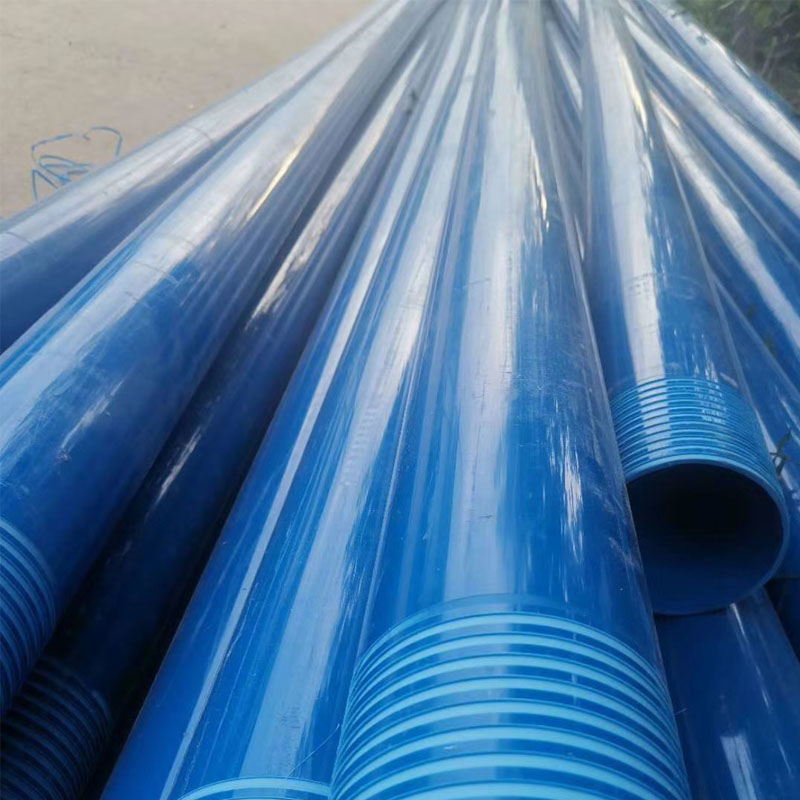
High-Density Polyethylene (HDPE) sprinkler pipe represents a critical component in modern irrigation systems, serving as the primary conduit for water delivery in agricultural, commercial, and residential applications. Positioned within the broader landscape of fluid conveyance, HDPE pipe competes with materials like PVC, ductile iron, and steel. However, HDPE distinguishes itself through a unique combination of properties – notably its flexibility, corrosion resistance, and cost-effectiveness – making it increasingly favored for underground sprinkler systems. Its performance characteristics directly impact system efficiency, longevity, and overall operational expenditure. This technical guide will provide an in-depth analysis of HDPE sprinkler pipe, covering material science, manufacturing processes, performance parameters, failure modes, and relevant industry standards, focusing on aspects impacting price service and long-term value.
Material Science & Manufacturing
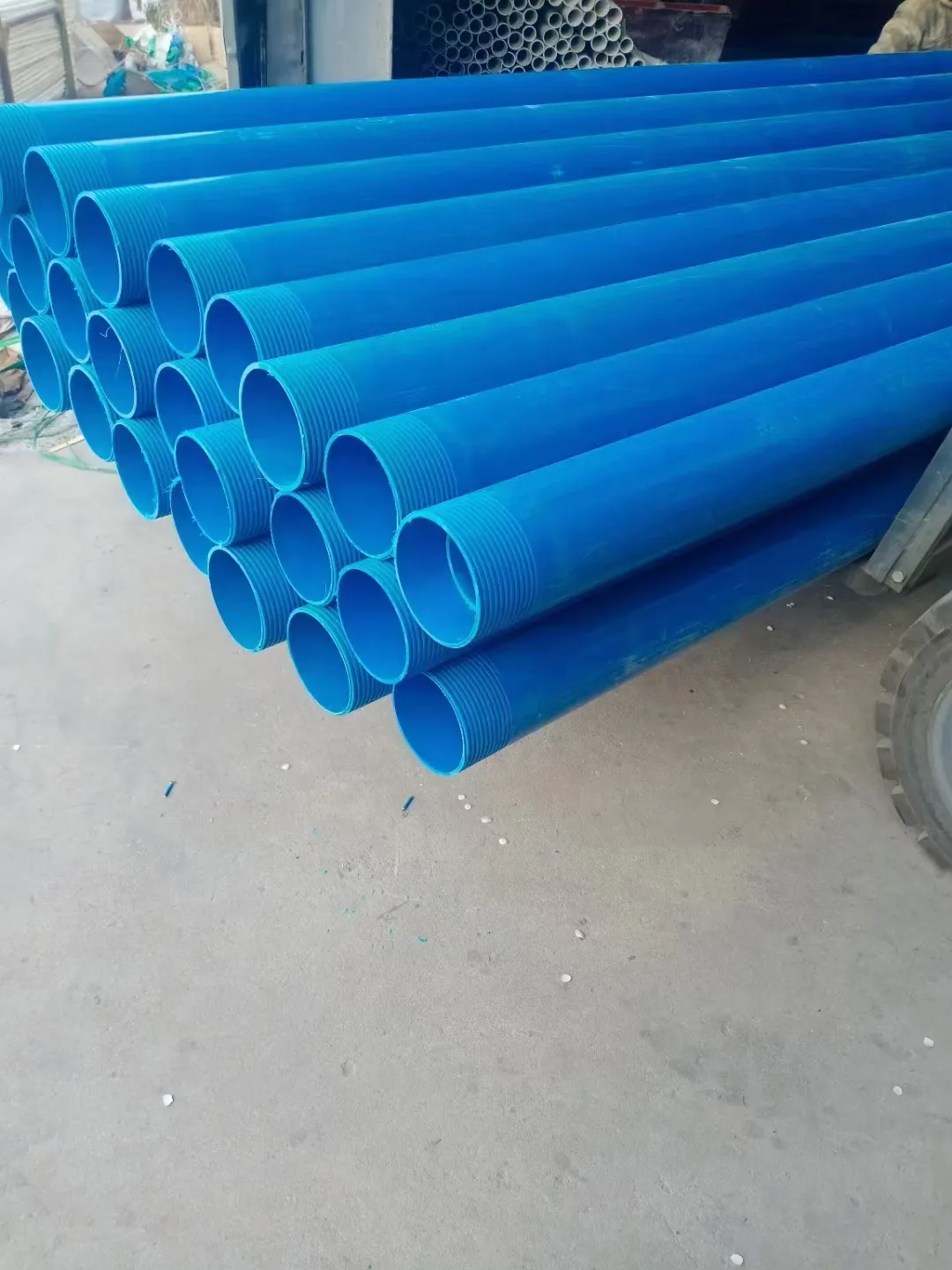
HDPE sprinkler pipe is manufactured from a thermoplastic polymer derived from petroleum. The base resin’s properties, specifically molecular weight distribution and density (typically between 0.93 and 0.97 g/cm³), profoundly influence the pipe’s final mechanical characteristics. Higher density equates to improved tensile strength and rigidity, but can also decrease impact resistance at lower temperatures. The manufacturing process primarily utilizes extrusion. Raw HDPE pellets are melted and forced through a die, shaping the pipe to the desired diameter and wall thickness. Key process parameters include melt temperature (typically 180-210°C), die pressure, and cooling rate. Maintaining consistent extrusion parameters is crucial to avoid defects like ovality, inconsistent wall thickness, and internal stresses. Post-extrusion, pipes undergo dimensional inspection, hydrostatic testing to ensure pressure integrity, and marking with relevant specifications (size, pressure rating, material standard – e.g., PE 4710). Additives, such as UV stabilizers and antioxidants, are incorporated into the resin formulation to enhance resistance to environmental degradation. The long-term performance and price service are intrinsically linked to the quality of the HDPE resin and the precision of the extrusion process. Different grades of HDPE, such as HDPE 3408, HDPE 3608, and HDPE 4710, offer varying performance characteristics and cost implications.
Performance & Engineering
The engineering performance of HDPE sprinkler pipe is governed by several critical factors. Firstly, burst pressure, determined by hydrostatic testing per ASTM D1597, is a paramount consideration. Pressure Rating (PR) values, typically ranging from 100 to 315 psi, dictate the maximum operating pressure. Secondly, tensile strength and elongation at break, measured according to ASTM D638, define the pipe's resistance to mechanical stress during installation and operation. HDPE’s inherent flexibility allows for expansion and contraction with temperature changes, minimizing stress concentrations and reducing the risk of cracking. However, this flexibility also necessitates proper anchoring and support to prevent excessive movement. Environmental resistance is another key attribute. HDPE exhibits excellent resistance to most chemicals encountered in irrigation systems, including fertilizers and pesticides. However, prolonged exposure to strong oxidizing agents should be avoided. Soil loading considerations are also vital, requiring adequate bedding and backfill to prevent pipe deformation and failure. Finite element analysis (FEA) is often employed to model stress distribution under various loading conditions, optimizing pipe design and installation practices. Furthermore, the impact resistance, particularly when considering backfilling operations, is crucial for maintaining long-term performance.
Technical Specifications
| Parameter | Unit | Typical Value (Schedule 40) | Typical Value (Schedule 80) |
|---|---|---|---|
| Outside Diameter | inch | 0.500 | 0.625 |
| Wall Thickness | inch | 0.062 | 0.083 |
| Pressure Rating (PR) | psi | 100 | 160 |
| Tensile Strength | psi | 4000 | 4500 |
| Elongation at Break | % | 500 | 400 |
| Density | g/cm³ | 0.945 | 0.950 |
Failure Mode & Maintenance
HDPE sprinkler pipe, while durable, is susceptible to several failure modes. Slow Crack Growth (SCG) is a primary concern, initiated by sustained tensile stress and exacerbated by aggressive chemicals or environmental factors. SCG manifests as brittle fractures propagating slowly over time. Another common failure mode is stress cracking due to improper installation, such as excessive bending radius or sharp transitions. UV degradation, particularly in exposed sections, can lead to embrittlement and cracking. Ground movement and soil settlement can induce excessive stress on the pipe, causing deformation or rupture. Finally, damage during installation (e.g., punctures from rocks or improper trenching) can compromise the pipe’s integrity. Preventative maintenance includes periodic visual inspections for cracks, leaks, and signs of UV degradation. Proper installation practices – including adequate bedding, backfill compaction, and avoidance of sharp bends – are crucial. Pressure testing after installation and regularly monitoring system pressure can help detect leaks early. For minor cracks, repair sleeves or couplings can be used. For significant damage, pipe replacement is typically necessary. Regular flushing of the system to remove debris and sediment can also prolong pipe life.
Industry FAQ
Q: What is the expected lifespan of HDPE sprinkler pipe under typical agricultural conditions?
A: Under typical agricultural conditions, with proper installation and maintenance, HDPE sprinkler pipe can be expected to have a service life of 50 years or more. However, this lifespan is heavily influenced by factors such as soil composition, UV exposure, water quality, and operating pressure. Regular inspections and adherence to recommended maintenance practices are essential to maximizing its longevity.
Q: How does HDPE pipe compare to PVC in terms of cost-effectiveness for large-scale irrigation projects?
A: While PVC pipe generally has a lower upfront material cost, HDPE often proves more cost-effective over the long term. HDPE’s superior durability, resistance to corrosion and cracking, and lower risk of leaks translate into reduced maintenance costs and fewer replacements. The flexibility of HDPE also simplifies installation, potentially lowering labor costs. A full lifecycle cost analysis is recommended for large projects.
Q: What are the key considerations when selecting the appropriate pressure rating (PR) for an HDPE sprinkler system?
A: Selecting the appropriate PR involves analyzing the maximum operating pressure of the irrigation system, including pump pressure, elevation changes, and potential pressure surges. A safety factor should be incorporated to account for unforeseen fluctuations. It's crucial to choose a PR that exceeds the expected operating pressure to ensure long-term reliability and prevent premature failure. Consult engineering guidelines and manufacturer recommendations.
Q: What are the implications of using improper backfill materials around HDPE sprinkler pipe?
A: Improper backfill materials – such as rocks, sharp objects, or highly corrosive soils – can cause significant damage to HDPE pipe. Rocks can puncture the pipe, while corrosive soils can accelerate degradation. Proper backfill should consist of clean, granular materials that provide adequate support and protection. Proper compaction is also essential to prevent settling and stress on the pipe.
Q: How susceptible is HDPE to damage from common agricultural chemicals, such as fertilizers and herbicides?
A: HDPE exhibits excellent chemical resistance to most commonly used agricultural chemicals. However, prolonged exposure to highly concentrated oxidizing agents or specific solvents should be avoided. It’s advisable to consult chemical resistance charts provided by HDPE pipe manufacturers to ensure compatibility with the specific chemicals used in your irrigation system. Regular flushing of the system can also mitigate the effects of chemical exposure.
Conclusion
HDPE sprinkler pipe represents a robust and cost-effective solution for modern irrigation systems. Its inherent properties – flexibility, corrosion resistance, and durability – coupled with appropriate installation practices and preventative maintenance, ensure long-term performance and minimize lifecycle costs. The price service of HDPE is not solely determined by the upfront material cost, but also by its sustained reliability and reduced need for repair or replacement.
Future advancements in HDPE resin formulations and extrusion technologies will likely further enhance the performance and cost-effectiveness of these pipes. Increased emphasis on sustainable irrigation practices and water conservation will continue to drive demand for durable and efficient conveyance systems, solidifying HDPE sprinkler pipe’s position as a preferred choice for agricultural, commercial, and residential applications. Continued research and development focusing on UV protection and SCG resistance will be paramount to optimizing long-term performance.
-
DN25 HDPE Compression Fitting-HORON INTERNATIONAL|Reliable Irrigation Solutions
NewsFeb.11,2026
-
china 40mm pvc pipe Material and Manufacturing
News2026-04-23
-
china hdpe to pvc connection Performance Analysis
News2026-04-23
-
china ppr pipe 1 price Performance Analysis
News2026-04-23
-
china colored pvc pipe Performance Analysis
News2026-04-23
-
china hdpe pipe price list pdf Performance Analysis
News2026-04-23
-
china ppr for hot water Performance Analysis
News2026-04-22
-
china bulk pvc pipe Technical Analysis
News2026-04-22
-
china pvc pipes price list Performance Analysis
News2026-04-22
-
china 20 ft pvc pipe Performance Analysis
News2026-04-22
-
china ppr cold water pipe Performance Analysis
News2026-04-22
-
china double wall hdpe pipe Performance Analysis
News2026-04-21
-
china transition coupling hdpe to pvc Performance Analysis
News2026-04-21
-
china water pipe ppr Performance Analysis
News2026-04-21
-
china dn150 hdpe Performance Analysis
News2026-04-21
-
china sprinkler hdpe pipe Material Performance
News2026-04-21