

Feb . 11, 2026 00:01 Back to list
Hdpe Pipe Use Service Performance Analysis
Introduction
High-Density Polyethylene (HDPE) pipe represents a significant advancement in fluid and solid conveyance systems across diverse industries. Positioned as a direct alternative to traditional materials like ductile iron, steel, PVC, and concrete, HDPE pipe delivers a compelling combination of durability, flexibility, and cost-effectiveness. Its technical position within the supply chain extends from petrochemical production of the resin through extrusion, fabrication, and finally, installation and long-term service. Core performance characteristics include its exceptional resistance to chemical corrosion, low friction loss, high impact strength, and a demonstrated service life exceeding 50 years, making it a crucial component in infrastructure projects globally. The increasing demand for HDPE pipe is driven by escalating needs for reliable, sustainable, and long-lasting pipeline solutions, particularly in water management, industrial applications, and gas distribution.
Material Science & Manufacturing
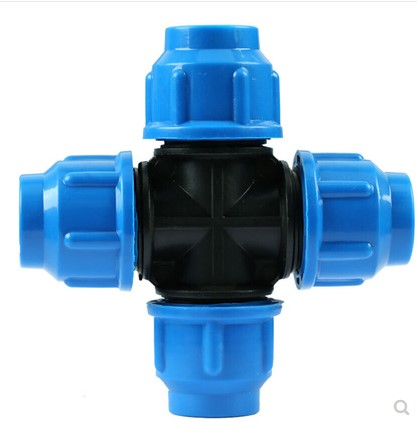
HDPE pipe derives its properties from the polymerization of ethylene, resulting in a thermoplastic with a high degree of crystallinity. The raw material, HDPE resin, is characterized by its molecular weight distribution, density (typically between 0.931 and 0.965 g/cm³), and melt flow index. These parameters directly influence the pipe’s mechanical properties and processability. Manufacturing primarily involves extrusion processes. The HDPE resin is fed into an extruder, where it is heated and melted before being forced through a die to create the pipe’s profile. Key parameters under strict control include die temperature, extrusion speed, and cooling rate. The cooling process, often utilizing water baths, is crucial for maintaining dimensional stability and crystallinity. Furthermore, butt fusion, electrofusion, and socket fusion are common joining methods, requiring precise temperature control and pressure to create homogeneous, leak-proof joints. The addition of carbon black provides UV resistance, essential for above-ground applications. The presence of antioxidants and stabilizers is critical for mitigating thermal degradation during processing and service. The type and concentration of these additives impact the long-term performance and weathering resistance of the finished pipe.
Performance & Engineering
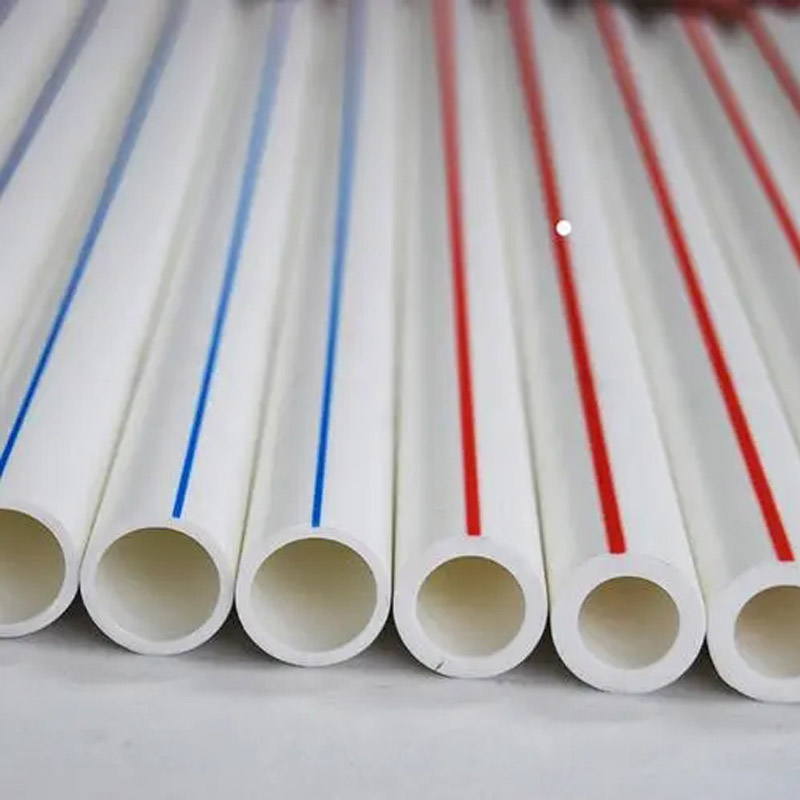
The performance of HDPE pipe is governed by several key engineering principles. Hydrostatic design stress (HDS), calculated according to ASME B31.3 or ISO 8084, dictates the maximum allowable internal pressure based on pipe dimensions, material grade, and temperature. The pipe’s resistance to external loads, such as soil loading and traffic loads, is analyzed using finite element analysis (FEA) to ensure structural integrity. HDPE’s flexibility allows it to accommodate ground movement and seismic activity, reducing the risk of catastrophic failure. Environmental stress cracking (ESC) is a critical consideration; prolonged exposure to certain chemicals, particularly detergents and solvents, can lead to premature failure. Therefore, chemical compatibility must be meticulously assessed. Furthermore, the creep behavior of HDPE, its tendency to deform under sustained stress, is a crucial factor in long-term performance predictions, especially in elevated temperature applications. Installation techniques, including proper bedding and backfill compaction, significantly influence the pipe’s load-bearing capacity and overall service life. Compliance with industry standards like AWWA C906 for water mains and ASTM F441 for corrugated HDPE drainage pipe is paramount.
Technical Specifications
| Parameter | Unit | ASTM D1437 Grade PE 3456 | ASTM D1437 Grade PE 4710 |
|---|---|---|---|
| Density | g/cm³ | 0.941 - 0.952 | 0.953 - 0.965 |
| Hydrostatic Design Basis (HDB) | psi | 1600 | 2000 |
| Minimum Burst Pressure | psi | 2400 | 3000 |
| Tensile Strength at Yield | psi | 4000 | 4500 |
| Elongation at Break | % | 350 | 400 |
| Rockwell Hardness | - | 60-70 | 65-75 |
Failure Mode & Maintenance
HDPE pipe, while durable, is susceptible to several failure modes. Slow crack growth (SCG) is a common issue, initiated by pre-existing flaws or stress concentrations and exacerbated by sustained tensile stress and aggressive environmental factors. Environmental stress cracking (ESC), as previously mentioned, occurs due to chemical attack. UV degradation, particularly in above-ground applications, can lead to embrittlement and cracking if adequate UV protection (carbon black) is not present. Fatigue cracking can occur under cyclic loading conditions, such as those encountered in pump stations or areas with ground movement. Joint failures are often attributed to improper fusion techniques (insufficient temperature, pressure, or holding time) or contamination during the fusion process. Maintenance primarily focuses on preventative measures. Regular visual inspections can identify potential issues like surface cracks or deformation. Proper bedding and backfill practices are crucial for minimizing stress on the pipe. For underground pipelines, cathodic protection may be necessary in corrosive environments. Leak detection surveys, utilizing acoustic or tracer gas methods, can identify and locate breaches. Repairs typically involve cut-and-splice techniques using butt fusion or electrofusion, ensuring a structurally sound and leak-proof connection. Record-keeping of installation details, material specifications, and maintenance activities is essential for long-term asset management.
Industry FAQ
Q: What is the impact of temperature on the long-term performance of HDPE pipe?
A: Elevated temperatures accelerate creep, reducing the pipe’s ability to withstand sustained stress. This is particularly critical in hot climates or applications involving heated fluids. Lower temperatures, while not directly causing immediate failure, can increase brittleness, making the pipe more susceptible to impact damage. Design calculations must account for the operating temperature range and its effect on the pipe’s mechanical properties.
Q: How does HDPE pipe compare to PVC in terms of chemical resistance?
A: HDPE exhibits superior chemical resistance compared to PVC, particularly to aggressive chemicals like acids, bases, and solvents. PVC can become brittle and susceptible to cracking when exposed to certain chemicals, while HDPE remains relatively unaffected. This makes HDPE the preferred choice for applications involving harsh chemical environments.
Q: What are the best practices for joining HDPE pipe to ensure a leak-proof seal?
A: Proper surface preparation is crucial. The pipe ends must be clean, dry, and free of contaminants. Butt fusion requires precise temperature control and consistent pressure throughout the fusion process. Electrofusion requires proper alignment and adequate cooling. Qualified and certified technicians should perform all fusion operations, following established procedures and quality control protocols.
Q: What is the expected service life of HDPE pipe in a typical potable water distribution system?
A: With proper installation and maintenance, HDPE pipe can realistically provide service for 50-100 years in a potable water distribution system. Factors influencing service life include water quality, soil conditions, operating pressure, and exposure to UV radiation. Regular inspections and proactive maintenance can further extend the lifespan.
Q: How does HDPE pipe perform in seismic zones?
A: HDPE’s flexibility provides a significant advantage in seismic zones. The pipe can accommodate ground movement and deformation without fracturing, reducing the risk of leaks and service disruptions. Proper joint design and installation practices are essential to maintain the integrity of the pipeline during seismic events.
Conclusion
HDPE pipe represents a robust and versatile solution for a wide range of fluid and solid conveyance applications. Its superior chemical resistance, flexibility, and long-term durability make it a compelling alternative to traditional materials. Careful consideration of material selection, manufacturing processes, installation techniques, and potential failure modes is crucial for maximizing performance and ensuring a long service life.
Future advancements in HDPE technology will likely focus on developing enhanced resin formulations with improved resistance to environmental stress cracking and creep. Furthermore, advancements in non-destructive testing methods will enable more effective inspection and monitoring of pipeline integrity. The continued adoption of HDPE pipe will contribute to more sustainable and reliable infrastructure systems globally.
-
DN25 HDPE Compression Fitting-HORON INTERNATIONAL|Reliable Irrigation Solutions
NewsFeb.11,2026
-
china ppr for hot water Performance Analysis
News2026-04-22
-
china bulk pvc pipe Technical Analysis
News2026-04-22
-
china pvc pipes price list Performance Analysis
News2026-04-22
-
china 20 ft pvc pipe Performance Analysis
News2026-04-22
-
china ppr cold water pipe Performance Analysis
News2026-04-22
-
china double wall hdpe pipe Performance Analysis
News2026-04-21
-
china transition coupling hdpe to pvc Performance Analysis
News2026-04-21
-
china water pipe ppr Performance Analysis
News2026-04-21
-
china dn150 hdpe Performance Analysis
News2026-04-21
-
china sprinkler hdpe pipe Material Performance
News2026-04-21
-
china underground pvc pipe price Performance Analysis
News2026-04-10
-
china water pipes under sink Material Science
News2026-04-10
-
china 40mm ppr pipe price Performance Analysis
News2026-04-10
-
china hdpe transition coupling Performance Analysis
News2026-04-10
-
china bulk pvc pipe for sale Performance Analysis
News2026-04-10