

Feb . 11, 2026 00:01 Back to list
hdpe pipe use product Performance Analysis
Introduction
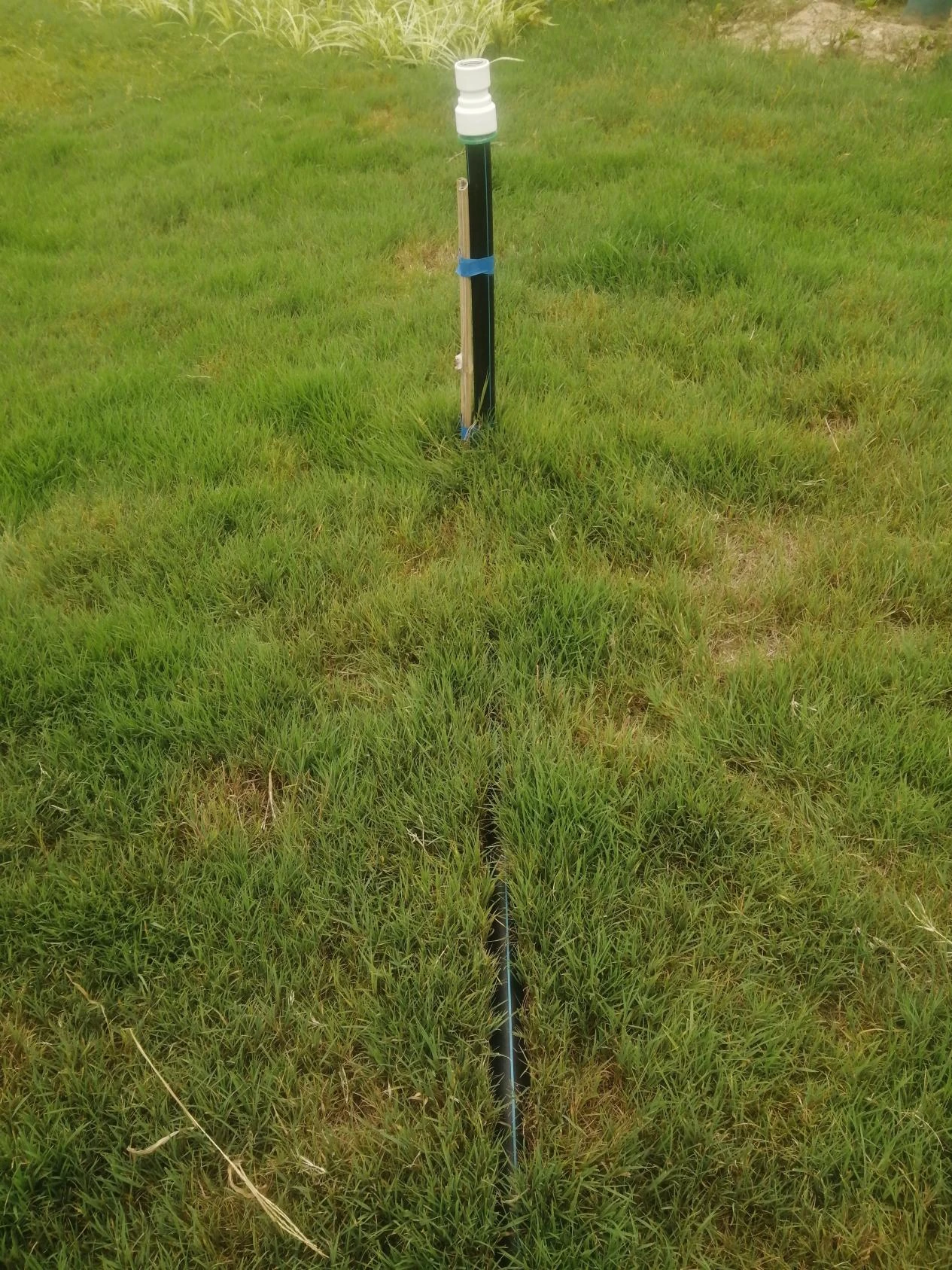
High-Density Polyethylene (HDPE) pipe is a thermoplastic pipe material widely employed in diverse applications including water distribution, gas transmission, industrial piping, and drainage systems. Positioned as a modern alternative to traditional metallic piping, HDPE offers a unique combination of durability, flexibility, and cost-effectiveness. Its prominence in the industry stems from its corrosion resistance, lightweight nature, ease of installation, and long service life. HDPE's technical positioning within the infrastructure chain is increasingly significant, particularly as projects prioritize sustainable and low-maintenance solutions. Core performance characteristics center around pressure capacity, leak-free joints (primarily through heat fusion welding), and resistance to chemical degradation, making it a critical component in fluid conveyance systems globally. A primary industry pain point is ensuring long-term joint integrity and proper installation techniques to maximize performance and minimize potential failures due to stress cracking or improper fusion parameters.
Material Science & Manufacturing
HDPE pipe is produced from polyethylene, a thermoplastic polymer manufactured from the monomer ethylene. The “high-density” designation refers to the polymer's relatively low level of branching, resulting in a higher density (typically 0.941–0.965 g/cm³) and increased tensile strength compared to Low-Density Polyethylene (LDPE) or Linear Low-Density Polyethylene (LLDPE). Raw material selection is critical; resin grade impacts the final pipe properties. Manufacturing processes predominantly involve extrusion. HDPE pellets are fed into an extruder, melted, and forced through a die to form a continuous pipe. Key parameters controlled during extrusion include melt temperature (typically 180-210°C), die pressure, and cooling rate. Pipe dimensions are precisely controlled by the die geometry and puller speed. The crystalline structure of HDPE, influenced by cooling rate, dictates mechanical properties. Slower cooling promotes larger crystallites, increasing strength but potentially reducing flexibility. Post-extrusion, pipes undergo quality control checks for dimensional accuracy, hydrostatic pressure testing, and material conformity to standards. For larger diameter pipes, co-extrusion techniques may be used to create multi-layered structures, incorporating different HDPE grades or adding UV stabilizers for above-ground applications. Furthermore, the addition of carbon black is prevalent, acting as a UV inhibitor and enhancing durability, especially in exposed applications. The molecular weight distribution of the HDPE resin also has a substantial effect on the pipe's performance characteristics.
Performance & Engineering
HDPE pipe's performance is governed by its mechanical properties and resistance to environmental factors. Force analysis is crucial for pipeline design, considering hydrostatic pressure, soil loads, and potential surge pressures. The pipe's ability to withstand internal pressure is directly related to its wall thickness and the material's hydrostatic design basis (HDB), often expressed in psi or MPa. Flexibility is a key advantage; HDPE can accommodate ground movement and seismic activity without fracturing. Engineering calculations must account for stress concentrations around fittings and joints. Environmental resistance is another critical factor. HDPE exhibits excellent resistance to most chemicals, but prolonged exposure to strong oxidizing agents can cause degradation. UV exposure necessitates the incorporation of UV stabilizers, particularly for above-ground installations. Compliance requirements vary by region and application. For potable water systems, HDPE must meet NSF/ANSI 61 standards for contaminant leaching. Gas transmission pipelines are subject to stringent regulations regarding leak tightness and material traceability, often defined by DOT standards in the US or EN standards in Europe. Thermal expansion and contraction must also be considered in pipeline design, particularly for long runs. Expansion loops or flexible joints are employed to mitigate stresses induced by temperature fluctuations. Creep, the tendency of a material to deform under sustained load, is also a design consideration, particularly at elevated temperatures.
Technical Specifications
| Parameter | Unit | Typical Value | Test Standard |
|---|---|---|---|
| Hydrostatic Design Basis (HDB) | psi | 1600 | ASTM D2837 |
| Tensile Strength at Yield | psi | 4000 | ASTM D638 |
| Elongation at Break | % | 300 | ASTM D638 |
| Flexural Modulus | psi | 120,000 | ASTM D790 |
| Density | g/cm³ | 0.95 | ASTM D1505 |
| Service Temperature Range | °F | -40 to 140 | ASTM D790 |
Failure Mode & Maintenance
HDPE pipe, while durable, is susceptible to certain failure modes. Slow Crack Growth (SCG) is a primary concern, initiated by sustained tensile stress and exposure to aggressive chemicals or environmental stressors. This leads to brittle failure over time. Joint failures are common, often resulting from improper heat fusion welding – insufficient heating, incorrect pressure, or contamination can create weak points. External corrosion is generally not a concern, but damage from external forces (excavation, heavy loads) can lead to cracking. UV degradation, if not mitigated by carbon black or UV stabilizers, causes embrittlement and surface cracking. Fatigue cracking can occur in applications with cyclic loading, such as pipelines subject to pressure surges. Oxidation can occur at elevated temperatures over prolonged periods, although this is less common in typical applications. Maintenance primarily focuses on preventative measures. Regular visual inspections for cracks, deformations, or UV damage are crucial. Periodic leak detection surveys can identify joint failures or SCG. Proper bedding and backfilling during installation are essential to prevent external stresses. For damaged pipes, repair options include mechanical couplings or heat fusion welding of patches. The long-term integrity of heat-fused joints should be periodically assessed using non-destructive testing methods. Proper storage of HDPE pipe is also vital – it should be protected from direct sunlight and extreme temperatures to prevent degradation.
Industry FAQ
Q: What is the impact of different HDPE resin grades (e.g., PE3408, PE4710) on pipe performance?
A: Different HDPE resin grades possess varying molecular weights and densities, directly influencing mechanical properties. Higher molecular weight resins (like PE4710) generally exhibit greater strength, impact resistance, and creep resistance compared to lower molecular weight grades (like PE3408). The choice of resin grade depends on the application’s specific requirements – higher pressures and temperatures necessitate higher-grade resins.
Q: How does soil corrosivity affect the lifespan of HDPE pipe?
A: While HDPE itself is inherently corrosion-resistant, highly corrosive soils can accelerate degradation of surrounding components, such as fittings or coatings on metallic components. The soil's pH, chloride content, and sulfate levels are critical factors. Proper selection of compatible fittings and adequate corrosion protection measures are essential in corrosive environments.
Q: What are the critical parameters to control during heat fusion welding of HDPE pipe?
A: Maintaining precise control over heating temperature, welding pressure, and welding time is paramount. Incorrect temperatures can lead to insufficient fusion or material degradation. Insufficient pressure results in inadequate bonding, while excessive pressure can cause deformation. Surface cleanliness and proper alignment are also critical for ensuring a leak-free joint. Following established welding procedures (e.g., DVS 3221) is crucial.
Q: What methods are available for detecting slow crack growth (SCG) in HDPE pipelines?
A: Detecting SCG can be challenging. Non-destructive testing methods, such as spark testing and ultrasonic testing, can identify potential cracks. However, these methods may not detect microcracks. Regular hydrostatic testing at reduced pressure can also reveal SCG initiation. Visual inspection for whitening or crazing around stress concentrations is also helpful, though often indicative of advanced stages of SCG.
Q: How does UV exposure impact HDPE pipe, and what mitigation strategies are recommended?
A: Prolonged UV exposure causes oxidative degradation of HDPE, leading to embrittlement and surface cracking. The inclusion of carbon black (typically 2-5%) provides excellent UV protection. For above-ground applications, coatings or wraps can further enhance UV resistance. Proper pipe burial is the most effective mitigation strategy.
Conclusion
HDPE pipe represents a significant advancement in fluid conveyance technology, offering a durable, flexible, and cost-effective alternative to traditional materials. Its resistance to corrosion, ease of installation, and long service life make it a preferred choice in numerous applications. However, realizing its full potential requires a thorough understanding of material science, manufacturing processes, and potential failure modes.
Successfully implementing HDPE piping systems demands careful consideration of design parameters, installation techniques, and long-term maintenance strategies. Adherence to industry standards and rigorous quality control measures are essential to ensure the reliability and longevity of these systems. Continued advancements in HDPE resin technology and welding techniques will further enhance the performance and broaden the applicability of this versatile material.
-
DN25 HDPE Compression Fitting-HORON INTERNATIONAL|Reliable Irrigation Solutions
NewsFeb.11,2026
-
china 40mm pvc pipe Material and Manufacturing
News2026-04-23
-
china hdpe to pvc connection Performance Analysis
News2026-04-23
-
china ppr pipe 1 price Performance Analysis
News2026-04-23
-
china colored pvc pipe Performance Analysis
News2026-04-23
-
china hdpe pipe price list pdf Performance Analysis
News2026-04-23
-
china ppr for hot water Performance Analysis
News2026-04-22
-
china bulk pvc pipe Technical Analysis
News2026-04-22
-
china pvc pipes price list Performance Analysis
News2026-04-22
-
china 20 ft pvc pipe Performance Analysis
News2026-04-22
-
china ppr cold water pipe Performance Analysis
News2026-04-22
-
china double wall hdpe pipe Performance Analysis
News2026-04-21
-
china transition coupling hdpe to pvc Performance Analysis
News2026-04-21
-
china water pipe ppr Performance Analysis
News2026-04-21
-
china dn150 hdpe Performance Analysis
News2026-04-21
-
china sprinkler hdpe pipe Material Performance
News2026-04-21