

Feb . 11, 2026 00:01 Back to list
hdpe pipe use manufacturers Performance Analysis
Introduction
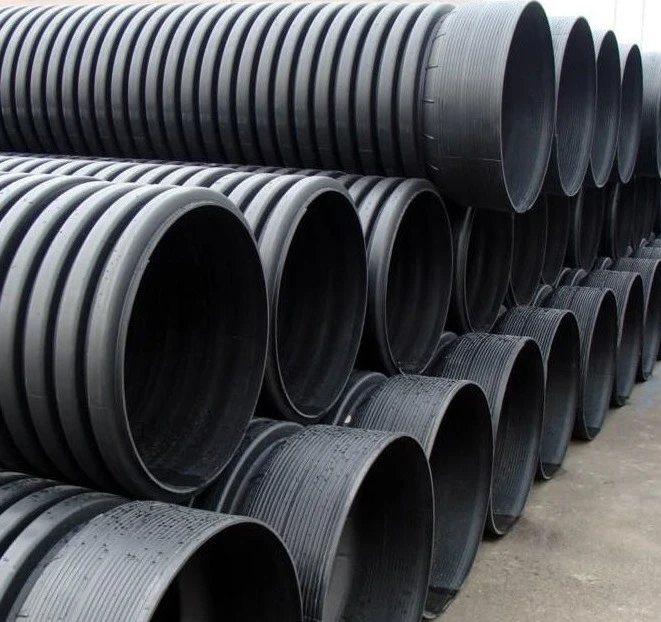
High-Density Polyethylene (HDPE) pipe constitutes a significant segment of the modern fluid conveyance infrastructure, serving diverse applications ranging from potable water distribution and natural gas transmission to industrial effluent handling and drainage systems. Its increasing adoption is driven by factors including corrosion resistance, low weight-to-strength ratio, flexibility, and cost-effectiveness compared to traditional materials like ductile iron, steel, and concrete. HDPE pipe systems, manufactured by dedicated HDPE pipe use manufacturers, represent a shift towards long-term, sustainable solutions, minimizing lifecycle costs through reduced maintenance and extended service life. The core performance characteristics of HDPE pipes – specifically pressure rating, chemical inertness, and joint integrity – directly dictate their suitability for specific applications and are critical considerations during procurement and installation. This guide provides a comprehensive technical overview of HDPE pipe, addressing material science, manufacturing processes, performance parameters, failure modes, and relevant industry standards.
Material Science & Manufacturing
HDPE is a thermoplastic polymer synthesized through the polymerization of ethylene. The ‘high density’ classification stems from the minimal branching within the polymer chains, resulting in a crystalline structure contributing to increased tensile strength, rigidity, and resistance to chemical attack. Raw material selection is paramount; HDPE resin grades are categorized based on density, molecular weight distribution, and additives. For pipe manufacturing, HDPE resins compliant with ASTM D3350 and PE 100 designations are commonly employed, offering enhanced slow crack growth resistance (SCGR) crucial for long-term performance in pressurized systems. The manufacturing process typically involves extrusion. HDPE pellets are fed into an extruder, where they are heated and melted. The molten polymer is then forced through a die, shaping it into a continuous pipe profile. Key parameters during extrusion include temperature control (melt temperature, die temperature), screw speed, and haul-off speed, all influencing pipe dimensions and material properties. Cooling is achieved through water baths, ensuring dimensional stability. Butt fusion, electrofusion, and mechanical fittings are standard joining methods, each requiring precise temperature and pressure control to ensure a homogenous weld and maintain the pipe’s integrity. The production of larger diameter HDPE pipes necessitates sophisticated co-extrusion techniques to create multi-layered structures incorporating different HDPE grades or composite materials to tailor performance characteristics.
Performance & Engineering
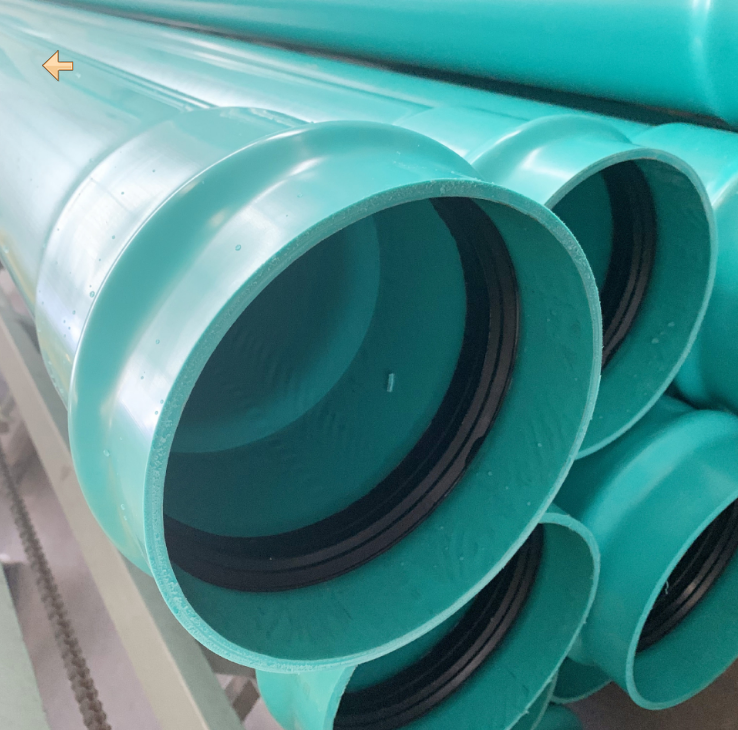
The performance of HDPE pipe is dictated by its ability to withstand internal pressure, external loads, and environmental stressors. Hydrostatic pressure testing, per ASTM D1597, is a fundamental quality control measure, verifying the pipe’s ability to resist bursting under sustained pressure. The pressure rating (PN – Nominal Pressure) is directly related to the pipe wall thickness and material’s minimum yield strength (MRS). External loads, including soil overburden and traffic loads, are addressed through ring stiffness calculations, ensuring the pipe maintains its circularity and prevents deformation. Finite element analysis (FEA) is often employed to model complex loading scenarios and optimize pipe design. Chemical resistance is a significant advantage of HDPE; it exhibits excellent compatibility with a broad range of chemicals, excluding strong oxidizing agents. However, prolonged exposure to certain solvents can induce stress cracking. Installation methods also profoundly impact performance. Proper trenching practices, adequate bedding support, and correct jointing procedures are essential to prevent pipe ovalization, stress concentrations, and potential leak points. Long-term creep rupture resistance is a critical consideration for applications involving sustained pressure. HDPE’s viscoelastic behavior necessitates careful assessment of creep deformation over the anticipated service life, often utilizing accelerated testing methods to predict long-term performance. Considerations for seismic activity necessitate incorporating flexible joints and allowing for pipe movement to mitigate stress and prevent rupture.
Technical Specifications
| Parameter | Units | Typical Value (PE 100, SDR 17) | Test Standard |
|---|---|---|---|
| Hydrostatic Design Stress (HDS) | MPa | 8.0 | ASTM D1597 |
| Minimum Yield Strength (MRS) | MPa | 10.0 | ISO 1167 |
| Slow Crack Growth Resistance (SCGR) | Hours | >1000 | ASTM D1694 |
| Density | kg/m³ | 950 - 965 | ASTM D1505 |
| Nominal Pipe Size | mm | 20 – 1800 | Various |
| SDR (Standard Dimension Ratio) | - | 17, 21, 26 | ASTM D3350 |
Failure Mode & Maintenance
HDPE pipe failures can arise from several mechanisms. Slow Crack Growth (SCGR) is a prevalent failure mode, initiated by sustained tensile stress and exacerbated by environmental factors like temperature and exposure to aggressive chemicals. This often manifests as brittle cracking, particularly at stress concentrators like welds or indentations. Rapid Crack Propagation (RCP) can occur in pressurized systems if a pre-existing crack initiates and propagates rapidly due to escalating pressure. Third-Party Damage (e.g., excavation strikes) is a common cause of catastrophic failure. UV degradation, while HDPE possesses inherent UV resistance, prolonged exposure to sunlight can lead to surface oxidation and embrittlement. Joint failures, arising from improper fusion techniques (incomplete fusion, incorrect temperature settings), are also frequently observed. Maintenance practices should focus on preventative measures. Regular visual inspections for signs of cracking, deformation, or UV degradation are crucial. Cathodic protection is not typically required due to HDPE’s non-conductive nature, eliminating a common maintenance burden associated with metallic piping. However, proper grounding procedures should be followed to prevent static electricity build-up. Should a leak be detected, localized repair using mechanical couplings or saddle fittings is often feasible. For significant damage, section replacement is generally recommended. A comprehensive asset management program, including record-keeping of pipe installation details and inspection reports, is essential for optimizing long-term performance and minimizing failure risks.
Industry FAQ
Q: What are the advantages of HDPE pipe over ductile iron pipe for potable water distribution?
A: HDPE offers several advantages. It is significantly lighter, reducing installation costs and handling challenges. It is completely corrosion-resistant, eliminating the need for protective coatings and minimizing water quality degradation. It offers greater flexibility, allowing for installation in challenging terrain and reducing the number of joints, thereby lowering leak potential. Finally, HDPE has a smoother internal surface, reducing friction losses and improving hydraulic efficiency.
Q: How does the SDR (Standard Dimension Ratio) affect the pressure rating of HDPE pipe?
A: SDR is the ratio of the pipe’s outside diameter to its wall thickness. A lower SDR indicates a thicker wall and therefore a higher pressure rating. As SDR decreases, the pipe becomes more robust and capable of withstanding higher internal pressures. Selecting the appropriate SDR is crucial based on the operating pressure and design factors of the system.
Q: What is the impact of temperature on the performance of HDPE pipe?
A: While HDPE maintains good performance over a wide temperature range, temperature fluctuations affect its mechanical properties. Higher temperatures reduce the pipe’s stiffness and creep rupture resistance, while lower temperatures can increase brittleness. Design calculations should account for the anticipated operating temperature range and potential temperature variations.
Q: What are the key considerations for joining HDPE pipe using butt fusion?
A: Proper butt fusion requires precise temperature control of both the pipe ends and the fusion machine. Adequate clamping pressure is essential to ensure a homogenous weld. Surface contamination (dirt, moisture) must be avoided. Fusion parameters (time, temperature, pressure) must be carefully selected based on the pipe size and material grade. Post-fusion inspection is crucial to verify weld quality.
Q: What is the long-term durability of HDPE pipe in corrosive soil conditions?
A: HDPE is inherently resistant to a wide range of corrosive substances found in soil. Unlike metallic pipes, it does not corrode or rust, ensuring long-term integrity even in aggressive environments. However, certain aggressive chemicals, like concentrated sulfuric acid, can attack HDPE. Proper soil analysis is recommended to assess potential chemical compatibility.
Conclusion
HDPE pipe represents a significant advancement in fluid conveyance technology, offering a compelling combination of performance, durability, and cost-effectiveness. Its inherent material properties, coupled with advanced manufacturing techniques and proper installation practices, ensure long-term reliability and minimal lifecycle costs. Understanding the fundamental principles of material science, engineering design, and potential failure modes is crucial for successfully deploying HDPE pipe systems in diverse applications.
Looking ahead, ongoing research and development are focused on enhancing HDPE formulations with improved UV resistance, increased SCGR performance, and enhanced mechanical properties. The adoption of smart pipeline technologies, including embedded sensors for leak detection and structural health monitoring, will further optimize the performance and longevity of HDPE infrastructure. Continued adherence to industry standards and best practices remains paramount to realizing the full potential of this versatile material.
-
DN25 HDPE Compression Fitting-HORON INTERNATIONAL|Reliable Irrigation Solutions
NewsFeb.11,2026
-
china 40mm pvc pipe Material and Manufacturing
News2026-04-23
-
china hdpe to pvc connection Performance Analysis
News2026-04-23
-
china ppr pipe 1 price Performance Analysis
News2026-04-23
-
china colored pvc pipe Performance Analysis
News2026-04-23
-
china hdpe pipe price list pdf Performance Analysis
News2026-04-23
-
china ppr for hot water Performance Analysis
News2026-04-22
-
china bulk pvc pipe Technical Analysis
News2026-04-22
-
china pvc pipes price list Performance Analysis
News2026-04-22
-
china 20 ft pvc pipe Performance Analysis
News2026-04-22
-
china ppr cold water pipe Performance Analysis
News2026-04-22
-
china double wall hdpe pipe Performance Analysis
News2026-04-21
-
china transition coupling hdpe to pvc Performance Analysis
News2026-04-21
-
china water pipe ppr Performance Analysis
News2026-04-21
-
china dn150 hdpe Performance Analysis
News2026-04-21
-
china sprinkler hdpe pipe Material Performance
News2026-04-21