

Feb . 11, 2026 00:01 Back to list
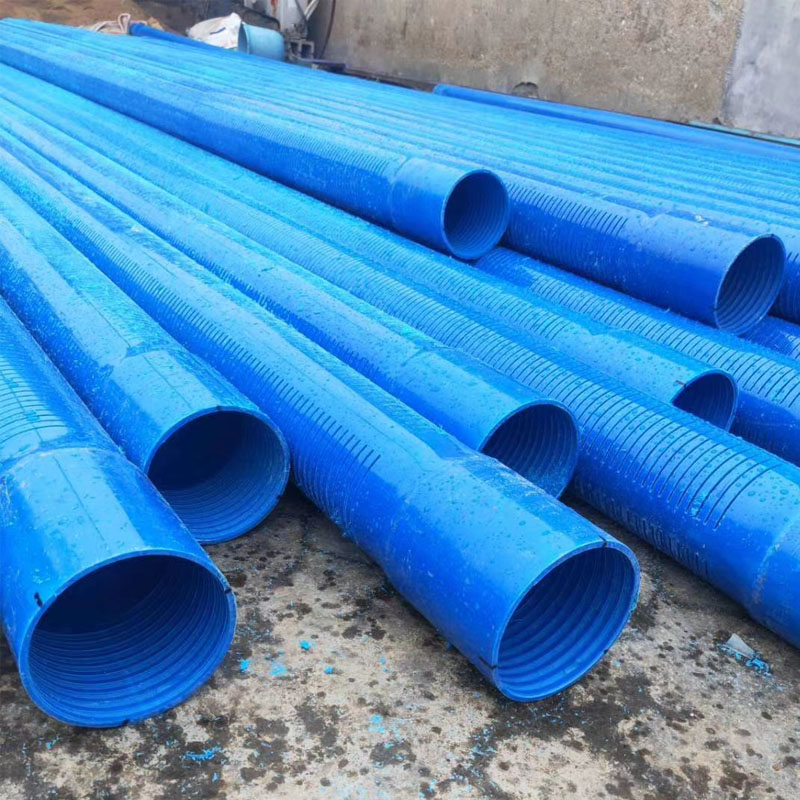
hdpe pipe use factory Performance Analysis
Introduction
High-Density Polyethylene (HDPE) pipe represents a significant advancement in fluid and material conveyance systems across a multitude of industrial applications. Its position within the industry chain is critical, serving as a durable, cost-effective, and chemically resistant alternative to traditional metallic piping. HDPE pipe is manufactured through extrusion processes, primarily utilizing high-density polyethylene resins. Core performance characteristics center around its exceptional tensile strength, long-term hydrostatic strength (LHS), resistance to slow crack growth (SCG), and weldability. This guide provides a comprehensive analysis of HDPE pipe, encompassing material science, manufacturing, performance, failure modes, and industry standards, targeted towards engineers, procurement managers, and quality control personnel involved in the selection, installation, and maintenance of these systems. The increasing demands for infrastructure longevity, reduced maintenance costs, and environmentally sound materials drive the continued adoption of HDPE piping solutions in diverse sectors including water and sewer, oil and gas, mining, and industrial processing.
Material Science & Manufacturing
HDPE pipe’s performance is intrinsically linked to the properties of the polyethylene resin used in its production. High-density polyethylene is a thermoplastic polymer produced from the polymerization of ethylene. Key physical properties include a density typically ranging from 0.93 to 0.97 g/cm³, a relatively low coefficient of friction, and excellent dielectric properties. Chemically, HDPE exhibits high resistance to acids, alkalis, and many solvents, making it ideal for transporting corrosive fluids. The molecular weight distribution (MWD) of the polyethylene resin directly impacts pipe performance, with broader MWD often correlating with improved processing characteristics but potentially reduced long-term strength. Manufacturing predominantly involves extrusion. The process begins with HDPE pellets being fed into an extruder, where they are heated and melted. This molten plastic is then forced through a die to form a continuous pipe. Critical parameters during extrusion include temperature control (melt temperature, die temperature), screw speed, and haul-off speed. Precise control of these parameters is crucial to ensure consistent wall thickness, dimensional accuracy, and material homogeneity. Butt fusion, socket fusion, and electrofusion are commonly employed joining methods. Butt fusion, requiring precise temperature and pressure control, generates a weld as strong as the base material. Socket and electrofusion offer convenient joining options for smaller diameter pipes. Cooling rates post-fusion are also critical to prevent stress cracking.

Performance & Engineering
The performance of HDPE pipe is governed by several key engineering considerations. Firstly, hydrostatic design stress (HDS) dictates the maximum allowable internal pressure based on pipe dimensions, material properties, and a design factor. HDS calculations consider long-term creep behavior, as polyethylene exhibits time-dependent deformation under sustained stress. Force analysis involves assessing external loads, such as soil overburden, traffic loads, and thermal stresses. Proper bedding and backfill are essential to distribute loads evenly and prevent pipe deformation. Environmental resistance is another crucial factor. While HDPE exhibits excellent chemical resistance, prolonged exposure to UV radiation can cause degradation. The addition of UV stabilizers to the polyethylene resin mitigates this effect. Thermal expansion and contraction are significant due to polyethylene’s relatively high coefficient of thermal expansion. Expansion joints and flexible connections must be incorporated into the piping system to accommodate these movements and prevent stress buildup. Compliance requirements vary depending on the application and geographic location. For potable water applications, pipes must comply with NSF/ANSI Standard 61, ensuring that no harmful contaminants leach into the water. Oil and gas applications often require compliance with API specifications, governing material selection, manufacturing, and testing procedures. Furthermore, the design must account for surge pressure events which can cause pipe rupture. Pressure relief valves and air release valves are vital components for managing these transient conditions.
Technical Specifications
| Parameter | Unit | Typical Value (PE100) | Test Method |
|---|---|---|---|
| Hydrostatic Design Stress (HDS) | MPa | 12.5 | ASTM D1597 |
| Tensile Strength at Yield | MPa | 35 | ASTM D638 |
| Elongation at Break | % | 500 | ASTM D638 |
| Slow Crack Growth Resistance (SCGR) | Hours | >1000 | ASTM D1694 |
| Oxidation Induction Time (OIT) | Minutes | >200 | ASTM D3895 |
| Density | g/cm³ | 0.955 | ASTM D1505 |
Failure Mode & Maintenance
HDPE pipe, while durable, is susceptible to certain failure modes. Slow Crack Growth (SCG) is a primary concern, initiated by sustained tensile stress in the presence of aggressive chemicals or environmental factors. This typically occurs at stress concentrators such as scratches or imperfections. Fatigue cracking can occur due to cyclic loading, particularly in applications involving vibration or fluctuating pressures. Oxidation, especially at elevated temperatures, can lead to embrittlement and reduced mechanical properties. UV degradation, if not mitigated by UV stabilizers, results in surface cracking and loss of strength. Joint failures are also common, often caused by improper fusion techniques, insufficient fusion pressure, or contamination during the fusion process. Maintenance strategies involve regular visual inspections to identify cracks, deformation, or signs of UV degradation. Pressure testing can detect leaks and assess the integrity of the piping system. For underground pipelines, cathodic protection may be necessary in corrosive soil conditions. When repairs are required, qualified personnel utilizing proper fusion techniques should perform them. Preventative maintenance, including proper bedding and backfill, surge protection, and UV protection, significantly extends the service life of HDPE piping systems. Proper storage of pipes prior to installation is also important to avoid damage or contamination.
Industry FAQ
Q: What is the impact of pipe wall thickness on long-term hydrostatic strength?
A: Increasing pipe wall thickness directly enhances long-term hydrostatic strength (LHS). LHS is inversely proportional to wall thickness; a thicker wall reduces stress concentration and provides greater resistance to creep deformation under sustained pressure. However, simply increasing wall thickness isn’t always the most cost-effective solution. Optimizing the pipe diameter and material grade to meet the specific pressure and temperature requirements is critical for achieving a balance between performance and cost.
Q: How does soil corrosivity affect the lifespan of HDPE pipe?
A: HDPE is inherently resistant to most soil chemicals. However, highly corrosive soils containing high concentrations of sulfates or chlorides can accelerate degradation, particularly at joints. Cathodic protection, while not typically required for HDPE, might be considered in extremely corrosive environments. Proper selection of backfill material and ensuring adequate soil cover are crucial for mitigating corrosion risks.
Q: What are the key considerations for welding HDPE pipe in cold weather conditions?
A: Cold weather significantly affects the fusion process. Preheating the pipe ends and fusion equipment is crucial to ensure adequate fusion temperatures. Windbreaks may be necessary to prevent heat loss. It’s important to adhere strictly to manufacturer’s recommendations regarding fusion parameters and cooling times. Lower ambient temperatures can result in brittle welds if not properly managed.
Q: What are the limitations of HDPE pipe concerning high-temperature applications?
A: HDPE has a relatively low maximum service temperature, typically around 60°C (140°F). Exceeding this temperature can lead to softening, creep, and loss of mechanical strength. For high-temperature applications, alternative materials such as cross-linked polyethylene (PEX) or polypropylene (PP) may be more suitable.
Q: How important is proper bedding and backfill in preventing pipe failure?
A: Proper bedding and backfill are critically important. Insufficient or improperly compacted backfill can lead to uneven load distribution, pipe deformation, and stress cracking. Granular bedding material that conforms to the pipe's shape and provides uniform support is essential. Compaction should be performed in layers to achieve the specified density without over-compaction, which can damage the pipe.
Conclusion
HDPE pipe offers a compelling solution for diverse fluid and material conveyance applications due to its exceptional durability, chemical resistance, and cost-effectiveness. Understanding the fundamental material science, meticulous manufacturing control, and critical engineering considerations is paramount to ensuring long-term system performance. This guide highlighted the crucial role of parameters such as hydrostatic design stress, environmental resistance, and proper installation techniques in maximizing the lifespan and reliability of HDPE piping systems.
The continued development of HDPE resin formulations, coupled with advancements in fusion technology, will further enhance the capabilities of this versatile material. Adherence to relevant international standards and best practices is essential for maintaining quality control and ensuring safe operation. As industries increasingly prioritize sustainable infrastructure solutions, HDPE pipe is poised to play an even greater role in the future of fluid and material transport.
-
DN25 HDPE Compression Fitting-HORON INTERNATIONAL|Reliable Irrigation Solutions
NewsFeb.11,2026
-
china ppr for hot water Performance Analysis
News2026-04-22
-
china bulk pvc pipe Technical Analysis
News2026-04-22
-
china pvc pipes price list Performance Analysis
News2026-04-22
-
china 20 ft pvc pipe Performance Analysis
News2026-04-22
-
china ppr cold water pipe Performance Analysis
News2026-04-22
-
china double wall hdpe pipe Performance Analysis
News2026-04-21
-
china transition coupling hdpe to pvc Performance Analysis
News2026-04-21
-
china water pipe ppr Performance Analysis
News2026-04-21
-
china dn150 hdpe Performance Analysis
News2026-04-21
-
china sprinkler hdpe pipe Material Performance
News2026-04-21
-
china underground pvc pipe price Performance Analysis
News2026-04-10
-
china water pipes under sink Material Science
News2026-04-10
-
china 40mm ppr pipe price Performance Analysis
News2026-04-10
-
china hdpe transition coupling Performance Analysis
News2026-04-10
-
china bulk pvc pipe for sale Performance Analysis
News2026-04-10