

Feb . 11, 2026 00:01 Back to list
hdpe pipe dimensions product Performance Analysis
Introduction
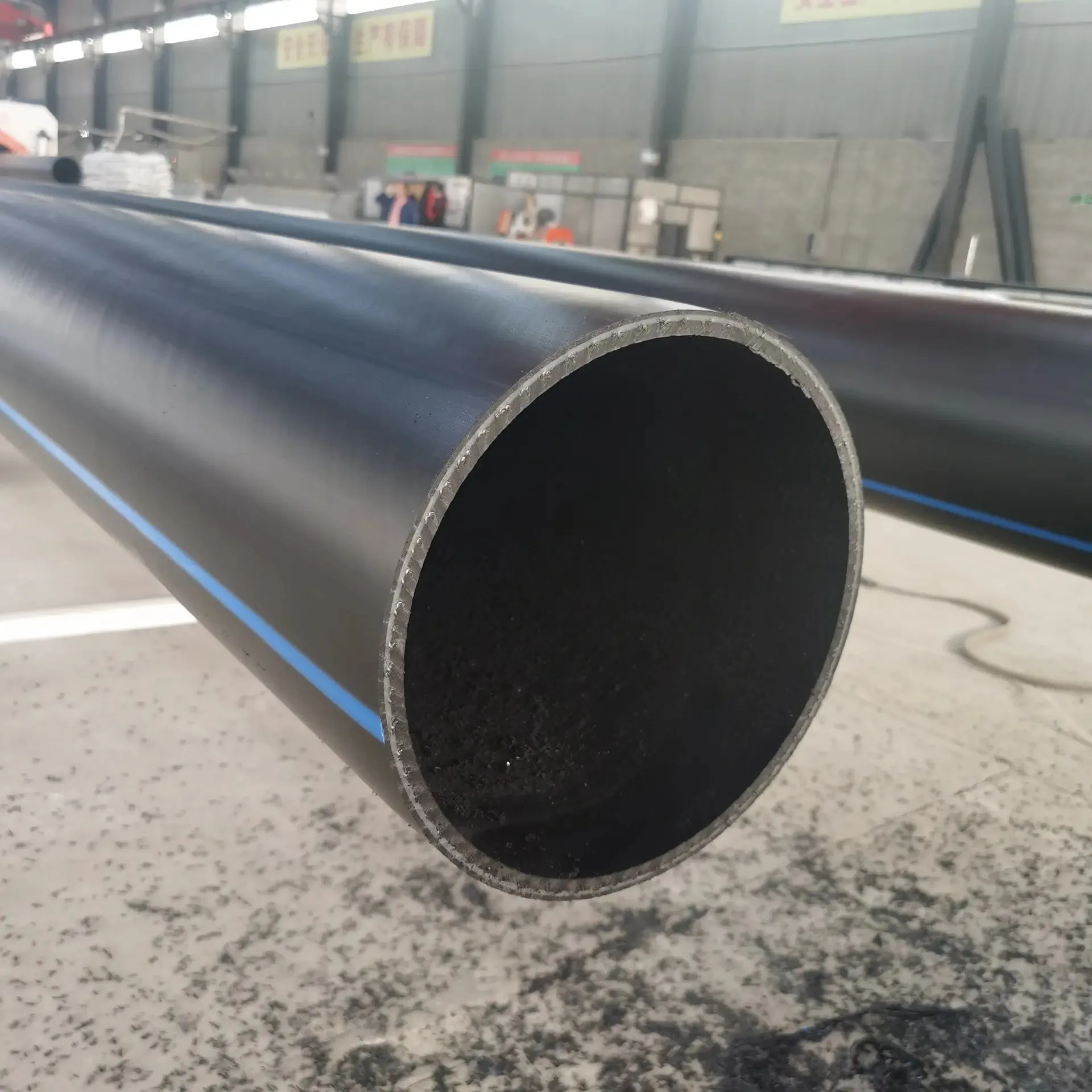
High-Density Polyethylene (HDPE) pipe is a thermoplastic pipe manufactured from polyethylene material. Its application spans a wide range of industries including water distribution, gas transportation, sewage systems, and industrial mining. Characterized by its high strength-to-density ratio, HDPE pipe offers exceptional durability, chemical resistance, and flexibility, making it a superior alternative to traditional piping materials such as ductile iron, steel, and PVC. Critical to its performance are precise dimensions adhering to stringent international standards. This guide provides an in-depth technical overview of HDPE pipe dimensions, manufacturing processes, performance characteristics, failure modes, and associated industry standards, addressing key pain points related to material selection, installation, and long-term operational reliability.
Material Science & Manufacturing
HDPE pipe is derived from the polymerization of ethylene, resulting in a polymer chain with a high degree of crystallinity, which contributes to its strength and rigidity. The raw material, typically HDPE resin grades designated as PE3408, PE4710, or PE100, varies in molecular weight and density, impacting its physical and chemical properties. PE100, the highest grade, exhibits superior stress crack resistance and long-term hydrostatic strength. Manufacturing processes predominantly include extrusion. In extrusion, HDPE resin is melted and forced through a die to form a continuous pipe. Key parameters during extrusion include melt temperature (typically 180-210°C), die pressure, and cooling rate. Cooling must be controlled to prevent warping and ensure dimensional accuracy. Pipe wall thickness is critical and is controlled by die geometry and extrusion speed. Post-extrusion processes involve sizing to achieve the desired outer diameter, and cutting to specified lengths. Butt fusion, socket fusion, and electrofusion are the primary joining techniques, each requiring precise temperature and pressure control to ensure a homogenous weld and prevent joint failure. The material’s susceptibility to UV degradation necessitates the inclusion of carbon black or UV stabilizers during the compounding stage to enhance its weatherability.
Performance & Engineering
The performance of HDPE pipe is significantly influenced by its dimensional accuracy and its ability to withstand internal and external pressures. Hoop stress, generated by internal pressure, is a critical design consideration. The Barlow’s formula (σ = PD/2t, where σ is hoop stress, P is internal pressure, D is outer diameter, and t is wall thickness) is commonly used for calculating stress levels. Long-term hydrostatic strength (LTS) is a key performance indicator, representing the pipe’s ability to withstand sustained internal pressure over a specified design life (typically 50 years). Soil loading, particularly in buried applications, introduces external stresses. The pipe’s ability to deflect under load without collapsing is crucial. Finite element analysis (FEA) is widely employed to simulate stress distribution under various loading scenarios, optimizing pipe wall thickness and burial depth. Chemical resistance is another vital performance aspect. HDPE exhibits excellent resistance to acids, alkalis, and many solvents; however, prolonged exposure to oxidizing agents can lead to degradation. Temperature variations affect the pipe’s flexibility and impact resistance. Lower temperatures increase brittleness, while higher temperatures reduce strength. Compliance with standards such as AWWA C906, ASTM D3261, and EN 12201 ensures the pipe meets minimum performance requirements for specific applications.
Technical Specifications
| Nominal Pipe Size (NPS) (inches) | Outside Diameter (OD) (inches) | Minimum Wall Thickness (inches) | Pressure Rating (psi) at 73°F |
|---|---|---|---|
| 1/2 | 0.625 | 0.062 | 200 |
| 3/4 | 0.840 | 0.083 | 160 |
| 1 | 1.050 | 0.093 | 140 |
| 1 1/4 | 1.250 | 0.109 | 120 |
| 1 1/2 | 1.500 | 0.125 | 100 |
| 2 | 2.067 | 0.154 | 80 |
Failure Mode & Maintenance
HDPE pipe, while durable, is susceptible to specific failure modes. Slow Crack Growth (SCG), caused by sustained tensile stress and exposure to aggressive chemicals, is a primary concern. Stress cracking often initiates at imperfections or scratches on the pipe surface. Rapid Crack Propagation (RCP) is a catastrophic failure mode where a crack propagates rapidly under pressure, often triggered by a pre-existing flaw. Oxidation, particularly in elevated temperatures, can lead to embrittlement and loss of mechanical properties. UV degradation, if not addressed with proper stabilization, causes surface cracking and reduced strength. Joint failures are common, often resulting from improper fusion techniques or contamination during welding. Maintenance involves regular inspections for visual signs of damage, pressure testing to detect leaks, and cathodic protection in corrosive environments. For SCG prevention, proper bedding and backfill materials are crucial to minimize stress concentrations. For joint integrity, qualified fusion operators and adherence to standardized procedures are essential. Routine cleaning to remove debris and prevent blockage is also recommended. Repair options include mechanical couplings or cut-and-replace sections using fusion welding.
Industry FAQ
Q: What is the impact of temperature on the long-term performance of HDPE pipe?
A: Temperature significantly affects HDPE’s performance. Elevated temperatures reduce the pipe’s strength and creep resistance, accelerating long-term deformation. Conversely, lower temperatures increase brittleness and impact susceptibility. Design calculations must consider the operating temperature range and account for thermal expansion and contraction.
Q: How does the pipe's burial depth influence its service life?
A: Burial depth impacts the external load on the pipe and its vulnerability to temperature fluctuations. Insufficient burial depth exposes the pipe to increased stress from surface loads and UV radiation. Excessive burial depth can complicate leak detection and repair. Proper bedding and backfill materials are crucial to distribute load evenly and protect the pipe.
Q: What are the key considerations for selecting the appropriate HDPE resin grade (PE3408, PE4710, PE100) for a specific application?
A: Resin grade selection depends on the operating pressure, temperature, chemical exposure, and design life. PE100 offers the highest stress crack resistance and long-term hydrostatic strength, making it ideal for demanding applications like potable water distribution. PE4710 is a good compromise for general-purpose applications, while PE3408 is suitable for lower-pressure systems.
Q: What quality control measures are critical during HDPE pipe installation, specifically related to butt fusion welding?
A: Critical quality control measures include ensuring clean and dry pipe ends, using properly calibrated fusion equipment, adhering to specified fusion parameters (temperature, pressure, and dwell time), performing visual inspection of welds, and conducting destructive or non-destructive testing (e.g., pull tests, bend tests) to verify weld integrity.
Q: How can slow crack growth (SCG) be mitigated in HDPE piping systems?
A: Mitigating SCG involves minimizing sustained tensile stress through proper bedding and backfill, avoiding contact with aggressive chemicals, using high-quality HDPE resins with enhanced stress crack resistance (PE100), and implementing surge control measures to prevent pressure spikes.
Conclusion
HDPE pipe dimensions and material properties are fundamental to its reliable performance across a diverse range of applications. The selection of appropriate dimensions, resin grade, and manufacturing processes, coupled with meticulous installation and maintenance practices, are paramount to ensuring long-term operational integrity and minimizing the risk of failure. A thorough understanding of the factors influencing hoop stress, environmental resistance, and potential failure modes is crucial for engineers and procurement professionals.
Continued advancements in HDPE resin technology and fusion techniques promise to further enhance the performance and longevity of these piping systems. Future developments are likely to focus on improving resistance to SCG, enhancing UV stability, and developing more sophisticated monitoring systems for early detection of potential issues. Proper adherence to industry standards and best practices will remain vital for maximizing the lifecycle and minimizing the total cost of ownership of HDPE piping infrastructure.
-
DN25 HDPE Compression Fitting-HORON INTERNATIONAL|Reliable Irrigation Solutions
NewsFeb.11,2026
-
china 100mm pvc pipe price Performance Analysis
News2026-05-23
-
china pvc pipe used for Performance Analysis
News2026-05-23
-
china ppr water pipe fittings Performance Analysis
News2026-05-23
-
china hdpe pipe couplings Performance Analysis
News2026-05-23
-
china 50mm ppr pipe price Performance Analysis
News2026-05-23
-
china corrugated hdpe pipe fittings Performance Analysis
News2026-05-22
-
china ppr pipe for hot water Performance Analysis
News2026-05-22
-
china ppr Technical Performance Analysis
News2026-05-22
-
china corrugated dual wall pipe Performance Analysis
News2026-05-22
-
china sink inlet pipe Material Performance Analysis
News2026-05-22
-
china 1 2 inch pvc Performance Analysis
News2026-05-21
-
china hdpe pipe joint coupler Performance Analysis
News2026-05-21
-
china ppr pipes and fittings price list Technical Analysis
News2026-05-21
-
china 9 inch pvc pipe price Performance Analysis
News2026-05-21
-
china 2 inch borewell column pipe price Performance Engineering
News2026-05-21