

Feb . 11, 2026 00:01 Back to list
grey pvc pipe products Manufacturing Analysis
Introduction
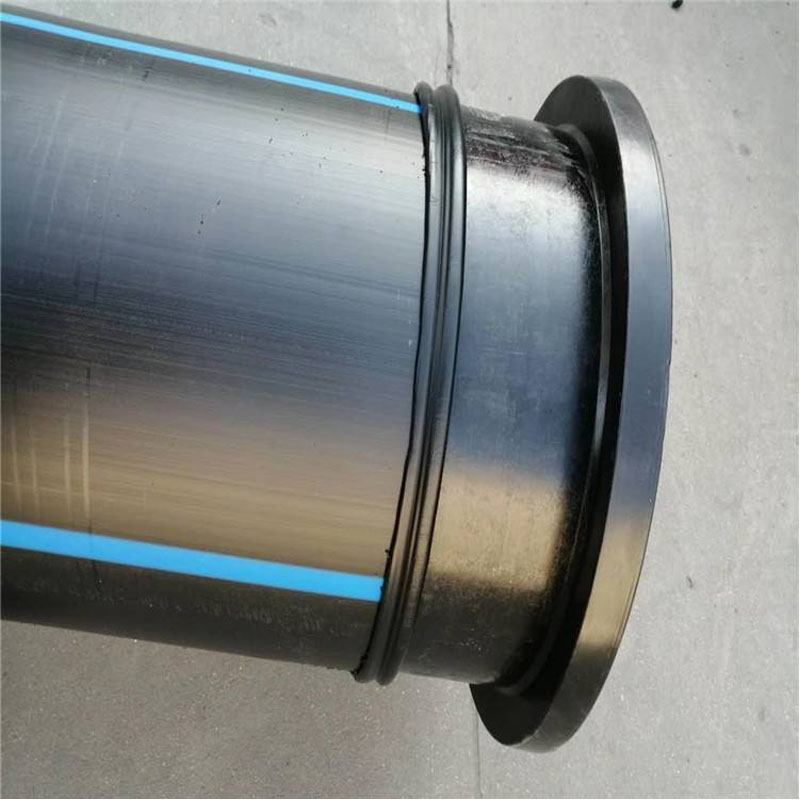
Polyvinyl Chloride (PVC) pipe, specifically grey PVC, is a thermoplastic piping system widely utilized in a diverse range of applications including potable water distribution, irrigation, drainage, and sewage systems. Its position within the construction and infrastructure supply chain is as a critical component for fluid conveyance. Grey PVC differentiates itself from white PVC primarily through the addition of UV inhibitors, enhancing its resistance to degradation from sunlight exposure, making it particularly suited for outdoor applications. Core performance characteristics of grey PVC pipe include its chemical resistance, durability, ease of installation (via solvent welding or rubber gasket joints), and cost-effectiveness. A significant industry pain point revolves around maintaining consistent dimensional tolerances during manufacturing to ensure leak-proof joints and long-term system integrity. Another challenge is ensuring the pipe's ability to withstand soil loading and external pressures, particularly in burial applications, while mitigating the risks of cracking or deformation.
Material Science & Manufacturing
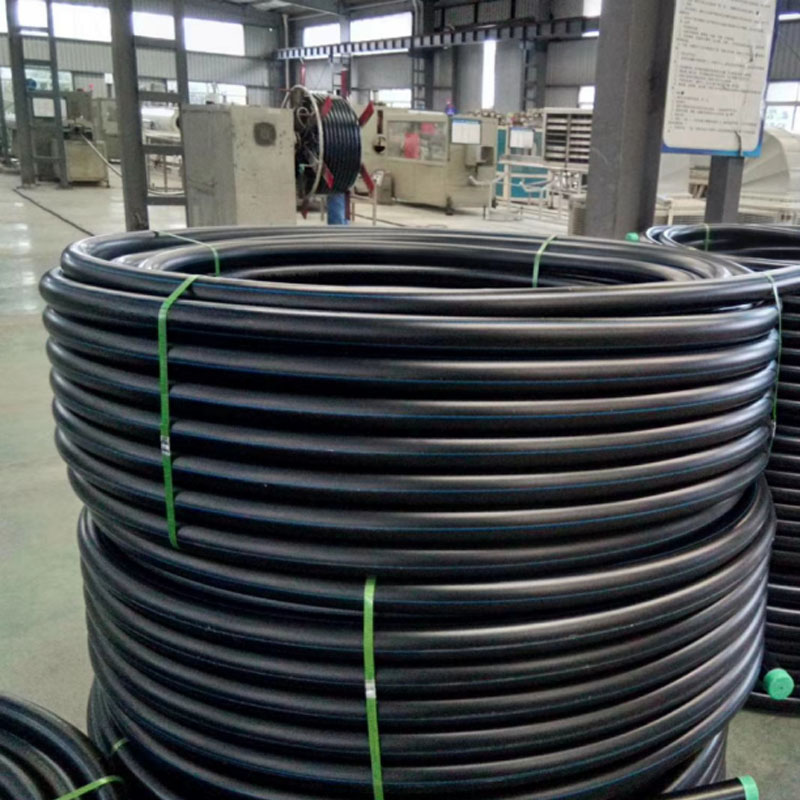
Grey PVC pipe is primarily composed of PVC resin, which is a polymer of vinyl chloride monomers. The resin’s inherent properties – amorphous structure, good tensile strength (typically 55-75 MPa), and excellent chemical resistance – form the foundation for the pipe’s performance. Plasticizers, such as phthalates or adipates, are added to increase flexibility and impact resistance. Stabilizers, often based on tin or calcium-zinc compounds, protect the PVC from thermal degradation during processing and long-term UV exposure. The “grey” color comes from the incorporation of titanium dioxide (TiO2) and carbon black, providing UV protection and concealing potential discoloration over time. Manufacturing typically involves extrusion. PVC compound is fed into a single-screw extruder, where it is heated and homogenized. The molten PVC is then forced through a die of the desired pipe diameter and wall thickness. Critical parameters during extrusion include temperature control (barrel zones typically ranging from 160°C to 220°C), screw speed, and die design. Cooling is achieved through water baths, followed by sizing and cutting to specified lengths. Quality control focuses on maintaining precise dimensions (outer diameter, wall thickness), ensuring adequate impact strength, and verifying the concentration of UV stabilizers.
Performance & Engineering
The performance of grey PVC pipe is heavily dictated by its ability to withstand internal hydrostatic pressure and external loads. Hydrostatic pressure resistance is calculated based on Barlow’s Formula: S = (P D) / (2 t), where S is the allowable stress, P is the internal pressure, D is the outer diameter, and t is the wall thickness. Engineering designs must account for surge pressures (water hammer) and sustained operating pressures. External loads include soil loading, traffic loads (for buried pipes), and bending moments. Finite Element Analysis (FEA) is commonly used to model the pipe’s response to these loads and optimize wall thickness to prevent collapse or cracking. Grey PVC exhibits a relatively low modulus of elasticity (approximately 3.5 GPa), making it flexible and able to accommodate some ground movement. However, this flexibility also necessitates proper bedding and backfill to distribute loads evenly. Chemical compatibility is also a crucial consideration. While PVC is resistant to many chemicals, it can be affected by strong oxidizing agents, aromatic hydrocarbons, and ketones. Compliance requirements are defined by standards organizations (see section 7) and often dictate minimum pressure ratings, dimensional tolerances, and material specifications.
Technical Specifications
| Parameter | Units | Typical Value (Schedule 40) | Typical Value (Schedule 80) |
|---|---|---|---|
| Outer Diameter | inches | 1.900 | 2.375 |
| Wall Thickness | inches | 0.065 | 0.112 |
| Pressure Rating (Hydrostatic) | psi | 400 | 600 |
| Tensile Strength | MPa | 62 | 65 |
| Impact Strength (Izod Notched) | J/m | 500 | 600 |
| Density | g/cm³ | 1.40 | 1.40 |
Failure Mode & Maintenance
Common failure modes in grey PVC pipe include brittle fracture (due to impact or low temperatures), crazing (formation of micro-cracks due to stress and chemical exposure), and long-term degradation from UV exposure. Brittle fracture is more prevalent in colder climates or when the pipe is subjected to sudden impacts during installation or operation. Crazing can lead to leakage and a reduction in pressure rating. UV degradation, even with the presence of UV stabilizers, can cause the pipe to become brittle and lose its impact strength over time. Another potential failure mode is chemical attack, particularly from aggressive solvents or industrial effluents. Failure analysis often involves visual inspection, microscopic examination of fracture surfaces, and chemical testing to identify the root cause. Maintenance typically involves regular visual inspections for cracks, leaks, or signs of degradation. Joints should be checked for proper sealing. In areas with aggressive soil conditions, cathodic protection may be considered to mitigate corrosion of any metallic components (e.g., fittings). For buried pipelines, proper bedding and backfill are essential to prevent excessive stress and maintain long-term integrity. Repairing minor cracks can sometimes be achieved with PVC repair compounds, but for significant damage, pipe replacement is usually the most reliable solution.
Industry FAQ
Q: What is the primary difference between Schedule 40 and Schedule 80 grey PVC pipe and when should each be used?
A: Schedule 40 and Schedule 80 refer to the pipe's wall thickness. Schedule 80 has a thicker wall than Schedule 40, resulting in higher pressure ratings and increased resistance to impact and deformation. Schedule 40 is commonly used for lower-pressure applications like irrigation and drainage. Schedule 80 is preferred for higher-pressure systems, industrial applications, or where greater mechanical strength is required, such as underground installations with heavy traffic loads.
Q: How does temperature affect the performance of grey PVC pipe?
A: PVC becomes more brittle at lower temperatures. While it can operate down to freezing temperatures, impact resistance decreases significantly. Elevated temperatures can reduce the pipe’s pressure rating and potentially cause deformation. The maximum operating temperature for most grey PVC pipe is around 60°C (140°F).
Q: What types of solvents are incompatible with grey PVC pipe?
A: Strong solvents, such as ketones (acetone), esters, and aromatic hydrocarbons (benzene, toluene), can dissolve or swell the PVC, leading to failure. Avoid contact with these chemicals. Consult a chemical resistance chart for specific compatibility information.
Q: What is the importance of proper bedding and backfill during installation of buried grey PVC pipe?
A: Proper bedding (a layer of granular material directly surrounding the pipe) and backfill provide support and distribute external loads evenly, preventing stress concentrations that can cause cracking or deformation. Inadequate bedding or backfill can lead to premature failure, particularly in areas with heavy traffic or unstable soil conditions. Compaction of the backfill must be controlled to avoid over-compaction, which can also induce stress.
Q: What is the expected service life of a properly installed grey PVC pipe system?
A: With proper installation and maintenance, a grey PVC pipe system can have a service life of 50 years or more. However, this is dependent on factors such as operating pressure, temperature, chemical exposure, soil conditions, and UV exposure. Regular inspections and proactive maintenance are crucial to maximizing lifespan.
Conclusion
Grey PVC pipe represents a robust and cost-effective solution for a wide array of fluid conveyance applications. Its inherent chemical resistance, coupled with the addition of UV stabilizers, makes it particularly well-suited for outdoor use. Understanding the material’s properties, manufacturing processes, and potential failure modes is paramount for ensuring long-term system reliability. Proper engineering design, adhering to relevant industry standards, and implementing regular inspection and maintenance programs are critical for maximizing the service life and minimizing the risk of costly failures.
Future developments in PVC technology may focus on enhancing impact resistance at low temperatures, improving chemical compatibility with more aggressive substances, and incorporating sustainable materials into the PVC formulation. Continued research into advanced non-destructive testing methods will also be vital for effectively monitoring the integrity of installed PVC pipe systems and proactively addressing potential issues before they escalate. The long-term viability of grey PVC pipe as a crucial component of infrastructure networks hinges on these ongoing advancements and a commitment to best practices throughout the entire lifecycle.
-
DN25 HDPE Compression Fitting-HORON INTERNATIONAL|Reliable Irrigation Solutions
NewsFeb.11,2026
-
china ppr for hot water Performance Analysis
News2026-04-22
-
china bulk pvc pipe Technical Analysis
News2026-04-22
-
china pvc pipes price list Performance Analysis
News2026-04-22
-
china 20 ft pvc pipe Performance Analysis
News2026-04-22
-
china ppr cold water pipe Performance Analysis
News2026-04-22
-
china double wall hdpe pipe Performance Analysis
News2026-04-21
-
china transition coupling hdpe to pvc Performance Analysis
News2026-04-21
-
china water pipe ppr Performance Analysis
News2026-04-21
-
china dn150 hdpe Performance Analysis
News2026-04-21
-
china sprinkler hdpe pipe Material Performance
News2026-04-21
-
china underground pvc pipe price Performance Analysis
News2026-04-10
-
china water pipes under sink Material Science
News2026-04-10
-
china 40mm ppr pipe price Performance Analysis
News2026-04-10
-
china hdpe transition coupling Performance Analysis
News2026-04-10
-
china bulk pvc pipe for sale Performance Analysis
News2026-04-10