

Feb . 11, 2026 00:01 Back to list
grey pvc pipe product Manufacturing Analysis
Introduction
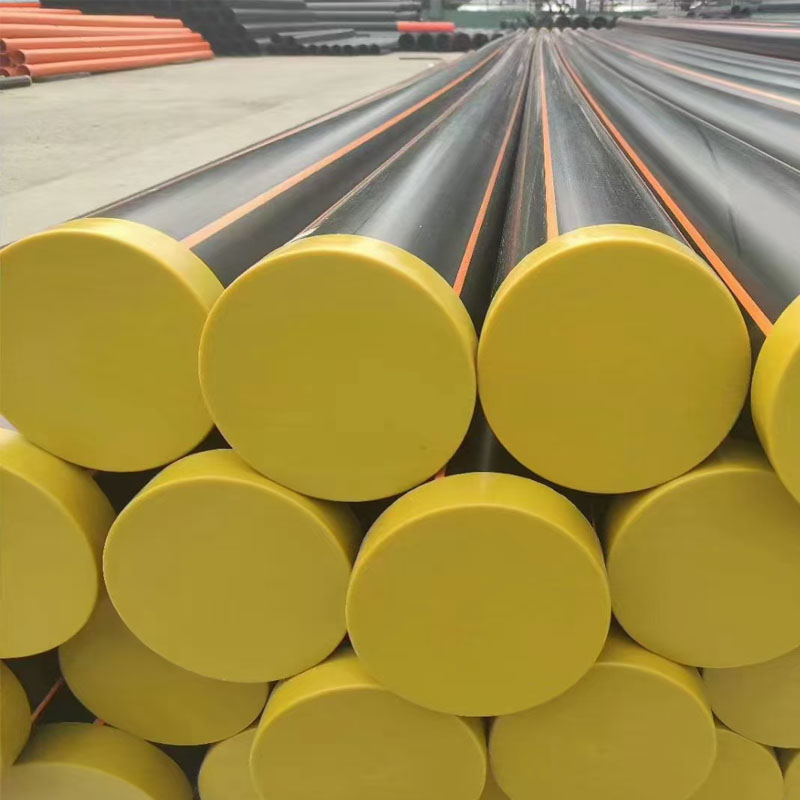
Polyvinyl Chloride (PVC) pipe, specifically grey PVC, represents a significant material in fluid conveyance across numerous industrial, agricultural, and infrastructural applications. Positioned downstream from ethylene and chlorine production, PVC pipe manufacturing leverages the polymerization of vinyl chloride monomer (VCM). Grey PVC pipe, distinguished by its color resulting from specific formulations and additives, primarily serves in non-pressure applications like drainage, sewer systems, and irrigation. Its primary performance characteristics—chemical resistance, durability, cost-effectiveness, and ease of installation—position it as a compelling alternative to metallic piping in a wide array of scenarios. A critical understanding of its material properties, manufacturing processes, and long-term performance is essential for engineers, procurement managers, and maintenance personnel to ensure optimal system reliability and longevity. The current industry faces challenges related to environmental sustainability of PVC production and disposal, prompting innovation in bio-based additives and recycling technologies. This guide provides an in-depth technical analysis of grey PVC pipe, covering material science, manufacturing, performance, failure modes, and relevant industry standards.
Material Science & Manufacturing
Grey PVC pipe is fundamentally composed of PVC resin, plasticizers, stabilizers, lubricants, and pigments. The PVC resin, a thermoplastic polymer, provides the core structural integrity. Phthalate or non-phthalate plasticizers – such as DINP or DOTP – are incorporated to enhance flexibility and impact resistance, crucial for handling and installation. Stabilizers, predominantly calcium-zinc or lead-based compounds (though lead is increasingly phased out due to environmental concerns), prevent degradation during processing and prolonged exposure to UV radiation and heat. Lubricants, like stearic acid, facilitate smooth processing during extrusion. Titanium dioxide is commonly used as a pigment, although the specific grey hue is achieved through the addition of carbon black and other colorants.
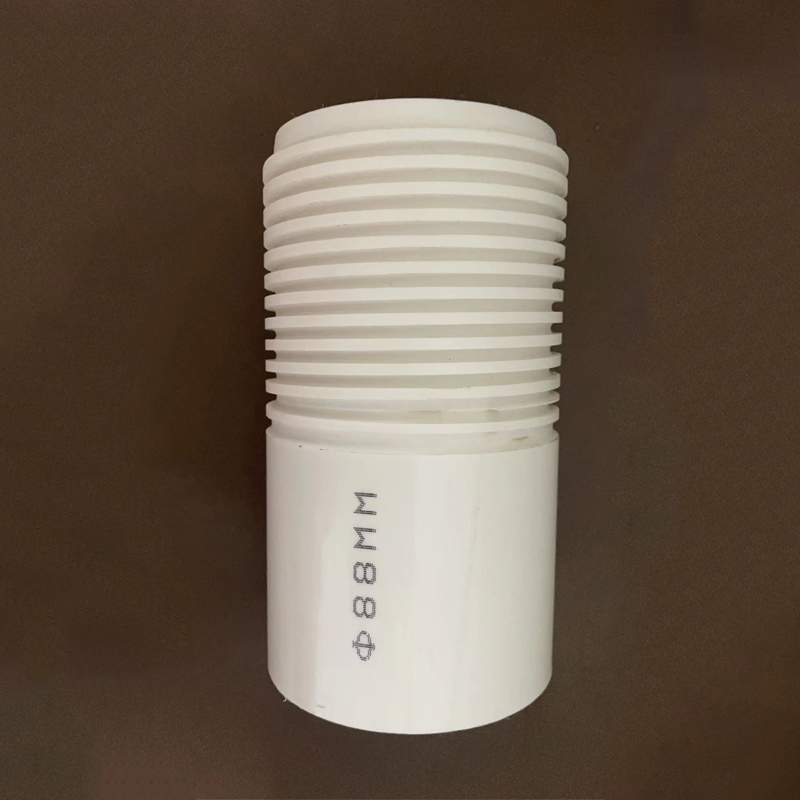
Manufacturing predominantly utilizes extrusion. PVC compound is fed into a single-screw or twin-screw extruder, where it's heated and homogenized. The extrusion temperature profile, typically ranging from 160°C to 220°C, is critically controlled to prevent thermal degradation. The molten PVC is forced through a die, shaping it into the desired pipe diameter and wall thickness. Cooling is achieved via water tanks or air cooling systems, solidifying the pipe's form. Post-extrusion, pipes are cut to length, often with bell-and-spigot ends for joining, and subjected to quality control checks. Key parameters during extrusion include screw speed, die temperature, puller speed, and cooling rate. Variations in these parameters directly impact the pipe’s dimensional accuracy, surface finish, and mechanical properties. Hydrostatic testing is routinely performed to verify the pipe’s pressure-withstanding capability.
Performance & Engineering
The performance of grey PVC pipe is governed by several engineering considerations. Hydrostatic pressure resistance, a critical parameter for underground applications, is determined by the pipe’s dimensions (diameter and wall thickness) and the PVC compound’s properties. The pipe must withstand soil loads, traffic loads, and internal fluid pressure without deformation or failure. Sustained hydrostatic pressure testing, often following ASTM D1501, assesses long-term pressure-withstanding capabilities. Soil-structure interaction must be considered, accounting for the pipe’s embedment depth and the surrounding soil’s properties.
Grey PVC exhibits excellent chemical resistance to a wide range of corrosive substances, including acids, alkalis, and salts, making it suitable for conveying various industrial effluents and wastewater. However, prolonged exposure to certain organic solvents can cause swelling and degradation. The material’s thermal expansion coefficient (approximately 8 x 10⁻⁵ /°C) needs to be accounted for in installation design to prevent stresses due to temperature fluctuations. Impact resistance is crucial, particularly during handling and installation. Notched Impact Strength, measured according to ASTM D2561, provides a quantitative measure of the pipe’s resistance to brittle fracture. Long-term creep resistance, the ability to withstand sustained loads without significant deformation, is vital for ensuring the pipe’s structural integrity over its service life. Joint integrity, achieved through solvent welding or rubber gasket connections, is paramount to prevent leakage and maintain system efficiency. The selection of appropriate jointing methods depends on the application's pressure and temperature requirements.
Technical Specifications
| Parameter | Unit | Typical Value (Schedule 40) | Testing Standard |
|---|---|---|---|
| Outside Diameter | mm | 110 | ASTM D1785 |
| Wall Thickness | mm | 4.2 | ASTM D1785 |
| Hydrostatic Design Pressure | MPa | 1.0 | ASTM D1501 |
| Tensile Strength | MPa | 55 | ASTM D2561 |
| Flexural Modulus | GPa | 3.0 | ASTM D790 |
| Impact Strength (Notched Izod) | J/m | 80 | ASTM D256 |
Failure Mode & Maintenance
Grey PVC pipe is susceptible to several failure modes. Long-term hydrostatic stress can lead to slow crack propagation (SCP), particularly in areas with residual stresses or stress concentrations. This is exacerbated by the presence of aggressive chemicals or elevated temperatures. UV degradation, caused by prolonged exposure to sunlight, can result in surface chalking, discoloration, and a reduction in mechanical properties. Impact damage, due to accidental strikes during handling or operation, can cause cracking or puncture. Joint failures, arising from improper solvent welding or gasket installation, are a common cause of leakage. Soil corrosion, induced by electrochemical reactions between the pipe and the surrounding soil, can lead to localized degradation, particularly in areas with high moisture content and varying soil resistivity.
Preventive maintenance includes periodic visual inspections for cracks, discoloration, and leaks. Regular cleaning to remove debris and buildup can prevent blockage and reduce corrosion potential. Proper backfilling procedures, utilizing non-corrosive materials, are crucial to minimize soil corrosion. For systems exposed to UV radiation, protective coatings or burial is recommended. Repair options for minor cracks include patching with PVC cement or epoxy resins. For significant damage, pipe replacement is typically necessary. Implementing a robust cathodic protection system can mitigate soil corrosion in aggressive environments. Thorough documentation of installation procedures, material specifications, and maintenance records is essential for long-term asset management.
Industry FAQ
Q: What is the impact of plasticizer migration on the long-term performance of grey PVC pipe?
A: Plasticizer migration, the gradual leaching of plasticizers from the PVC matrix, can lead to increased stiffness, reduced impact resistance, and eventual embrittlement. The rate of migration is influenced by temperature, exposure to solvents, and the type of plasticizer used. Higher-quality plasticizers and formulations designed to minimize migration are crucial for long-term performance. Monitoring for changes in flexibility and hardness can indicate plasticizer depletion.
Q: How does the soil composition affect the lifespan of buried grey PVC pipe?
A: Highly corrosive soils, containing sulfates, chlorides, or stray electrical currents, can accelerate the degradation of PVC pipe. Sulfate attack can lead to chemical degradation, while chlorides can induce pitting corrosion. Stray currents can cause electrochemical corrosion. Proper soil testing, the use of protective coatings, and implementation of cathodic protection systems are essential in aggressive soil environments.
Q: What are the key considerations when solvent welding grey PVC pipe?
A: Proper solvent welding is critical for achieving watertight joints. Surface preparation, including cleaning and deburring, is essential. The correct solvent cement and primer must be used, compatible with the PVC formulation. Adequate ventilation is required due to the fumes emitted during application. Sufficient curing time must be allowed before pressurizing the system.
Q: What is the role of stabilizers in preventing PVC degradation?
A: Stabilizers protect PVC from thermal and UV degradation during processing and service life. Calcium-zinc stabilizers are increasingly preferred over lead-based stabilizers due to environmental concerns. They scavenge hydrochloric acid (HCl) released during PVC decomposition, preventing autocatalytic degradation. The type and concentration of stabilizer are tailored to the specific application and exposure conditions.
Q: How does temperature affect the pressure-bearing capacity of grey PVC pipe?
A: Elevated temperatures reduce the tensile strength and modulus of elasticity of PVC, leading to a decrease in pressure-bearing capacity. Hydrostatic design pressure ratings are typically specified at standard temperatures (e.g., 23°C). Derating factors must be applied when operating at higher temperatures to ensure structural integrity. The long-term effects of temperature cycling should also be considered.
Conclusion
Grey PVC pipe remains a versatile and cost-effective material for a broad range of fluid conveyance applications. Its inherent chemical resistance, durability, and ease of installation continue to drive its widespread adoption. However, a thorough understanding of its material properties, manufacturing processes, and potential failure modes is paramount for ensuring long-term reliability and preventing costly failures. Addressing the challenges related to environmental sustainability through the development of bio-based additives and improved recycling technologies will be crucial for the continued viability of PVC as a material of choice in the future.
The careful selection of appropriate PVC formulations, proper installation techniques, and regular maintenance practices are essential for maximizing the lifespan and performance of grey PVC pipe systems. Continued research and development efforts focused on enhancing the material's resistance to degradation, improving joint integrity, and minimizing environmental impact will further solidify its position as a key component of modern infrastructure.
-
DN25 HDPE Compression Fitting-HORON INTERNATIONAL|Reliable Irrigation Solutions
NewsFeb.11,2026
-
china ppr for hot water Performance Analysis
News2026-04-22
-
china bulk pvc pipe Technical Analysis
News2026-04-22
-
china pvc pipes price list Performance Analysis
News2026-04-22
-
china 20 ft pvc pipe Performance Analysis
News2026-04-22
-
china ppr cold water pipe Performance Analysis
News2026-04-22
-
china double wall hdpe pipe Performance Analysis
News2026-04-21
-
china transition coupling hdpe to pvc Performance Analysis
News2026-04-21
-
china water pipe ppr Performance Analysis
News2026-04-21
-
china dn150 hdpe Performance Analysis
News2026-04-21
-
china sprinkler hdpe pipe Material Performance
News2026-04-21
-
china underground pvc pipe price Performance Analysis
News2026-04-10
-
china water pipes under sink Material Science
News2026-04-10
-
china 40mm ppr pipe price Performance Analysis
News2026-04-10
-
china hdpe transition coupling Performance Analysis
News2026-04-10
-
china bulk pvc pipe for sale Performance Analysis
News2026-04-10