

Feb . 11, 2026 00:01 Back to list
grey pvc pipe manufacturer Performance Analysis
Introduction
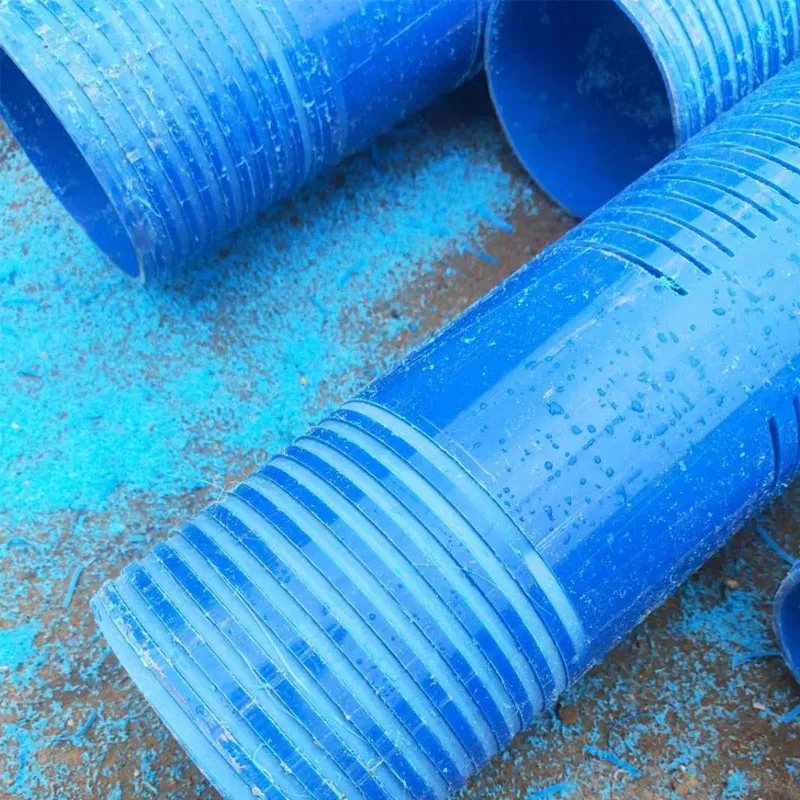
Polyvinyl chloride (PVC) pipe, specifically grey PVC, represents a significant segment within the broader thermoplastic piping industry. Its position in the value chain extends from petrochemical feedstock production – primarily ethylene and chlorine – through polymerization, compounding, extrusion, and finally, distribution to end-users in construction, irrigation, drainage, and industrial applications. Grey PVC pipe is predominantly utilized for non-pressure applications, such as gravity-fed drainage, sewer lines, and agricultural drainage systems due to its cost-effectiveness and adequate mechanical properties for these purposes. Core performance characteristics include dimensional stability, chemical resistance to a broad range of substances, and relatively low installation costs. However, a critical industry pain point revolves around maintaining consistent quality control regarding material composition, ensuring long-term durability in varying soil conditions, and addressing concerns related to environmental impact during production and disposal. This guide provides an in-depth technical examination of grey PVC pipe, covering its material science, manufacturing processes, performance metrics, failure modes, and relevant industry standards.
Material Science & Manufacturing
Grey PVC pipe is fundamentally composed of PVC resin, plasticizers, stabilizers, lubricants, and pigments. The PVC resin itself is a thermoplastic polymer synthesized through the polymerization of vinyl chloride monomer (VCM). The choice of plasticizers – typically phthalates or alternatives like DINP – dictates the flexibility and impact resistance of the final product. Stabilizers, such as organotin compounds or calcium-zinc formulations, are crucial for preventing thermal degradation during processing and extending the service life of the pipe by inhibiting PVC’s susceptibility to degradation from UV exposure and heat. Lubricants facilitate the extrusion process, reducing friction between the polymer melt and the processing equipment. Titanium dioxide (TiO2) is commonly used as a pigment to provide opacity and UV protection, contributing to the grey coloration.
Manufacturing primarily involves extrusion. PVC compound is fed into a single-screw or twin-screw extruder, where it is heated and melted. The molten PVC is then forced through a die, shaping it into the desired pipe diameter and wall thickness. Critical process parameters include extruder screw speed, barrel temperature profile (typically ranging from 170°C to 210°C), die temperature, and haul-off speed. Precise control of these parameters is essential to ensure dimensional accuracy, uniform wall thickness, and a smooth surface finish. Post-extrusion, pipes are cooled using water baths, printed with relevant markings (size, standard compliance, manufacturer’s name), and cut to specified lengths. Quality control measures at this stage include hydrostatic pressure testing to verify burst resistance and dimensional checks to ensure adherence to industry standards. The molecular weight of the PVC resin is a key factor, impacting both processability and long-term performance. Higher molecular weight resins generally offer improved impact strength and creep resistance.
Performance & Engineering
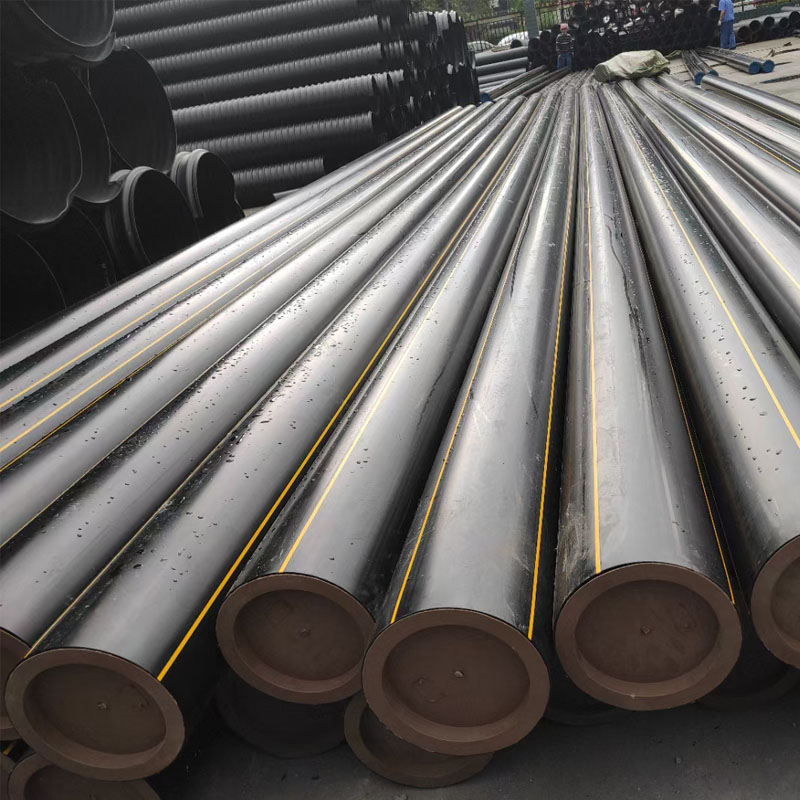
The performance of grey PVC pipe is governed by several engineering principles. Ring stiffness, measured in psi (pounds per square inch), is a critical parameter indicating the pipe's resistance to flattening under external loads, such as soil pressure or traffic loads. Higher ring stiffness values denote greater resistance to deformation. Impact strength, often determined using Izod or Charpy impact tests, assesses the pipe's ability to withstand sudden shocks or impacts. Long-term hydrostatic strength is vital for ensuring the pipe’s ability to maintain pressure over its service life. This is influenced by factors like creep resistance (the tendency of the material to deform permanently under sustained stress) and the presence of any internal stresses introduced during manufacturing.
Environmental resistance is paramount. PVC exhibits good resistance to acids, bases, and many chemicals, but prolonged exposure to certain solvents (e.g., ketones, esters) can cause swelling and degradation. UV exposure can lead to embrittlement and discoloration, which is why TiO2 is incorporated as a UV stabilizer. Soil conditions also play a significant role. Aggressive soils with high sulfate concentrations can induce chemical attack, leading to pipe degradation. Furthermore, the pipe’s thermal expansion and contraction characteristics must be considered during installation to prevent stress cracking or joint failures. Compliance requirements are dictated by standards such as ASTM D1785 (Standard Specification for Poly(Vinyl Chloride) (PVC) Plastic Pipe, Schedules 40, 80, and 120) and relevant local building codes. These standards specify minimum performance criteria for various pipe sizes and applications.
Technical Specifications
| Parameter | Unit | Typical Value (Schedule 40) | Test Method |
|---|---|---|---|
| Ring Stiffness | psi | 225 | ASTM D2412 |
| Impact Strength (Izod Notched) | ft-lb/in | 8 | ASTM D256 |
| Tensile Strength | psi | 6,000 | ASTM D638 |
| Elongation at Break | % | 30 | ASTM D638 |
| Hydrostatic Design Stress | psi | 4,000 | ASTM D1597 |
| Water Absorption (24 hours) | % | 0.1 | ASTM D570 |
Failure Mode & Maintenance
Grey PVC pipe can experience several failure modes in service. Brittle fracture, particularly at lower temperatures, can occur due to impact or excessive stress. Sustained exposure to ultraviolet radiation can cause surface cracking and embrittlement, reducing impact resistance. Chemical attack from aggressive soil constituents (sulfates, chlorides) can lead to material degradation and loss of mechanical properties. Creep rupture, while less common in non-pressure applications, can occur over extended periods under sustained loads. Joint failures can arise from improper installation, thermal expansion/contraction stresses, or degradation of the sealing materials.
Preventative maintenance typically involves visual inspections for cracks, discoloration, or deformation. Regular cleaning to remove debris and obstructions can prevent blockages and reduce the risk of hydrostatic pressure buildup. For buried pipes, proper bedding and backfilling practices are crucial to provide adequate support and minimize stress. In areas with aggressive soils, consideration should be given to using protective coatings or alternative pipe materials. If a section of pipe fails, it should be replaced with a compatible PVC pipe conforming to the relevant standards. Repairing cracked or damaged sections with PVC cement is generally not recommended for long-term reliability. Periodic assessment of soil chemistry can identify potential corrosion risks and allow for proactive mitigation measures.
Industry FAQ
Q: What is the primary difference between Schedule 40 and Schedule 80 grey PVC pipe, and how does this impact its application?
A: The primary difference lies in the wall thickness. Schedule 80 pipe has a thicker wall than Schedule 40. This increased wall thickness results in higher ring stiffness, greater pressure-bearing capacity, and improved impact resistance. Schedule 40 is commonly used for gravity-fed drainage and sewer lines, while Schedule 80 is preferred for applications requiring higher structural integrity, such as industrial discharge or chemical processing.
Q: How does temperature affect the long-term performance of grey PVC pipe?
A: Elevated temperatures can accelerate the degradation of PVC, reducing its impact strength and increasing its susceptibility to creep. Conversely, low temperatures can make the pipe more brittle and prone to fracture. Operating temperatures should remain within the recommended range specified by the manufacturer and relevant standards (typically -40°C to 60°C). For applications involving extreme temperatures, specialized PVC formulations or alternative materials may be required.
Q: What considerations should be taken into account when installing grey PVC pipe in areas with highly corrosive soils?
A: In corrosive soil environments, it’s crucial to use pipe with enhanced chemical resistance, potentially incorporating specialized PVC formulations or applying protective coatings. Proper bedding and backfilling materials should be selected to minimize soil contact. Geotextile fabrics can also be used to isolate the pipe from aggressive soil constituents. Regular monitoring of soil conditions is recommended to detect any changes in corrosivity.
Q: What is the typical service life expectancy of grey PVC pipe installed in a standard drainage application?
A: Under normal operating conditions and with proper installation, grey PVC pipe can have a service life exceeding 50 years. However, this can vary depending on factors such as soil conditions, exposure to chemicals, UV radiation, and the quality of the initial installation. Regular inspections and preventative maintenance can help extend the service life.
Q: How does the choice of plasticizer impact the long-term flexibility and performance of grey PVC pipe?
A: The type of plasticizer used significantly influences the pipe’s flexibility and resistance to cracking. Phthalate plasticizers were traditionally used but are facing increasing regulatory scrutiny due to health concerns. Alternatives like DINP offer improved environmental and health profiles. However, the long-term performance of alternative plasticizers must be carefully evaluated to ensure they maintain adequate flexibility and durability over the pipe’s service life. Migration of plasticizers over time can lead to embrittlement and reduced performance.
Conclusion
Grey PVC pipe remains a cost-effective and versatile material for a wide range of non-pressure applications, particularly in drainage and sewer systems. Its performance is intrinsically linked to the careful control of material composition, manufacturing processes, and installation practices. Understanding the material’s limitations – susceptibility to UV degradation, chemical attack, and temperature-related effects – is crucial for ensuring long-term durability and reliability. The industry continues to evolve, with ongoing research focused on developing more sustainable PVC formulations and improving resistance to aggressive environments.
Future advancements will likely focus on incorporating bio-based plasticizers and stabilizers, enhancing recycling technologies for PVC waste, and developing innovative pipe designs that optimize structural performance and minimize environmental impact. Maintaining adherence to stringent quality control standards and relevant industry regulations remains paramount to guarantee the continued efficacy and longevity of grey PVC pipe infrastructure.
-
DN25 HDPE Compression Fitting-HORON INTERNATIONAL|Reliable Irrigation Solutions
NewsFeb.11,2026
-
china 100mm pvc pipe price Performance Analysis
News2026-05-23
-
china pvc pipe used for Performance Analysis
News2026-05-23
-
china ppr water pipe fittings Performance Analysis
News2026-05-23
-
china hdpe pipe couplings Performance Analysis
News2026-05-23
-
china 50mm ppr pipe price Performance Analysis
News2026-05-23
-
china corrugated hdpe pipe fittings Performance Analysis
News2026-05-22
-
china ppr pipe for hot water Performance Analysis
News2026-05-22
-
china ppr Technical Performance Analysis
News2026-05-22
-
china corrugated dual wall pipe Performance Analysis
News2026-05-22
-
china sink inlet pipe Material Performance Analysis
News2026-05-22
-
china 1 2 inch pvc Performance Analysis
News2026-05-21
-
china hdpe pipe joint coupler Performance Analysis
News2026-05-21
-
china ppr pipes and fittings price list Technical Analysis
News2026-05-21
-
china 9 inch pvc pipe price Performance Analysis
News2026-05-21
-
china 2 inch borewell column pipe price Performance Engineering
News2026-05-21