

Feb . 11, 2026 00:01 Back to list
grey pvc pipe factories Performance Analysis
Introduction
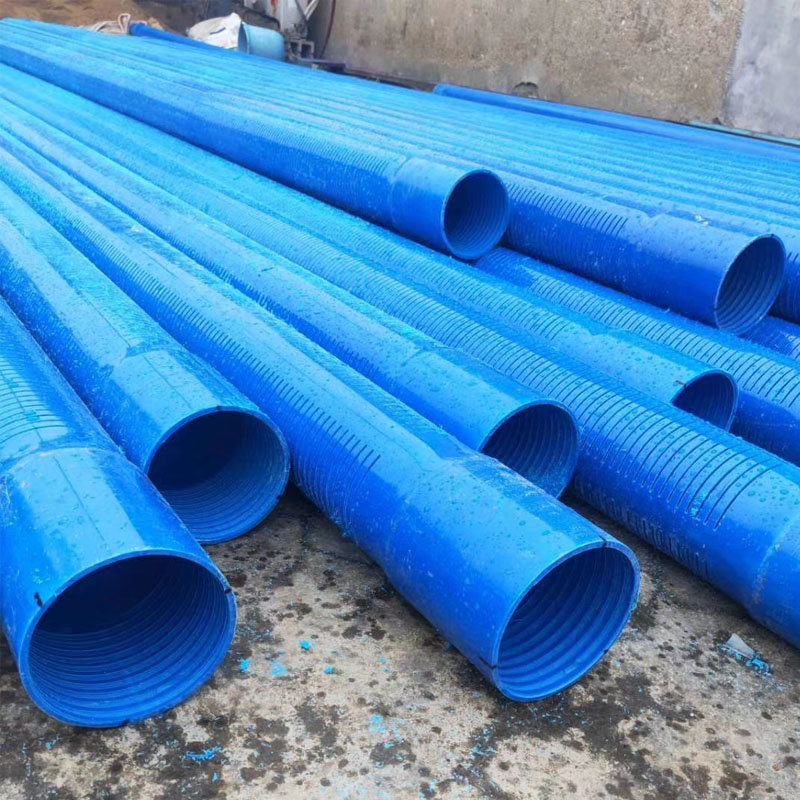
Polyvinyl chloride (PVC) pipe, particularly in grey coloration, represents a foundational material within fluid conveyance systems across a broad spectrum of industries including municipal water distribution, irrigation, drainage, and industrial chemical transport. Grey PVC pipe factories specialize in the extrusion and fabrication of this thermoplastic polymer, contributing significantly to infrastructure development and process engineering. Its selection is driven by a compelling combination of cost-effectiveness, durability, chemical resistance, and ease of installation. This guide provides an in-depth technical overview of grey PVC pipe, covering its material science, manufacturing processes, performance characteristics, potential failure modes, and relevant industry standards. A critical pain point within the industry involves maintaining consistent material quality to ensure long-term performance and adherence to stringent regulatory requirements regarding water potability and environmental safety. Furthermore, optimizing extrusion processes to minimize material waste and energy consumption remains a core focus for manufacturers.
Material Science & Manufacturing
Grey PVC pipe’s performance is fundamentally linked to the properties of its constituent materials. The primary component is PVC resin, typically suspension PVC (S-PVC), chosen for its balance of processability and impact strength. Plasticizers, such as diisononyl phthalate (DINP) or dioctyl terephthalate (DOTP), are incorporated to enhance flexibility and impact resistance, particularly at lower temperatures. Stabilizers, commonly based on organotin compounds or calcium-zinc formulations, prevent thermal degradation during processing and extend the service life of the pipe. Titanium dioxide (TiO2) provides opacity and UV resistance. Carbon black is the primary pigment responsible for the grey coloration, offering UV protection and masking imperfections. Finally, lubricants, such as stearic acid, facilitate processing.
Manufacturing primarily utilizes extrusion. PVC compound is fed into a single or twin-screw extruder where it is heated and homogenized. The extruder’s screw conveys the molten PVC through a die, shaping it into a pipe. Critical parameters include barrel temperature profiles (typically ranging from 160°C to 210°C, depending on the formulation), screw speed, and die pressure. Precise control of these parameters is essential to achieve consistent wall thickness, dimensional accuracy, and surface finish. Following extrusion, pipes are typically cooled in a water bath, calibrated to maintain precise dimensions, and then cut to length. Quality control measures include hydrostatic pressure testing to verify burst strength and dimensional inspection using laser micrometers. Modern facilities often incorporate in-line process monitoring systems to detect and correct deviations in real-time. The selection of raw material suppliers and rigorous incoming inspection of PVC resin are crucial to minimize batch-to-batch variation.
Performance & Engineering
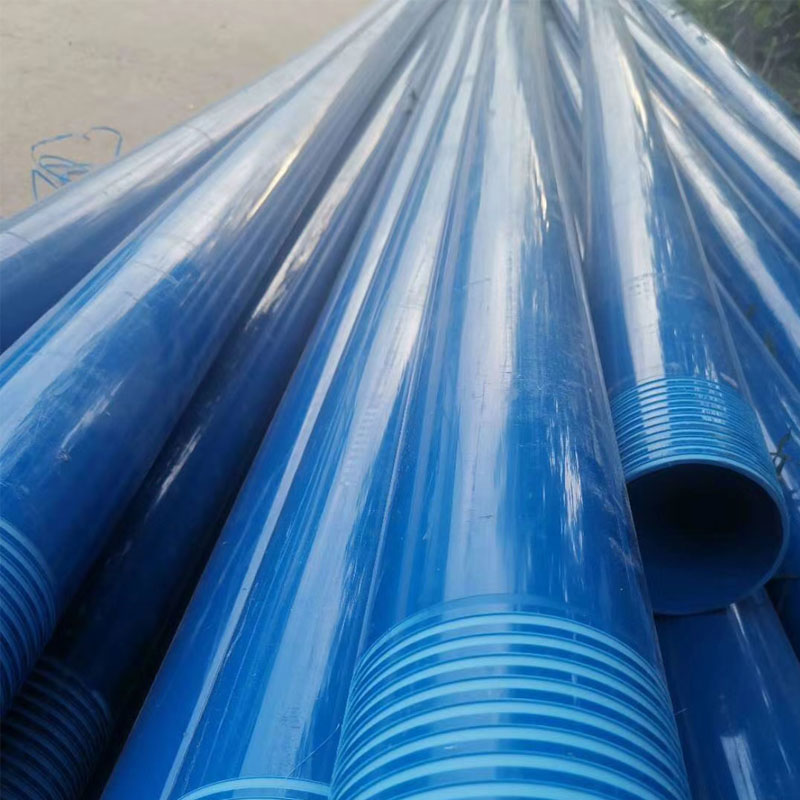
The engineering performance of grey PVC pipe is dictated by several key factors. Tensile strength, typically ranging from 50 to 70 MPa, dictates its resistance to cracking under load. Elongation at break, generally 30-60%, indicates its ability to deform before fracture. Impact strength, measured using Izod or Charpy tests, is critical for resisting damage during handling and installation. The modulus of elasticity, around 3-4 GPa, determines the pipe's stiffness and resistance to deflection under pressure. The long-term hydrostatic design stress (HDS) is a crucial parameter, dictating the maximum allowable internal pressure based on factors like temperature and time. This is often calculated according to industry standards such as ASTM D2837. Environmental resistance is a significant consideration. PVC is susceptible to degradation from UV exposure, necessitating the inclusion of UV stabilizers. Chemical resistance is generally excellent, but prolonged exposure to certain solvents and strong oxidizing agents can cause swelling or cracking. The coefficient of thermal expansion is relatively high (around 8 x 10^-5 /°C), requiring consideration during installation to account for thermal movement. Force analysis during burial must account for soil loading, traffic loads, and hydrostatic pressure. Compliance with local building codes and water quality regulations is paramount, particularly regarding the leaching of additives into potable water.
Technical Specifications
| Parameter | Unit | Typical Value (Schedule 40) | Typical Value (Schedule 80) |
|---|---|---|---|
| Outside Diameter | mm | 114.3 | 114.3 |
| Wall Thickness | mm | 4.2 | 5.6 |
| Pressure Rating (at 23°C) | bar | 8.6 | 13.8 |
| Tensile Strength | MPa | 62 | 65 |
| Impact Strength (Izod Notched) | kJ/m² | 5 | 6 |
| Hydrostatic Design Stress (HDS) | MPa | 10.3 | 13.8 |
Failure Mode & Maintenance
Grey PVC pipe, while durable, is susceptible to several failure modes. Long-term hydrostatic stress can lead to slow crack propagation (SCP), particularly in environments containing chlorine or other aggressive chemicals. This manifests as hairline cracks perpendicular to the pipe's longitudinal axis. UV degradation can cause embrittlement and surface cracking, reducing impact resistance. Physical damage during handling or installation, such as gouges or punctures, can initiate crack growth. Thermal stress, caused by expansion and contraction, can lead to joint failure or cracking, especially if insufficient allowance is made for thermal movement. Soil settlement or ground movement can induce bending stress, potentially leading to cracking or joint separation.
Preventative maintenance includes proper bedding and backfilling procedures to provide adequate support and minimize stress. Avoid direct exposure to UV radiation where possible. Regular inspections, particularly in areas prone to damage, can identify early signs of degradation. If cracks are detected, repairs can be made using PVC repair couplings or wraps. Joint failures can often be addressed by replacing the affected joint or using appropriate repair sleeves. For SCP, mitigating chlorine levels or transitioning to alternative disinfection methods is crucial. Maintaining accurate records of pipe installation and material specifications is essential for effective maintenance and troubleshooting.
Industry FAQ
Q: What is the impact of varying plasticizer content on the long-term performance of grey PVC pipe?
A: Higher plasticizer content increases flexibility and impact resistance initially but can lead to plasticizer migration over time, resulting in embrittlement and reduced long-term performance. Choosing a suitable plasticizer type (e.g., DOTP over DINP for improved migration resistance) and optimizing the formulation are critical.
Q: How does the choice of stabilizer affect the pipe's resistance to thermal degradation during processing and service?
A: Organotin stabilizers offer excellent thermal stability but are facing increasing regulatory scrutiny due to environmental concerns. Calcium-zinc stabilizers are a more environmentally friendly alternative, but may require higher concentrations and careful formulation to achieve comparable performance.
Q: What are the key considerations when selecting grey PVC pipe for use in aggressive chemical environments?
A: A thorough assessment of the chemicals involved is essential. While PVC generally exhibits good chemical resistance, certain solvents and strong oxidizing agents can cause swelling, cracking, or degradation. Selecting a PVC formulation with enhanced chemical resistance and conducting compatibility testing are crucial.
Q: What methods are used to mitigate the risk of slow crack propagation (SCP) in PVC piping systems?
A: Reducing chlorine concentrations, controlling water pH, avoiding hydrostatic stress concentrations, and utilizing PVC formulations with enhanced SCP resistance are key mitigation strategies. Pressure surge control is also important to minimize transient stresses.
Q: What are the typical quality control tests performed on grey PVC pipe during manufacturing?
A: Typical tests include hydrostatic pressure testing, dimensional inspection (using laser micrometers), impact strength testing (Izod or Charpy), tensile strength testing, and visual inspection for surface defects. Batch traceability and documentation of test results are also essential.
Conclusion
Grey PVC pipe remains a dominant material in fluid conveyance due to its cost-effectiveness, durability, and versatility. Understanding the underlying material science, manufacturing nuances, and potential failure modes is paramount for ensuring long-term performance and system reliability. Manufacturers are continuously innovating to improve PVC formulations, optimize extrusion processes, and address environmental concerns related to plasticizers and stabilizers.
Future developments will likely focus on bio-based plasticizers, enhanced UV stabilizers, and improved SCP resistance. Adherence to stringent quality control standards and industry best practices will remain essential for maintaining the integrity of PVC piping systems and ensuring compliance with evolving regulatory requirements. The continued success of grey PVC pipe factories hinges on a commitment to technical excellence and sustainable manufacturing practices.
-
DN25 HDPE Compression Fitting-HORON INTERNATIONAL|Reliable Irrigation Solutions
NewsFeb.11,2026
-
china ppr for hot water Performance Analysis
News2026-04-22
-
china bulk pvc pipe Technical Analysis
News2026-04-22
-
china pvc pipes price list Performance Analysis
News2026-04-22
-
china 20 ft pvc pipe Performance Analysis
News2026-04-22
-
china ppr cold water pipe Performance Analysis
News2026-04-22
-
china double wall hdpe pipe Performance Analysis
News2026-04-21
-
china transition coupling hdpe to pvc Performance Analysis
News2026-04-21
-
china water pipe ppr Performance Analysis
News2026-04-21
-
china dn150 hdpe Performance Analysis
News2026-04-21
-
china sprinkler hdpe pipe Material Performance
News2026-04-21
-
china underground pvc pipe price Performance Analysis
News2026-04-10
-
china water pipes under sink Material Science
News2026-04-10
-
china 40mm ppr pipe price Performance Analysis
News2026-04-10
-
china hdpe transition coupling Performance Analysis
News2026-04-10
-
china bulk pvc pipe for sale Performance Analysis
News2026-04-10