

Feb . 11, 2026 00:01 Back to list
6 double wall corrugated pipe service Performance Analysis
Introduction
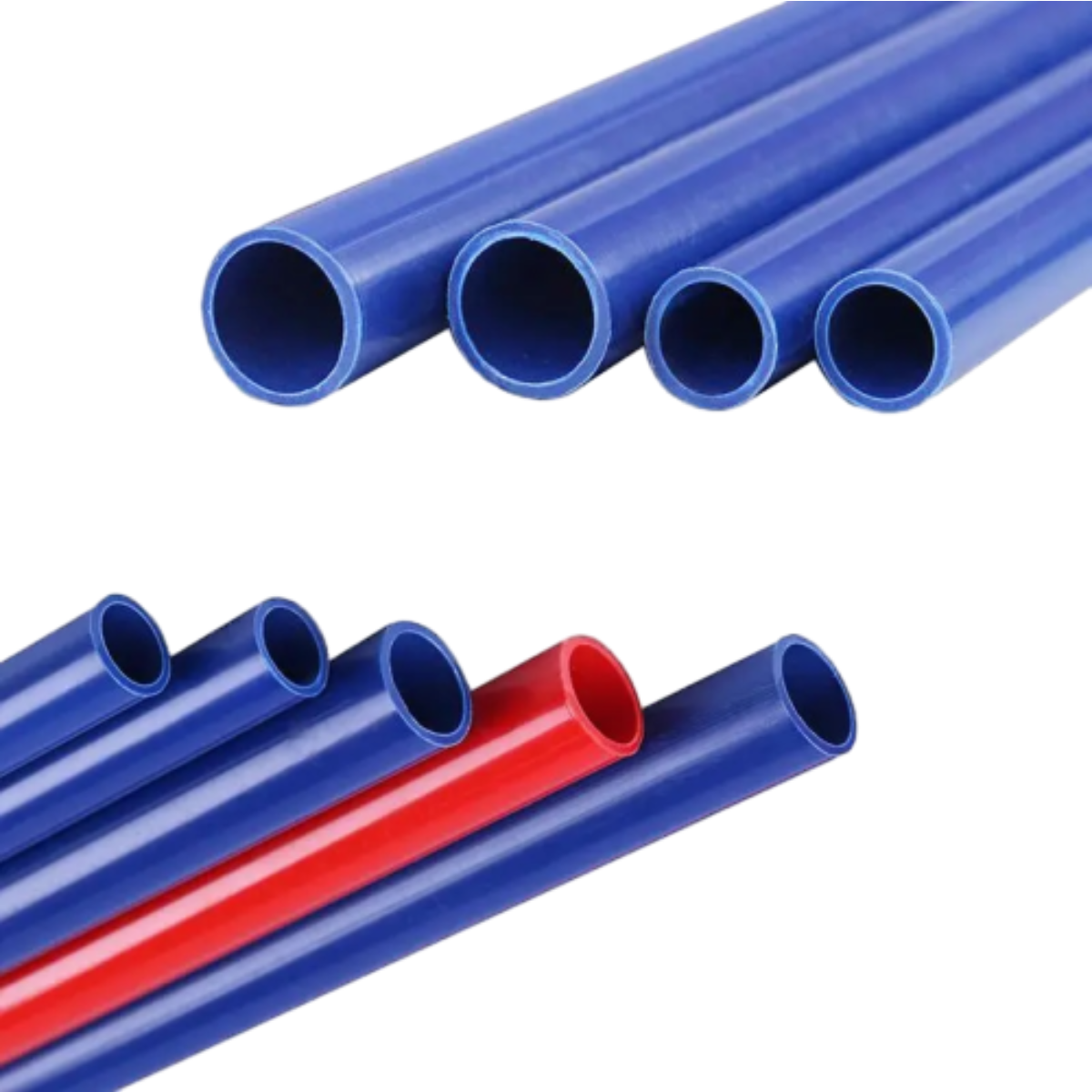
6-inch double-wall corrugated pipe is a crucial component in subsurface drainage, stormwater management, and various industrial applications. Positioned within the broader piping industry, it represents a significant advancement over traditional single-wall corrugated metal pipe (CMP) and solid wall High-Density Polyethylene (HDPE) due to its optimized strength-to-weight ratio and enhanced durability. This pipe typically consists of a smooth interior wall for optimal flow capacity and a corrugated exterior wall for structural rigidity. The core performance characteristics revolve around its ability to withstand hydrostatic pressure, soil loads, and potential impact forces while maintaining long-term performance and resisting corrosion. Addressing critical industry pain points relating to pipe deformation under load, infiltration, and lifespan, double-wall corrugated pipe has become a standard solution for gravity-flow applications. Its use reduces the need for frequent repairs and replacements, leading to lower life-cycle costs for infrastructure projects.
Material Science & Manufacturing
The predominant material utilized in 6-inch double-wall corrugated pipe is Polypropylene (PP), specifically High-Density Polypropylene (HDPE). PP is chosen for its high tensile strength (typically 20-30 MPa), excellent chemical resistance to common soil constituents, and relative affordability. The corrugated layer typically employs a higher molecular weight PP formulation to maximize ring stiffness. The smooth interior wall often uses a slightly different PP grade optimized for hydraulic smoothness and minimizing friction loss.
Manufacturing begins with the extrusion of the inner and outer layers of PP. The inner layer is formed into a solid, smooth tube. Simultaneously, the outer layer is corrugated using a specialized rotating drum with contoured grooves. This process imparts the required annular ridges to provide structural strength. Subsequently, the inner tube is inserted into the corrugated outer layer. A critical parameter is maintaining precise temperature control during extrusion to ensure consistent wall thickness and avoid material degradation. The corrugated profile’s geometry (height, pitch, and wavelength) are tightly controlled, as they directly affect the pipe’s load-bearing capacity. Post-extrusion, quality control checks include dimensional accuracy, hydrostatic pressure testing, and impact resistance testing, often adhering to ASTM F2306 standards. Proper coupling methods, such as bell-and-spigot joints with gaskets, or split couplers, are critical for maintaining system integrity and preventing infiltration.
Performance & Engineering
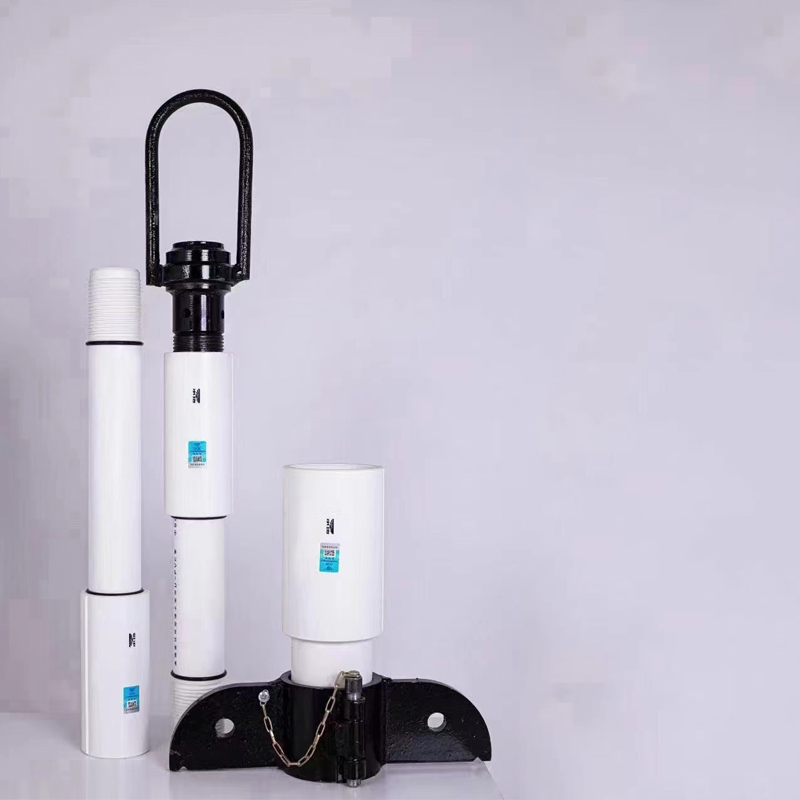
The performance of 6-inch double-wall corrugated pipe is significantly influenced by its structural integrity under load. Force analysis focuses on hoop stress (tension in the pipe wall due to internal pressure and external loads) and longitudinal stress (stress along the pipe's length). The corrugated structure efficiently distributes loads, maximizing bending stiffness. The pipe’s ability to withstand soil loads is governed by its ring stiffness, a measure of its resistance to flattening. Backfill material compaction is critical; improper compaction can lead to uneven loading and premature failure. Environmental resistance is another key consideration. While PP is inherently resistant to many chemicals found in soil, long-term exposure to ultraviolet (UV) radiation can cause degradation. Therefore, the pipe is often designed for burial depths that minimize UV exposure. Compliance requirements, particularly related to stormwater management, necessitate careful consideration of flow capacity and potential infiltration. Engineers must calculate the required pipe diameter and slope based on anticipated flow rates and rainfall intensity, adhering to local regulations (e.g., EPA guidelines, state-specific stormwater permits). The pipe's hydraulic performance is influenced by the Manning's roughness coefficient, which is relatively low for smooth-walled PP pipes, minimizing headloss.
Technical Specifications
| Parameter | Unit | Typical Value (6-inch Pipe) | Test Standard |
|---|---|---|---|
| Nominal Diameter | inches | 6 | ASTM F2306 |
| Ring Stiffness | psi | 48 - 70 | ASTM D2412 |
| Tensile Strength (PP) | MPa | 20 - 30 | ASTM D638 |
| Impact Resistance (Izod Notched) | ft-lb/in | > 10 | ASTM D256 |
| Hydrostatic Pressure Test | psi | > 150 (for 24 hours) | ASTM F2306 |
| Manning’s Roughness Coefficient | - | 0.011 - 0.015 | Calculated |
Failure Mode & Maintenance
Common failure modes in 6-inch double-wall corrugated pipe include ovalization (deformation under load), cracking due to stress concentration, and joint failure. Ovalization often stems from inadequate backfill compaction or excessive surcharge loads. Cracking can result from impact damage during installation or long-term fatigue due to cyclic loading. Joint failures can occur due to improper installation, gasket degradation, or soil settlement. Chemical degradation, though less frequent with PP, can occur in highly aggressive soil environments.
Preventive maintenance involves regular visual inspections to identify signs of deformation, cracking, or joint displacement. Maintaining proper vegetation control around pipe inlets and outlets is crucial to prevent debris buildup and flow obstruction. Addressing any soil erosion around the pipe is also vital. If ovalization is detected, soil stabilization measures (e.g., geogrid reinforcement) may be necessary. For joint failures, replacing the damaged coupling is typically the most effective solution. When cracks are present, particularly longitudinal cracks, a full pipe replacement is generally recommended to prevent catastrophic failure. Periodic CCTV inspections can provide a more detailed assessment of the pipe’s internal condition and identify potential problems before they escalate.
Industry FAQ
Q: What is the impact of soil type on the long-term performance of this pipe?
A: Soil type significantly impacts performance. Highly expansive clay soils can exert substantial pressure on the pipe, potentially causing deformation or cracking. Corrosive soils can accelerate gasket degradation. Granular soils require proper compaction to prevent settlement and ensure adequate support. A geotechnical investigation is highly recommended to determine soil characteristics and inform appropriate installation practices.
Q: How does temperature affect the pipe’s structural properties?
A: PP exhibits a decrease in stiffness and strength at elevated temperatures. While typical burial temperatures are not usually extreme, prolonged exposure to high temperatures (e.g., near industrial discharge points) can reduce the pipe’s load-bearing capacity. Conversely, low temperatures can increase brittleness, making the pipe more susceptible to impact damage.
Q: What is the expected service life of a properly installed 6-inch double-wall corrugated pipe?
A: With proper installation and maintenance, a service life of 50-75 years is typically expected. However, this can vary depending on soil conditions, loading conditions, and the quality of materials used. Regular inspections and proactive maintenance can significantly extend the pipe’s lifespan.
Q: Are there any specific considerations for installing this pipe in areas with high groundwater tables?
A: High groundwater tables can increase hydrostatic pressure on the pipe, potentially causing deformation or infiltration. Proper bedding and backfill materials are crucial to provide adequate support and prevent buoyancy. Consideration should also be given to potential uplift forces.
Q: How does this pipe compare to HDPE solid-wall pipe in terms of cost-effectiveness?
A: While HDPE solid-wall pipe offers excellent durability, 6-inch double-wall corrugated pipe generally provides a more cost-effective solution for larger diameter applications. The corrugated structure allows for a lighter weight and reduced material usage while maintaining sufficient structural strength. The overall installed cost, considering excavation, bedding, and labor, is often lower for corrugated pipe.
Conclusion
6-inch double-wall corrugated pipe represents a robust and cost-effective solution for a wide range of subsurface drainage and stormwater management applications. Its combination of high strength-to-weight ratio, chemical resistance, and ease of installation makes it a preferred choice over traditional piping materials. Successful implementation hinges on a thorough understanding of material properties, manufacturing processes, and engineering principles.
Future advancements in polymer technology and manufacturing techniques will likely lead to further improvements in pipe performance and durability. Innovations in joining methods and inspection technologies will also contribute to enhanced system reliability and reduced life-cycle costs. Continued adherence to industry standards and best practices is essential to ensure the long-term success of these critical infrastructure components.
-
DN25 HDPE Compression Fitting-HORON INTERNATIONAL|Reliable Irrigation Solutions
NewsFeb.11,2026
-
china use of pvc pipe Performance Analysis
News2026-05-24
-
china 50mm pvc pipe price Performance Analysis
News2026-05-24
-
china ppr pipe 50mm price Performance Analysis
News2026-05-24
-
china hdpe coupler price Performance Analysis
News2026-05-24
-
china white pvc pipe Performance Analysis
News2026-05-24
-
china 100mm pvc pipe price Performance Analysis
News2026-05-23
-
china pvc pipe used for Performance Analysis
News2026-05-23
-
china ppr water pipe fittings Performance Analysis
News2026-05-23
-
china hdpe pipe couplings Performance Analysis
News2026-05-23
-
china 50mm ppr pipe price Performance Analysis
News2026-05-23
-
china corrugated hdpe pipe fittings Performance Analysis
News2026-05-22
-
china ppr pipe for hot water Performance Analysis
News2026-05-22
-
china ppr Technical Performance Analysis
News2026-05-22
-
china corrugated dual wall pipe Performance Analysis
News2026-05-22
-
china sink inlet pipe Material Performance Analysis
News2026-05-22