

Feb . 11, 2026 00:01 Back to list
6 double wall corrugated pipe factory Performance Analysis
Introduction
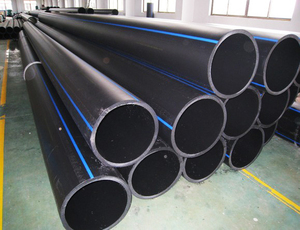
6 Double Wall Corrugated Pipe represents a significant advancement in subsurface drainage and infrastructure solutions. Positioned as a direct replacement for traditional solid-wall PVC and concrete pipe in many applications, these pipes offer a superior balance of strength, flexibility, and cost-effectiveness. Technically, they consist of a smooth interior wall for optimal flow and a corrugated exterior wall providing structural rigidity. This construction minimizes material usage while maximizing performance. Core performance characteristics include high load-bearing capacity, resistance to crushing and impact, and excellent long-term durability. The primary industry application areas include stormwater management, sanitary sewer systems, agricultural drainage, and culvert applications. A critical pain point addressed by this product is the increasing demand for lightweight, easily installable, and corrosion-resistant piping solutions in challenging soil conditions. This guide will provide a comprehensive technical overview of the material science, manufacturing processes, performance characteristics, and potential failure modes associated with 6 Double Wall Corrugated Pipe.
Material Science & Manufacturing
The predominant material used in the manufacture of 6 Double Wall Corrugated Pipe is Polypropylene (PP), specifically High-Density Polypropylene (HDPE). PP offers a compelling combination of chemical resistance, tensile strength (typically 20-30 MPa), and flexibility. The raw material is sourced from petrochemical refining and undergoes rigorous quality control to ensure consistency in melt flow index, density, and molecular weight distribution. Manufacturing begins with the extrusion of both the inner and outer layers. The smooth inner wall is created via a standard extrusion process, precisely controlling die temperature (180-220°C) and screw speed (30-60 RPM) to maintain dimensional accuracy and surface finish. The corrugated outer wall is formed using a specialized corrugating machine. This process involves heating a PP sheet to its plastic state and then passing it through a series of contoured rollers that create the characteristic corrugated profile. Key parameters in this stage include roller temperature (150-180°C), roller pressure (5-10 MPa), and corrugation pitch (typically 6-10 mm). The inner and outer layers are then united via a winding process, securing them together and forming the complete pipe structure. Post-manufacturing, pipes undergo hydrostatic pressure testing (typically 0.8 MPa for 15 minutes) to verify integrity and leak resistance. Chemical compatibility is a key consideration; PP exhibits excellent resistance to most acids, bases, and salts commonly found in soil and wastewater, though prolonged exposure to strong oxidizing agents should be avoided.
Performance & Engineering
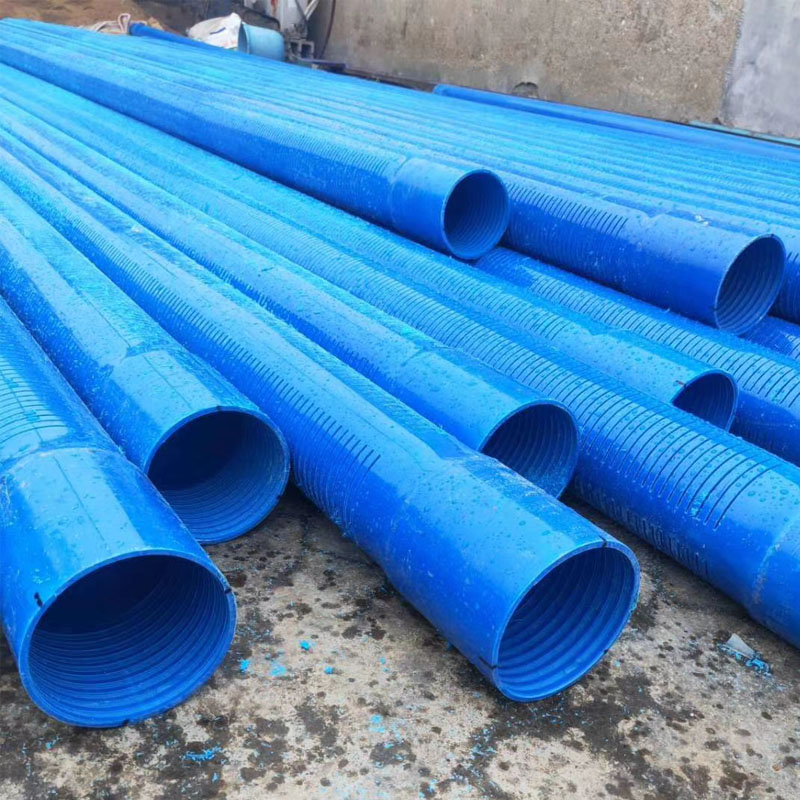
Performance of 6 Double Wall Corrugated Pipe is dictated by its structural integrity under load. This is primarily assessed through ring stiffness testing (ASTM D2412), which measures the pipe’s resistance to flattening under a radial load. Typical ring stiffness values range from 0.20 to 0.60 kN/m depending on pipe diameter and wall thickness. The corrugated structure provides significant buckling resistance, allowing the pipe to withstand substantial soil overburden. Force analysis, utilizing Finite Element Analysis (FEA) modeling, is routinely employed during design to optimize corrugation profile and wall thickness for specific load conditions. Environmental resistance is also critical. While PP itself is UV stable to a degree, prolonged exposure to direct sunlight can lead to degradation and embrittlement. Therefore, the addition of UV stabilizers (typically carbon black) is standard practice. Compliance requirements are governed by a range of standards, including ASTM F894 (Standard Specification for Large Diameter Corrugated Polyethylene Pipe for Storm Drains and Culverts) and AASHTO M294 (Standard Specification for Corrugated Polyethylene Pipe, 280 mm to 900 mm). Installation practices, adhering to guidelines from the manufacturer and relevant industry bodies, are crucial to ensure optimal performance and longevity. Improper bedding and backfill can lead to excessive stress concentration and premature failure.
Technical Specifications
| Diameter (mm) | Ring Stiffness (kN/m) | Wall Thickness (mm) | Burst Pressure (MPa) |
|---|---|---|---|
| 300 | 0.35 | 3.0 | 1.2 |
| 450 | 0.45 | 3.5 | 1.5 |
| 600 | 0.55 | 4.0 | 1.8 |
| 750 | 0.60 | 4.5 | 2.0 |
| 900 | 0.60 | 5.0 | 2.2 |
| 1200 | 0.50 | 5.5 | 2.5 |
Failure Mode & Maintenance
Several failure modes can affect the long-term performance of 6 Double Wall Corrugated Pipe. Fatigue cracking, particularly in areas of high stress concentration (e.g., joints, bell and spigot connections), can occur due to repeated loading and unloading. Delamination, the separation of the inner and outer layers, can be caused by improper installation, poor bedding, or exposure to aggressive chemicals. Oxidation and UV degradation can lead to embrittlement of the PP material, reducing its impact resistance. Soil settlement and differential movement can induce excessive bending stresses, causing pipe distortion or cracking. Creep, the gradual deformation under sustained load, is another potential concern, particularly at elevated temperatures. Regular inspection, involving visual assessment for cracks, deformation, and joint integrity, is recommended. Maintenance typically involves repairing minor cracks with specialized patching compounds or replacing damaged sections of pipe. Proper bedding and backfill are essential preventative measures. In areas prone to soil settlement, the use of granular bedding material and controlled compaction techniques can minimize stress concentration. Avoiding contact with strong oxidizing agents and ensuring adequate UV protection will also extend the service life of the pipe.
Industry FAQ
Q: What is the long-term creep performance of this pipe, and how does it compare to solid-wall PVC?
A: Creep performance is a critical factor, particularly under sustained load. While PP exhibits some creep, it is generally comparable to, and in some cases better than, solid-wall PVC, especially at higher temperatures. The corrugated structure provides inherent stability, distributing the load more evenly and reducing stress concentration. Accelerated creep testing is conducted to predict long-term performance, typically projecting service life exceeding 50 years under normal operating conditions.
Q: How does the corrugated design impact hydraulic flow compared to smooth-bore pipe?
A: While the corrugations introduce some degree of flow turbulence, the smooth inner wall minimizes friction losses. Hydraulic modeling demonstrates that flow capacity is comparable to, and often exceeds, that of smooth-bore PVC pipe of the same diameter, due to the increased internal volume and optimized flow characteristics.
Q: What is the recommended bedding and backfill material for optimal performance?
A: Granular material, such as well-graded sand and gravel, is recommended for bedding and initial backfill to provide uniform support and promote proper load distribution. Compaction should be controlled to avoid over-compaction, which can induce stress concentration. Clay-rich soils should be avoided as bedding material due to their potential for swelling and shrinking.
Q: What is the temperature range for successful installation, and how does temperature affect the pipe's properties?
A: Installation should ideally be conducted between 0°C and 30°C. Below 0°C, the material can become brittle. Above 30°C, the material becomes more flexible and susceptible to deformation during handling and installation. Temperature fluctuations also influence creep performance, with higher temperatures accelerating creep rates.
Q: What is the impact of chemical exposure on the lifespan of the pipe, and are there any chemicals to avoid?
A: PP is highly resistant to most common soil and wastewater chemicals. However, prolonged exposure to strong oxidizing agents (e.g., concentrated nitric acid, sulfuric acid) should be avoided, as these can cause degradation. Detailed chemical compatibility charts are available to guide material selection for specific applications.
Conclusion
6 Double Wall Corrugated Pipe offers a robust and cost-effective solution for a wide range of drainage and infrastructure applications. Its combination of high strength, flexibility, and corrosion resistance addresses key pain points in the industry, providing a durable and long-lasting alternative to traditional piping materials. The careful selection of PP material, coupled with precise manufacturing control, ensures consistent product quality and performance.
Continued advancements in material science and manufacturing techniques will further enhance the performance and sustainability of these pipes. Future developments may include the incorporation of recycled materials, the development of enhanced UV stabilizers, and the optimization of corrugation profiles for specific load conditions. Proper installation and ongoing maintenance remain critical to maximizing the service life and ensuring the long-term reliability of 6 Double Wall Corrugated Pipe systems.
-
DN25 HDPE Compression Fitting-HORON INTERNATIONAL|Reliable Irrigation Solutions
NewsFeb.11,2026
-
china use of pvc pipe Performance Analysis
News2026-05-24
-
china 50mm pvc pipe price Performance Analysis
News2026-05-24
-
china ppr pipe 50mm price Performance Analysis
News2026-05-24
-
china hdpe coupler price Performance Analysis
News2026-05-24
-
china white pvc pipe Performance Analysis
News2026-05-24
-
china 100mm pvc pipe price Performance Analysis
News2026-05-23
-
china pvc pipe used for Performance Analysis
News2026-05-23
-
china ppr water pipe fittings Performance Analysis
News2026-05-23
-
china hdpe pipe couplings Performance Analysis
News2026-05-23
-
china 50mm ppr pipe price Performance Analysis
News2026-05-23
-
china corrugated hdpe pipe fittings Performance Analysis
News2026-05-22
-
china ppr pipe for hot water Performance Analysis
News2026-05-22
-
china ppr Technical Performance Analysis
News2026-05-22
-
china corrugated dual wall pipe Performance Analysis
News2026-05-22
-
china sink inlet pipe Material Performance Analysis
News2026-05-22