

Feb . 11, 2026 00:01 Back to list
32mm pvc pipe product Performance Analysis
Introduction
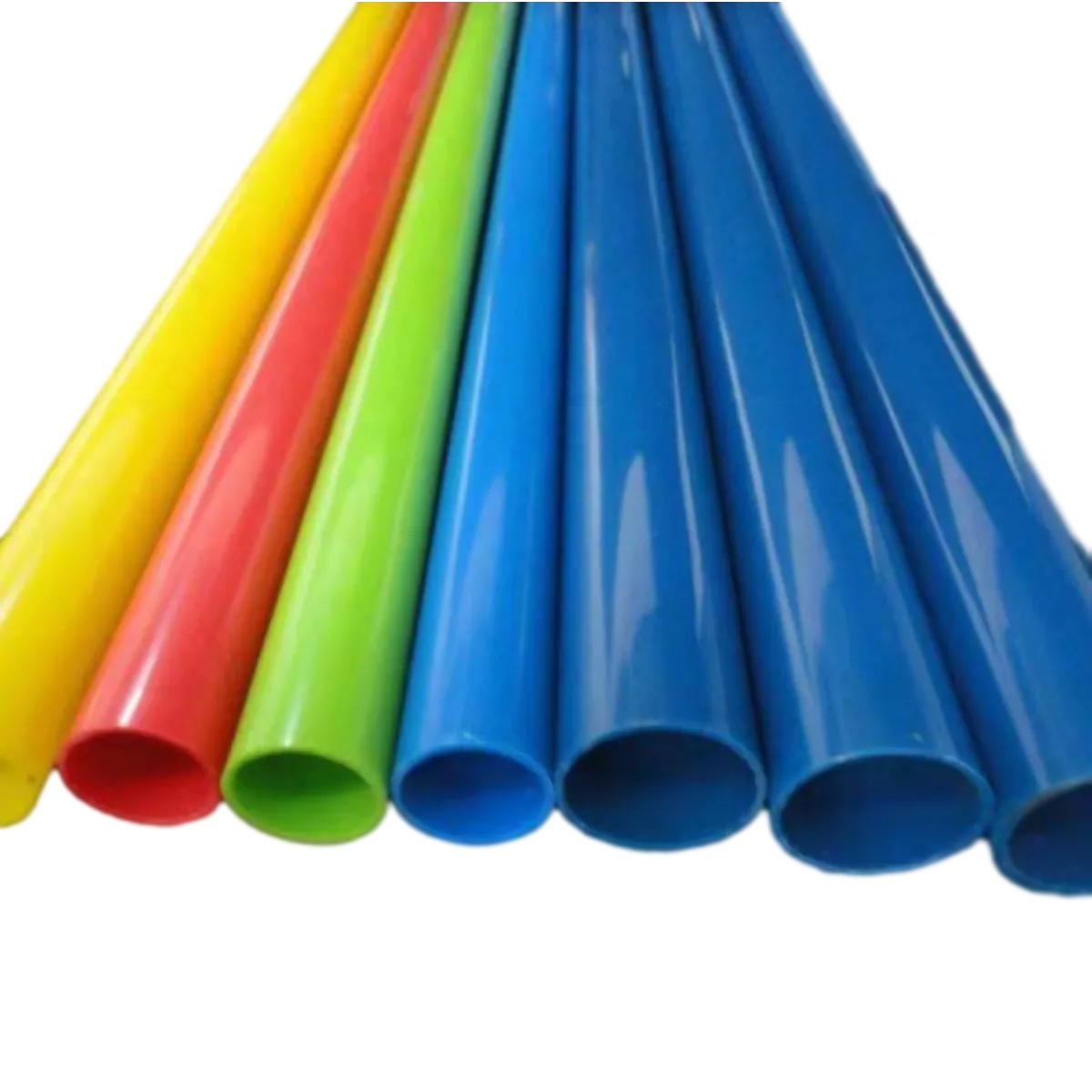
32mm Polyvinyl Chloride (PVC) pipe is a widely utilized thermoplastic piping system across diverse industrial, commercial, and residential applications. Positioned within the broader polymer piping landscape – competing with materials such as polyethylene (PE), chlorinated polyvinyl chloride (CPVC), and metal piping – its prominence stems from a favorable combination of cost-effectiveness, durability, and ease of installation. This guide provides an in-depth technical analysis of 32mm PVC pipe, covering material science, manufacturing processes, performance characteristics, potential failure modes, and relevant industry standards. Its primary applications include potable water distribution, irrigation, drainage, wastewater management, and conduit for electrical wiring. A key performance attribute is its high tensile strength relative to its weight, alongside excellent chemical resistance, making it suitable for a wide range of fluid and chemical transport scenarios. The 32mm diameter corresponds to a nominal pipe size, indicating the approximate internal diameter, and is a frequently employed dimension for residential and light commercial plumbing systems.
Material Science & Manufacturing
The fundamental material of 32mm PVC pipe is a thermoplastic polymer derived from the vinyl chloride monomer (VCM). Polyvinyl Chloride exhibits amorphous characteristics, contributing to its relative brittleness, though plasticizers are commonly added to enhance flexibility. The resin itself is a white, odorless powder. Critical raw materials beyond PVC resin include stabilizers (typically calcium-zinc or lead-based, though lead is being phased out due to environmental concerns), lubricants (to facilitate processing), impact modifiers (e.g., acrylic polymers), and processing aids. Manufacturing typically proceeds via extrusion. PVC resin, along with additives, is fed into a hopper and conveyed to an extruder. The extruder consists of a screw that melts and homogenizes the material under heat and pressure. The molten PVC is then forced through a die, forming a continuous pipe. Key process parameters requiring strict control are extrusion temperature (typically 180-220°C), screw speed, die pressure, and cooling rate. Cooling is crucial to solidify the pipe and maintain dimensional accuracy. The pipe is then cut to length, tested for quality (pressure testing, dimensional checks), and marked with relevant specifications. Material density typically ranges from 1.38 to 1.40 g/cm³. The chemical compatibility of PVC with various fluids is a critical consideration, as prolonged exposure to certain solvents or aggressive chemicals can lead to degradation and failure. Its amorphous structure, though advantageous in certain respects, necessitates careful consideration of temperature limitations, as it exhibits a relatively low glass transition temperature (~80°C).
Performance & Engineering
The performance of 32mm PVC pipe is governed by several critical engineering properties. Tensile strength, typically around 55-65 MPa, dictates its ability to withstand internal pressure and external loads. Its modulus of elasticity (Young's modulus) is approximately 3-4 GPa, indicating its stiffness. A significant design consideration is the hydrostatic pressure rating, determined through rigorous testing according to standards like ASTM D1785. This rating defines the maximum internal water pressure the pipe can safely withstand at a specified temperature (typically 23°C). Long-term hydrostatic strength is also crucial, accounting for the gradual reduction in strength over time due to creep. Environmental resistance is another key factor. PVC exhibits excellent resistance to many acids, alkalis, and salts, but is susceptible to degradation by strong oxidizing agents, aromatic hydrocarbons, and ketones. UV exposure can also lead to embrittlement and discoloration; therefore, UV stabilizers are often incorporated into the formulation, or the pipe is protected from direct sunlight. Installation practices significantly influence performance. Proper jointing techniques (solvent welding, threaded connections, or rubber gasket systems) are essential to maintain pressure integrity. The coefficient of thermal expansion is relatively high (approximately 8 x 10⁻⁵ /°C), necessitating allowance for expansion and contraction in long pipeline runs to prevent stress buildup and potential failure. Force analysis during installation and operation must consider bending moments, axial loads, and shear stresses to ensure structural integrity. Compliance with local building codes and plumbing regulations is paramount.
Technical Specifications
| Parameter | Unit | Typical Value (Schedule 40) | Typical Value (Schedule 80) |
|---|---|---|---|
| Nominal Pipe Size | mm | 32 | 32 |
| Outside Diameter | mm | 35.5 | 38.1 |
| Inside Diameter | mm | 31.7 | 28.6 |
| Wall Thickness | mm | 1.9 | 2.8 |
| Pressure Rating (23°C) | MPa | 1.0 | 1.6 |
| Tensile Strength | MPa | 55-65 | 55-65 |
| Density | g/cm³ | 1.38-1.40 | 1.38-1.40 |
Failure Mode & Maintenance
32mm PVC pipe is susceptible to several failure modes in practical applications. Brittle fracture, particularly at low temperatures or due to impact loading, is a common concern. Long-term creep, especially under sustained pressure and elevated temperatures, can lead to dimensional changes and eventual failure. Chemical attack from incompatible fluids can cause swelling, softening, or cracking. UV degradation results in embrittlement and loss of impact resistance. Joint failures are frequent, often stemming from improper solvent welding techniques (insufficient solvent, inadequate drying time, improper fit) or gasket failure. Fatigue cracking can occur in systems subject to cyclical pressure or vibration. Failure analysis typically involves visual inspection (identifying cracks, discoloration, or swelling), hydrostatic testing (locating leaks), and material testing (assessing tensile strength and chemical resistance). Preventive maintenance includes regular visual inspections for signs of damage, ensuring proper support and anchoring to prevent stress concentration, and avoiding exposure to incompatible chemicals. Periodic pressure testing can verify system integrity. When repairing a leak, proper cleaning and priming are essential before solvent welding. Replacement of damaged sections should be performed using compatible materials and techniques. For significant damage or widespread deterioration, a complete system replacement may be necessary. Protecting exposed pipe from UV radiation with paint or shielding can extend its service life.
Industry FAQ
Q: What is the impact of water hammer on 32mm PVC pipe systems?
A: Water hammer, caused by the sudden change in flow velocity, generates pressure surges that can exceed the pipe's pressure rating. In 32mm PVC pipe, these surges can lead to brittle fracture, particularly at joints. Mitigating water hammer requires installing water hammer arrestors, employing slow-closing valves, and ensuring proper pipe anchoring to absorb shock loads. The pipe's schedule (40 vs. 80) impacts its resistance; Schedule 80 offers a higher pressure rating and therefore greater resilience.
Q: How does temperature affect the performance of 32mm PVC pipe?
A: Elevated temperatures reduce the tensile strength and increase the creep rate of PVC. While suitable for conveying water up to 60°C, prolonged exposure to higher temperatures can lead to premature failure. Low temperatures increase brittleness, making the pipe more susceptible to fracture, especially under impact. The glass transition temperature (~80°C) represents an upper limit beyond which the material loses its structural integrity.
Q: What are the key considerations for solvent welding 32mm PVC pipe?
A: Proper solvent welding is critical for maintaining pressure integrity. Surfaces must be clean, dry, and free of grease. Use a primer specifically designed for PVC. Apply the solvent cement evenly, ensuring complete coverage of both surfaces. Immediately join the components with a slight twisting motion. Allow sufficient curing time (typically 24 hours) before pressurizing the system. Incorrect solvent welding often results in joint leaks or failures.
Q: What is the difference between Schedule 40 and Schedule 80 PVC pipe, and when should each be used?
A: Schedule 40 PVC pipe has thinner walls and a lower pressure rating, making it suitable for lower-pressure applications like residential irrigation and drainage. Schedule 80 has thicker walls and a higher pressure rating, making it ideal for higher-pressure applications, industrial processes, and situations where greater durability is required. The choice depends on the specific operating conditions and safety factors.
Q: How can I prevent UV degradation of 32mm PVC pipe installed outdoors?
A: Prolonged UV exposure causes PVC to become brittle and discolored. To prevent this, paint the pipe with a UV-resistant coating, cover it with opaque shielding, or select a PVC formulation that includes UV stabilizers. Regular inspection for signs of UV degradation is also recommended.
Conclusion
32mm PVC pipe remains a prevalent and cost-effective solution for a broad spectrum of fluid conveyance applications. Its performance, however, is intrinsically linked to material properties, meticulous manufacturing control, proper installation techniques, and an understanding of potential failure modes. The selection of the appropriate schedule (40 or 80) and adherence to relevant industry standards are paramount for ensuring long-term reliability and safety.
Future developments in PVC pipe technology may focus on enhancing its impact resistance at low temperatures, improving its resistance to specific chemicals, and incorporating more sustainable formulations with reduced environmental impact. Continuous monitoring of industry standards and advancements in polymer science will be crucial for optimizing the performance and lifespan of 32mm PVC pipe systems.
-
DN25 HDPE Compression Fitting-HORON INTERNATIONAL|Reliable Irrigation Solutions
NewsFeb.11,2026
-
china use of pvc pipe Performance Analysis
News2026-05-24
-
china 50mm pvc pipe price Performance Analysis
News2026-05-24
-
china ppr pipe 50mm price Performance Analysis
News2026-05-24
-
china hdpe coupler price Performance Analysis
News2026-05-24
-
china white pvc pipe Performance Analysis
News2026-05-24
-
china 100mm pvc pipe price Performance Analysis
News2026-05-23
-
china pvc pipe used for Performance Analysis
News2026-05-23
-
china ppr water pipe fittings Performance Analysis
News2026-05-23
-
china hdpe pipe couplings Performance Analysis
News2026-05-23
-
china 50mm ppr pipe price Performance Analysis
News2026-05-23
-
china corrugated hdpe pipe fittings Performance Analysis
News2026-05-22
-
china ppr pipe for hot water Performance Analysis
News2026-05-22
-
china ppr Technical Performance Analysis
News2026-05-22
-
china corrugated dual wall pipe Performance Analysis
News2026-05-22
-
china sink inlet pipe Material Performance Analysis
News2026-05-22