

Feb . 11, 2026 00:01 Back to list
32mm pvc pipe manufacturers Technical Analysis
Introduction
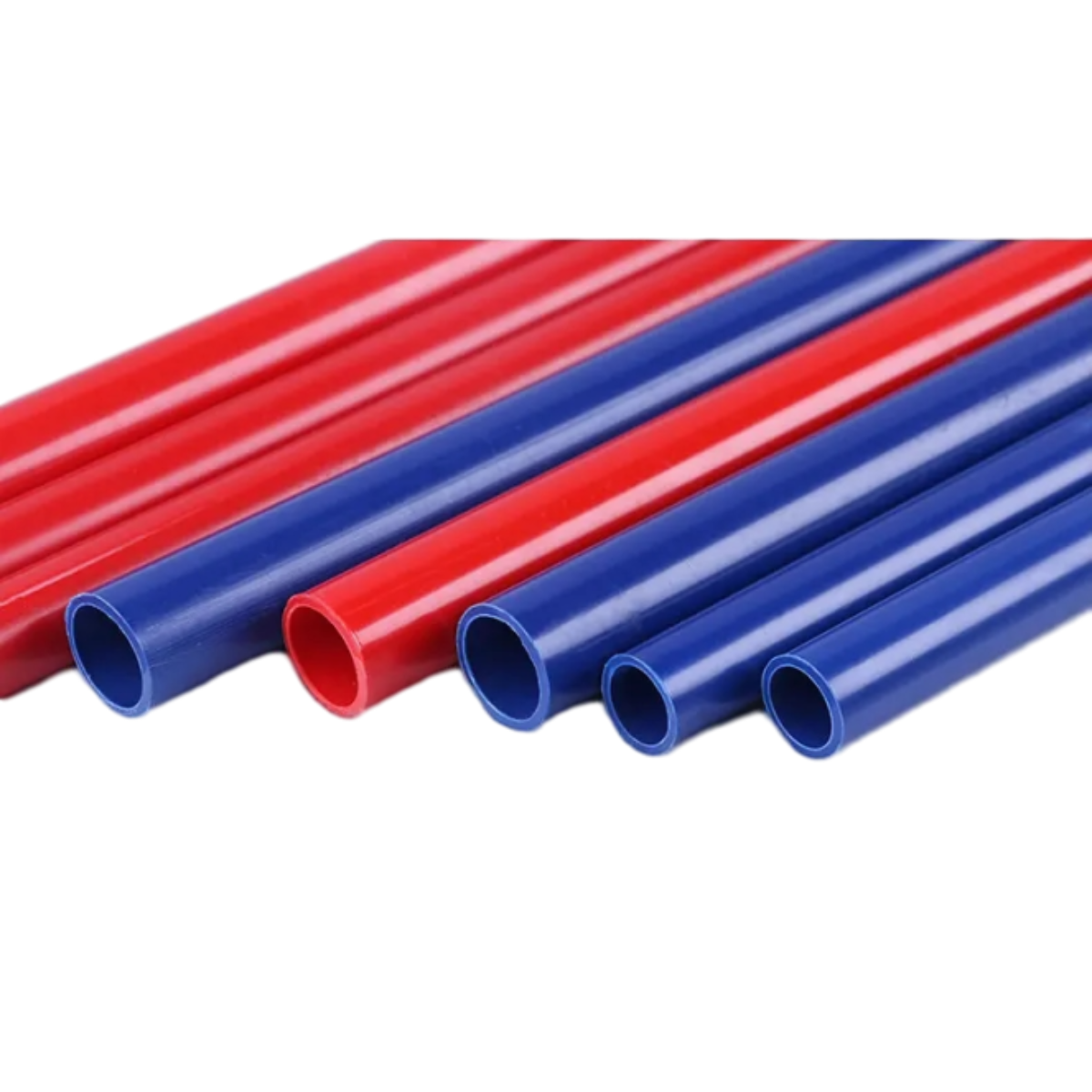
32mm Polyvinyl Chloride (PVC) pipe represents a critical component in a diverse range of infrastructure and industrial applications, including water distribution, irrigation, drainage, and conduit for electrical wiring. Its prevalence stems from a favorable combination of cost-effectiveness, durability, and ease of installation. Within the broader PVC pipe manufacturing industry, the 32mm diameter is a frequently specified size, balancing flow capacity with manageable handling and jointing requirements. This guide provides an in-depth technical analysis of 32mm PVC pipe, covering material science, manufacturing processes, performance characteristics, failure modes, and relevant industry standards, aimed at engineers, procurement professionals, and quality control personnel. Core performance metrics center around pressure rating (PN), tensile strength, impact resistance, and long-term hydrostatic strength, all crucial factors in ensuring system integrity and longevity. A key pain point in the industry revolves around consistent quality control to prevent premature failures due to material defects or improper manufacturing parameters, leading to costly repairs and potential system downtime.
Material Science & Manufacturing
The primary raw material for 32mm PVC pipe is Polyvinyl Chloride, a thermoplastic polymer produced by the polymerization of vinyl chloride monomer (VCM). PVC resin exists in various grades, differing in molecular weight distribution and the levels of plasticizers added. For pipe applications, unplasticized PVC (uPVC) is universally employed to maximize rigidity and strength. Other essential additives include heat stabilizers (typically organotin compounds or calcium-zinc stabilizers) to prevent thermal degradation during processing, lubricants to facilitate extrusion, and impact modifiers (such as acrylic impact modifiers) to enhance toughness. The manufacturing process typically involves extrusion. PVC compound is fed into a single-screw or twin-screw extruder, where it is heated, melted, and homogenized. The molten PVC is then forced through a die of the desired 32mm diameter and wall thickness. Precise temperature control within the extruder is vital – too low, and the PVC won’t melt adequately, leading to processing defects; too high, and thermal degradation can occur, compromising the material’s properties. Extrusion parameters, including screw speed, die temperature, and haul-off speed, are carefully controlled to maintain dimensional accuracy and surface finish. Following extrusion, the pipe is cooled in a water bath and cut to length. Quality control checks at this stage involve dimensional measurements, hydrostatic pressure testing, and visual inspection for surface defects. Jointing methods such as solvent cementing or rubber ring joints require careful consideration of surface preparation and proper application techniques to achieve leak-proof seals. The inherent chemical resistance of PVC is dependent on the specific formulation; exposure to strong oxidizing agents or aromatic hydrocarbons can lead to degradation.
Performance & Engineering
The performance of 32mm PVC pipe is dictated by its ability to withstand internal pressure, external loads, and environmental stresses. Hydrostatic pressure testing, conducted according to standards like ASTM D1785, verifies the pipe’s resistance to bursting under internal pressure. The pressure rating (PN) is a crucial parameter, indicating the maximum operating pressure at a given temperature. Engineering analysis involves calculating hoop stress – the stress induced in the pipe wall due to internal pressure. This stress is directly related to the pipe’s diameter, wall thickness, and the internal pressure. External loads, such as soil cover in buried applications, necessitate consideration of the pipe’s bending modulus and resistance to ovalization. The long-term hydrostatic strength (LTHS) is a critical design parameter, accounting for the gradual reduction in strength due to creep and stress cracking over time. This is typically assessed through accelerated aging tests. Temperature significantly influences PVC’s mechanical properties; increasing temperature reduces tensile strength, impact resistance, and LTHS. UV exposure can also degrade PVC, causing discoloration and embrittlement, necessitating the use of UV stabilizers in exposed applications. Compliance with relevant building codes and regulations (e.g., NSF/ANSI 61 for potable water systems) is mandatory to ensure safe and reliable performance. Furthermore, the coefficient of thermal expansion of PVC must be considered in piping system design to accommodate temperature fluctuations and prevent stress build-up.
Technical Specifications
| Parameter | Units | Typical Value (Schedule 40) | Typical Value (Schedule 80) |
|---|---|---|---|
| Nominal Pipe Size | mm | 32 | 32 |
| Outside Diameter | mm | 35.5 | 35.5 |
| Wall Thickness | mm | 2.4 | 3.2 |
| Pressure Rating (PN) @ 23°C | bar | 10 | 15 |
| Tensile Strength | MPa | 55 | 55 |
| Impact Strength (Izod Notched) | kJ/m² | 5 | 7 |
| Long-Term Hydrostatic Strength (LTHS) @ 23°C | % of Short-Term Strength | 48 | 48 |
Failure Mode & Maintenance
32mm PVC pipe can experience various failure modes during its service life. Stress cracking, caused by sustained tensile stress in the presence of aggressive chemicals, is a common failure mechanism, particularly in buried applications exposed to contaminated soil. Fatigue cracking can occur due to cyclical pressure fluctuations or mechanical vibrations. Impact damage, resulting from accidental strikes, can cause localized cracking or complete rupture. UV degradation leads to embrittlement and cracking in exposed areas. Joint failures are frequently observed due to improper solvent cementing techniques, inadequate surface preparation, or the use of incompatible materials. Delamination can occur if the PVC compound is not properly mixed or if moisture ingress occurs during processing. Preventative maintenance involves regular visual inspections for cracks, discoloration, or deformation. Proper backfilling procedures for buried pipelines are crucial to minimize external stress. Avoiding exposure to incompatible chemicals and protecting the pipe from direct sunlight can extend its service life. If cracks are detected, repairs can be attempted using appropriate patching compounds or by replacing the damaged section of pipe. Regular pressure testing can help identify potential leaks before they escalate into major failures. Maintaining detailed records of installation dates, operating conditions, and maintenance activities is essential for effective long-term asset management.
Industry FAQ
Q: What is the impact of different soil types on the long-term performance of buried 32mm PVC pipe?
A: Soil type significantly influences performance. Corrosive soils (high in sulfates or chlorides) can accelerate chemical attack on the PVC. Highly granular soils offer less support, increasing the risk of pipe deflection and stress cracking. Clay soils can exert significant external pressure, requiring a higher pipe stiffness rating. Proper bedding and backfilling practices, including the use of granular bedding material and appropriate compaction, are essential to mitigate these risks.
Q: How does the choice of solvent cement affect the long-term integrity of PVC joints?
A: The solvent cement must be specifically formulated for PVC and compatible with the pipe material. Using an incorrect cement can result in weak joints prone to leakage. Proper application is crucial; insufficient cement leads to incomplete fusion, while excessive cement can weaken the joint. Surface preparation – cleaning and priming – is vital to remove contaminants and ensure a strong bond.
Q: What are the key differences between Schedule 40 and Schedule 80 PVC pipe, and when should each be used?
A: Schedule 80 pipe has a thicker wall than Schedule 40, resulting in a higher pressure rating and greater rigidity. Schedule 40 is suitable for lower-pressure applications, such as irrigation and cold water distribution. Schedule 80 is preferred for higher-pressure systems, industrial applications, and situations where greater mechanical strength is required.
Q: Can 32mm PVC pipe be used for hot water applications?
A: Generally, no. Standard PVC softens at elevated temperatures and is not suitable for continuous hot water service. CPVC (Chlorinated Polyvinyl Chloride) is a modified PVC material that can withstand higher temperatures and is specifically designed for hot water applications. Using standard PVC for hot water can lead to pipe deformation and failure.
Q: What are the common causes of discoloration in PVC pipe, and does it always indicate a problem?
A: Discoloration can be caused by UV exposure, oxidation, or the presence of certain chemicals. Mild discoloration due to UV exposure is often cosmetic and does not necessarily compromise the pipe’s structural integrity, provided the pipe hasn’t become brittle. However, severe discoloration accompanied by cracking or embrittlement indicates degradation and requires further investigation.
Conclusion
The 32mm PVC pipe stands as a versatile and cost-effective solution for numerous piping applications. Its widespread adoption is underpinned by its robust chemical resistance, ease of installation, and generally long service life. However, achieving optimal performance and reliability necessitates a thorough understanding of the material's properties, manufacturing processes, and potential failure modes. Careful consideration of external factors – such as soil conditions, operating temperature, and chemical exposure – is critical during the design and installation phases.
Looking forward, advancements in PVC formulations, including the incorporation of nanotechnology and bio-based additives, are likely to further enhance the material’s performance and sustainability. Continued adherence to rigorous quality control standards and the implementation of advanced inspection techniques will be essential to maintain the integrity of PVC piping systems and ensure their long-term reliability. Proper maintenance programs and proactive leak detection strategies will play a pivotal role in maximizing asset life and minimizing operational disruptions.
-
DN25 HDPE Compression Fitting-HORON INTERNATIONAL|Reliable Irrigation Solutions
NewsFeb.11,2026
-
china 100mm pvc pipe price Performance Analysis
News2026-05-23
-
china pvc pipe used for Performance Analysis
News2026-05-23
-
china ppr water pipe fittings Performance Analysis
News2026-05-23
-
china hdpe pipe couplings Performance Analysis
News2026-05-23
-
china 50mm ppr pipe price Performance Analysis
News2026-05-23
-
china corrugated hdpe pipe fittings Performance Analysis
News2026-05-22
-
china ppr pipe for hot water Performance Analysis
News2026-05-22
-
china ppr Technical Performance Analysis
News2026-05-22
-
china corrugated dual wall pipe Performance Analysis
News2026-05-22
-
china sink inlet pipe Material Performance Analysis
News2026-05-22
-
china 1 2 inch pvc Performance Analysis
News2026-05-21
-
china hdpe pipe joint coupler Performance Analysis
News2026-05-21
-
china ppr pipes and fittings price list Technical Analysis
News2026-05-21
-
china 9 inch pvc pipe price Performance Analysis
News2026-05-21
-
china 2 inch borewell column pipe price Performance Engineering
News2026-05-21