

Feb . 11, 2026 00:01 Back to list
32mm pvc pipe factory Manufacturing Analysis
Introduction
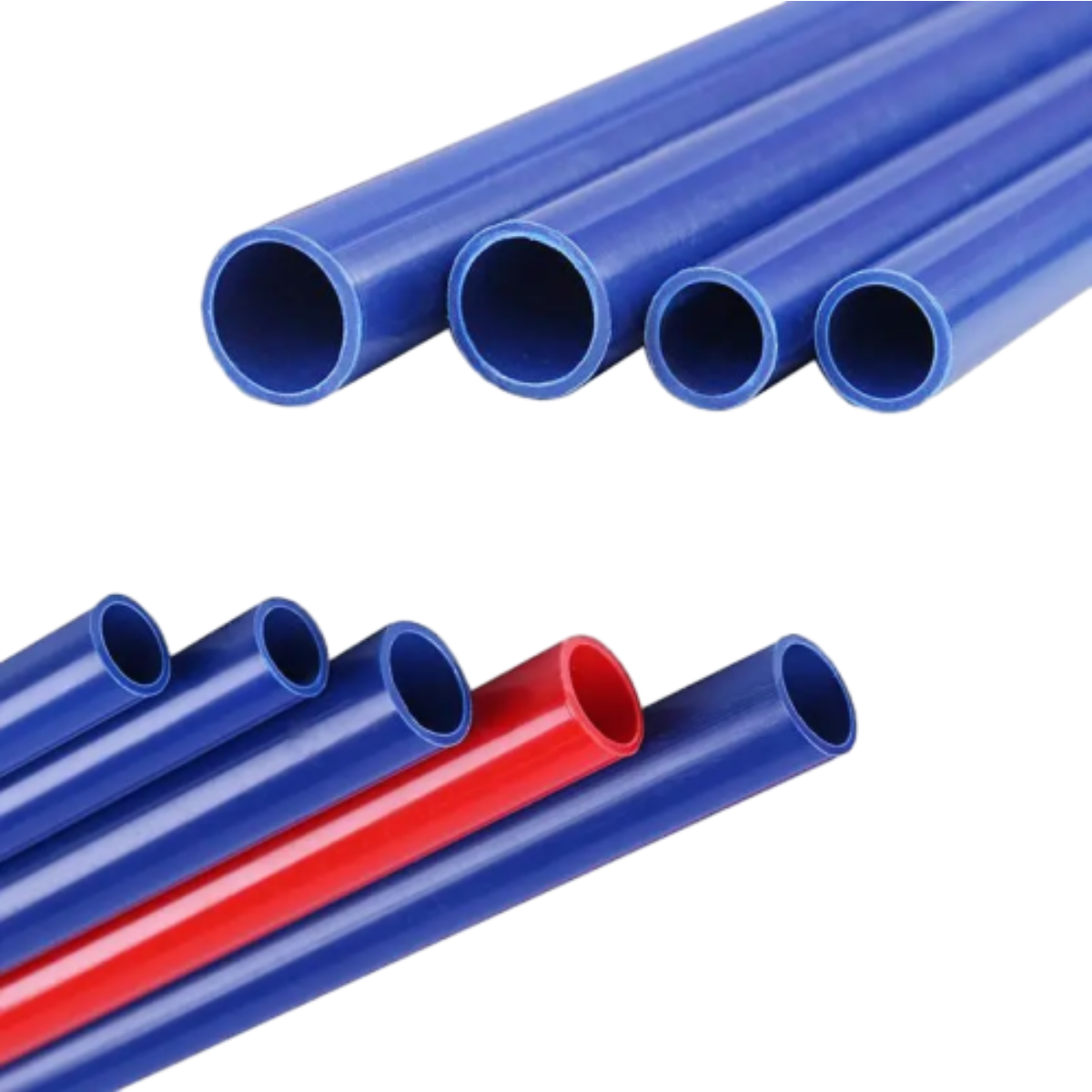
32mm Polyvinyl Chloride (PVC) pipe represents a critical component in numerous fluid transfer systems across industries including potable water distribution, irrigation, drainage, and industrial processing. This technical guide provides an in-depth analysis of 32mm PVC pipe, covering its material science, manufacturing processes, performance characteristics, potential failure modes, and relevant industry standards. Its prevalence stems from its cost-effectiveness, corrosion resistance, and relatively simple installation. However, proper material selection, manufacturing control, and installation practices are vital to ensure long-term performance and system integrity. This document aims to provide a comprehensive understanding for engineers, procurement managers, and technical personnel involved in the specification, acquisition, and utilization of 32mm PVC piping systems. The core performance characteristics center around pressure rating, tensile strength, and chemical inertness, all influenced by the specific PVC formulation and manufacturing method.
Material Science & Manufacturing
32mm PVC pipe is primarily manufactured from Polyvinyl Chloride resin, a thermoplastic polymer produced by the polymerization of vinyl chloride monomer (VCM). The base PVC resin is rarely used in its pure form. It is typically compounded with stabilizers (to prevent thermal degradation during processing), lubricants (to aid in extrusion), plasticizers (to enhance flexibility – particularly in flexible PVC applications, though less common in pressure-rated pipe), and impact modifiers (to increase toughness). The most common PVC compounds used for pressure-rated pipe are rigid PVC formulations. Key raw material properties include the K-value of the PVC resin (indicating molecular weight and impacting melt viscosity), the concentration and type of stabilizers (typically lead-based, calcium-zinc based, or organotin compounds - with increasing environmental preference for the latter two), and the TiO2 content (for UV resistance).
Manufacturing typically involves extrusion. PVC compound is fed into a single or twin-screw extruder, where it is heated and plastified. The molten PVC is then forced through a die, shaping it into a 32mm diameter pipe. Critical parameters during extrusion include barrel temperature profile (affecting melt viscosity and degradation), screw speed (influencing throughput and shear rate), die temperature (affecting surface finish), and haul-off speed (controlling pipe diameter and wall thickness). Following extrusion, the pipe is cooled, typically via water baths, and then cut to desired lengths. Quality control measures include dimensional checks (diameter, wall thickness, ovality), hydrostatic pressure testing (to verify burst pressure), and impact resistance testing. Post-extrusion processes may include bell end forming (for solvent welding) or threading (for threaded connections). The control of the cooling process is paramount; rapid cooling can induce residual stresses, potentially leading to premature failure.
Performance & Engineering
The performance of 32mm PVC pipe is governed by several engineering principles. Hydrostatic design stress (HDS) is a critical parameter, representing the long-term allowable stress within the pipe wall under internal pressure. HDS is determined through long-term hydrostatic pressure testing and is influenced by temperature; higher temperatures reduce HDS. Force analysis under internal pressure involves hoop stress (stress circumferentially around the pipe) and longitudinal stress (stress along the pipe length). These stresses are calculated using the Barlow’s formula and modified to account for temperature and safety factors. PVC pipe exhibits creep behavior, meaning it undergoes slow deformation under sustained stress. This is particularly important to consider in applications involving continuous pressure. Environmental resistance is another key consideration. PVC is susceptible to UV degradation, requiring the inclusion of UV stabilizers (typically TiO2) in the compound formulation. Chemical compatibility is also crucial; PVC is generally resistant to acids, bases, and salts, but can be affected by certain organic solvents and chlorinated hydrocarbons. Installation practices significantly impact performance. Proper bedding and backfilling are essential to prevent excessive stress concentrations and ensure long-term stability. Thermal expansion and contraction must also be accounted for, particularly in long pipeline runs, to prevent buckling or joint separation.
Technical Specifications
| Parameter | Typical Value (Schedule 40) | Typical Value (Schedule 80) | Testing Standard |
|---|---|---|---|
| Nominal Pipe Size | 32 mm (1.25 inch) | 32 mm (1.25 inch) | ASTM D1785 |
| Outside Diameter | 42.2 mm | 42.2 mm | ASTM D1785 |
| Wall Thickness | 2.0 mm | 2.4 mm | ASTM D1785 |
| Pressure Rating (at 23°C) | PN10 (1.0 MPa / 145 psi) | PN16 (1.6 MPa / 230 psi) | ISO 1452 |
| Tensile Strength | ≥ 55 MPa | ≥ 62 MPa | ASTM D638 |
| Impact Strength (Charpy, 23°C) | ≥ 5 kJ/m² | ≥ 7 kJ/m² | ISO 145-5 |
Failure Mode & Maintenance
32mm PVC pipe is susceptible to several failure modes. Brittle fracture can occur due to impact damage, especially at low temperatures. Stress cracking can develop under sustained tensile stress, particularly in the presence of corrosive chemicals. UV degradation leads to surface embrittlement and reduced mechanical properties. Long-term creep deformation can cause dimensional changes and joint leaks. Joint failures can occur due to improper solvent welding techniques (insufficient cement application, inadequate drying time) or mechanical stress. Microbial Influenced Corrosion (MIC) can occur in certain environments, leading to localized degradation. Failure analysis often involves visual inspection (identifying cracks, discoloration, or deformation), microscopic examination (assessing material microstructure and degradation), and mechanical testing (determining tensile strength, impact resistance, and hardness). Preventative maintenance includes periodic visual inspections, leak detection, and protection from physical damage. For buried pipelines, proper corrosion protection measures (e.g., cathodic protection) may be necessary in aggressive soil environments. Damaged sections should be replaced rather than repaired with patching compounds, as these repairs are often unreliable. Regular cleaning can prevent build-up of deposits that contribute to MIC.
Industry FAQ
Q: What is the impact of temperature on the pressure rating of 32mm PVC pipe?
A: The pressure rating of PVC pipe decreases as temperature increases. This is due to the reduction in the material’s tensile strength and increased creep rate at higher temperatures. De-rating factors are typically provided by manufacturers to adjust the pressure rating based on operating temperature. For example, a pipe rated for 1.0 MPa at 23°C might have a reduced rating at 40°C. Refer to the manufacturer’s specifications for specific de-rating factors.
Q: What are the key differences between Schedule 40 and Schedule 80 PVC pipe?
A: Schedule 40 and Schedule 80 refer to the nominal pipe wall thickness. Schedule 80 pipe has a thicker wall than Schedule 40 pipe. This results in a higher pressure rating and increased resistance to impact and abrasion. However, Schedule 80 pipe is more expensive and has a smaller internal diameter for the same nominal pipe size.
Q: What type of solvent cement should be used for joining 32mm PVC pipe?
A: The appropriate solvent cement depends on the specific PVC compound and the application. Generally, a primer and cement combination specifically designed for PVC pipe should be used. The cement should be compatible with the pipe material (e.g., Type I or Type II cement according to ASTM D2235). It’s critical to follow the manufacturer's instructions for surface preparation, cement application, and curing time.
Q: How can I mitigate the risk of stress cracking in PVC pipe?
A: Stress cracking can be mitigated by avoiding exposure to aggressive chemicals, reducing sustained tensile stress, and selecting a PVC compound with improved stress crack resistance. Proper installation practices, including adequate bedding and backfilling, can also help minimize stress concentrations. Using a PVC compound formulated with impact modifiers also enhances resistance.
Q: What are the long-term implications of UV exposure on PVC pipe?
A: Long-term UV exposure causes chain scission within the PVC polymer, leading to embrittlement, discoloration, and reduced mechanical properties. This can result in cracking and failure. To mitigate this, use PVC pipe formulations with UV stabilizers (typically TiO2) or protect the pipe from direct sunlight through shielding or burial.
Conclusion
32mm PVC pipe remains a prevalent material in fluid conveyance systems due to its favorable balance of cost, performance, and ease of installation. However, achieving optimal long-term performance demands a thorough understanding of its material properties, manufacturing processes, and potential failure modes. Proper material selection, adherence to established installation practices, and implementation of preventative maintenance programs are crucial for ensuring the integrity and reliability of PVC piping systems. A focus on controlled extrusion parameters, robust quality control, and appropriate compound formulation are essential for manufacturers.
Future developments in PVC technology focus on enhancing impact resistance, improving UV stability, and developing more environmentally friendly stabilizer formulations. Furthermore, advancements in non-destructive testing methods are expected to improve the accuracy and efficiency of pipe inspection and failure analysis. Continued adherence to relevant industry standards and best practices will be pivotal in maximizing the lifespan and minimizing the risk of failure in 32mm PVC pipe applications.
-
DN25 HDPE Compression Fitting-HORON INTERNATIONAL|Reliable Irrigation Solutions
NewsFeb.11,2026
-
china 100mm pvc pipe price Performance Analysis
News2026-05-23
-
china pvc pipe used for Performance Analysis
News2026-05-23
-
china ppr water pipe fittings Performance Analysis
News2026-05-23
-
china hdpe pipe couplings Performance Analysis
News2026-05-23
-
china 50mm ppr pipe price Performance Analysis
News2026-05-23
-
china corrugated hdpe pipe fittings Performance Analysis
News2026-05-22
-
china ppr pipe for hot water Performance Analysis
News2026-05-22
-
china ppr Technical Performance Analysis
News2026-05-22
-
china corrugated dual wall pipe Performance Analysis
News2026-05-22
-
china sink inlet pipe Material Performance Analysis
News2026-05-22
-
china 1 2 inch pvc Performance Analysis
News2026-05-21
-
china hdpe pipe joint coupler Performance Analysis
News2026-05-21
-
china ppr pipes and fittings price list Technical Analysis
News2026-05-21
-
china 9 inch pvc pipe price Performance Analysis
News2026-05-21
-
china 2 inch borewell column pipe price Performance Engineering
News2026-05-21