

Feb . 11, 2026 00:01 Back to list
PVC Piping discount what are pvc pipes used for Performance Analysis
Introduction
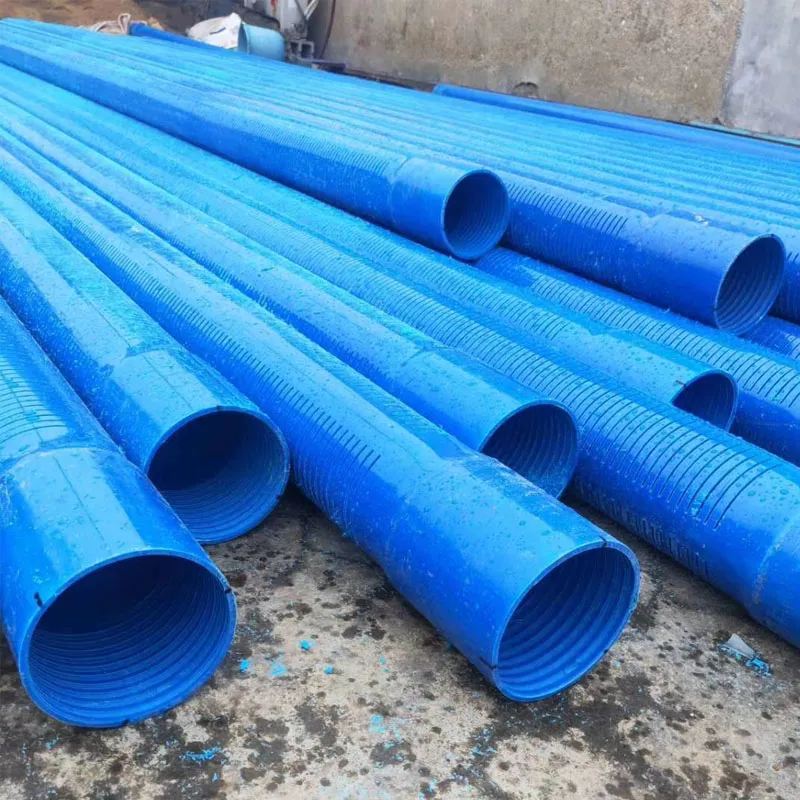
Polyvinyl chloride (PVC) piping represents a ubiquitous material within modern infrastructure, serving a vast array of applications ranging from potable water distribution and irrigation to sewage conveyance and industrial chemical transfer. Its widespread adoption stems from a compelling combination of cost-effectiveness, durability, and relative ease of installation. However, PVC is not a monolithic material; variations in formulation and manufacturing processes yield distinct property profiles tailored to specific performance demands. This technical guide provides a comprehensive analysis of PVC piping, delving into its material science, manufacturing processes, performance characteristics, potential failure modes, and relevant industry standards. Understanding these facets is crucial for engineering professionals, procurement managers, and maintenance personnel responsible for the design, specification, installation, and long-term operation of PVC piping systems. A core pain point in the industry revolves around proper material selection for specific chemical environments and pressure ratings, frequently resulting in premature failure if not adequately addressed. Correct specification requires a thorough understanding of PVC’s limitations alongside its advantages.
Material Science & Manufacturing
PVC is a thermoplastic polymer produced by the polymerization of vinyl chloride monomer (VCM). The resulting polymer chains, consisting of repeating -CH2-CHCl- units, are inherently rigid. Plasticizers, typically phthalates or adipates, are added during compounding to enhance flexibility and processability. The proportion of plasticizer significantly influences the final properties of the PVC compound. For rigid PVC (RPVC) used in pressure piping, plasticizer content is typically minimal (0-2%), maximizing strength and dimensional stability. Flexible PVC (FPVC), used in applications like irrigation tubing, contains substantially higher plasticizer levels (20-50%). Raw material purity is paramount; trace impurities can initiate degradation during processing or in service.
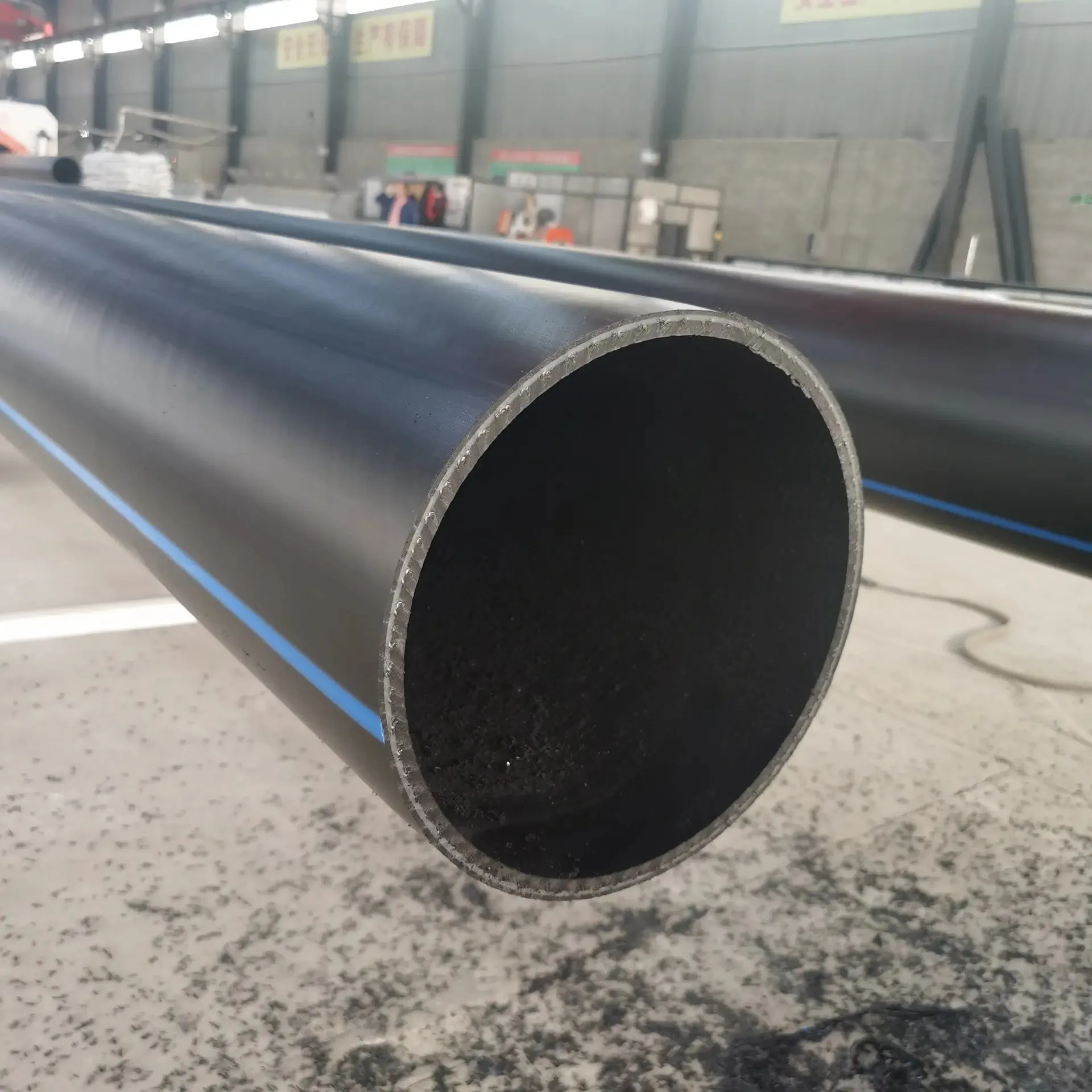
Manufacturing typically involves suspension polymerization of VCM, followed by compounding with additives such as stabilizers (to prevent thermal degradation), lubricants (to aid processing), and impact modifiers (to enhance toughness). Extrusion is the predominant method for producing PVC pipes. The PVC compound is fed into an extruder, where it is heated, melted, and forced through a die to create the desired pipe profile. Critical process parameters include extrusion temperature, die pressure, and cooling rate. Maintaining precise temperature control is vital to prevent thermal degradation and ensure consistent material properties. Jointing methods include solvent cementing (using a PVC-compatible solvent to fuse pipe sections), threaded connections, and gasketed joints. Solvent cementing relies on the partial dissolution of the PVC surfaces, creating a strong, homogenous weld. Proper surface preparation and application technique are essential for achieving a reliable seal.
Performance & Engineering
The performance of PVC piping is governed by several key engineering considerations. Hydrostatic pressure rating, determined through burst pressure testing (ASTM D1597), is a critical parameter dictating maximum operating pressure. This rating is influenced by pipe dimensions (diameter and wall thickness), material grade, and temperature. PVC exhibits a relatively low modulus of elasticity, resulting in greater deflection under load compared to metals. This necessitates careful consideration of pipe support spacing and burial depth to prevent excessive stress and potential failure. Chemical resistance is another crucial factor. While PVC demonstrates good resistance to many acids, bases, and salts, it is susceptible to degradation by certain organic solvents, ketones, and aromatic hydrocarbons. Long-term exposure to these chemicals can lead to swelling, cracking, and loss of mechanical properties.
Environmental resistance encompasses UV degradation and thermal effects. Prolonged exposure to ultraviolet radiation can cause surface chalking and embrittlement. UV stabilizers are typically added to PVC compounds used in outdoor applications to mitigate this effect. Temperature significantly influences PVC’s mechanical properties; elevated temperatures reduce strength and increase creep. The Glass Transition Temperature (Tg) of PVC is approximately 80-85°C. Operating temperatures exceeding this range can lead to softening and loss of structural integrity. Furthermore, PVC piping systems must be designed to accommodate thermal expansion and contraction. Expansion loops or flexible joints should be incorporated to prevent stress buildup due to temperature fluctuations. Compliance with relevant codes and standards (see Section 7) is non-negotiable, ensuring safe and reliable operation.
Technical Specifications
| Parameter | Schedule 40 PVC | Schedule 80 PVC | CPVC (Chlorinated PVC) | Flexible PVC |
|---|---|---|---|---|
| Material | Polyvinyl Chloride (PVC) | Polyvinyl Chloride (PVC) | Chlorinated Polyvinyl Chloride (CPVC) | Polyvinyl Chloride (PVC) with Plasticizers |
| Pressure Rating (psi @ 73°F) | 400 | 600 | 400-1000 (depending on temperature) | Varies significantly with formulation, typically <100 |
| Tensile Strength (psi) | 6,000 - 8,000 | 7,500 - 10,000 | 8,000 - 12,000 | 2,000 - 4,000 |
| Flexural Modulus (psi) | 300,000 - 350,000 | 350,000 - 400,000 | 400,000 - 500,000 | 50,000 - 150,000 |
| Operating Temperature Range (°F) | -40 to 140 | -40 to 140 | -40 to 180 | -20 to 60 |
| Chemical Resistance | Good to many acids, bases, salts | Good to many acids, bases, salts | Superior to PVC, resists higher temperatures & chemicals | Limited; susceptible to many solvents |
Failure Mode & Maintenance
PVC piping is susceptible to several failure modes, the prevalence of which depends on operating conditions and material quality. Brittle Fracture: Particularly common in colder temperatures or with impact loads, brittle fracture results from crack initiation and rapid propagation through the material. Proper material selection (impact-modified formulations) and careful handling during installation are crucial preventative measures. Stress Cracking: Sustained tensile stress, coupled with exposure to certain chemicals (e.g., chlorinated solvents), can induce stress cracking, leading to slow crack growth and eventual failure. Hydrostatic Fatigue: Repeated pressure fluctuations can induce fatigue cracking, especially near joints or fittings. Pressure surge control is essential to mitigate this risk. UV Degradation: Prolonged exposure to UV radiation causes surface chalking and embrittlement, reducing mechanical properties. UV-stabilized compounds and protective coatings are recommended for outdoor applications. Chemical Attack: Exposure to incompatible chemicals can cause swelling, softening, and dissolution of the PVC, leading to leaks or complete pipe failure.
Maintenance strategies should focus on preventative measures and early detection of potential problems. Regular visual inspections for signs of cracking, discoloration, or deformation are essential. Pressure testing should be conducted periodically to verify system integrity. Leaks should be repaired promptly using appropriate PVC repair materials and techniques. In cases of extensive damage or degradation, pipe replacement is necessary. It is critical to use compatible repair materials and techniques to avoid introducing new failure points. Furthermore, proper backfilling and soil compaction around buried pipes are vital to prevent external loads and movement that can contribute to stress cracking or fracture. Maintaining accurate records of pipe installation, materials used, and maintenance activities facilitates proactive management and informed decision-making.
Industry FAQ
Q: What is the difference between Schedule 40 and Schedule 80 PVC pipe, and when should each be used?
A: Schedule 40 and Schedule 80 refer to the pipe wall thickness. Schedule 80 has a thicker wall, resulting in a higher pressure rating and increased mechanical strength. Schedule 40 is typically used for lower-pressure applications like irrigation and cold water distribution, while Schedule 80 is preferred for higher-pressure systems, such as industrial processes or hot water lines. The choice depends on the required pressure rating, fluid temperature, and potential external loads.
Q: Can PVC pipe be used for hot water applications?
A: Standard PVC is not recommended for sustained hot water applications above 140°F (60°C) due to softening and potential failure. CPVC (Chlorinated Polyvinyl Chloride), however, is specifically formulated to withstand higher temperatures and is suitable for hot water distribution systems. CPVC maintains its mechanical properties at temperatures up to 180°F (82°C), depending on the specific formulation.
Q: What are the common causes of solvent weld failures?
A: Common causes include inadequate surface preparation (dirt, grease, moisture), improper solvent application (too little or too much), insufficient dwell time, and incorrect solvent selection for the PVC compound. The surfaces must be clean, dry, and roughened slightly to promote proper adhesion. A uniform layer of solvent should be applied, and the joint should be held firmly together for the recommended time to allow for complete fusion.
Q: How does UV exposure affect PVC pipe, and what can be done to mitigate it?
A: UV exposure causes surface chalking and embrittlement, reducing the pipe’s mechanical properties. Mitigation strategies include using UV-stabilized PVC compounds, painting the pipe with a reflective coating, or burying the pipe to shield it from direct sunlight. Regular inspection for signs of UV degradation is also crucial.
Q: What is the impact of soil corrosivity on buried PVC pipe?
A: While PVC is generally resistant to corrosion, highly corrosive soils (e.g., those with high sulfate content or low pH) can accelerate degradation and reduce the pipe’s lifespan. Proper bedding and backfilling with non-corrosive materials can help protect the pipe. Cathodic protection may be considered in extremely corrosive environments. Soil testing is recommended to assess corrosivity levels.
Conclusion
PVC piping remains a dominant material in a diverse range of applications due to its favorable cost-performance ratio and inherent advantages in corrosion resistance. However, realizing these benefits necessitates a nuanced understanding of its material properties, manufacturing intricacies, and potential failure modes. Proper material selection – differentiating between RPVC, FPVC, and CPVC – is paramount, dictated by the specific operating conditions, fluid compatibility, and pressure requirements. Ignoring these considerations can lead to premature failure, costly repairs, and potential safety hazards.
Future advancements in PVC technology will likely focus on enhancing its mechanical properties, improving chemical resistance, and developing more sustainable formulations. The integration of smart sensors and monitoring systems into PVC piping networks will also enable proactive maintenance and optimize system performance. Ultimately, a holistic approach encompassing careful design, diligent installation, and regular maintenance is essential for maximizing the long-term reliability and service life of PVC piping systems.
-
DN25 HDPE Compression Fitting-HORON INTERNATIONAL|Reliable Irrigation Solutions
NewsFeb.11,2026
-
discount hdpe pipe coupling Performance Analysis
News2026-06-27
-
discount kitchen sink water lines Performance Analysis
News2026-06-27
-
discount dn25 hdpe Performance Analysis
News2026-06-27
-
discount hdpe sprinkler coupler Performance Analysis
News2026-06-27
-
discount black pvc pipe for sale Performance Analysis
News2026-06-27
-
discount 40mm pvc pipe Performance Analysis
News2026-06-26
-
discount hdpe to pvc connection Performance Analysis
News2026-06-26
-
discount ppr pipe 1 price Technical Analysis
News2026-06-26
-
discount colored pvc pipe Material Science and Manufacturing
News2026-06-26
-
discount hdpe pipe price list pdf Performance and Engineering
News2026-06-26
-
discount ppr for hot water Performance Analysis
News2026-06-25
-
discount bulk pvc pipe Material Performance
News2026-06-25
-
discount pvc pipes price list Material Science and Manufacturing
News2026-06-25
-
discount 20 ft pvc pipe Performance Analysis
News2026-06-25
-
discount ppr cold water pipe Performance Analysis
News2026-06-25