

Feb . 11, 2026 00:01 Back to list
discount black pvc pipe for sale Performance Analysis
Introduction
Polyvinyl chloride (PVC) pipe, particularly in its black, pigmented form, represents a foundational component in numerous industrial, agricultural, and infrastructural applications. Discount black PVC pipe for sale addresses a broad market need for cost-effective fluid conveyance, irrigation, drainage, and protective conduit. Its prevalence stems from a favorable balance of properties including chemical resistance, durability, ease of installation, and low cost relative to metal alternatives. The inclusion of carbon black pigment not only imparts color but also provides significant ultraviolet (UV) light stabilization, extending the service life in outdoor applications. This guide provides a comprehensive technical overview of discount black PVC pipe, detailing material science, manufacturing processes, performance characteristics, failure modes, and relevant industry standards. Understanding these aspects is crucial for informed procurement, proper installation, and ensuring long-term system reliability. The core pain points addressed include ensuring consistent material quality given price competition, understanding long-term degradation mechanisms, and adherence to stringent regulatory requirements for potable water and waste disposal systems.
Material Science & Manufacturing
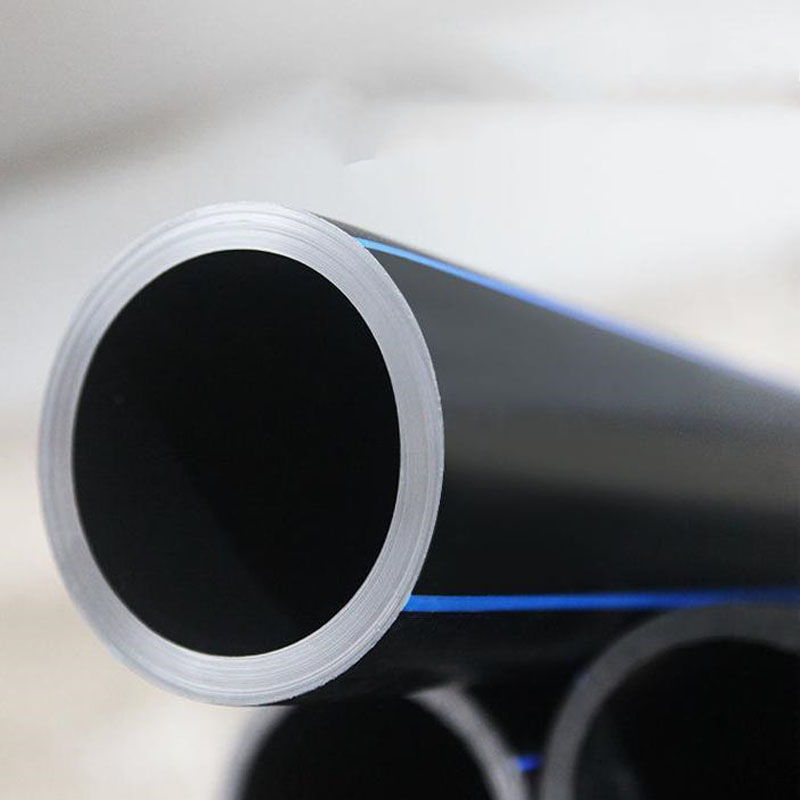
Discount black PVC pipe is primarily composed of PVC resin, typically a copolymer of vinyl chloride and vinyl acetate, although homopolymers are also used. The PVC resin provides the base structural integrity and chemical resistance. The addition of plasticizers, primarily phthalates or increasingly, phthalate-free alternatives like DINCH, enhances flexibility and impact resistance. Carbon black, a critical component imparting the characteristic black color, acts as a UV stabilizer, absorbing damaging radiation and preventing polymer chain scission. Other additives include thermal stabilizers (typically metallic soaps like calcium-zinc or barium-zinc), lubricants (to facilitate processing), and impact modifiers (such as acrylic or chlorinated polyethylene).
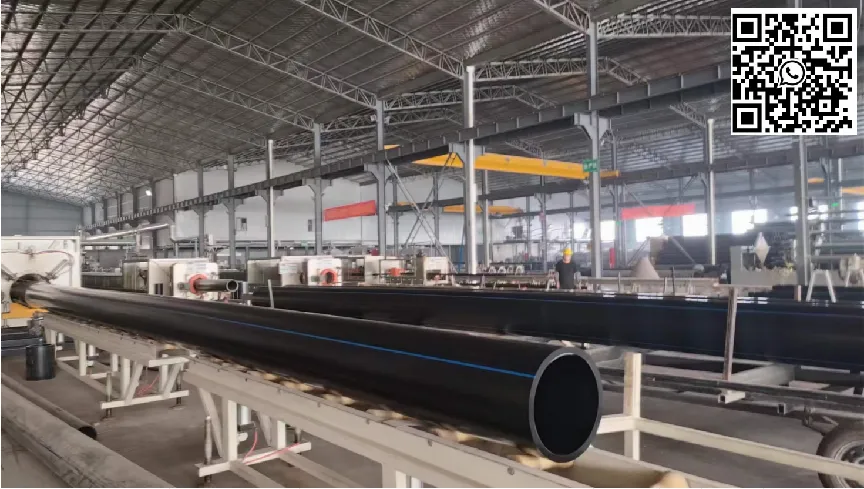
Manufacturing typically involves extrusion. PVC compound is fed into a single-screw extruder where it is heated and plasticized. The molten PVC is then forced through a die to form the desired pipe diameter and wall thickness. Critical process parameters include die temperature (180-210°C), extrusion temperature (160-190°C), screw speed (30-80 RPM), and puller speed. Precise control of these parameters is vital to ensure consistent dimensions, smooth surface finish, and avoid defects like porosity or warping. Post-extrusion, the pipe is cooled in a water bath and cut to length. Quality control checks at this stage include dimensional accuracy (diameter and wall thickness), hydrostatic pressure testing, and visual inspection for surface imperfections. The quality of raw material PVC resin is paramount, and variations in resin molecular weight distribution and chloride content directly affect the final pipe properties.
Performance & Engineering
The performance of black PVC pipe is heavily reliant on its ability to withstand internal pressure, external loads, and environmental stresses. Force analysis considers hoop stress (resulting from internal pressure) and longitudinal stress (from axial loads). Design calculations, conforming to standards like ASTM D1785, dictate minimum wall thickness based on the intended operating pressure and safety factors. Environmental resistance is crucial; PVC is susceptible to degradation from prolonged UV exposure (mitigated by carbon black), temperature fluctuations, and certain chemical environments. The glass transition temperature (Tg) of PVC is approximately 80°C; exceeding this temperature can lead to softening and loss of mechanical properties.
Compliance requirements vary depending on the intended application. Potable water systems demand compliance with NSF/ANSI 61, ensuring the pipe material does not leach harmful contaminants into the water. Waste disposal systems require compliance with ASTM D2412, focusing on resistance to corrosive chemicals. Buried pipelines must meet ASTM F477, specifying crush resistance and joint integrity. The long-term performance is also impacted by soil conditions; corrosive soils can accelerate degradation. Engineering considerations also include thermal expansion and contraction; proper allowance for expansion joints is crucial to prevent stress cracking, particularly in long pipeline runs.
Technical Specifications
| Parameter | Unit | Typical Value (Schedule 40) | Test Method |
|---|---|---|---|
| Outside Diameter | inch | 1.5 | ASTM D2467 |
| Wall Thickness | inch | 0.065 | ASTM D2467 |
| Pressure Rating | psi | 400 | ASTM D1785 |
| Tensile Strength | psi | 6,000 | ASTM D638 |
| Flexural Modulus | psi | 300,000 | ASTM D790 |
| Impact Strength (Izod Notched) | ft-lb/in | 1.0 | ASTM D256 |
Failure Mode & Maintenance
Common failure modes in discount black PVC pipe include: 1) Brittle Fracture: Often caused by impact damage, particularly at low temperatures, exacerbated by material defects or improper installation. 2) Environmental Stress Cracking (ESC): Resulting from the combined effect of tensile stress, corrosive environments, and specific chemicals. 3) UV Degradation: While carbon black provides protection, prolonged exposure exceeding design limits can still cause surface chalking and embrittlement. 4) Thermal Deformation: Excessive temperatures can lead to softening and dimensional instability. 5) Joint Failure: Improper solvent cementing or mechanical joint installation can lead to leaks and separation. 6) Soil-Induced Corrosion: Contact with aggressive soil chemistries can accelerate degradation.
Preventative maintenance involves visual inspections for cracks, deformation, or leaks. Regular testing of water quality (for potable water systems) is essential. In buried applications, cathodic protection may be necessary in highly corrosive soils. For joints, re-tightening of mechanical joints should be performed periodically. If ESC is suspected, removal of the offending chemical and replacement of the affected pipe section is required. When repairing PVC pipe, always use compatible PVC cement and fittings. Avoid using abrasive cleaners or solvents not specifically approved for PVC. Proper backfilling procedures are critical to prevent damage from external loads.
Industry FAQ
Q: What is the impact of using a lower-cost PVC resin on the long-term performance of the pipe?
A: Lower-cost PVC resins often have a narrower molecular weight distribution and higher chloride content. This can lead to reduced impact resistance, increased brittleness, and accelerated degradation, particularly under UV exposure or in corrosive environments. While initial cost savings are apparent, the reduced service life and increased risk of failure may negate these savings in the long run. Thorough testing and certification are vital.
Q: How does the concentration of carbon black affect the UV resistance and other properties of the pipe?
A: Increasing carbon black concentration generally improves UV resistance up to a certain point (typically around 2-3%). Beyond that, it can negatively impact other properties such as tensile strength and processability. The type of carbon black also matters; finer particle sizes offer better UV protection but can increase viscosity during processing.
Q: What are the key considerations when selecting PVC pipe for potable water applications?
A: NSF/ANSI 61 certification is paramount. This ensures the pipe doesn't leach harmful contaminants into the water. The pipe should also meet the requirements of local plumbing codes and be suitable for the intended water pressure and temperature. Avoid using pipe with plasticizers known to have health concerns.
Q: What is the best method for joining black PVC pipe, and what are common errors to avoid?
A: Solvent cementing is the most common method. Proper surface preparation (cleaning and priming) is crucial for a strong bond. Avoid using excessive cement, which can weaken the joint. Ensure adequate ventilation during the cementing process. Mechanical joints are suitable for larger diameter pipes and allow for disassembly but require proper gasket installation and tightening.
Q: How can I assess the risk of environmental stress cracking in a specific application?
A: Identify potential stressors (sustained mechanical loads, temperature fluctuations) and the chemical environment. Consult chemical resistance charts to determine the compatibility of PVC with the chemicals present. Select a PVC formulation specifically designed for the application and ensure proper installation to minimize stress concentrations. Consider using a stress-relieved PVC compound.
Conclusion
Discount black PVC pipe for sale remains a cost-effective and versatile material for a wide array of applications, but its performance and longevity are directly linked to material quality, manufacturing control, and adherence to industry standards. While price point is a crucial factor, neglecting these technical considerations can lead to premature failure, costly repairs, and potential safety hazards. A thorough understanding of PVC material science, coupled with diligent attention to installation best practices and preventative maintenance, is paramount for maximizing the service life and ensuring the reliable operation of PVC piping systems.
The increasing focus on sustainability necessitates a more holistic evaluation of PVC pipe, considering its lifecycle impact and potential for recycling. The development of phthalate-free plasticizers and advancements in PVC recycling technologies are positive steps towards a more environmentally responsible future for this widely used material. Continued research and development aimed at enhancing UV resistance, chemical compatibility, and mechanical properties will further solidify PVC’s position as a key component in modern infrastructure.
-
DN25 HDPE Compression Fitting-HORON INTERNATIONAL|Reliable Irrigation Solutions
NewsFeb.11,2026
-
discount hdpe pipe coupling Performance Analysis
News2026-06-27
-
discount kitchen sink water lines Performance Analysis
News2026-06-27
-
discount dn25 hdpe Performance Analysis
News2026-06-27
-
discount hdpe sprinkler coupler Performance Analysis
News2026-06-27
-
discount black pvc pipe for sale Performance Analysis
News2026-06-27
-
discount 40mm pvc pipe Performance Analysis
News2026-06-26
-
discount hdpe to pvc connection Performance Analysis
News2026-06-26
-
discount ppr pipe 1 price Technical Analysis
News2026-06-26
-
discount colored pvc pipe Material Science and Manufacturing
News2026-06-26
-
discount hdpe pipe price list pdf Performance and Engineering
News2026-06-26
-
discount ppr for hot water Performance Analysis
News2026-06-25
-
discount bulk pvc pipe Material Performance
News2026-06-25
-
discount pvc pipes price list Material Science and Manufacturing
News2026-06-25
-
discount 20 ft pvc pipe Performance Analysis
News2026-06-25
-
discount ppr cold water pipe Performance Analysis
News2026-06-25