

Feb . 11, 2026 00:01 Back to list
discount dn25 hdpe Performance Analysis
Introduction
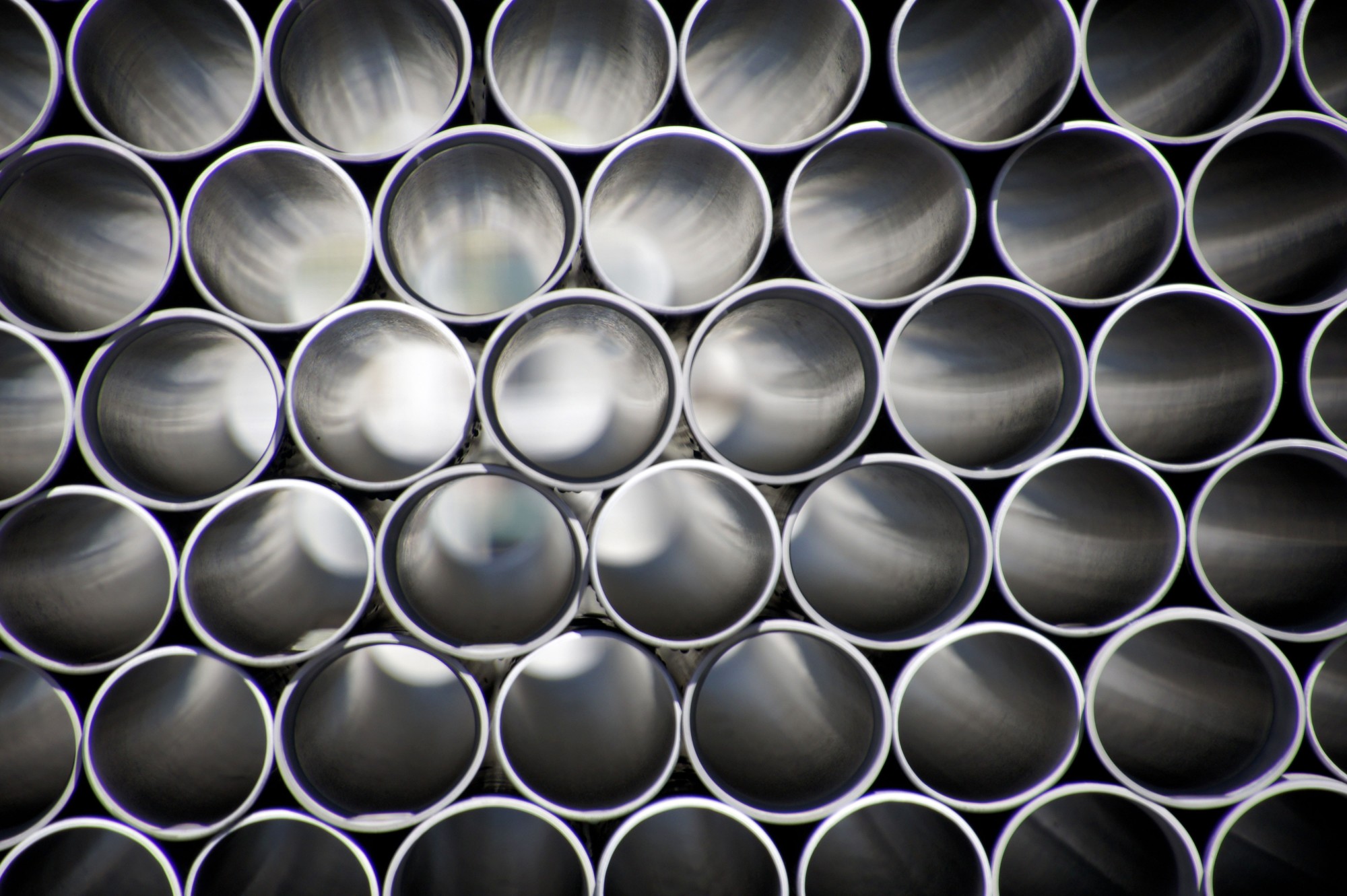
Discount DN25 High-Density Polyethylene (HDPE) pipe represents a cost-effective solution for low-pressure fluid transfer applications within industrial, agricultural, and construction sectors. Characterized by its 25mm outer diameter (DN25), this piping is primarily utilized for irrigation, drainage, compressed air lines, and various fluid conveyance tasks where high-pressure resistance is not paramount. Its positioning in the supply chain falls between raw polyethylene resin production and final installation by end-users. Core performance characteristics include excellent chemical resistance, flexibility facilitating ease of installation, and a relatively low coefficient of friction minimizing head loss in fluid systems. A key competitive aspect is its price point, making it an attractive alternative to PVC or metal piping in specific applications, though with inherent limitations related to temperature and pressure thresholds. Understanding these limitations is crucial for proper application and longevity.
Material Science & Manufacturing
The foundational material for discount DN25 HDPE pipe is high-density polyethylene (HDPE), a thermoplastic polymer produced from the polymerization of ethylene. HDPE distinguishes itself from lower-density polyethylene through its higher molecular weight and fewer branched chains, leading to increased crystallinity, tensile strength, and resistance to environmental stress cracking. Raw material properties include a density typically between 0.941 and 0.965 g/cm³, a melting point range of 120-135°C, and excellent resistance to most acids, alkalis, and organic solvents.
Manufacturing typically follows an extrusion process. Polyethylene resin pellets are fed into a hopper and conveyed by a screw through a heated barrel. The heating elements progressively melt the resin, which is then forced through a circular die to form a continuous pipe. Key parameters during extrusion include barrel temperature profile (controlling melt viscosity and preventing degradation), screw speed (influencing production rate and material homogenization), and die pressure (dictating pipe dimensions and wall thickness). Post-extrusion, the pipe is cooled in a water bath to solidify the polyethylene, then cut to desired lengths and marked for identification. Quality control measures involve regular testing of melt flow index (MFI), density, and hydrostatic pressure resistance to ensure adherence to industry standards. Improper control of these parameters can result in inconsistent wall thickness, surface defects, or reduced long-term performance. The degree of polymerization directly impacts the final pipe's strength and durability, with higher degrees generally correlating to improved mechanical properties.
Performance & Engineering
The performance of discount DN25 HDPE pipe is heavily influenced by its hydraulic characteristics and structural integrity under various operating conditions. Force analysis, particularly hoop stress due to internal pressure, is critical for determining maximum allowable operating pressure. The Barlow formula (S = P D / 2t, where S is hoop stress, P is internal pressure, D is outer diameter, and t is wall thickness) is commonly used for this calculation.
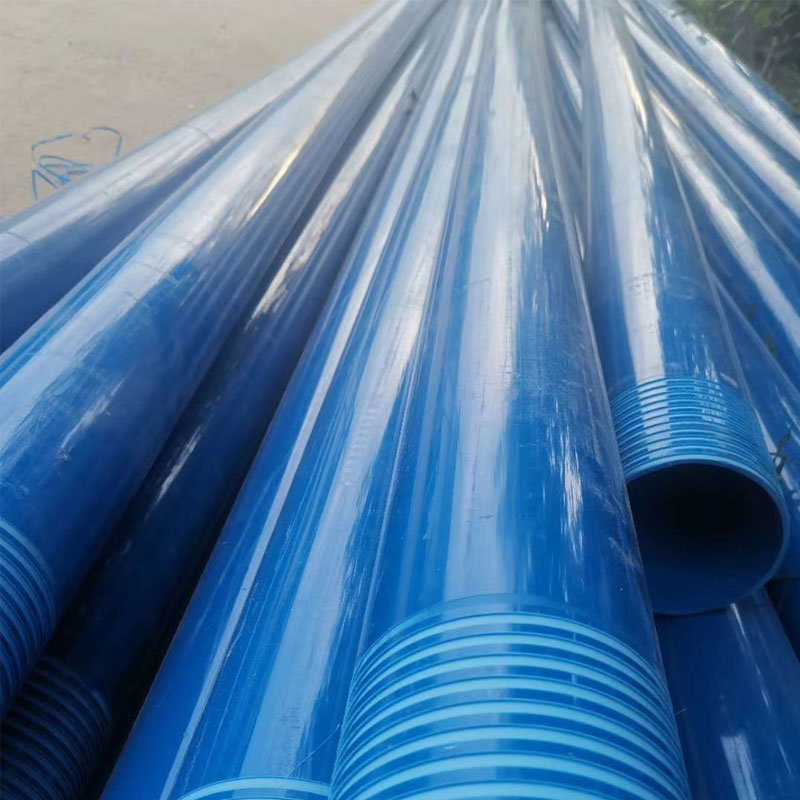
Environmental resistance is a key consideration. While HDPE exhibits excellent chemical resistance, prolonged exposure to UV radiation can lead to degradation and embrittlement. This is typically mitigated by incorporating UV stabilizers into the polyethylene formulation or using opaque pipe materials. Temperature affects both the strength and flexibility of HDPE. At low temperatures, the pipe becomes more brittle, increasing the risk of cracking during installation or operation. At elevated temperatures, creep (time-dependent deformation under sustained load) can become a concern. Compliance requirements often dictate specific performance standards, such as pressure rating (PN), dimensional tolerances, and material certifications. For instance, potable water applications require adherence to standards ensuring the pipe does not leach harmful substances into the water supply. Proper installation techniques, including adequate bedding and backfill support, are essential to prevent excessive stress and ensure long-term performance. The pipe’s flexibility allows for some ground movement, but significant settling or uneven loads can induce stresses exceeding the pipe’s design limits.
Technical Specifications
| Parameter | Value (Typical) | Test Method | Units |
|---|---|---|---|
| Outer Diameter | 25 | ISO 1139 | mm |
| Nominal Bore | 21.9 | Calculated | mm |
| Wall Thickness | 2.0 - 2.5 | ASTM D2412 | mm |
| Density | 0.953 | ASTM D1505 | g/cm³ |
| Hydrostatic Pressure Rating (PN) | 6 – 10 | ISO 1167 | bar |
| Burst Pressure | 24 – 40 | ISO 1167 | bar |
Failure Mode & Maintenance
Discount DN25 HDPE pipe, while robust, is susceptible to several failure modes. Slow crack growth (SCG) is a common issue, particularly in systems subjected to sustained tensile stress and exposure to certain chemicals. This occurs due to the formation and propagation of micro-cracks, ultimately leading to pipe rupture. Environmental stress cracking (ESC) is similar, driven by the combined effect of stress and aggressive chemical environments. Fatigue cracking can occur in systems with cyclical pressure fluctuations or vibration. Delamination, though less frequent, can arise from improper extrusion or contamination during manufacturing. Oxidation, primarily induced by prolonged UV exposure, results in material embrittlement and loss of mechanical properties.
Preventative maintenance involves regular visual inspections for cracks, discoloration, or deformation. Periodic pressure testing can identify leaks or weaknesses. Proper support and bedding are crucial to minimize stress concentrations. For systems handling abrasive fluids, regular flushing can prevent wear and erosion. In the event of a failure, the affected section of pipe should be replaced entirely. Repair attempts using adhesives or patching compounds are generally not recommended, as they often compromise the structural integrity of the system. Storing HDPE pipe correctly – sheltered from direct sunlight and extreme temperatures – is essential to maintain its properties. A proactive approach to maintenance, combined with careful selection of materials and installation practices, will significantly extend the service life of the piping system.
Industry FAQ
Q: What is the maximum operating temperature for this DN25 HDPE pipe?
A: The maximum continuous operating temperature for typical DN25 HDPE pipe is 60°C (140°F). Exceeding this temperature can lead to creep deformation and a reduction in pressure-bearing capacity. Short-term temperature excursions up to 80°C (176°F) may be tolerable, but should be avoided if possible.
Q: Can this pipe be used for potable water applications?
A: Yes, provided the HDPE material meets the requirements of relevant drinking water standards, such as NSF/ANSI 61. The specific grade of HDPE used must be certified for potable water contact to ensure it doesn't leach harmful substances into the water.
Q: What is the impact of UV exposure on the pipe's lifespan?
A: Prolonged exposure to UV radiation will degrade the HDPE material, leading to embrittlement and reduced mechanical strength. It’s recommended to use UV-stabilized HDPE or protect the pipe from direct sunlight through burial or the use of opaque coverings.
Q: What is the recommended bedding material for installation?
A: A compacted layer of fine sand or soil is recommended as bedding material. Sharp rocks or debris should be removed to prevent damage to the pipe. Adequate bedding ensures uniform support and minimizes stress concentrations.
Q: How does the wall thickness affect the pressure rating of the pipe?
A: The pressure rating is inversely proportional to the wall thickness. A thicker wall provides greater resistance to hoop stress and allows for higher operating pressures. The pressure rating is calculated based on the material's strength and the pipe's dimensions, as defined by standards like ISO 1167.
Conclusion
Discount DN25 HDPE pipe provides a viable and economical solution for a range of low-pressure fluid transfer applications. Its inherent properties – flexibility, chemical resistance, and ease of installation – offer advantages over traditional materials in specific contexts. However, understanding its limitations concerning temperature, UV exposure, and potential failure modes is critical for ensuring long-term performance and system reliability.
Proper material selection, adherence to established installation practices, and a proactive maintenance approach are paramount to maximizing the service life of this piping system. As a cost-effective alternative, its continued use will depend on optimizing these factors and ensuring compliance with relevant industry standards. Future developments may focus on enhancing UV resistance through advanced stabilization technologies and exploring novel HDPE formulations with improved mechanical properties.
-
DN25 HDPE Compression Fitting-HORON INTERNATIONAL|Reliable Irrigation Solutions
NewsFeb.11,2026
-
discount hdpe pipe coupling Performance Analysis
News2026-06-27
-
discount kitchen sink water lines Performance Analysis
News2026-06-27
-
discount dn25 hdpe Performance Analysis
News2026-06-27
-
discount hdpe sprinkler coupler Performance Analysis
News2026-06-27
-
discount black pvc pipe for sale Performance Analysis
News2026-06-27
-
discount 40mm pvc pipe Performance Analysis
News2026-06-26
-
discount hdpe to pvc connection Performance Analysis
News2026-06-26
-
discount ppr pipe 1 price Technical Analysis
News2026-06-26
-
discount colored pvc pipe Material Science and Manufacturing
News2026-06-26
-
discount hdpe pipe price list pdf Performance and Engineering
News2026-06-26
-
discount ppr for hot water Performance Analysis
News2026-06-25
-
discount bulk pvc pipe Material Performance
News2026-06-25
-
discount pvc pipes price list Material Science and Manufacturing
News2026-06-25
-
discount 20 ft pvc pipe Performance Analysis
News2026-06-25
-
discount ppr cold water pipe Performance Analysis
News2026-06-25