

Feb . 11, 2026 00:01 Back to list
discount sprinkler hdpe pipe Performance Analysis
Introduction
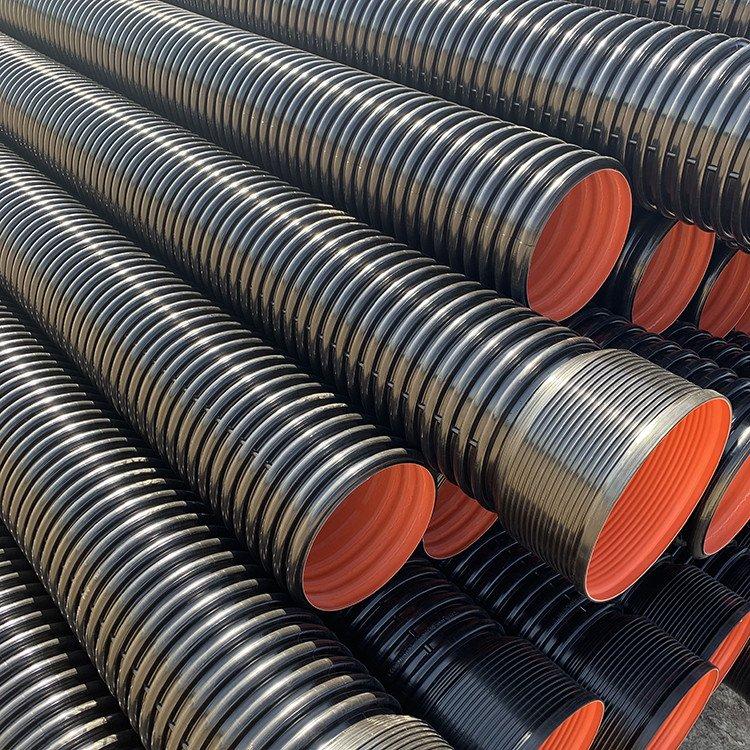
High-Density Polyethylene (HDPE) pipe for sprinkler systems represents a significant advancement in irrigation technology, offering a cost-effective and durable alternative to traditional materials like PVC and metal. This guide provides a comprehensive technical overview of discount sprinkler HDPE pipe, examining its material science, manufacturing processes, performance characteristics, potential failure modes, and relevant industry standards. HDPE pipe, particularly in the context of sprinkler systems, occupies a critical position in the agricultural, horticultural, and landscaping sectors. Its primary function is the reliable and efficient distribution of water for irrigation. The key performance indicators (KPIs) for this application center around pressure retention, flow rate, UV resistance, and long-term durability, offering significant advantages in cost-effectiveness and installation ease compared to metallic counterparts. This document will detail the specific attributes making HDPE a favored choice for discount sprinkler solutions, outlining the trade-offs between cost and performance.
Material Science & Manufacturing
The foundation of discount sprinkler HDPE pipe lies in its material composition: High-Density Polyethylene. HDPE is a thermoplastic polymer produced from the polymerization of ethylene. Crucially, the ‘high-density’ designation implies a minimal degree of branching in the polymer chains, leading to stronger intermolecular forces and a resultant increase in density (typically 0.941 – 0.965 g/cm³), tensile strength, and chemical resistance. The raw material typically consists of polyethylene granules, often sourced from petrochemical feedstocks.
Manufacturing primarily involves extrusion. The HDPE granules are fed into an extruder, where they are heated and melted. This molten plastic is then forced through a die, shaping it into a continuous pipe. Key parameters during extrusion include temperature control (typically between 180-280°C, varying based on HDPE grade and pipe diameter), screw speed, and die pressure. Precise control of these parameters is paramount to ensuring consistent wall thickness, dimensional accuracy, and a smooth inner surface – all critical for optimal hydraulic performance. Pipe diameters range widely, from ¾” to 4”, dependent on system requirements.
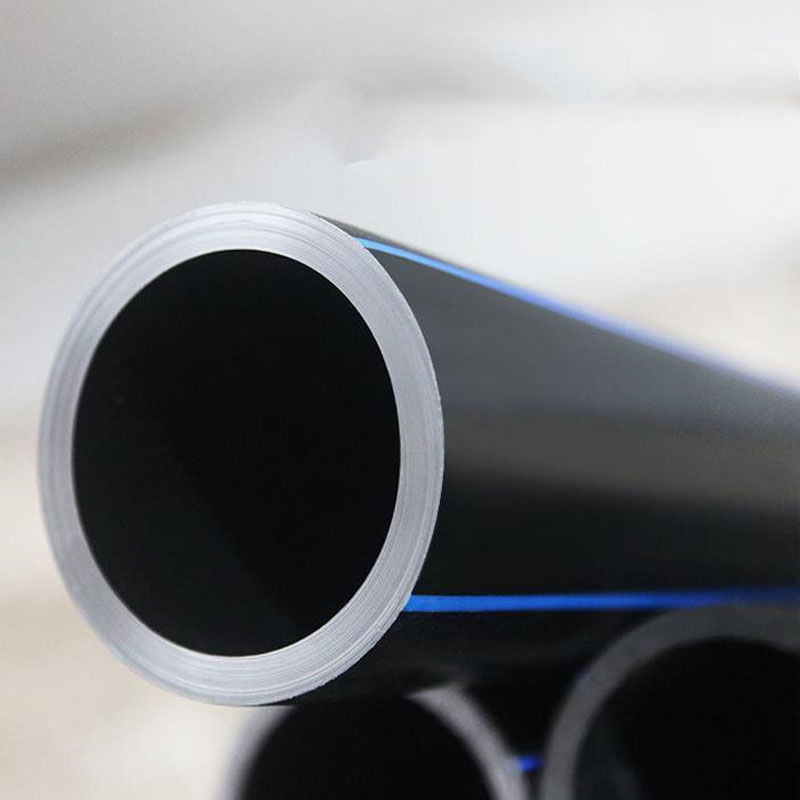
Post-extrusion processes include cooling (typically water quenching), sizing (to achieve precise outer diameter), and cutting to specified lengths. For sprinkler systems, pipes are often marked with color codes indicating pressure rating (e.g., purple for non-potable water) and size. Quality control measures, including hydrostatic testing (applying internal pressure to detect leaks or weaknesses) and dimensional checks, are essential components of the manufacturing process. The addition of UV stabilizers (typically carbon black) is critical to enhance the material's resistance to degradation from prolonged sun exposure. The specific grade of HDPE used (e.g., PE3408, PE4710) directly influences the pipe's mechanical properties and suitability for different pressure classes.
Performance & Engineering
The performance of discount sprinkler HDPE pipe is governed by several key engineering principles. Hydrostatic pressure resistance is paramount, dictated by the pipe's dimensions (diameter and wall thickness) and the material’s Minimum Yield Strength (MYS). The Barlow formula (S = PT/2t, where S = stress, P = pressure, T = wall thickness, and t = radial dimension) provides a fundamental relationship for calculating hoop stress within the pipe wall.
HDPE’s inherent flexibility allows for some degree of ground movement without causing pipe failure, a significant advantage over rigid materials like PVC. However, this flexibility must be accounted for in the system design, particularly regarding support and anchoring. The coefficient of thermal expansion for HDPE is relatively high (approximately 0.2 mm/m/°C), necessitating the inclusion of expansion joints in long pipe runs to prevent stress buildup due to temperature fluctuations.
Environmental resistance is a critical consideration. While HDPE exhibits excellent chemical resistance to most common soil constituents and agricultural chemicals, prolonged exposure to strong oxidizing agents should be avoided. UV resistance, as previously mentioned, is addressed through the incorporation of UV stabilizers. Compliance requirements, such as those outlined by local plumbing codes and agricultural water regulations, must be met. Proper jointing techniques, typically using butt fusion, electrofusion, or compression fittings, are essential to maintain the system’s integrity and prevent leaks. Butt fusion creates a homogenous weld, resulting in a joint as strong as the pipe itself; electrofusion utilizes an electrical current to melt and fuse the pipe ends. The choice of jointing method depends on the pipe size, pressure rating, and installation conditions.
Technical Specifications
| Parameter | Unit | Typical Value (DN63 - 2 inch) | Test Method |
|---|---|---|---|
| Outside Diameter | mm | 63.5 | ASTM D2412 |
| Wall Thickness | mm | 3.7 | ASTM D2412 |
| Pressure Rating (PN) | Bar | 10 | ISO 1167 |
| Minimum Yield Strength (MYS) | MPa | 8.0 | ASTM D2412 |
| Longitudinal Reversion | % | ≤ 3.0 | ASTM D2412 |
| Hydrostatic Test Pressure | MPa | 1.5 | ISO 1167 |
Failure Mode & Maintenance
Discount sprinkler HDPE pipe, while durable, is susceptible to specific failure modes. Slow Crack Growth (SCG) is a common issue, particularly in older pipes or those exposed to sustained tensile stress and aggressive chemicals. SCG initiates at stress concentrators (e.g., scratches, gouges) and propagates slowly through the material. Environmental Stress Cracking (ESC) is similar, but occurs more rapidly under higher stress and exposure to specific chemicals.
Fatigue cracking can occur due to repeated pressure fluctuations, especially in systems with water hammer. UV degradation, despite the presence of stabilizers, can eventually lead to embrittlement and cracking, particularly in areas with intense sunlight exposure. Joint failures are also a significant concern, often stemming from improper installation or inadequate fusion parameters. Delamination can occur in thicker-walled pipes if the cooling process during extrusion is not properly controlled. Oxidation, while less common, can occur at elevated temperatures, leading to a reduction in material properties.
Preventive maintenance includes regular visual inspections for cracks, leaks, and signs of UV degradation. Pressure testing should be performed periodically to identify weaknesses in the system. Protecting exposed pipes from direct sunlight (e.g., with paint or shielding) can extend their lifespan. Proper backfilling techniques are crucial to provide adequate support and prevent stress concentrations. If SCG or ESC is suspected, the affected section of pipe should be replaced. For joint failures, the joint should be re-fused or replaced, ensuring proper fusion parameters are used.
Industry FAQ
Q: What is the typical lifespan of HDPE sprinkler pipe in a standard agricultural application?
A: Under normal operating conditions and with adequate UV protection, HDPE sprinkler pipe can have a lifespan of 20-50 years. However, this is highly dependent on factors like soil chemistry, water quality, pressure fluctuations, and the quality of installation.
Q: How does HDPE pipe compare to PVC pipe in terms of cost and installation?
A: HDPE is typically more expensive upfront than PVC. However, HDPE offers greater durability, flexibility, and resistance to cracking, potentially leading to lower lifecycle costs. Installation can be slightly more complex, requiring specialized fusion equipment, but the flexibility of HDPE often reduces the need for numerous fittings.
Q: What is the impact of water hammer on HDPE pipe systems?
A: Water hammer can induce significant stress waves within the pipe, potentially leading to fatigue cracking, particularly at joints. Surge suppression devices (e.g., air chambers, pressure relief valves) are essential to mitigate the effects of water hammer in HDPE sprinkler systems.
Q: What type of jointing method is preferred for larger diameter HDPE sprinkler pipe (e.g., 4 inch)?
A: Butt fusion is generally the preferred method for joining larger diameter HDPE pipe. It creates a homogenous weld that maintains the pipe's structural integrity and pressure rating. Electrofusion is also suitable, offering more control over the welding process.
Q: Are there specific considerations for burying HDPE pipe in different soil types?
A: Yes. In rocky or abrasive soils, adequate bedding material (e.g., sand, gravel) should be used to protect the pipe from damage. In corrosive soils, additional protective measures, such as a protective sleeve, may be necessary to prevent chemical attack.
Conclusion
Discount sprinkler HDPE pipe offers a compelling combination of durability, cost-effectiveness, and ease of installation, making it a dominant choice in modern irrigation systems. Its inherent properties, coupled with proper engineering design and installation practices, ensure long-term reliability and efficient water delivery. Understanding the material science, potential failure modes, and relevant industry standards is critical for maximizing the performance and lifespan of these systems.
Future developments in HDPE technology may focus on enhancing UV resistance through advanced stabilizer formulations, improving jointing techniques for increased reliability, and developing innovative pipe designs to optimize hydraulic performance and minimize energy consumption. The continued adoption of HDPE pipe in sprinkler systems will contribute to more sustainable and efficient water management practices.
-
DN25 HDPE Compression Fitting-HORON INTERNATIONAL|Reliable Irrigation Solutions
NewsFeb.11,2026
-
discount hdpe pipe coupling Performance Analysis
News2026-06-27
-
discount kitchen sink water lines Performance Analysis
News2026-06-27
-
discount dn25 hdpe Performance Analysis
News2026-06-27
-
discount hdpe sprinkler coupler Performance Analysis
News2026-06-27
-
discount black pvc pipe for sale Performance Analysis
News2026-06-27
-
discount 40mm pvc pipe Performance Analysis
News2026-06-26
-
discount hdpe to pvc connection Performance Analysis
News2026-06-26
-
discount ppr pipe 1 price Technical Analysis
News2026-06-26
-
discount colored pvc pipe Material Science and Manufacturing
News2026-06-26
-
discount hdpe pipe price list pdf Performance and Engineering
News2026-06-26
-
discount ppr for hot water Performance Analysis
News2026-06-25
-
discount bulk pvc pipe Material Performance
News2026-06-25
-
discount pvc pipes price list Material Science and Manufacturing
News2026-06-25
-
discount 20 ft pvc pipe Performance Analysis
News2026-06-25
-
discount ppr cold water pipe Performance Analysis
News2026-06-25