

Feb . 11, 2026 00:01 Back to list
discount grey pvc pipe Material Performance
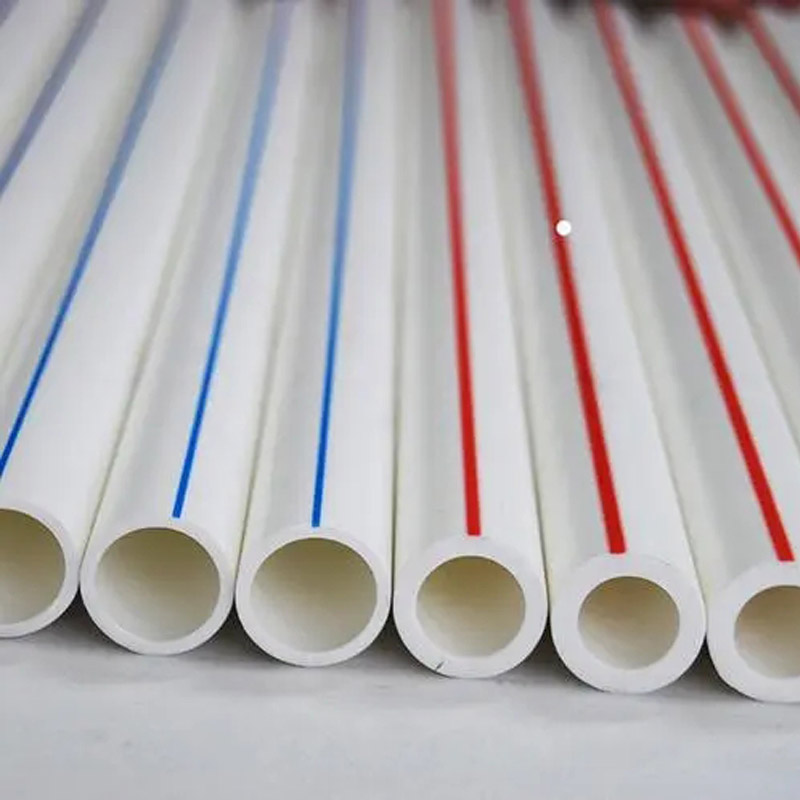
Introduction
Polyvinyl chloride (PVC) pipe, specifically discount grey PVC pipe, represents a ubiquitous material in fluid conveyance systems across diverse industries including irrigation, drainage, plumbing, and industrial processing. This guide provides a detailed technical overview of grey PVC pipe, focusing on its material composition, manufacturing processes, performance characteristics, potential failure modes, and relevant industry standards. Discount grey PVC generally refers to PVC pipe offering a cost-effective solution for non-pressure applications. Its positioning within the industry chain involves the polymerization of vinyl chloride monomers into PVC resin, followed by compounding with additives, extrusion into pipe forms, and subsequent quality control. Core performance attributes include chemical resistance, ease of installation, and cost-effectiveness, however, performance limitations exist regarding temperature sensitivity and susceptibility to UV degradation. A primary industry pain point revolves around balancing cost optimization with long-term durability and regulatory compliance, especially concerning leaching of additives and environmental impact.
Material Science & Manufacturing
Grey PVC pipe is predominantly composed of PVC resin, a thermoplastic polymer created through the polymerization of vinyl chloride. The ‘grey’ color is achieved through the addition of titanium dioxide and other pigments to the PVC compound. Critical raw material properties include the K-value of the PVC resin (indicating molecular weight and thus, processability and final product strength), the purity of the vinyl chloride monomer, and the quality of plasticizers used. Manufacturing typically involves extrusion. PVC resin and additives (plasticizers like DOP or DINP, stabilizers, lubricants, and pigments) are thoroughly mixed and fed into a single or twin-screw extruder. The extruder melts the mixture and forces it through a die to form the pipe's cylindrical shape. Key parameters during extrusion are barrel temperature profiles (typically ranging from 160-200°C), screw speed (influencing melt homogeneity and throughput), die temperature (affecting surface finish), and cooling rate (determining pipe dimensional stability). Post-extrusion, pipes are often calibrated to precise dimensions using vacuum sizing tanks and then cut to length. Quality control focuses on dimensional accuracy (diameter, wall thickness), hydrostatic pressure testing, impact resistance, and visual inspection for surface defects. Improper temperature control during extrusion can lead to thermal degradation of the PVC, resulting in reduced impact strength and discoloration. The ratio of PVC to plasticizer critically influences flexibility and resistance to cracking.
Performance & Engineering
The performance of grey PVC pipe is governed by its mechanical properties, chemical resistance, and environmental durability. Stress analysis under internal pressure (for pressurized systems) or external loads (soil loading for buried pipes) is crucial. Hoop stress calculations determine the required wall thickness to withstand operating pressures, factoring in safety factors as dictated by relevant standards. PVC exhibits ductile behavior under tension but can be brittle under impact, especially at lower temperatures. Chemical resistance is generally excellent for acids, alkalis, and salts, but prolonged exposure to certain solvents (e.g., ketones, esters) can cause swelling and degradation. Environmental resistance is impacted by UV exposure, which degrades the PVC polymer leading to discoloration and embrittlement. This is mitigated by adding UV stabilizers to the compound. Temperature sensitivity is a significant limitation; PVC becomes brittle below 0°C and can soften under prolonged exposure to temperatures exceeding 60°C. Installation practices – proper bedding and backfilling for buried pipes – are critical to prevent stress concentrations and ensure long-term performance. Compliance requirements often involve adherence to local plumbing codes and standards related to potable water safety, dictating permissible levels of additives and potential leachates.
Technical Specifications
| Parameter | Typical Value (Grey PVC - Schedule 40) | Testing Standard | Units |
|---|---|---|---|
| Material | Polyvinyl Chloride (PVC) | ASTM D1785 | - |
| Diameter | 1/2" to 12" | ASTM D1785 | inches |
| Wall Thickness | 0.065" to 0.154" (varies with schedule) | ASTM D1785 | inches |
| Pressure Rating | Up to 400 psi (depending on diameter and schedule) | ASTM D1785 | psi |
| Tensile Strength | 6000 - 7000 | ASTM D638 | psi |
| Impact Strength (Izod Notched) | 5-10 | ASTM D256 | ft-lb/in |
Failure Mode & Maintenance
Grey PVC pipe is susceptible to several failure modes. Environmental Stress Cracking (ESC) is a primary concern, occurring due to the combined effect of tensile stress, aggressive chemicals, and temperature. UV degradation leads to embrittlement and surface cracking, particularly in exposed applications. Fatigue cracking can occur under cyclic loading, especially at joints or points of stress concentration. Thermal deformation can occur at elevated temperatures, causing warping or collapse. Joint failures are common due to improper solvent welding techniques or inadequate surface preparation. Soil settlement can cause excessive stress on buried pipes, leading to cracking. Maintenance involves regular visual inspections for cracks, discoloration, or signs of deformation. Prompt repair of any identified defects is crucial to prevent catastrophic failure. For ESC, avoiding contact with incompatible chemicals is essential. UV degradation can be mitigated by applying UV-resistant coatings or using PVC compounds with higher UV stabilizer content. Proper joint preparation and solvent welding techniques (ensuring proper ventilation and cure time) are critical for long-term joint integrity. For buried pipes, ensuring adequate bedding and backfilling to minimize stress is paramount. Avoid mechanical damage during handling and installation.
Industry FAQ
Q: What is the impact of plasticizer migration on the long-term performance of grey PVC pipe?
A: Plasticizer migration, the leaching of plasticizers from the PVC matrix, reduces the pipe's flexibility and impact resistance over time. This can lead to increased brittleness and susceptibility to cracking, particularly under stress. Higher quality PVC compounds utilize plasticizers with lower migration rates and incorporate stabilizers to mitigate this effect. Monitoring plasticizer content and selecting appropriate compounds for the intended application are crucial.
Q: How does the presence of chlorine in water affect the longevity of PVC pipe?
A: While PVC is generally resistant to chlorine, prolonged exposure to high concentrations of chlorine, particularly in hot water, can lead to oxidative degradation and embrittlement. The rate of degradation depends on chlorine concentration, temperature, and the type of PVC compound. The use of chlorine-resistant PVC formulations can significantly extend the pipe’s service life.
Q: What are the key differences between Schedule 40 and Schedule 80 PVC pipe, and when should each be used?
A: Schedule 40 and Schedule 80 refer to the pipe's wall thickness. Schedule 80 has a thicker wall and thus higher pressure rating and mechanical strength. Schedule 40 is typically used for lower-pressure applications like irrigation and drainage, while Schedule 80 is preferred for higher-pressure systems or applications requiring greater impact resistance. The choice depends on the specific operating conditions and safety factors.
Q: What is the recommended procedure for solvent welding PVC pipe to ensure a leak-proof joint?
A: Proper solvent welding requires thorough surface preparation: cleaning with a PVC cleaner to remove dirt and grease, applying primer to soften the PVC surface, and then applying PVC cement evenly to both surfaces. The parts should be immediately joined with a slight twisting motion and held firmly until the solvent sets (cure time varies depending on temperature and cement type). Adequate ventilation is crucial during the process.
Q: How can the impact of UV degradation be minimized in outdoor applications of grey PVC pipe?
A: Minimizing UV degradation involves several strategies: using PVC compounds with high UV stabilizer content, painting the pipe with a UV-resistant coating, burying the pipe below ground level, or shielding it from direct sunlight whenever possible. Regular inspections for signs of UV degradation (discoloration, cracking) are also important.
Conclusion
Discount grey PVC pipe provides a cost-effective solution for numerous fluid conveyance applications, leveraging the inherent benefits of PVC – chemical resistance, ease of installation, and low cost. However, understanding its performance limitations, particularly regarding temperature sensitivity, UV degradation, and susceptibility to ESC, is crucial for ensuring long-term reliability. Proper material selection, meticulous manufacturing control, and adherence to established engineering principles and installation practices are essential for mitigating potential failure modes.
Future developments in PVC technology will likely focus on enhancing UV resistance, improving impact strength at low temperatures, and developing more sustainable plasticizer formulations. Careful consideration of these factors, alongside continued adherence to relevant industry standards, will ensure that discount grey PVC pipe remains a viable and reliable material for a wide range of applications.
-
DN25 HDPE Compression Fitting-HORON INTERNATIONAL|Reliable Irrigation Solutions
NewsFeb.11,2026
-
discount hdpe pipe size chart pdf Performance Analysis
News2026-06-18
-
discount water supply line under sink Performance Analysis
News2026-06-18
-
discount ppr pipe 1 2 price Performance Analysis
News2026-06-18
-
discount ppr pipe 3 4 price Performance Analysis
News2026-06-18
-
discount grey pvc pipe Material Performance
News2026-06-18
-
discount ppr 3 4 price Performance Analysis
News2026-06-17
-
discount hdpe pipe connectors Material Performance
News2026-06-17
-
discount submersible column pipe Performance Analysis
News2026-06-17
-
discount ppr flexible pipe Performance Analysis
News2026-06-17
-
discount column pipe for submersible pump Performance Analysis
News2026-06-17
-
china flexible pvc tubing Performance Analysis
News2026-06-16
-
china water pipe kitchen sink Material Performance
News2026-06-16
-
china upvc column pipes for submersible pumps Performance Analysis
News2026-06-16
-
china 36 hdpe corrugated pipe Manufacturing Analysis
News2026-06-16
-
china kitchen sink water pipe Performance Analysis
News2026-06-16