

Feb . 11, 2026 00:01 Back to list
china upvc Performance Analysis
Introduction
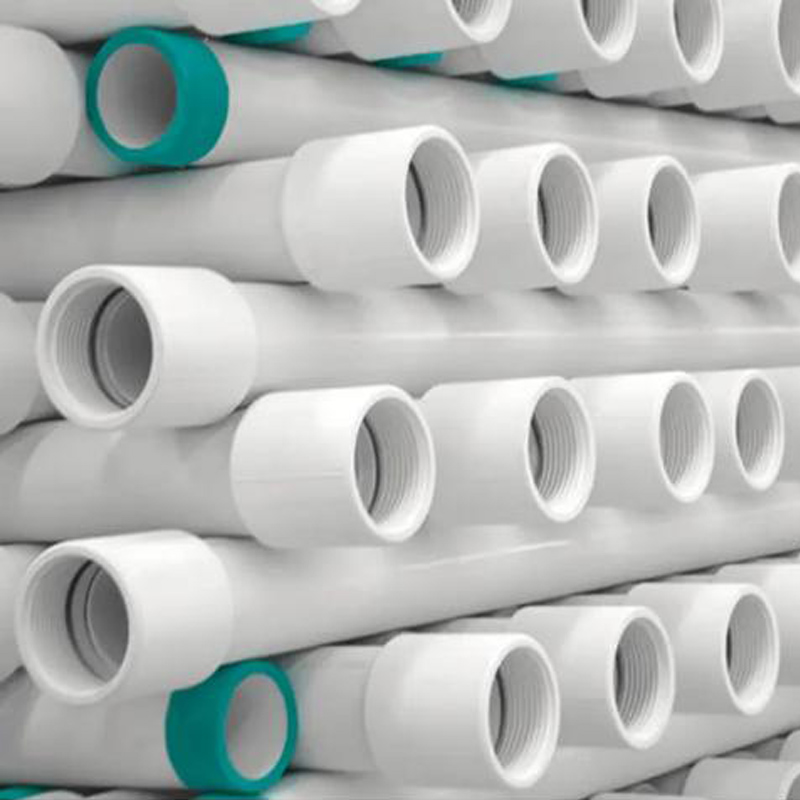
Unplasticized Polyvinyl Chloride (UPVC), originating from China, represents a significant segment within the global thermoplastic polymer market. It is a rigid, versatile material widely utilized in construction, infrastructure, and industrial applications. Distinguished from PVC by the absence of plasticizers, UPVC exhibits superior mechanical strength, rigidity, and temperature resistance. Its position in the industry chain is fundamental, serving as a substitute for traditional materials like wood, aluminum, and cast iron in applications such as window and door frames, piping systems, cladding, and electrical conduit. Core performance characteristics include excellent chemical resistance, inherent flame retardancy, dimensional stability, and a comparatively low cost of production. The Chinese manufacturing landscape has become a dominant force in UPVC production, impacting global supply chains and driving innovation in extrusion techniques, formulation optimization, and product diversification. Understanding its properties and applications is crucial for engineers, procurement professionals, and regulatory bodies involved in building and infrastructure projects.
Material Science & Manufacturing
The foundational material for UPVC is Polyvinyl Chloride (PVC) resin, typically sourced from vinyl chloride monomer (VCM) polymerization. Chinese manufacturers frequently utilize suspension PVC (S-PVC) due to its cost-effectiveness and ease of processing. However, emulsion PVC (E-PVC) is employed for specialized applications demanding finer particle size and enhanced surface finish. Critical raw material properties impacting UPVC performance include molecular weight distribution (MWD) – influencing melt viscosity and impact strength – and the presence of residual vinyl chloride (VCM) – strictly regulated due to toxicity concerns. Additives constitute a significant portion of the UPVC formulation. These include heat stabilizers (typically calcium-zinc or lead-based, though the latter is increasingly restricted due to environmental regulations), lubricants (stearic acid, polyethylene wax) to facilitate processing and reduce friction, impact modifiers (acrylic impact modifiers - AIM, chlorinated polyethylene - CPE) to enhance toughness, and pigments (titanium dioxide, iron oxides) for color control and UV resistance.
Manufacturing processes primarily revolve around extrusion. The UPVC compound is fed into a twin-screw extruder, where it undergoes plasticization through heating and shearing. Precise temperature control across the extruder’s heating zones is paramount – insufficient heating leads to material degradation, while excessive heating causes thermal instability. The molten UPVC is then forced through a die, shaping it into the desired profile (e.g., pipes, profiles, sheets). Cooling is achieved through water baths or air cooling systems, ensuring dimensional accuracy and preventing warping. Injection molding is utilized for producing fittings and complex components. Critical parameters include injection pressure, mold temperature, and cooling time. Quality control during manufacturing involves rigorous testing of melt flow index (MFI), tensile strength, impact resistance, and thermal stability to ensure adherence to specified standards. Increasingly, Chinese manufacturers are adopting automated extrusion lines and advanced process control systems to enhance efficiency and product consistency.
Performance & Engineering
UPVC’s performance characteristics are largely dictated by its mechanical properties, thermal behavior, and resistance to environmental factors. Tensile strength, typically ranging from 50-65 MPa, determines its ability to withstand tensile loads. Yield strength, around 30-40 MPa, signifies the point at which permanent deformation occurs. Flexural modulus, approximately 3-4 GPa, indicates its resistance to bending. Impact strength, measured via Charpy or Izod tests, is crucial for applications subjected to dynamic loading, and is significantly improved through the addition of impact modifiers. The material exhibits low thermal conductivity (approximately 0.17 W/mK), making it an effective thermal insulator – a key benefit in window and door applications.
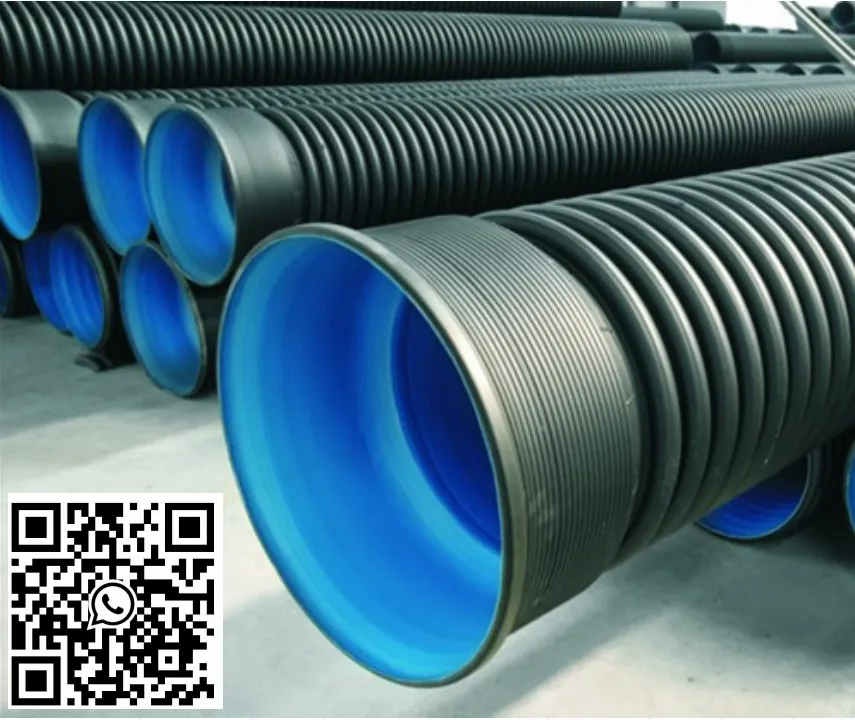
Environmental resistance is a crucial engineering consideration. UPVC demonstrates excellent resistance to acids, alkalis, and many common solvents. However, it is susceptible to degradation upon prolonged exposure to ultraviolet (UV) radiation, leading to discoloration and embrittlement. UV stabilizers (e.g., hindered amine light stabilizers – HALS) are therefore incorporated into the formulation to mitigate this effect. Long-term creep, the tendency to deform under sustained stress, is another important factor, particularly in structural applications. Finite Element Analysis (FEA) is frequently employed to assess stress distribution and predict creep behavior in UPVC components. Compliance requirements are stringent, particularly regarding fire performance. UPVC is inherently flame retardant, but achieving specific fire ratings (e.g., UL 94 V-0) requires the inclusion of halogenated or non-halogenated flame retardants. The material's ability to withstand hydrostatic pressure is critical in piping systems, requiring adherence to relevant pressure ratings (e.g., PN10, PN16). Electrostatic discharge (ESD) properties must be considered in certain applications, particularly in electrical conduit, to prevent the build-up of static charge.
Technical Specifications
| Parameter | Unit | Typical Value (China UPVC) | Testing Standard |
|---|---|---|---|
| Tensile Strength | MPa | 55-65 | ISO 527-2 |
| Impact Strength (Charpy) | kJ/m² | 5-10 (unmodified), 20-30 (modified) | ISO 179-1E |
| Flexural Modulus | GPa | 3.0-4.0 | ISO 178 |
| Heat Deflection Temperature | °C | 70-80 | ISO 75-2 |
| Water Absorption (24h) | % | <0.1 | ISO 62 |
| Oxygen Transmission Rate (OTR) | cm³/m²/day | <0.1 | ASTM D3985 |
Failure Mode & Maintenance
UPVC, while durable, is susceptible to specific failure modes. Long-term UV exposure induces photo-oxidation, leading to surface chalking, discoloration, and a reduction in impact strength. This is a primary cause of degradation in outdoor applications. Thermal degradation can occur during processing or exposure to elevated temperatures, resulting in discoloration and the release of hydrogen chloride (HCl). Mechanical failure can manifest as brittle fracture under impact loading, particularly in unmodified formulations. Creep rupture, a time-dependent failure, can occur in components subjected to sustained stress, especially at elevated temperatures. Hydrolytic degradation, although less common, can occur in the presence of moisture and certain chemicals, leading to chain scission and a loss of mechanical properties.
Maintenance strategies focus on preventative measures and timely repairs. Regular cleaning with mild detergents can remove dirt and grime, preserving aesthetic appearance. Avoidance of abrasive cleaners is crucial to prevent surface scratching. UV-protective coatings can be applied to exposed surfaces to mitigate photo-oxidation. Inspection for cracks, fissures, or discoloration should be conducted periodically, particularly in critical structural components. Minor cracks can be repaired using UPVC adhesives specifically formulated for this purpose. For significant damage or structural failure, component replacement is typically the most effective solution. Proper installation and adherence to recommended loading limits are vital for maximizing service life and preventing premature failure. Regular monitoring of environmental conditions, particularly UV exposure and temperature fluctuations, can aid in predicting and mitigating potential failure risks.
Industry FAQ
Q: What is the primary difference between Chinese-manufactured UPVC and UPVC produced in Europe or North America?
A: While the underlying polymer chemistry is the same, differences often reside in formulation additives and quality control procedures. Chinese manufacturers frequently utilize cost-optimized formulations, sometimes employing higher concentrations of stabilizers or lower-cost impact modifiers. Quality control standards, while improving, can vary significantly between manufacturers. This can impact long-term durability, UV resistance, and consistency in mechanical properties.
Q: How does the grade of PVC resin (S-PVC vs. E-PVC) impact the final UPVC product’s characteristics?
A: Suspension PVC (S-PVC) is generally preferred for extrusion due to its lower cost and faster processing speeds. However, Emulsion PVC (E-PVC) offers a finer particle size and improved surface finish, resulting in smoother extrusions and better impact strength, especially in thinner-walled profiles. E-PVC is often used for specialized applications like medical tubing or high-gloss finishes.
Q: What are the implications of using lead-based stabilizers in UPVC, and what are the alternatives?
A: Lead-based stabilizers historically provided excellent thermal stability and cost-effectiveness. However, due to environmental and health concerns, their use is being phased out globally. Calcium-zinc (Ca-Zn) stabilizers are the most common alternative, offering good performance but often at a higher cost. Organic-based stabilizers are also gaining popularity, offering improved processing characteristics and reduced environmental impact.
Q: What testing protocols are crucial for ensuring the long-term performance of UPVC piping systems?
A: Hydrostatic pressure testing is paramount, verifying the pipes’ ability to withstand internal pressure. Accelerated aging tests, including exposure to UV radiation, elevated temperatures, and chemical solutions, simulate long-term environmental effects. Impact resistance testing assesses the pipes’ ability to withstand external shocks. Furthermore, tests for chemical resistance and water permeability are crucial for ensuring the suitability of the piping system for its intended application.
Q: How can I assess the quality and reliability of a UPVC supplier in China?
A: Conducting a thorough factory audit is essential, focusing on quality control procedures, production capacity, and adherence to international standards. Requesting detailed material specifications, test reports, and certifications (e.g., ISO 9001) is crucial. Obtaining samples for independent laboratory testing is highly recommended. Investigating the supplier’s track record and customer references can provide valuable insights into their reliability.
Conclusion
China UPVC stands as a cornerstone material in modern construction and infrastructure, offering a compelling balance of performance, cost-effectiveness, and versatility. Its material science is driven by PVC resin properties, refined through carefully selected additives, and shaped by sophisticated extrusion processes. Understanding the nuanced interplay between formulation, manufacturing parameters, and environmental factors is essential for ensuring long-term durability and optimal performance in demanding applications.
Looking ahead, the industry is poised for further innovation in areas such as bio-based PVC resins, advanced stabilizer technologies, and enhanced recycling processes. Adoption of Industry 4.0 principles, including data analytics and predictive maintenance, will further optimize manufacturing efficiency and product quality. The continued emphasis on sustainability and regulatory compliance will drive the development of eco-friendly UPVC formulations and responsible manufacturing practices, solidifying its position as a vital material for a sustainable future.
-
DN25 HDPE Compression Fitting-HORON INTERNATIONAL|Reliable Irrigation Solutions
NewsFeb.11,2026
-
china 3 4 ppr pipe price Performance Analysis
News2026-06-07
-
china underground pvc pipe Material and Manufacturing
News2026-06-07
-
china type of hdpe pipe Technical Performance Analysis
News2026-06-07
-
china upvc Performance Analysis
News2026-06-07
-
china outside diameter of pvc pipe Dimensional Analysis
News2026-06-07
-
china ppr water pipe price Performance Analysis
News2026-06-06
-
china ppr composite pipe Performance Analysis
News2026-06-06
-
china ppr pipe 25mm price Performance Analysis
News2026-06-06
-
china ppr pipe use Performance Analysis
News2026-06-06
-
china pvc sewer pipe Technical Performance
News2026-06-06
-
china hdpe coupling joint Performance Analysis
News2026-06-05
-
china ppr pipe connector Manufacturing Analysis
News2026-06-05
-
china ppr pipe 20mm Manufacturing Analysis
News2026-06-05
-
china pvc pipe used for water supply Performance and Engineering
News2026-06-05
-
china orange pvc pipe Performance Engineering
News2026-06-05