

Feb . 11, 2026 00:01 Back to list
transition coupling hdpe to pvc manufacturers Performance Analysis
Introduction
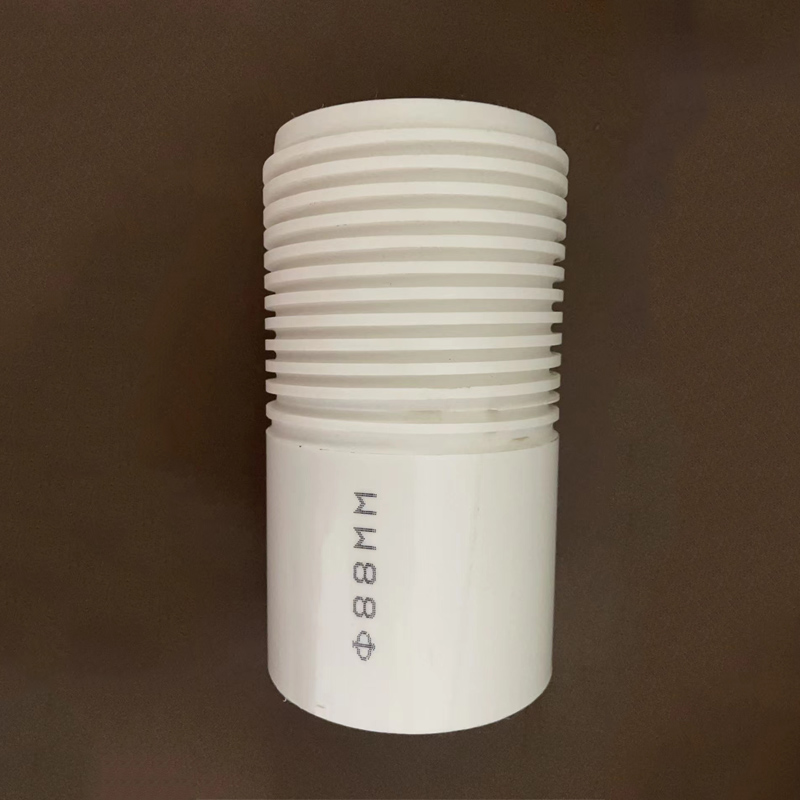
Transition couplings facilitating the connection between High-Density Polyethylene (HDPE) and Polyvinyl Chloride (PVC) piping represent a critical component in modern fluid transfer systems. These couplings address the inherent incompatibility in thermal expansion rates and material properties between HDPE and PVC, preventing stress concentrations that lead to joint failure. They find extensive application in municipal water and sewer infrastructure, industrial effluent discharge, irrigation systems, and chemical processing plants where differing pipe materials are necessitated by project requirements, cost optimization, or pre-existing infrastructure. Core performance characteristics of these couplings center on maintaining pressure integrity, ensuring long-term leak-proof seals, resisting chemical attack from conveyed fluids, and accommodating differential movement. The industry faces key pain points including ensuring long-term joint stability in varying soil conditions, selecting appropriate coupling materials for aggressive chemical environments, and maintaining consistent manufacturing quality to minimize installation issues and subsequent failures. This guide provides a comprehensive technical overview of HDPE to PVC transition couplings, encompassing material science, manufacturing processes, performance analysis, failure modes, and industry best practices.
Material Science & Manufacturing
The fabrication of HDPE to PVC transition couplings necessitates a careful selection of materials exhibiting compatibility with both pipe types and the conveyed fluid. HDPE, a thermoplastic polymer, is characterized by high tensile strength-to-density ratio, excellent chemical resistance, and flexibility. PVC, also a thermoplastic, possesses inherent rigidity, good dielectric properties, and cost-effectiveness. The coupling body is often constructed from Polypropylene (PP), a material offering a compromise between the two in terms of rigidity and chemical resistance, or from specialized engineered plastics like glass-reinforced nylon (PA66-GF) for enhanced strength and dimensional stability. Gaskets, critical for sealing, are commonly composed of EPDM (Ethylene Propylene Diene Monomer) rubber due to its superior resistance to water, weathering, and a broad range of chemicals. Manufacturing processes vary depending on the coupling size and complexity. Injection molding is prevalent for smaller couplings, allowing for precise dimensional control and complex geometries. Larger diameter couplings often employ rotational molding or a combination of injection molding and subsequent machining. Critical parameters during injection molding include melt temperature (typically 230-250°C for PP), mold temperature (40-60°C), injection pressure (maintained at optimal levels to avoid warping), and cooling rate (controlled to minimize residual stresses). For rotational molding, precise control of heating cycles, rotation speed, and cooling parameters are essential to achieve uniform wall thickness and material density. Post-molding processes include deburring, quality inspection, and potentially surface treatment for enhanced UV resistance or chemical inertness. Chemical compatibility testing of the gasket material with the target fluid is paramount.
Performance & Engineering
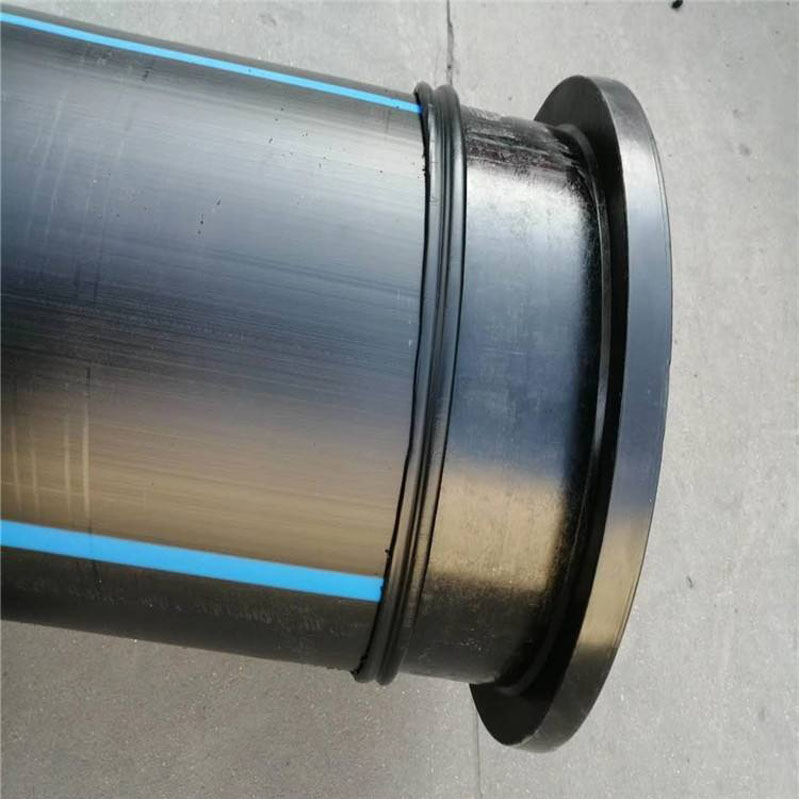
The performance of HDPE to PVC transition couplings hinges on their ability to withstand internal pressure, resist shear forces induced by pipe movement, and maintain a watertight seal over extended operational lifespans. Force analysis considers hoop stress within the coupling body due to internal pressure, longitudinal tensile and compressive stresses resulting from differential thermal expansion and contraction of the connected pipes, and shear stresses at the interface between the coupling and the pipe. Finite Element Analysis (FEA) is commonly employed to optimize coupling geometry and material distribution to minimize stress concentrations. Environmental resistance is a crucial consideration. UV exposure can degrade the coupling material, leading to embrittlement and cracking. Therefore, UV stabilizers are frequently incorporated into the polymer formulation. Soil corrosivity can also affect long-term performance, particularly for buried couplings. Couplings should be selected based on the specific soil chemistry at the installation site, and protective coatings may be necessary. Compliance requirements vary by region and application. For potable water systems, couplings must meet NSF/ANSI 61 standards for lead content and extraction of harmful substances. For sewer and industrial applications, compliance with ASTM D3212 (for PVC fittings) and relevant local plumbing codes is essential. The design must accommodate axial movement due to thermal expansion/contraction. Some couplings utilize a sliding sleeve or a flexible gasket design to allow for limited displacement without compromising the seal. Proper installation, including correct pipe insertion depth and adequate support, is vital for ensuring optimal performance.
Technical Specifications
| Parameter | Unit | HDPE to PVC Coupling (Standard Duty) | HDPE to PVC Coupling (Heavy Duty) |
|---|---|---|---|
| Nominal Pipe Size | inch | 2-12 | 4-24 |
| Maximum Operating Pressure | psi | 150 | 250 |
| Temperature Range | °F | -40 to 140 | -40 to 180 |
| Material (Coupling Body) | - | Polypropylene (PP) | Glass-Reinforced Nylon (PA66-GF) |
| Material (Gasket) | - | EPDM | EPDM |
| Axial Movement Accommodation | inch | 0.25 | 0.5 |
| Standards Compliance | - | NSF/ANSI 61, ASTM D3212 | NSF/ANSI 61, ASTM D3212 |
Failure Mode & Maintenance
Common failure modes in HDPE to PVC transition couplings include gasket failure (leading to leakage), cracking of the coupling body (due to stress or UV degradation), and corrosion of metal components (in some designs). Gasket failure can be caused by improper installation, chemical attack, or excessive compression set over time. Cracking is often initiated by stress concentrations around sharp corners or geometric discontinuities. UV degradation manifests as surface crazing and loss of mechanical properties. Failure analysis should include visual inspection for cracks, deformation, or discoloration, as well as material testing to assess gasket degradation and polymer properties. Maintenance primarily focuses on preventative measures. Regular visual inspections for leaks or signs of degradation are recommended. Lubricating the gasket during installation can reduce friction and prevent premature failure. Protecting the coupling from direct sunlight with a UV-resistant coating can extend its lifespan. For couplings installed in corrosive environments, periodic cleaning and application of a protective coating can mitigate corrosion. If a leak is detected, the coupling should be replaced immediately. When replacing a coupling, ensure that the new coupling is compatible with the pipe materials and the conveyed fluid. Proper torque specifications during installation must be adhered to, avoiding over-tightening which can damage the gasket or coupling body. Detailed records of installation, inspection, and maintenance activities should be maintained for traceability and long-term performance monitoring.
Industry FAQ
Q: What are the primary considerations when selecting a transition coupling for a potable water application?
A: For potable water applications, the most critical considerations are NSF/ANSI 61 certification, ensuring the coupling does not leach harmful substances into the water. Material compatibility with the water chemistry (pH, chlorine levels) is also paramount. The coupling should be constructed from materials that are resistant to corrosion and degradation in the specific water environment. Furthermore, the coupling must be able to withstand the maximum operating pressure of the system and accommodate any thermal expansion/contraction of the pipes.
Q: How do I address potential issues related to differential thermal expansion between HDPE and PVC?
A: The key is to select a coupling designed to accommodate axial movement. Couplings with sliding sleeves or flexible gasket designs are specifically engineered to allow for limited displacement without compromising the seal. Proper installation, including avoiding rigid restraint of the piping system, is also crucial. Calculating the expected thermal expansion/contraction based on temperature variations and pipe material properties is essential for selecting the appropriate coupling size and type.
Q: What is the impact of soil corrosivity on the long-term performance of buried transition couplings?
A: Soil corrosivity can significantly reduce the lifespan of buried couplings. Aggressive soil chemistry can corrode metal components or degrade the coupling material. A soil analysis should be conducted to determine the corrosivity level. Protective coatings, such as epoxy or polyethylene, can be applied to the coupling to mitigate corrosion. Selecting couplings made from corrosion-resistant materials, like PP or PA66-GF, is also recommended.
Q: What are the common causes of gasket failure in transition couplings?
A: Common causes include improper installation (over-compression or insufficient compression), chemical attack from the conveyed fluid, aging and loss of elasticity, and particulate contamination. Ensure the gasket is properly seated during installation, and use a lubricant compatible with the gasket material. Regularly inspect the gasket for signs of degradation or damage. Selecting a gasket material resistant to the specific chemical environment is critical.
Q: Can transition couplings be used with dissimilar pipe diameters?
A: Yes, specifically designed reducing transition couplings are available to accommodate connections between pipes of different diameters. These couplings incorporate a tapered section to gradually transition between the two pipe sizes, maintaining pressure integrity and ensuring a smooth flow path. It's crucial to select a reducing coupling that matches the specific pipe diameters being connected.
Conclusion
HDPE to PVC transition couplings are vital components for integrating disparate piping systems, providing a robust and reliable solution for fluid transfer. Their performance is dictated by meticulous material selection, precise manufacturing controls, and adherence to relevant industry standards. Understanding the potential failure modes, particularly those related to gasket integrity, UV degradation, and chemical compatibility, is critical for ensuring long-term operational reliability.
Future developments in transition coupling technology will likely focus on incorporating smart materials and sensor integration for real-time monitoring of joint integrity and predictive maintenance. Enhanced gasket designs utilizing advanced elastomers and sealing mechanisms will further improve leak prevention and extend service life. Continued research into corrosion-resistant materials and coatings will address the challenges posed by aggressive soil environments, ensuring the long-term sustainability of critical infrastructure.
-
DN25 HDPE Compression Fitting-HORON INTERNATIONAL|Reliable Irrigation Solutions
NewsFeb.11,2026
-
china flexible pvc tubing Performance Analysis
News2026-06-16
-
china water pipe kitchen sink Material Performance
News2026-06-16
-
china upvc column pipes for submersible pumps Performance Analysis
News2026-06-16
-
china 36 hdpe corrugated pipe Manufacturing Analysis
News2026-06-16
-
china kitchen sink water pipe Performance Analysis
News2026-06-16
-
china 90mm pvc pipe Performance Analysis
News2026-06-15
-
china ppr polypropylene pipe Technical Analysis
News2026-06-15
-
china hdpe pipe sizes and prices Performance Analysis
News2026-06-15
-
china hdpe quick coupling Performance Analysis
News2026-06-15
-
china ppr water line Performance Analysis
News2026-06-15
-
china 4 hdpe to pvc coupling Performance Analysis
News2026-06-14
-
china dn500 Ductile Iron Pipe Performance Analysis
News2026-06-14
-
china hdpe corrugated pipe Performance Analysis
News2026-06-14
-
china pvc pipe dimensions Technical Analysis
News2026-06-14
-
china perforated pvc pipe for drainage Performance Analysis
News2026-06-14