

Feb . 11, 2026 00:01 Back to list
pipe hdpe size product Performance Analysis
Introduction
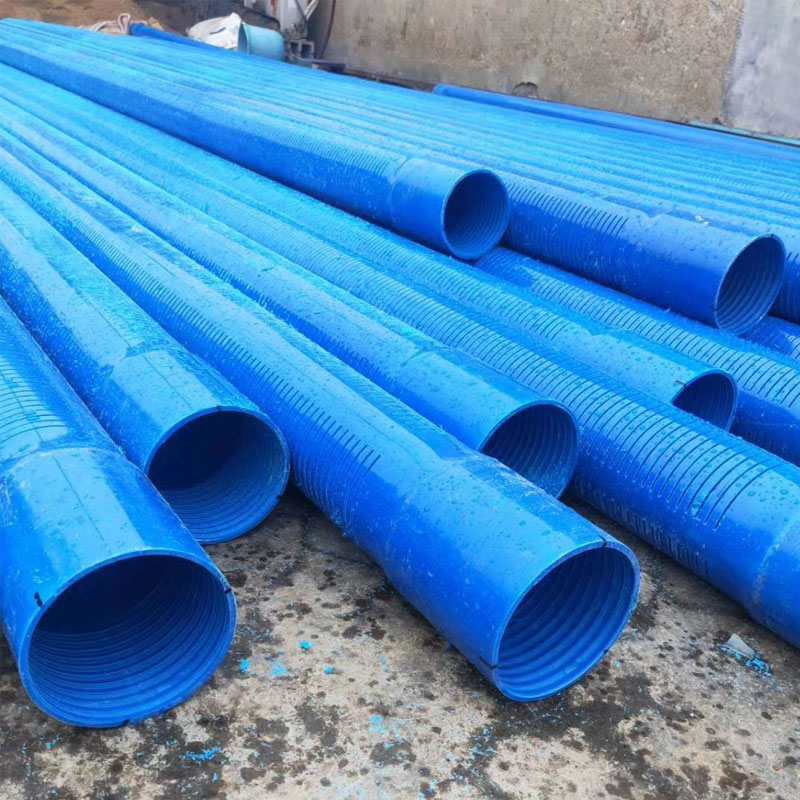
High-Density Polyethylene (HDPE) pipe, specified by size parameters, represents a critical component in fluid and gas transportation infrastructure. Positioned within the broader piping industry, HDPE pipe competes with materials like ductile iron, PVC, and steel, distinguished by its flexibility, corrosion resistance, and cost-effectiveness. Core performance characteristics center around pressure handling capability, leak-proof joints (typically via heat fusion), and long-term durability in subsurface applications. The sizing of HDPE pipe – denoted by Nominal Pipe Size (NPS) and Schedule (SCH) – directly influences flow rate, pressure drop, and overall system efficiency, making accurate selection paramount to application success. A key industry pain point lies in ensuring proper joint integrity and mitigating the risk of slow crack growth, particularly in critical applications like gas distribution. This guide provides an in-depth analysis of HDPE pipe sizing, covering material science, manufacturing processes, performance characteristics, potential failure modes, and relevant industry standards.
Material Science & Manufacturing
HDPE is a thermoplastic polymer synthesized from the monomer ethylene. Its high density (typically 0.941 – 0.965 g/cm³) imparts greater strength and rigidity compared to Low-Density Polyethylene (LDPE). Raw material selection focuses on PE-100, a grade exhibiting superior resistance to slow crack growth and enhanced long-term hydrostatic strength. Manufacturing begins with the polymerization of ethylene using Ziegler-Natta or metallocene catalysts. The resulting resin is then processed via extrusion.
Pipe extrusion involves melting the HDPE resin and forcing it through a die of the desired size and shape. Critical parameters include die temperature (180-210°C), melt temperature (220-260°C), and extrusion speed. Cooling is achieved through water baths, carefully controlled to prevent warping or deformation. For larger diameter pipes, co-extrusion may be employed to create multi-layer structures with different material properties, such as a striped outer layer for identification or enhanced UV resistance. Pipe dimensions are tightly controlled according to standards like ASTM D3350 and ISO 4427. Post-extrusion processes include marking (indicating size, material grade, and manufacturer) and cutting to specified lengths. The butt fusion process, creating a homogenous weld, is a critical manufacturing step for field joining, demanding precise temperature control (120-140°C) and consistent pressure application to achieve optimal weld strength and longevity. Chemical compatibility with transported fluids is also a major manufacturing consideration; HDPE exhibits excellent resistance to most acids, alkalis, and solvents, but prolonged exposure to strong oxidizing agents should be avoided.

Performance & Engineering
HDPE pipe performance is governed by several engineering principles. Hydrostatic design stress (HDS) is a critical parameter, dictating the maximum allowable internal pressure based on pipe size, material grade, and temperature. According to ASME B31.3, HDS is calculated using Barlow’s formula, modified for polyethylene's time-dependent creep behavior. Force analysis also considers external loads, such as soil overburden, traffic loads, and thermal expansion/contraction. HDPE's flexibility allows it to accommodate ground movement and temperature fluctuations without fracturing. Environmental resistance is paramount. While HDPE is inherently resistant to corrosion, long-term UV exposure can cause degradation, necessitating the use of UV stabilizers or protective coatings. Permeation rates of gases (oxygen, methane) through the pipe wall are also a concern, particularly in gas distribution systems; material selection and wall thickness are optimized to minimize permeation. Compliance requirements vary by region and application. For potable water systems, pipes must meet NSF/ANSI 61 standards for leaching of contaminants. Gas distribution pipes are subject to stringent regulations regarding leak detection and cathodic protection. The impact resistance, measured via Charpy or Izod impact tests, determines the pipe’s ability to withstand external forces during installation and operation. Creep rupture strength, characterizing long-term performance under sustained stress, is a critical factor in design life estimation.
Technical Specifications
| Nominal Pipe Size (NPS) - Inches | Schedule Number | Outside Diameter (OD) - Inches | Wall Thickness - Inches | Pressure Rating @ 73°F - PSI | Hydrostatic Design Stress (HDS) - PSI |
|---|---|---|---|---|---|
| 1/2 | 40 | 0.625 | 0.065 | 200 | 1600 |
| 3/4 | 40 | 0.840 | 0.083 | 160 | 1600 |
| 1 | 40 | 1.050 | 0.113 | 125 | 1600 |
| 2 | 40 | 2.067 | 0.154 | 80 | 1600 |
| 4 | 40 | 4.500 | 0.218 | 45 | 1600 |
| 6 | 40 | 6.625 | 0.280 | 30 | 1600 |
Failure Mode & Maintenance
HDPE pipe, while durable, is susceptible to several failure modes. Slow Crack Growth (SCG) is a primary concern, initiated by stress concentrations (scratches, gouges) and exacerbated by sustained stress and aggressive chemicals. Oxidation, particularly at elevated temperatures, can embrittle the material, reducing its impact resistance. Fatigue cracking can occur under cyclical loading, such as ground movement or repeated pressure surges. Joint failures, stemming from improper fusion parameters (insufficient temperature, inadequate pressure), are also common. Delamination, though less frequent, can occur in multi-layer pipes if adhesion between layers is compromised. Maintenance strategies focus on preventative measures. Regular visual inspections are crucial to identify any signs of damage, such as cracks, gouges, or discoloration. Pressure testing is recommended periodically to verify system integrity. Soil cover should be adequate to protect the pipe from UV exposure and mechanical damage. In the event of a leak, the affected section should be excavated and repaired using heat fusion techniques. Cathodic protection is employed in gas distribution systems to mitigate corrosion risk, even though HDPE itself is non-corrosive. Furthermore, proper backfilling procedures are essential to avoid point loading and ensure uniform support for the pipe. Periodic testing of weld integrity using non-destructive testing methods (e.g., ultrasonic testing) can help detect potential flaws before they lead to catastrophic failure.
Industry FAQ
Q: What is the impact of temperature on the long-term performance of HDPE pipe?
A: Temperature significantly affects the creep rupture strength of HDPE. Higher temperatures accelerate creep, reducing the long-term hydrostatic strength. Therefore, design calculations must account for the operating temperature of the fluid being transported and the surrounding soil temperature. Derating factors are applied to the HDS based on temperature to ensure safe operation over the pipe’s intended lifespan.
Q: How does the pipe’s Schedule number relate to its pressure-bearing capacity?
A: The Schedule number indicates the pipe’s wall thickness. A higher Schedule number denotes a thicker wall, resulting in a higher pressure rating and increased resistance to collapse. Schedule 40 is a common standard for general-purpose applications, while Schedule 80 is used for higher-pressure systems.
Q: What are the best practices for ensuring a reliable heat fusion joint?
A: Reliable heat fusion requires meticulous adherence to manufacturer’s recommendations. Key factors include proper surface preparation (cleaning and removing contaminants), accurate temperature control of the heating tool and pipe surfaces, appropriate fusion pressure and duration, and a thorough visual inspection of the weld bead for defects.
Q: How does soil corrosivity impact HDPE pipe installations?
A: While HDPE is inherently corrosion-resistant, highly corrosive soils can accelerate degradation of surrounding materials (e.g., metallic fittings or anchors) and potentially compromise the integrity of the pipe system. Proper selection of compatible materials and the application of protective coatings can mitigate this risk.
Q: What are the key differences between PE-100 and other HDPE grades in the context of pipe applications?
A: PE-100 exhibits superior resistance to Slow Crack Growth (SCG) compared to lower-grade HDPE materials like PE-80 or PE-63. This enhanced resistance is crucial for long-term performance in demanding applications, such as gas distribution, where sustained stress and the presence of minor defects can lead to catastrophic failure.
Conclusion
HDPE pipe sizing is a complex process requiring a comprehensive understanding of material science, engineering principles, and relevant industry standards. Proper selection of pipe size, schedule, and material grade is critical to ensuring the long-term reliability and performance of fluid and gas transportation systems. The inherent advantages of HDPE, including its corrosion resistance, flexibility, and ease of installation, make it a viable alternative to traditional piping materials, but a thorough assessment of potential failure modes and adherence to best practices for joint fusion and maintenance are paramount.
Future developments in HDPE technology are focused on enhancing its resistance to SCG, improving its mechanical properties at elevated temperatures, and developing new materials with enhanced barrier properties for gas containment. Continued innovation in non-destructive testing methods will also play a vital role in ensuring the integrity of HDPE pipe systems throughout their service life. Ultimately, a robust understanding of these technical considerations will empower engineers and procurement professionals to make informed decisions, optimizing system performance and minimizing life-cycle costs.
-
DN25 HDPE Compression Fitting-HORON INTERNATIONAL|Reliable Irrigation Solutions
NewsFeb.11,2026
-
china 3 4 ppr pipe price Performance Analysis
News2026-06-07
-
china underground pvc pipe Material and Manufacturing
News2026-06-07
-
china type of hdpe pipe Technical Performance Analysis
News2026-06-07
-
china upvc Performance Analysis
News2026-06-07
-
china outside diameter of pvc pipe Dimensional Analysis
News2026-06-07
-
china ppr water pipe price Performance Analysis
News2026-06-06
-
china ppr composite pipe Performance Analysis
News2026-06-06
-
china ppr pipe 25mm price Performance Analysis
News2026-06-06
-
china ppr pipe use Performance Analysis
News2026-06-06
-
china pvc sewer pipe Technical Performance
News2026-06-06
-
china hdpe coupling joint Performance Analysis
News2026-06-05
-
china ppr pipe connector Manufacturing Analysis
News2026-06-05
-
china ppr pipe 20mm Manufacturing Analysis
News2026-06-05
-
china pvc pipe used for water supply Performance and Engineering
News2026-06-05
-
china orange pvc pipe Performance Engineering
News2026-06-05