

Feb . 11, 2026 00:01 Back to list
Kitchen Sink Hot Cold Water Lines Service Performance Analysis
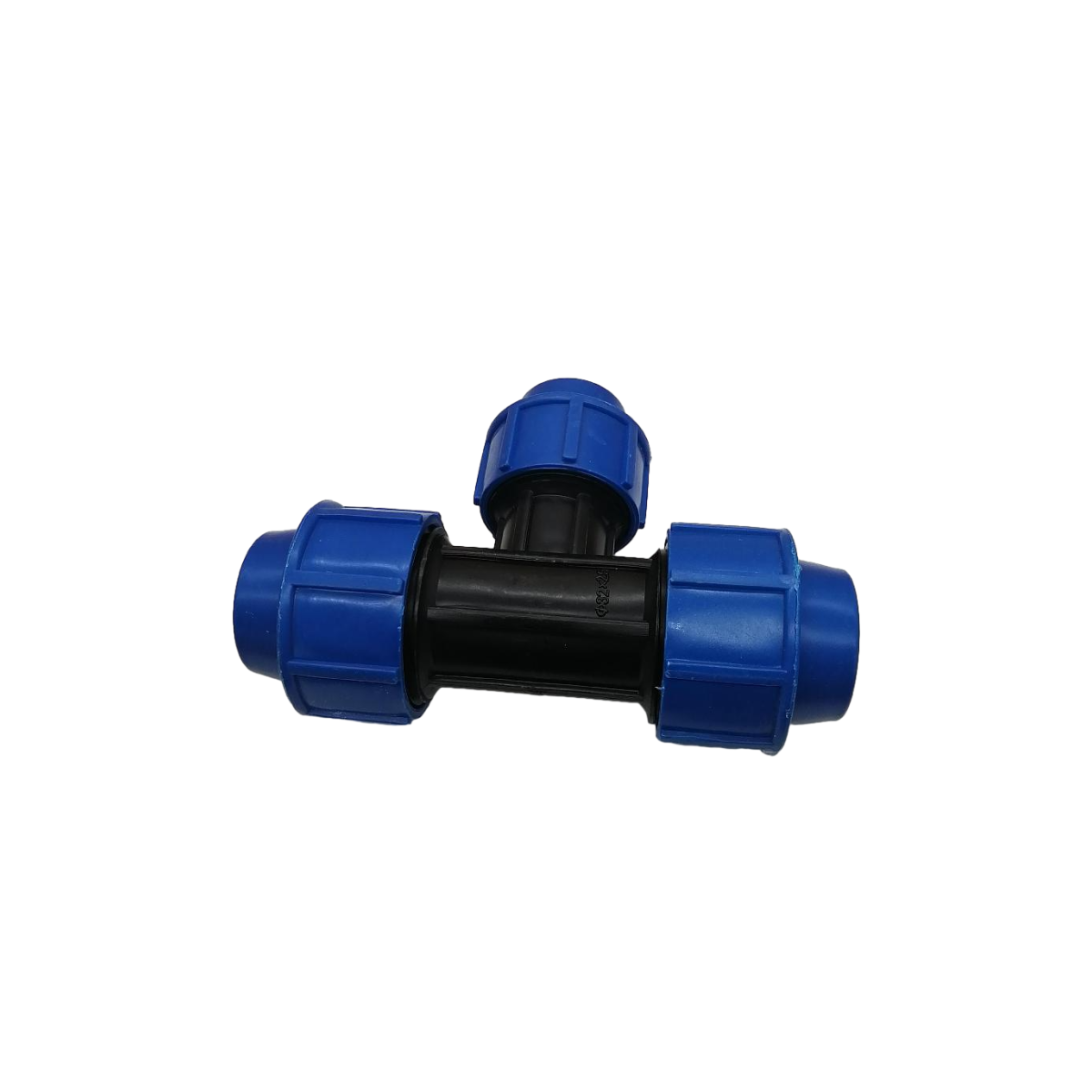
Introduction
Kitchen sink hot and cold water lines service encompasses the installation, maintenance, and repair of the piping systems delivering potable hot and cold water to residential and commercial kitchen sinks. This service is critical for ensuring safe and reliable water access, preventing leaks, and maintaining sanitary conditions. The system’s performance is dictated by material selection, installation techniques, adherence to plumbing codes, and the prevention of corrosion and scale buildup. This guide details the materials, engineering considerations, failure modes, and maintenance protocols essential for professional-level kitchen sink water line service. The industry faces ongoing challenges related to lead contamination in older systems, the increasing demand for water conservation, and the durability of newer polymeric materials in contact with varying water chemistries.
Material Science & Manufacturing
The materials used in kitchen sink water lines significantly influence longevity and performance. Historically, copper (typically Type L or Type M) was the dominant material, chosen for its corrosion resistance, malleability, and ease of soldering. Copper alloys exhibit a face-centered cubic (FCC) crystal structure, providing good ductility. However, concerns regarding cost and potential leaching of copper ions have driven adoption of alternatives. Cross-linked polyethylene (PEX) is now prevalent, offering flexibility, freeze resistance, and reduced cost. PEX is manufactured via a radiation cross-linking process applied to high-density polyethylene (HDPE), resulting in a thermoset material. Chlorinated polyvinyl chloride (CPVC), a thermoplastic polymer, is also utilized, particularly for hot water lines due to its higher temperature resistance compared to PVC. CPVC requires careful installation to avoid solvent welding issues. Stainless steel, particularly 304 and 316 grades (austenitic stainless steels), offers superior corrosion resistance but is less common due to higher cost and complexity of installation requiring specialized tools. Manufacturing processes include extrusion (PEX, CPVC), drawing (copper tubing), and welding/soldering (copper). Parameter control during extrusion, particularly maintaining consistent melt temperature and die pressure, is crucial for PEX and CPVC to ensure uniform wall thickness and prevent defects. For copper, annealing processes after drawing are critical to achieve desired ductility. Lead-free solder alloys are now mandated in many jurisdictions due to health concerns. Material compatibility is paramount; galvanic corrosion can occur when dissimilar metals (e.g., copper and galvanized steel) are directly connected.

Performance & Engineering
The engineering performance of kitchen sink water lines is governed by hydrostatic pressure testing, burst pressure resistance, and thermal expansion/contraction. Pipes must withstand sustained internal pressure without leaks or deformation. ASTM D2837 sets standards for PEX pipe pressure ratings. Stress analysis, particularly finite element analysis (FEA), is used to model the impact of water hammer (pressure surges) and thermal stress on pipe integrity. Water hammer occurs when a valve is rapidly closed, creating a shock wave that can induce fatigue failure. Expansion loops or flexible connectors are employed to accommodate thermal expansion and contraction of PEX and CPVC, preventing stress on joints. Water quality plays a crucial role; high mineral content (calcium and magnesium) can lead to scale buildup, reducing flow rate and potentially causing blockages. Low pH (acidic water) can accelerate corrosion of copper and stainless steel. The performance of threaded connections (e.g., for faucets) is critical; proper pipe dope or Teflon tape application is essential to ensure a watertight seal. Compliance with local plumbing codes, such as the Uniform Plumbing Code (UPC) and International Plumbing Code (IPC), is mandatory, dictating minimum pipe size, support spacing, and materials permitted. Flow rate calculations, based on pipe diameter, length, and water pressure, are essential for ensuring adequate water delivery to the sink.
Technical Specifications
| Material | Pressure Rating (PSI) | Temperature Rating (°F) | Corrosion Resistance |
|---|---|---|---|
| Copper (Type L) | 350 | 250 | Excellent (but susceptible to pitting in certain water chemistries) |
| PEX (Cross-linked Polyethylene) | 160 | 180 | Good (resistant to most chemicals, but can be affected by chlorine) |
| CPVC (Chlorinated Polyvinyl Chloride) | 100 | 200 | Good (superior to PVC, but can become brittle over time) |
| Stainless Steel (304) | 400 | 300 | Excellent (highly resistant to corrosion) |
| Stainless Steel (316) | 400 | 300 | Superior (enhanced resistance to chloride corrosion) |
| Galvanized Steel (Historically Used) | 125 | 150 | Poor (prone to corrosion and scale buildup; largely obsolete) |
Failure Mode & Maintenance
Common failure modes in kitchen sink water lines include corrosion (particularly in copper and galvanized steel), pinhole leaks, burst pipes (often due to freezing or water hammer), and joint failures. Corrosion manifests as pitting, erosion, and general thinning of pipe walls. PEX can exhibit creep rupture under sustained stress and high temperatures. CPVC can become brittle and crack over time, especially when exposed to UV radiation. Joint failures can arise from improper soldering (copper), incorrect solvent welding (CPVC), or loose threaded connections. Scale buildup restricts flow and can lead to localized overheating and corrosion. Preventative maintenance includes periodic inspections for leaks and corrosion, flushing the lines to remove sediment, and ensuring proper insulation in cold climates. Pressure relief valves (PRVs) should be installed to mitigate water hammer. For copper pipes, sacrificial anodes can be used to reduce galvanic corrosion. If leaks are detected, the affected section of pipe must be replaced. Regularly checking the condition of supply stops under the sink is crucial. Annual inspections by a qualified plumber are recommended, particularly in areas with aggressive water chemistry. Replacing older galvanized steel lines is advisable to eliminate corrosion issues.
Industry FAQ
Q: What are the primary advantages of PEX over traditional copper piping?
A: PEX offers several advantages. It's significantly less expensive than copper, easier to install due to its flexibility (reducing the need for multiple fittings), and resistant to freezing damage. It also avoids the potential for copper leaching into the water supply.
Q: How can I prevent corrosion in copper water lines?
A: Maintaining a neutral pH level in the water supply is critical. Installing a sacrificial anode can also help protect copper pipes from galvanic corrosion. Avoiding direct contact between copper and dissimilar metals is also important.
Q: What are the risks associated with using CPVC, and how can they be mitigated?
A: CPVC can become brittle over time, especially when exposed to UV radiation or high temperatures. Proper solvent welding techniques are crucial to ensure strong, leak-proof joints. Protecting CPVC pipes from direct sunlight is also recommended.
Q: What is water hammer, and how can it be prevented?
A: Water hammer is a pressure surge caused by the sudden stopping of water flow, typically when a valve is closed quickly. It can damage pipes and fittings. Installing pressure relief valves (PRVs) and using expansion loops or flexible connectors can mitigate water hammer.
Q: What are the current regulations regarding lead content in potable water piping?
A: Current regulations, driven by the Safe Drinking Water Act and subsequent amendments, mandate the use of lead-free solder and fittings in potable water systems. The maximum allowable lead content is typically limited to 0.2%.
Conclusion
The reliable delivery of hot and cold water to kitchen sinks relies on a nuanced understanding of material science, engineering principles, and adherence to stringent plumbing codes. While copper has historically been the material of choice, PEX and CPVC now offer viable alternatives with specific advantages and disadvantages. The long-term performance of any water line system is fundamentally linked to proper installation techniques, regular maintenance, and proactive measures to mitigate corrosion, scale buildup, and the damaging effects of water hammer.
Future advancements in kitchen sink water line technology will likely focus on developing more durable and sustainable materials, incorporating smart monitoring systems to detect leaks and corrosion proactively, and optimizing water flow to enhance efficiency and conservation. The industry will continue to grapple with balancing cost-effectiveness with the need for safe, reliable, and environmentally responsible water delivery systems.
-
DN25 HDPE Compression Fitting-HORON INTERNATIONAL|Reliable Irrigation Solutions
NewsFeb.11,2026
-
discount hdpe pipe coupling Performance Analysis
News2026-06-27
-
discount kitchen sink water lines Performance Analysis
News2026-06-27
-
discount dn25 hdpe Performance Analysis
News2026-06-27
-
discount hdpe sprinkler coupler Performance Analysis
News2026-06-27
-
discount black pvc pipe for sale Performance Analysis
News2026-06-27
-
discount 40mm pvc pipe Performance Analysis
News2026-06-26
-
discount hdpe to pvc connection Performance Analysis
News2026-06-26
-
discount ppr pipe 1 price Technical Analysis
News2026-06-26
-
discount colored pvc pipe Material Science and Manufacturing
News2026-06-26
-
discount hdpe pipe price list pdf Performance and Engineering
News2026-06-26
-
discount ppr for hot water Performance Analysis
News2026-06-25
-
discount bulk pvc pipe Material Performance
News2026-06-25
-
discount pvc pipes price list Material Science and Manufacturing
News2026-06-25
-
discount 20 ft pvc pipe Performance Analysis
News2026-06-25
-
discount ppr cold water pipe Performance Analysis
News2026-06-25